Li Pengfei, Zhai Pei, Ye Zengjie, Deng Peng, Fan Yueguang, Zeng Yirong, Pang Zhihui, Zeng Jianchun, Li Jie, Feng Wenjun
Guangzhou University of Chinese Medicine, Guangzhou, China.
Yale University, New Haven, USA.
Oncotarget. 2017 Jun 27;8(26):42638-42647. doi: 10.18632/oncotarget.17333.
Femoral head collapse is a key reference point for determining a treatment regimen of femoral head osteonecrosis. However, there are no effective preventive measures and the efficacy of hip-preserving surgery is unsatisfactory due to the unclear mechanism of collapse. This study aimed to identify and validate miRNAs differentially expressed in collapse and non-collapse areas of the osteonecrotic femoral head, and to predict the target genes and pathways of these miRNAs.
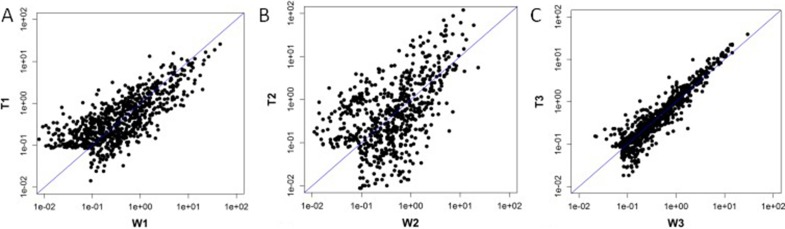
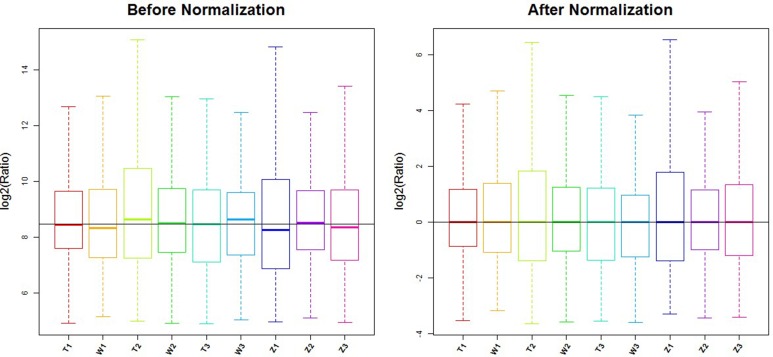
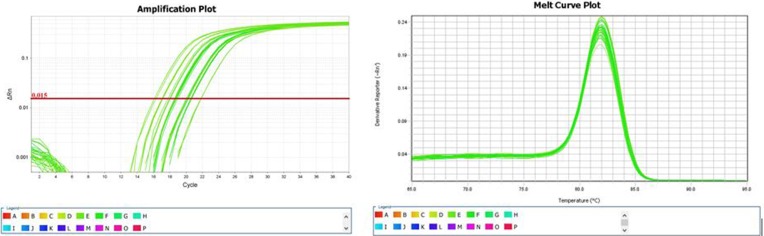
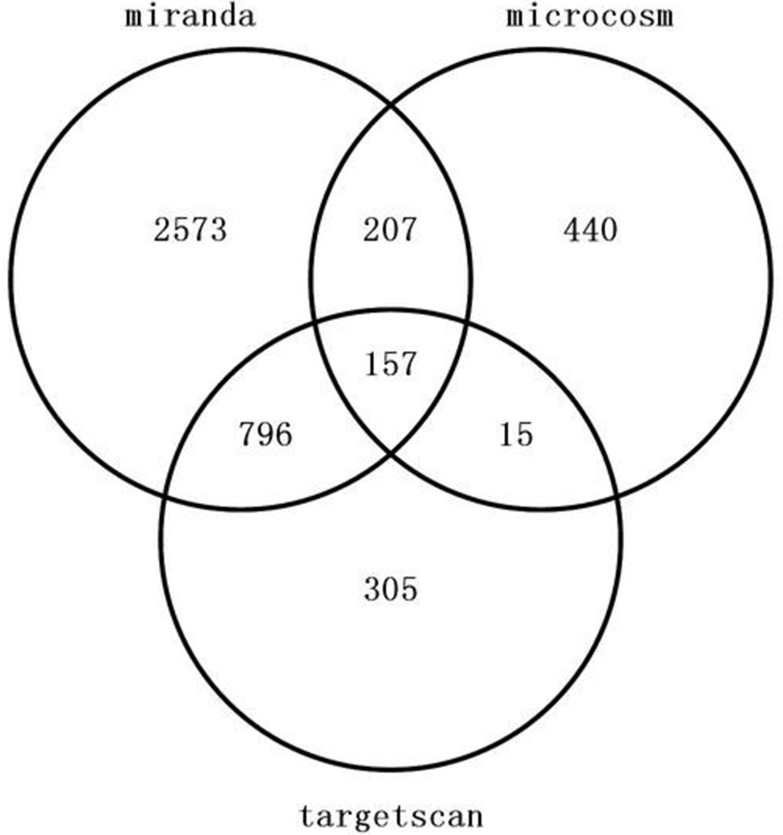
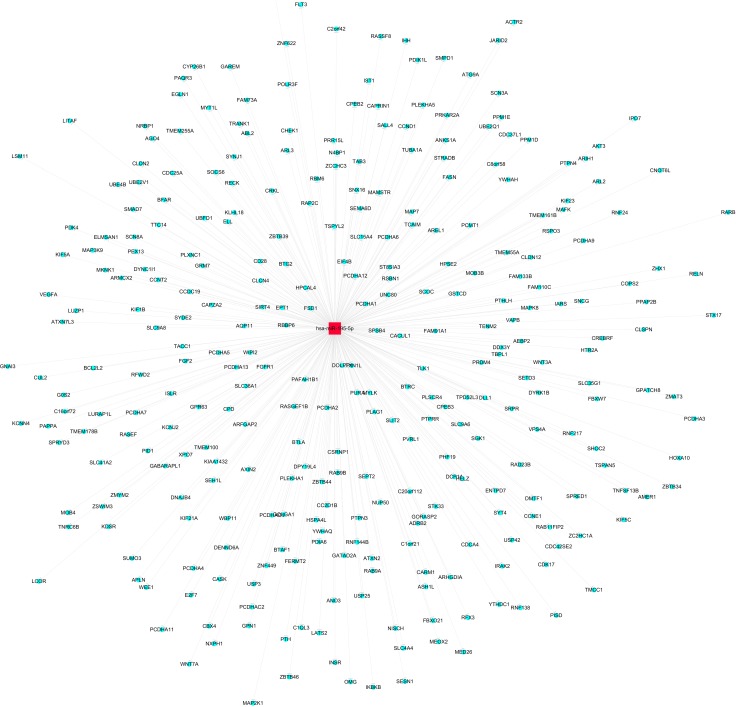
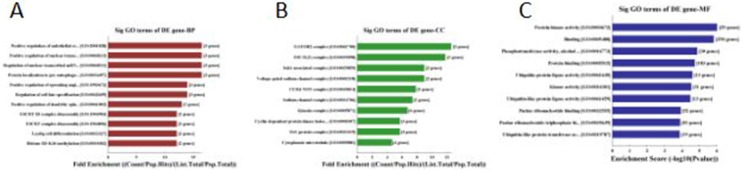
Nine samples passed the quality control test. A total of 2085 differentially expressed miRNAs were detected, among which 433 miRNAs showed differential expression in the T1 group compared to the W1 group; 344 miRNAs showed differential expression in the T2 group compared to the W2 group; 107 miRNAs showed differential expression in the T3 group compared to the W3 group. After combining data from all three patients, 10 miRNAs showed differential expression in the collapse area (T1+T2+T3) compared to the non-collapse area (W1+W2+W3). Compared to the normal area, has-miR-195-5p showed the most significant downregulation. Expression results from RT-PCR revealed that the expression of hsa-miR-195-5p in the collapse area (T1+T2+T3) was significantly lower than that in the non-collapse area (W1+W2+W3) and normal area (Z1+Z2+Z3). 157 genes were perdicted as the target gene of hsa-miR-195-5p.
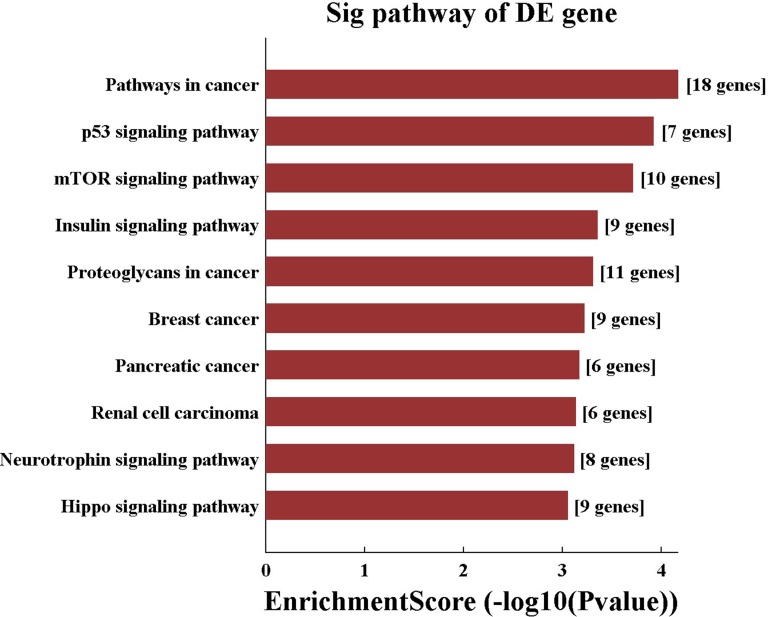
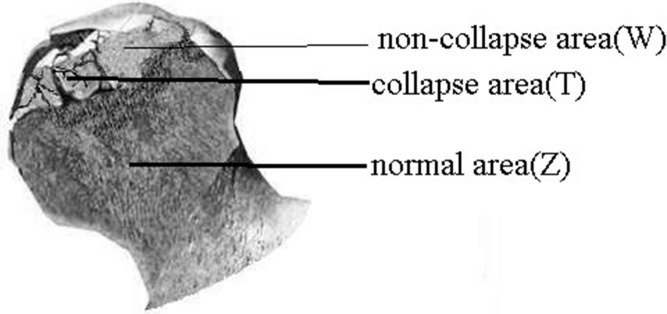
Femoral heads of three patients (2 males and 1 female) treated by total hip arthroplasty surgery for steroid-induced femoral head osteonecrosis were selected based on inclusion and exclusion criteria. Bone tissue samples were obtained from the collapse area (T), non-collapse area (W), and normal area (Z) according to the anatomical structure of osteonecrotic femoral heads. Total RNA was extracted from the samples and the microarray chip was scanned. miRNAs showing differential expressions of more than 1.5-fold were selected and was validated by RT-PCR. TargetScan, mirBase and miRanda bioinformatics software was used to predict target genes and identify possible pathways involving these genes.
miR-195-5p showed the most significant difference in the collapse area of osteonecrotic femoral heads, suggesting that collapse may be related to the downregulation of miR-195-5p.
股骨头塌陷是决定股骨头坏死治疗方案的关键参考点。然而,目前尚无有效的预防措施,且由于塌陷机制不明,保髋手术的疗效并不理想。本研究旨在鉴定和验证在坏死股骨头塌陷区和非塌陷区差异表达的微小RNA(miRNA),并预测这些miRNA的靶基因和相关通路。
9个样本通过质量控制检测。共检测到2085个差异表达的miRNA,其中433个miRNA在T1组与W1组相比有差异表达;344个miRNA在T2组与W2组相比有差异表达;107个miRNA在T3组与W3组相比有差异表达。将3例患者的数据合并后,10个miRNA在塌陷区(T1+T2+T3)与非塌陷区(W1+W2+W3)相比有差异表达。与正常区域相比,hsa-miR-195-5p下调最为显著。逆转录聚合酶链反应(RT-PCR)结果显示,hsa-miR-195-5p在塌陷区(T1+T2+T3)的表达明显低于非塌陷区(W1+W2+W3)和正常区(Z1+Z2+Z3)。预测有157个基因是hsa-miR-195-5p的靶基因。
根据纳入和排除标准,选取3例因类固醇诱导的股骨头坏死接受全髋关节置换手术治疗的患者(2例男性,1例女性)的股骨头。根据坏死股骨头的解剖结构,从塌陷区(T)、非塌陷区(W)和正常区(Z)获取骨组织样本。从样本中提取总RNA并扫描微阵列芯片。选择差异表达倍数大于1.5倍的miRNA,并通过RT-PCR进行验证。使用TargetScan、mirBase和miRanda生物信息学软件预测靶基因并确定涉及这些基因的可能通路。
miR-195-5p在坏死股骨头塌陷区差异最为显著,提示塌陷可能与miR-195-5p的下调有关。