Medical Research Council Centre for Regenerative Medicine, University of Edinburgh, 5 Little France Drive, Edinburgh, EH16 4UU, Scotland, UK.
Institute of Medical Sciences, University of Aberdeen, Foresterhill, Aberdeen, AB25 2ZD, UK.
Arch Toxicol. 2017 Nov;91(11):3633-3643. doi: 10.1007/s00204-017-1983-0. Epub 2017 May 16.
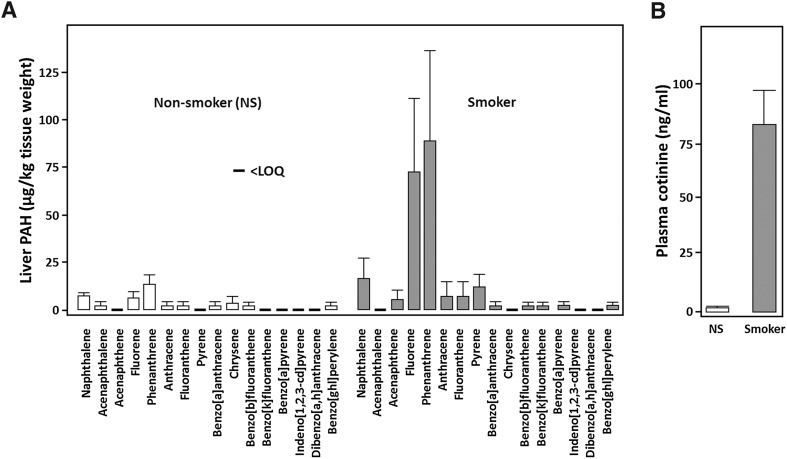
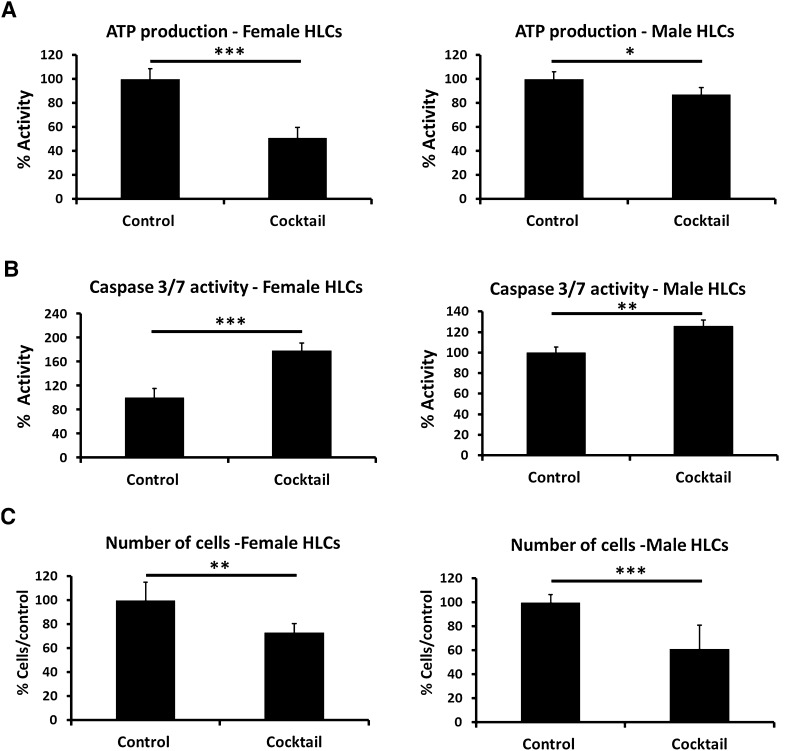
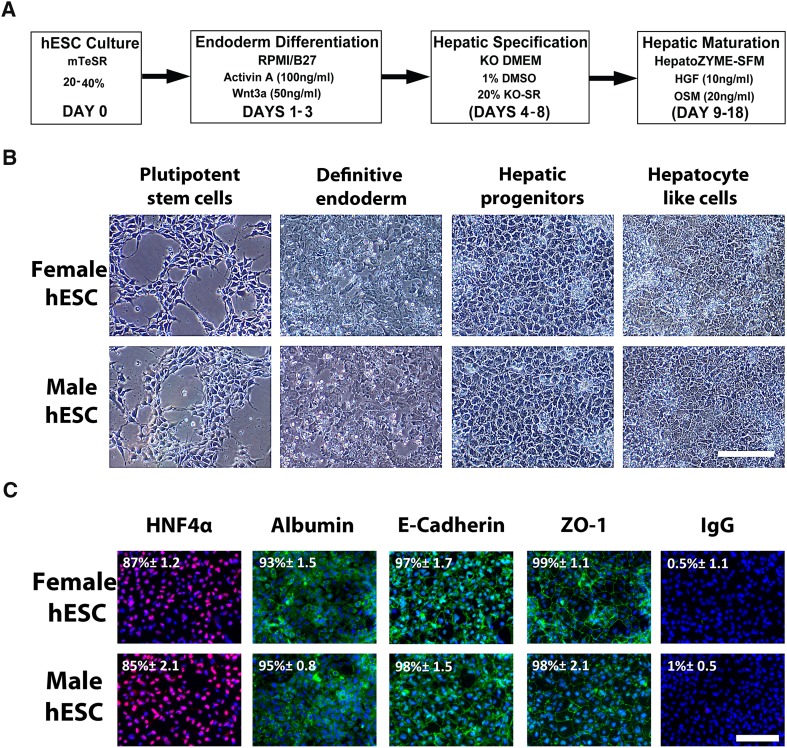
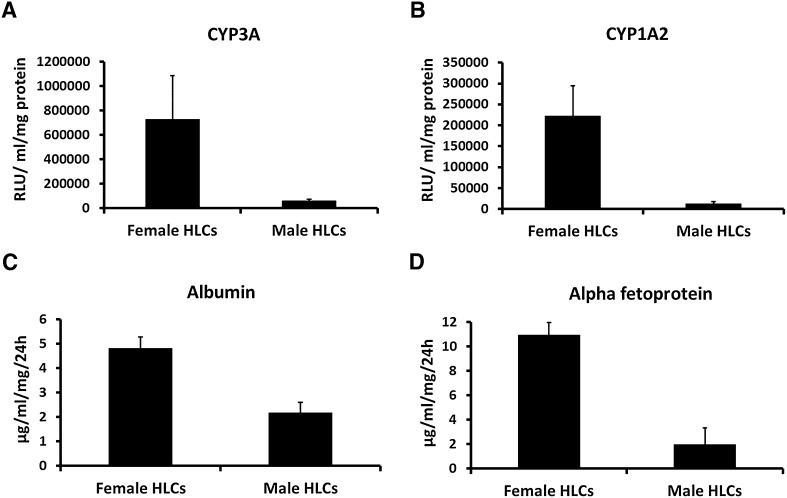
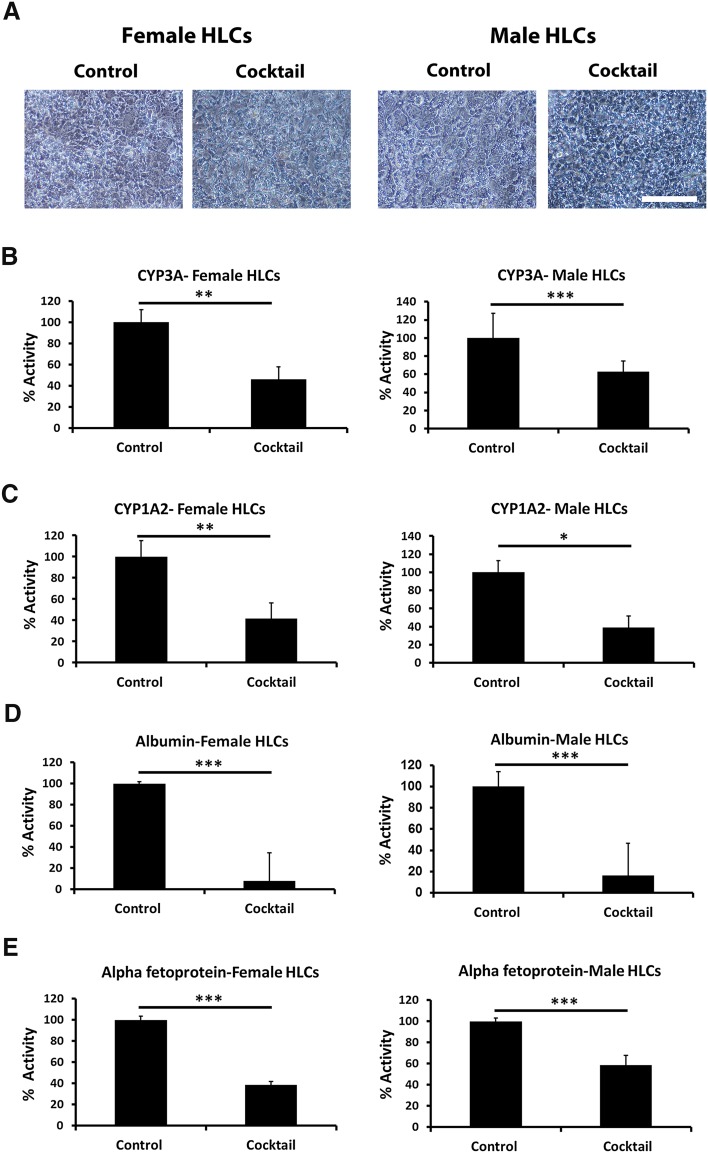
The liver is a dynamic organ which is both multifunctional and highly regenerative. A major role of the liver is to process both endo and xenobiotics. Cigarettes are an example of a legal and widely used drug which can cause major health problems for adults and constitute a particular risk to the foetus, if the mother smokes during pregnancy. Cigarette smoke contains a complex mixture of thousands of different xenobiotics, including nicotine and polycyclic aromatic hydrocarbons. These affect foetal development in a sex-specific manner, inducing sex-dependant molecular responses in different organs. To date, the effect of maternal smoking on the foetal liver has been studied in vitro using cell lines, primary tissue and animal models. While these models have proven to be useful, poor cell phenotype, tissue scarcity, batch-to-batch variation and species differences have led to difficulties in data extrapolation toward human development. Therefore, in this study we have employed hepatoblasts, derived from pluripotent stem cells, to model the effects of xenobiotics from cigarette smoke on human hepatocyte development. Highly pure hepatocyte populations (>90%) were produced in vitro and exposed to factors present in cigarette smoke. Analysis of ATP levels revealed that, independent of the sex, the majority of smoking derivatives tested individually did not deplete ATP levels below 50%. However, following exposure to a cocktail of smoking derivatives, ATP production fell below 50% in a sex-dependent manner. This was paralleled by a loss metabolic activity and secretory ability in both female and male hepatocytes. Interestingly, cell depletion was less pronounced in female hepatocytes, whereas caspase activation was ~twofold greater, indicating sex differences in cell death upon exposure to the smoking derivatives tested.
肝脏是一个具有多功能性和高度再生能力的动态器官。肝脏的主要功能之一是处理内源性和外源性物质。香烟是一种合法且广泛使用的药物,它会给成年人带来严重的健康问题,如果孕妇吸烟,香烟还会对胎儿构成特殊风险。香烟烟雾中含有数千种不同的外源性物质的复杂混合物,包括尼古丁和多环芳烃。这些物质以性别特异性的方式影响胎儿发育,在不同器官中诱导性别依赖性的分子反应。迄今为止,已经使用细胞系、原代组织和动物模型在体外研究了母体吸烟对胎儿肝脏的影响。虽然这些模型已被证明是有用的,但较差的细胞表型、组织稀缺、批次间差异和物种差异导致难以将数据外推到人类发育。因此,在这项研究中,我们使用多能干细胞衍生的肝母细胞来模拟香烟烟雾中外源性物质对人类肝细胞发育的影响。在体外产生了高度纯的(>90%)肝细胞群体,并使其暴露于香烟烟雾中的因子。分析 ATP 水平表明,无论性别如何,单独测试的大多数吸烟衍生产物都不会使 ATP 水平降低到 50%以下。然而,在暴露于吸烟衍生产物混合物后,ATP 产生以性别依赖的方式下降到 50%以下。这与雌性和雄性肝细胞的代谢活性和分泌能力丧失相平行。有趣的是,细胞耗竭在雌性肝细胞中不太明显,而半胱天冬酶激活增加了约两倍,表明在暴露于测试的吸烟衍生产物时,细胞死亡存在性别差异。