Drake Amanda J, O'Shaughnessy Peter J, Bhattacharya Siladitya, Monteiro Ana, Kerrigan David, Goetz Sven, Raab Andrea, Rhind Stewart M, Sinclair Kevin D, Meharg Andrew A, Feldmann Jörg, Fowler Paul A
Endocrinology Unit, University/BHF Centre for Cardiovascular Science, University of Edinburgh, Queen's Medical Research Institute, 47 Little France Crescent, Edinburgh EH16 4TJ, UK.
BMC Med. 2015 Jan 29;13:18. doi: 10.1186/s12916-014-0251-x.
Maternal smoking is one of the most important modifiable risk factors for low birthweight, which is strongly associated with increased cardiometabolic disease risk in adulthood. Maternal smoking reduces the levels of the methyl donor vitamin B12 and is associated with altered DNA methylation at birth. Altered DNA methylation may be an important mechanism underlying increased disease susceptibility; however, the extent to which this can be induced in the developing fetus is unknown.
In this retrospective study, we measured concentrations of cobalt, vitamin B12, and mRNA transcripts encoding key enzymes in the 1-carbon cycle in 55 fetal human livers obtained from 11 to 21 weeks of gestation elective terminations and matched for gestation and maternal smoking. DNA methylation was measured at critical regions known to be susceptible to the in utero environment. Homocysteine concentrations were analyzed in plasma from 60 fetuses.
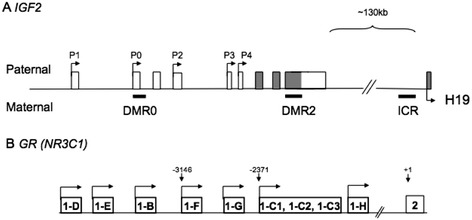
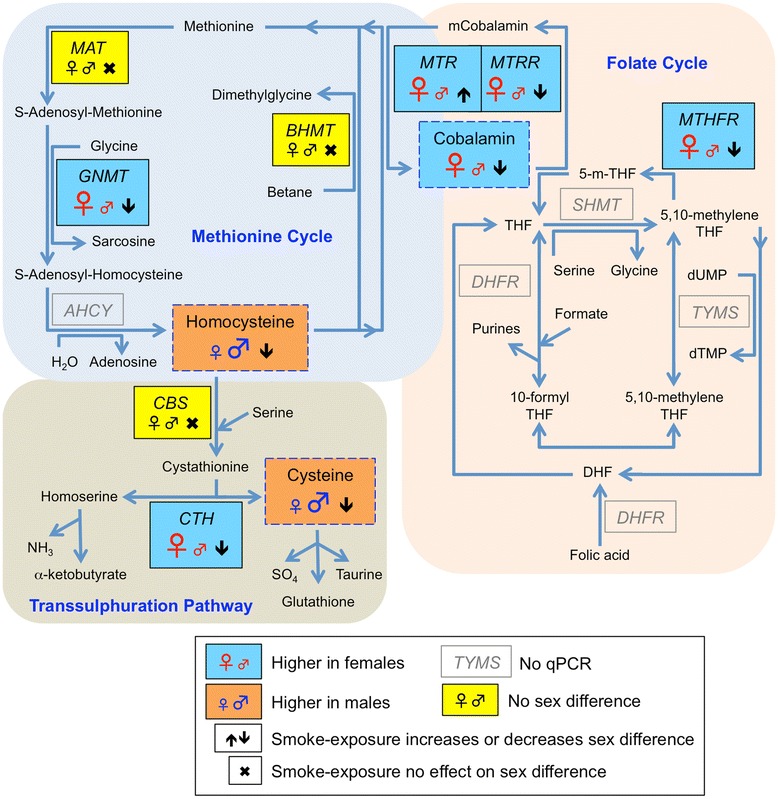
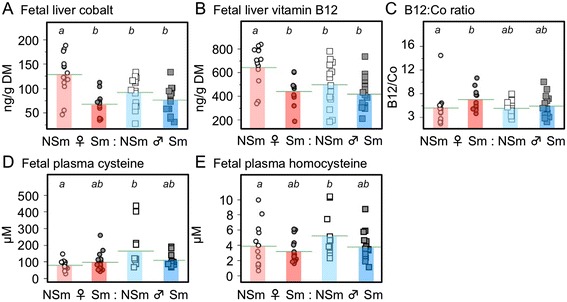
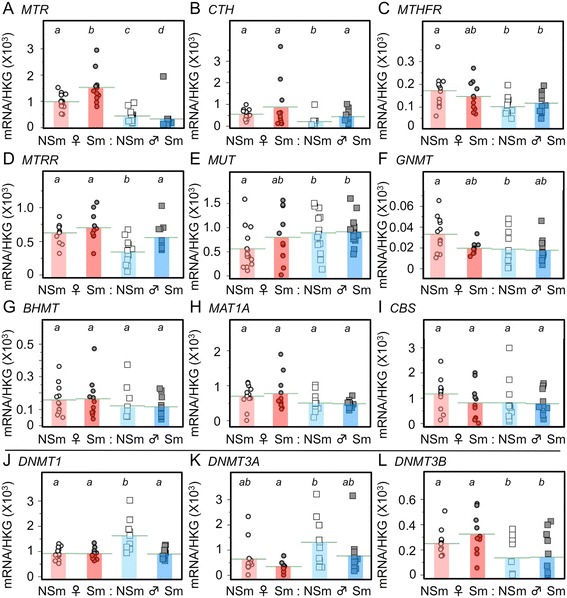
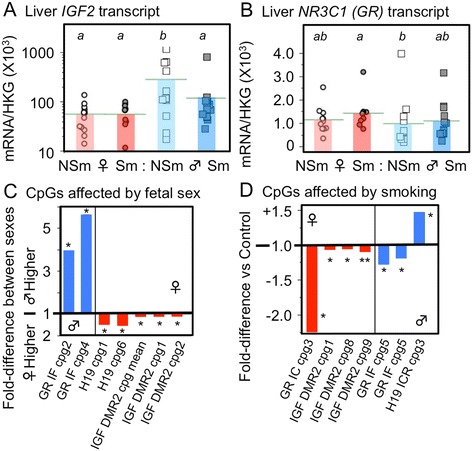
In addition to identifying baseline sex differences, we found that maternal smoking was associated with sex-specific alterations of fetal liver vitamin B12, plasma homocysteine and expression of enzymes in the 1-carbon cycle in fetal liver. In the majority of the measured parameters which showed a sex difference, maternal smoking reduced the magnitude of that difference. Maternal smoking also altered DNA methylation at the imprinted gene IGF2 and the glucocorticoid receptor (GR/NR3C1).
Our unique data strengthen studies linking in utero exposures to altered DNA methylation by showing, for the first time, that such changes are present in fetal life and in a key metabolic target tissue, human fetal liver. Furthermore, these data propose a novel mechanism by which such changes are induced, namely through alterations in methyl donor availability and changes in 1-carbon metabolism.
孕妇吸烟是导致低出生体重的最重要的可改变风险因素之一,低出生体重与成年后患心脏代谢疾病的风险增加密切相关。孕妇吸烟会降低甲基供体维生素B12的水平,并与出生时DNA甲基化改变有关。DNA甲基化改变可能是疾病易感性增加的重要潜在机制;然而,在发育中的胎儿中这种改变能被诱导的程度尚不清楚。
在这项回顾性研究中,我们测量了55例来自妊娠11至21周选择性终止妊娠的人类胎儿肝脏中钴、维生素B12以及一碳循环中关键酶的mRNA转录物的浓度,并根据妊娠情况和孕妇吸烟情况进行匹配。在已知易受子宫内环境影响的关键区域测量DNA甲基化。对60例胎儿的血浆同型半胱氨酸浓度进行了分析。
除了确定基线性别差异外,我们发现孕妇吸烟与胎儿肝脏维生素B12、血浆同型半胱氨酸以及胎儿肝脏一碳循环中酶表达的性别特异性改变有关。在大多数显示出性别差异的测量参数中,孕妇吸烟减小了这种差异的幅度。孕妇吸烟还改变了印记基因IGF2和糖皮质激素受体(GR/NR3C1)的DNA甲基化。
我们独特的数据通过首次表明这种变化存在于胎儿期以及关键代谢靶组织——人类胎儿肝脏中,加强了将子宫内暴露与DNA甲基化改变联系起来的研究。此外,这些数据提出了一种诱导这种变化的新机制,即通过甲基供体可用性的改变和一碳代谢的变化。