Sims Clark R, Singh Sharda P, Mu Shengyu, Gokden Neriman, Zakaria Dala, Nguyen Trung C, Mayeux Philip R
Department of Pharmacology and Toxicology, University of Arkansas for Medical Sciences, Little RockAR, USA.
Department of Pathology, University of Arkansas for Medical Sciences, Little RockAR, USA.
Front Pharmacol. 2017 May 3;8:237. doi: 10.3389/fphar.2017.00237. eCollection 2017.
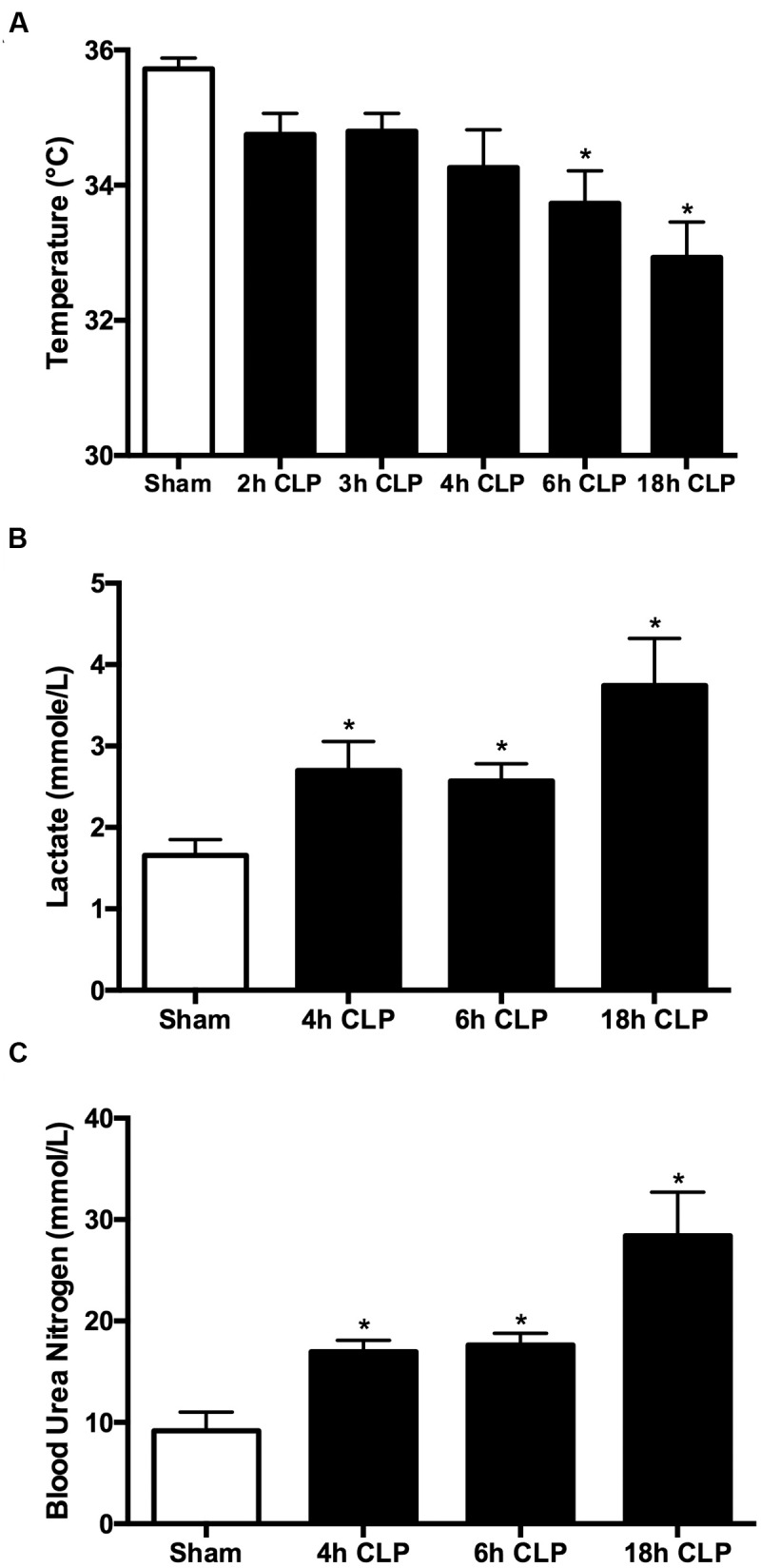
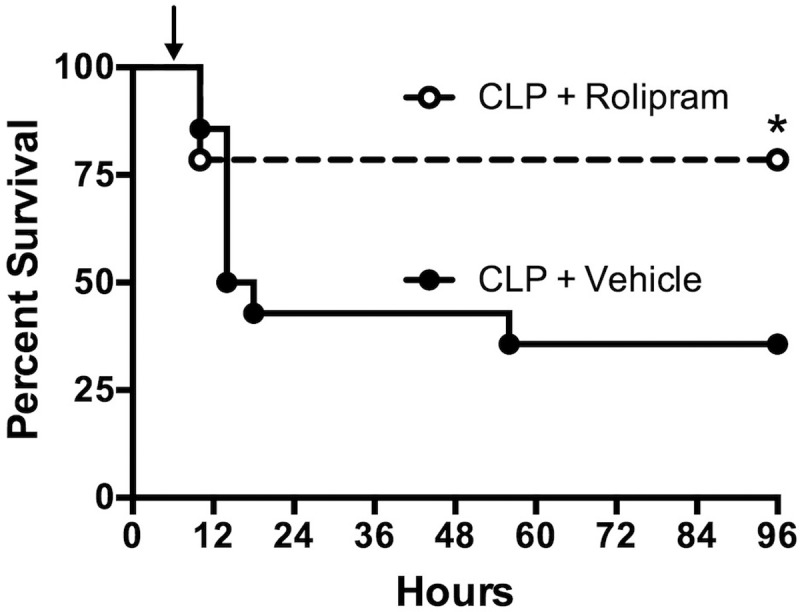
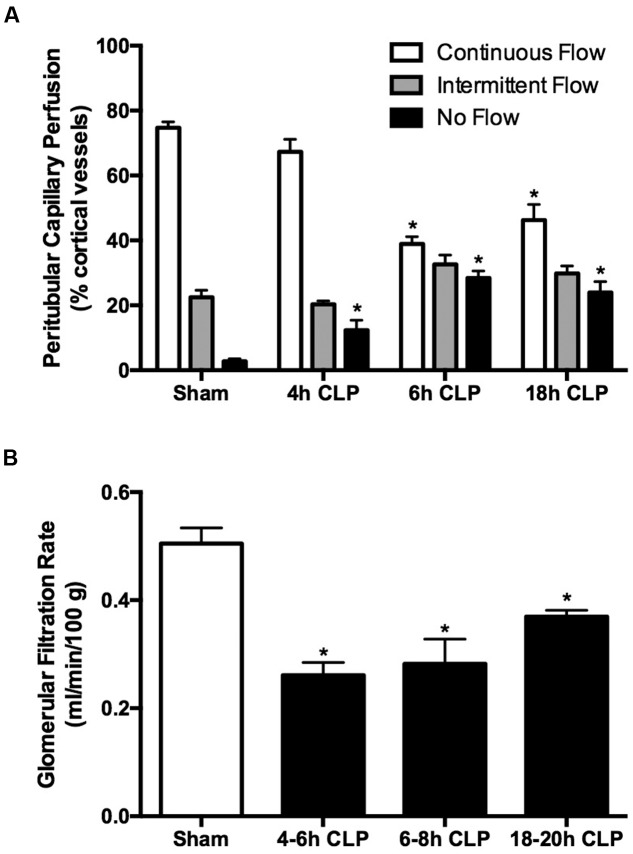
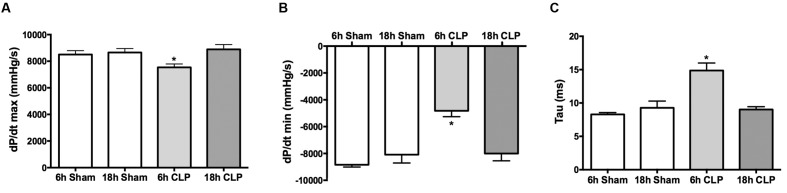
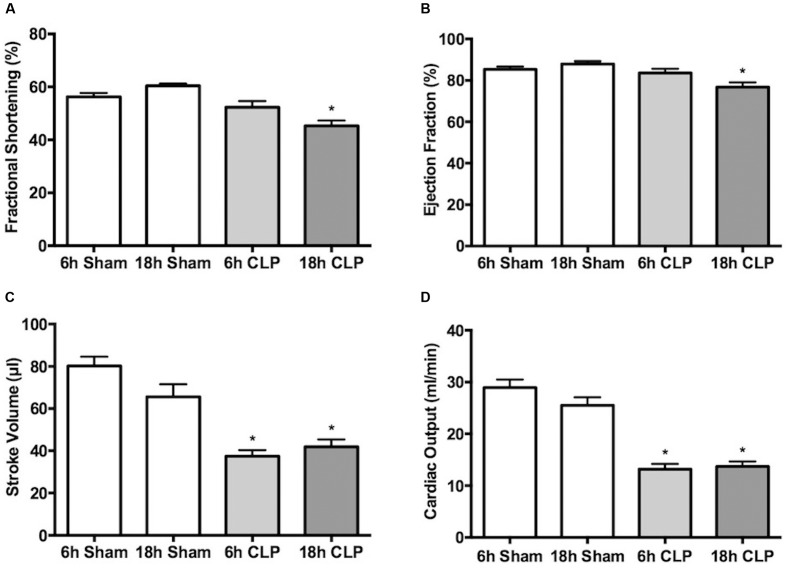
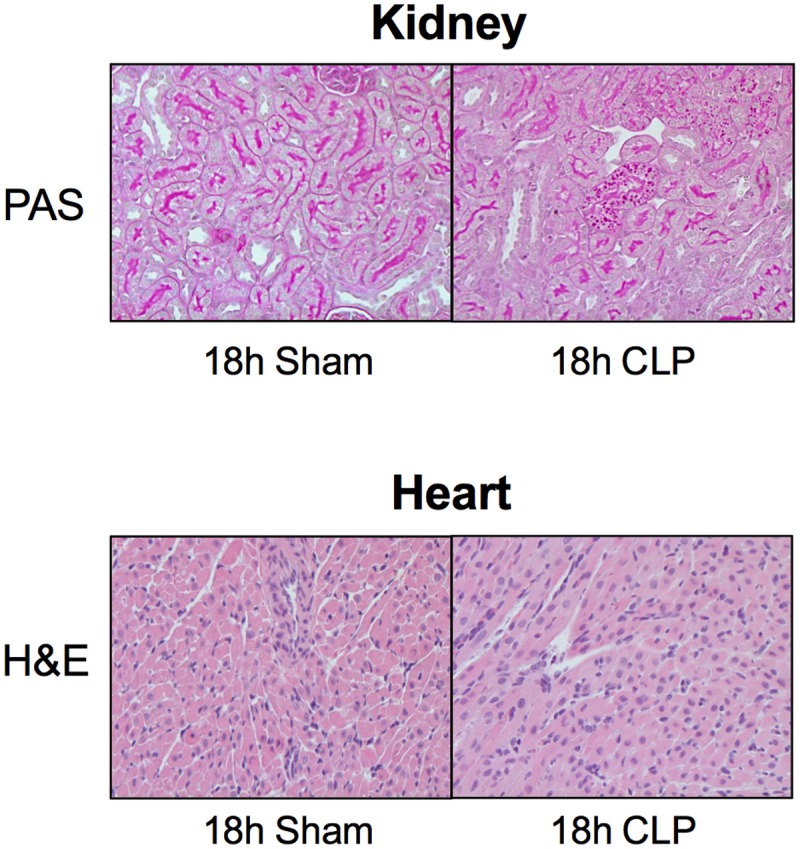
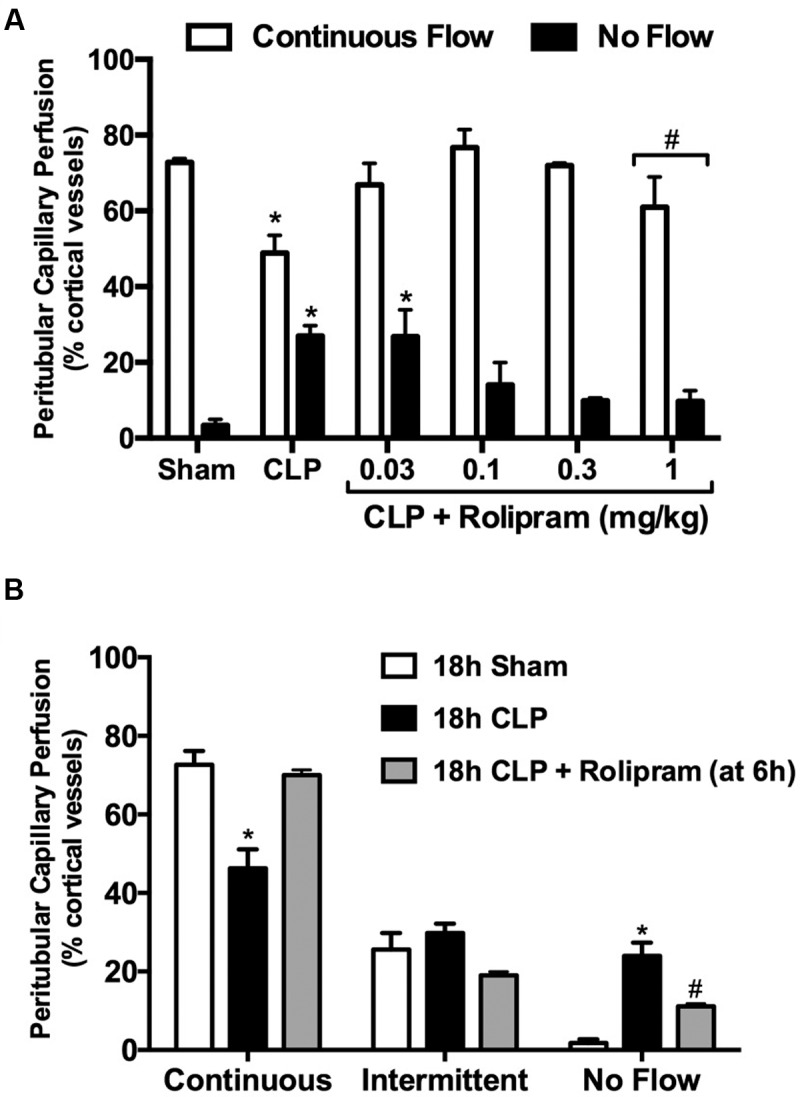
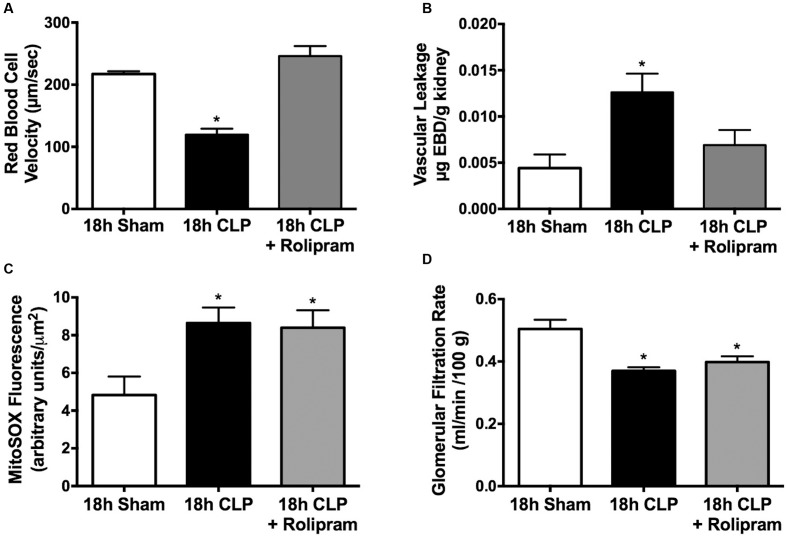
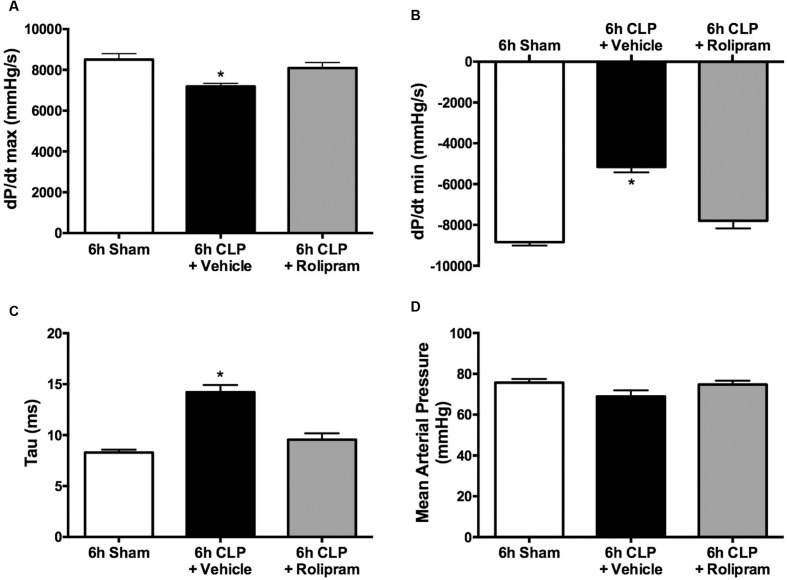
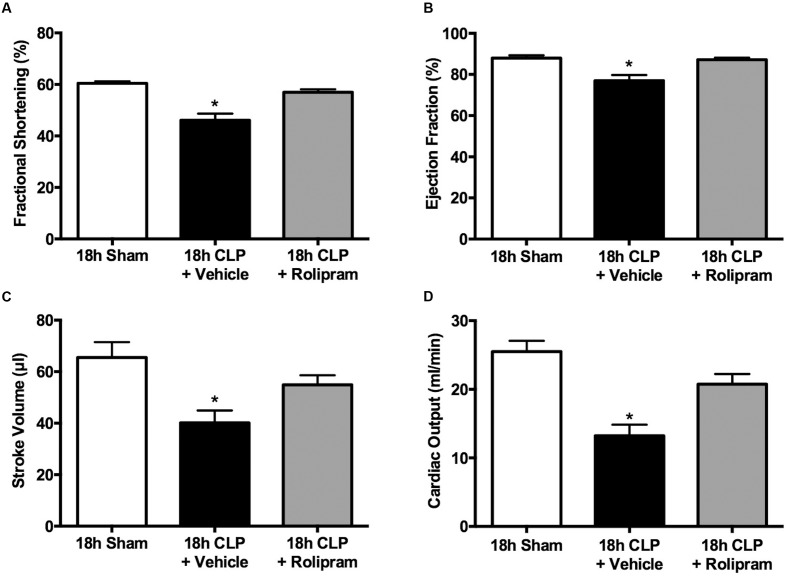
While the mortality rate associated with sepsis in children has fallen over the years, it still remains unacceptably high. The development of both acute cardiac dysfunction and acute kidney injury during severe sepsis is categorized as type 5 cardiorenal syndrome (CRS) and is poorly understood in infants. To address this lack of understanding and the need for an appropriate animal model in which to conduct relevant preclinical studies, we developed a model of infant sepsis-induced CRS in rat pups then evaluated the therapeutic potential of the phosphodiesterase (PDE) 4 inhibitor, rolipram. Rat pups at 17-18-days old were subjected to cecal ligation and puncture (CLP) to induce fecal polymicrobial sepsis. Uptake of Evans Blue dye was used to assess renal microvascular leakage. Intravital videomicroscopy was used to assess renal microvascular perfusion and oxidant generation. Glomerular filtration rate (GFR) was used to assess renal function. Left ventricular (LV) catheterization and echocardiography were used to assess cardiac function. Impairment of both cardiac and renal function developed rapidly following CLP, indicating type 5 CRS. Most notable were the rapid decline in LV diastolic function, the decline in cardiac output, renal microvascular failure, and the decline in GFR. A dose-response study with rolipram determined 0.1 mg/kg, ip as the lowest most efficacious dose to protect the renal microcirculation. Rolipram was then evaluated using a clinically relevant delayed dosing paradigm (a single dose at 6 h post-CLP). With delayed dosing, rolipram restored the renal microcirculation and reduced microvascular leakage but did not reduce oxidant generation in the kidney nor restore GFR. In contrast, delayed dosing with rolipram restored cardiac function. Rolipram also improved 4-days survival. In summary, CLP in the rat pup produces a clinically relevant pediatric model of sepsis-induced CRS. The PDE4 inhibitor rolipram was effective in improving renal microvascular function and cardiac function, which improved mortality. These findings suggest that rolipram should be evaluated further as adjunctive therapy for the septic infant with CRS.
尽管多年来儿童脓毒症的死亡率有所下降,但仍高得令人难以接受。严重脓毒症期间急性心功能不全和急性肾损伤的发生被归类为5型心肾综合征(CRS),而在婴儿中对此了解甚少。为了解决这一认识不足的问题以及满足开展相关临床前研究所需合适动物模型的需求,我们建立了幼鼠脓毒症诱导的CRS模型,然后评估了磷酸二酯酶(PDE)4抑制剂咯利普兰的治疗潜力。对17 - 18日龄的幼鼠进行盲肠结扎和穿刺(CLP)以诱导粪便多微生物脓毒症。使用伊文思蓝染料摄取来评估肾微血管渗漏。采用活体显微镜检查来评估肾微血管灌注和氧化剂生成。肾小球滤过率(GFR)用于评估肾功能。左心室(LV)插管和超声心动图用于评估心功能。CLP后心脏和肾脏功能迅速受损,表明为5型CRS。最显著的是左心室舒张功能迅速下降、心输出量下降、肾微血管功能衰竭以及GFR下降。咯利普兰的剂量反应研究确定0.1 mg/kg腹腔注射为保护肾微循环的最低有效剂量。然后使用临床相关的延迟给药方案(CLP后6小时单次给药)对咯利普兰进行评估。延迟给药时,咯利普兰恢复了肾微循环并减少了微血管渗漏,但未减少肾脏中的氧化剂生成,也未恢复GFR。相比之下,咯利普兰延迟给药恢复了心脏功能。咯利普兰还提高了4天生存率。总之,幼鼠CLP产生了一种临床相关的脓毒症诱导CRS的儿科模型。PDE4抑制剂咯利普兰在改善肾微血管功能和心脏功能方面有效,从而提高了生存率。这些发现表明,咯利普兰应作为CRS脓毒症婴儿的辅助治疗进行进一步评估。