Al-Saleem Fetweh H, Sharma Rashmi, Puligedda Rama Devudu, Elias Md, Kattala Chandana Devi, Simon Paul M, Simpson Lance L, Dessain Scott K
Lankenau Institute for Medical Research, 100 E. Lancaster Ave, Wynnewood, PA 19096, USA.
Inventox, PMB #172, 7 Avenida Vista Grande B-7, Santa Fe, NM 87508, USA.
Toxins (Basel). 2017 May 19;9(5):173. doi: 10.3390/toxins9050173.
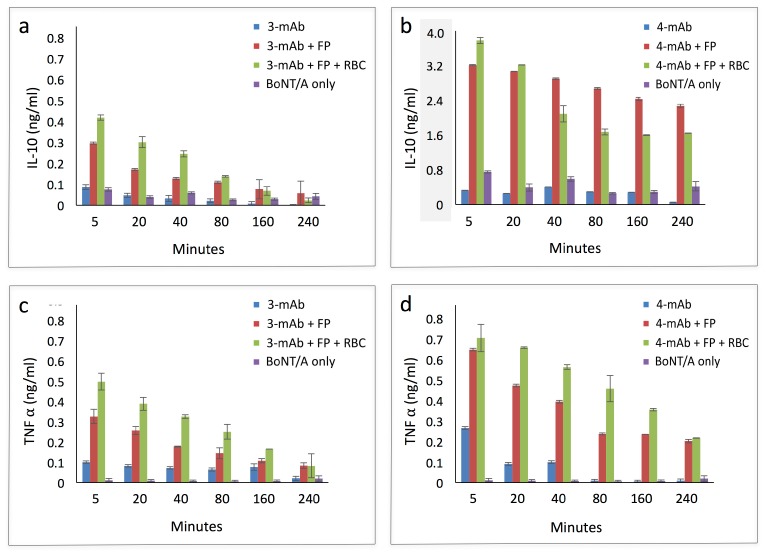
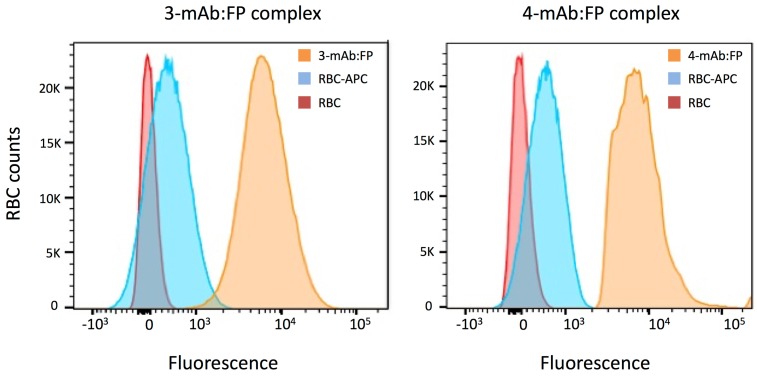
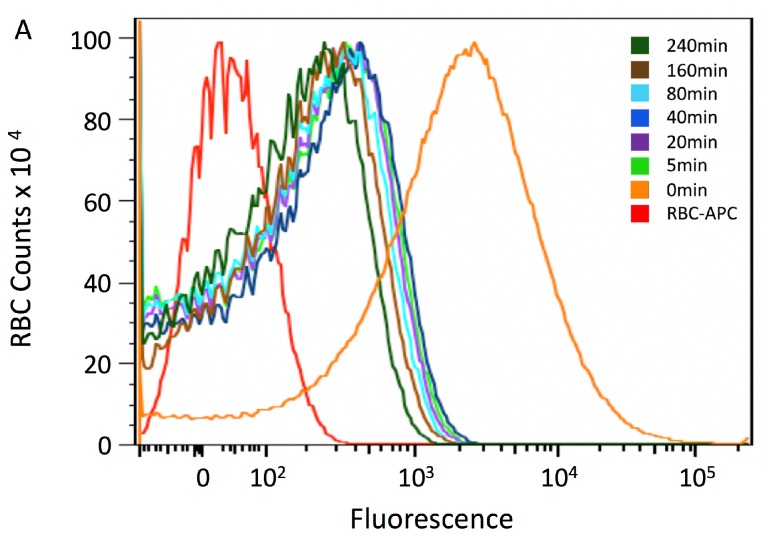
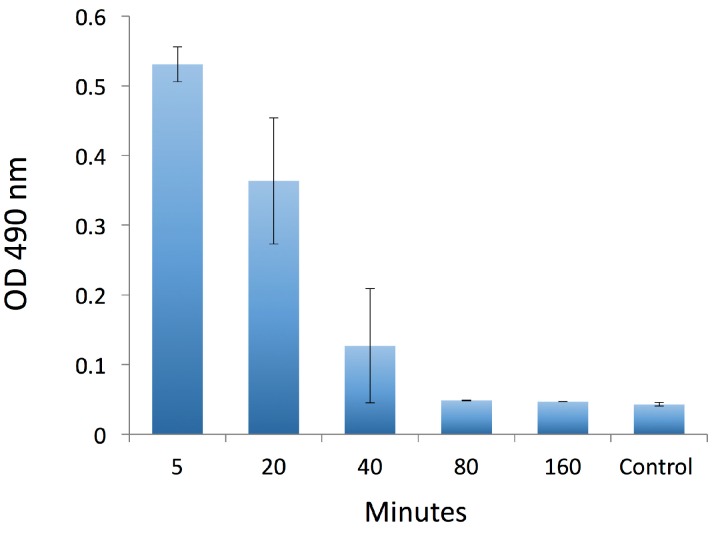
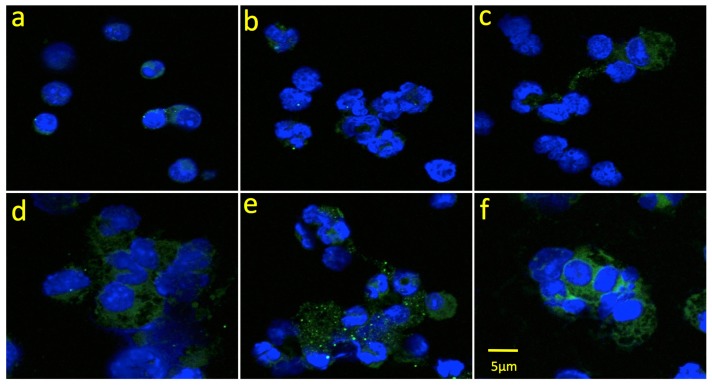
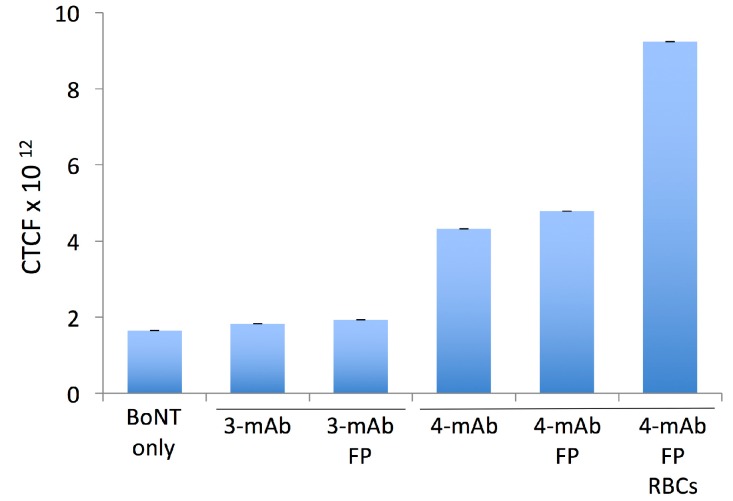
In the paralytic disease botulism, the botulinum neurotoxin (BoNT) passes through the bloodstream to reach and inactivate neuromuscular junctions. Monoclonal antibodies (mAbs) may be useful BoNT countermeasures, as mAb combinations can rapidly clear BoNT from the blood circulation. We have previously shown that the BoNT-neutralizing potency of mAbs can be improved through red blood cell (RBC) immunoadherence. For example, a fusion protein (FP) that adheres biotinylated mAbs to the RBC surface enabled a pair of mAbs to neutralize 5000 LD50 BoNT/A in the mouse protection assay. Here, we added two mAbs to that combination, creating a 4-mAb:FP complex that neutralized 40,000 LD50 BoNT/A in vivo, and analyzed functional correlates of neutralization. The FP enhanced potency of BoNT/A immune complexes, providing the greatest magnitude of benefit to the 4-mAb combination. RBC binding of a BoNT/A complexed with 4-mAb:FP exhibited a bi-phasic clearance process in vivo. Most of the complexes were cleared within five minutes; the rest were cleared gradually over many hours. Peritoneal macrophages showed better uptake of the 4-mAb complex than the 3-mAb complex, and this was not affected by the presence of the FP. However, the addition of RBCs to the 4-mAb:FP BoNT/A doubled macrophage uptake of the complexes. Lastly, the 4-mAb:FP BoNT/A complex synergistically induced M2 macrophage polarization, as indicated by IL-10 expression, whether or not RBCs were present. RBC-targeted immunoadherence through the FP is a potent enhancer of mAb-mediated BoNT/A neutralization in vivo, and can have positive effects on BoNT/A sequestration, immune complex uptake, and macrophage activation.
在麻痹性疾病肉毒中毒中,肉毒杆菌神经毒素(BoNT)通过血液循环到达神经肌肉接头并使其失活。单克隆抗体(mAb)可能是有用的BoNT对抗措施,因为mAb组合可以迅速从血液循环中清除BoNT。我们之前已经表明,通过红细胞(RBC)免疫黏附可以提高mAb的BoNT中和效力。例如,一种将生物素化mAb黏附到RBC表面的融合蛋白(FP),使得一对mAb在小鼠保护试验中能够中和5000 LD50的BoNT/A。在此,我们在该组合中添加了两种mAb,创建了一种能在体内中和40,000 LD50 BoNT/A的4-mAb:FP复合物,并分析了中和的功能相关性。FP增强了BoNT/A免疫复合物的效力,对4-mAb组合带来了最大程度的益处。与4-mAb:FP复合的BoNT/A在体内的红细胞结合呈现出双相清除过程。大多数复合物在五分钟内被清除;其余的在数小时内逐渐被清除。腹膜巨噬细胞对4-mAb复合物的摄取比3-mAb复合物更好,并且这不受FP存在的影响。然而,向4-mAb:FP BoNT/A中添加红细胞使巨噬细胞对复合物的摄取增加了一倍。最后,无论是否存在红细胞,4-mAb:FP BoNT/A复合物均通过IL-10表达协同诱导M2巨噬细胞极化。通过FP进行的红细胞靶向免疫黏附是体内mAb介导的BoNT/A中和的有效增强剂,并且对BoNT/A的隔离、免疫复合物摄取和巨噬细胞激活可产生积极影响。