Littlejohn Geoffrey, Guymer Emma
Departments of Medicine, Monash University and Rheumatology, MonashHealth, Melbourne 3168, Australia.
Biomedicines. 2017 Apr 11;5(2):15. doi: 10.3390/biomedicines5020015.
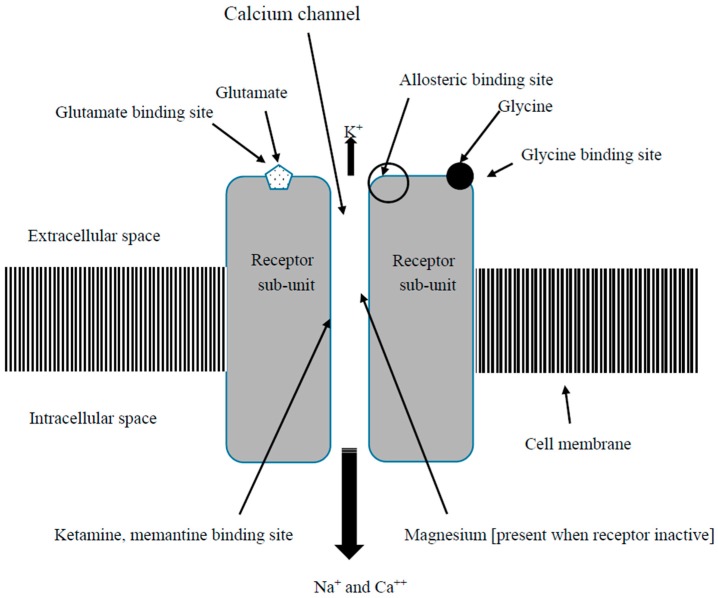
Activation of the -methyl-d-aspartate receptor (NMDAR) results in increased sensitivity of spinal cord and brain pathways that process sensory information, particularly those which relate to pain. The NMDAR shows increased activity in fibromyalgia and hence modulation of the NMDAR is a target for therapeutic intervention. A literature review of interventions impacting on the NMDAR shows a number of drugs to be active on the NMDAR mechanism in fibromyalgia patients, with variable clinical effects. Low-dose intravenous ketamine and oral memantine both show clinically useful benefit in fibromyalgia. However, consideration of side-effects, logistics and cost need to be factored into management decisions regarding use of these drugs in this clinical setting. Overall benefits with current NMDAR antagonists appear modest and there is a need for better strategy trials to clarify optimal dose schedules and to delineate potential longer-term adverse events. Further investigation of the role of the NMDAR in fibromyalgia and the effect of other molecules that modulate this receptor appear important to enhance treatment targets in fibromyalgia.
N-甲基-D-天冬氨酸受体(NMDAR)的激活会导致处理感觉信息的脊髓和脑通路的敏感性增加,尤其是与疼痛相关的通路。NMDAR在纤维肌痛中活性增加,因此调节NMDAR是治疗干预的一个靶点。对影响NMDAR的干预措施的文献综述表明,一些药物对纤维肌痛患者的NMDAR机制有活性,但临床效果各异。低剂量静脉注射氯胺酮和口服美金刚在纤维肌痛中均显示出临床有益效果。然而,在这种临床情况下,关于使用这些药物的管理决策需要考虑副作用、后勤和成本等因素。目前的NMDAR拮抗剂的总体益处似乎不大,需要进行更好的策略试验以明确最佳剂量方案并描绘潜在的长期不良事件。进一步研究NMDAR在纤维肌痛中的作用以及调节该受体的其他分子的作用,对于增强纤维肌痛的治疗靶点似乎很重要。