Lewandowska Dagmara W, Schreiber Peter W, Schuurmans Macé M, Ruehe Bettina, Zagordi Osvaldo, Bayard Cornelia, Greiner Michael, Geissberger Fabienne D, Capaul Riccarda, Zbinden Andrea, Böni Jürg, Benden Christian, Mueller Nicolas J, Trkola Alexandra, Huber Michael
Institute of Medical Virology, University of Zurich, Zurich, Switzerland.
Division of Infectious Diseases and Hospital Epidemiology, University Hospital Zurich, Zurich, Switzerland.
PLoS One. 2017 May 23;12(5):e0177340. doi: 10.1371/journal.pone.0177340. eCollection 2017.
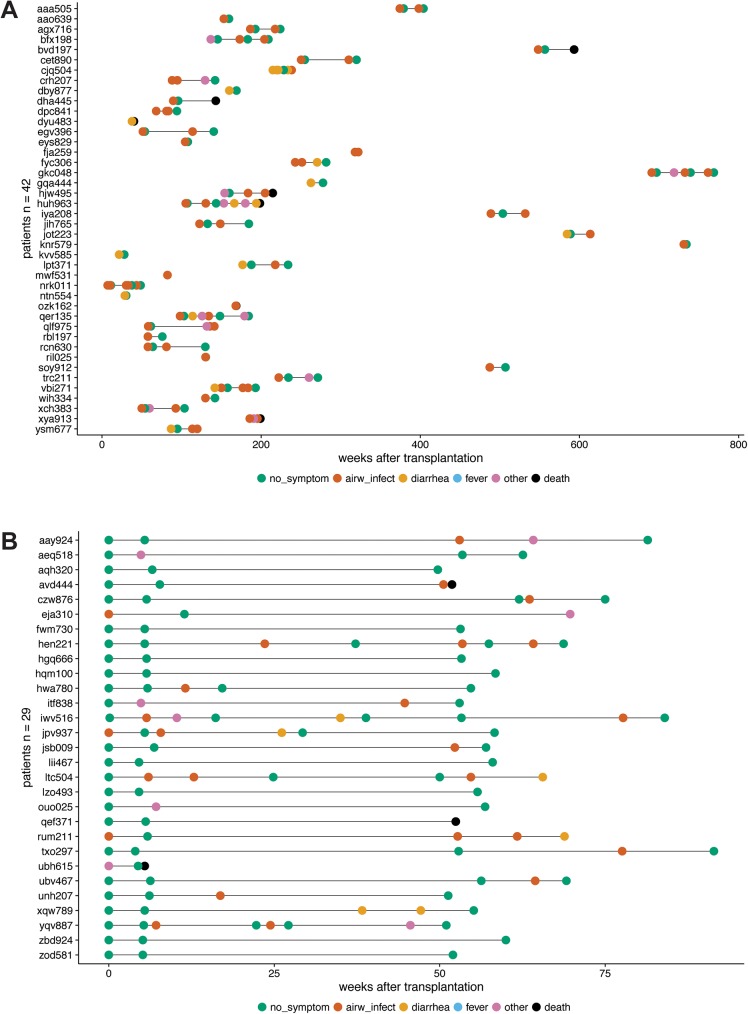
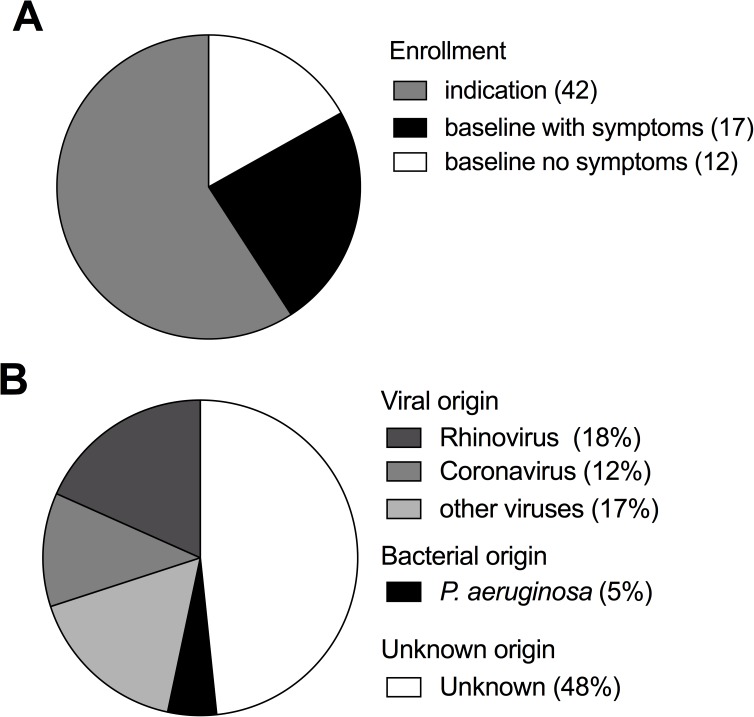
Lung transplant patients are a vulnerable group of immunosuppressed patients that are prone to frequent respiratory infections. We studied 60 episodes of respiratory symptoms in 71 lung transplant patients. Almost half of these episodes were of unknown infectious etiology despite extensive routine diagnostic testing.
We re-analyzed respiratory samples of all episodes with undetermined etiology in order to detect potential viral pathogens missed/not accounted for in routine diagnostics. Respiratory samples were enriched for viruses by filtration and nuclease digestion, whole nucleic acids extracted and randomly amplified before high throughput metagenomic virus sequencing. Viruses were identified by a bioinformatic pipeline and confirmed and quantified using specific real-time PCR.
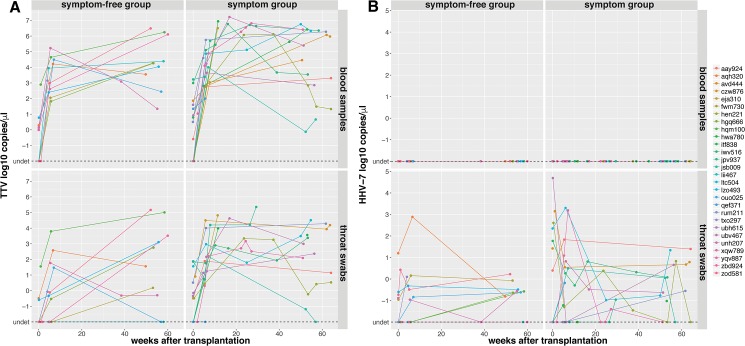
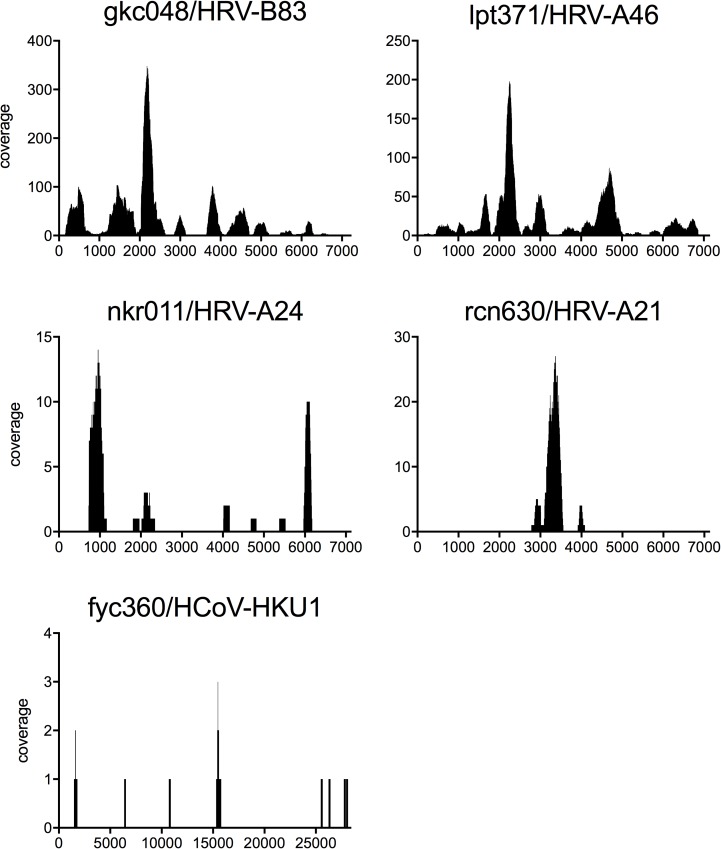
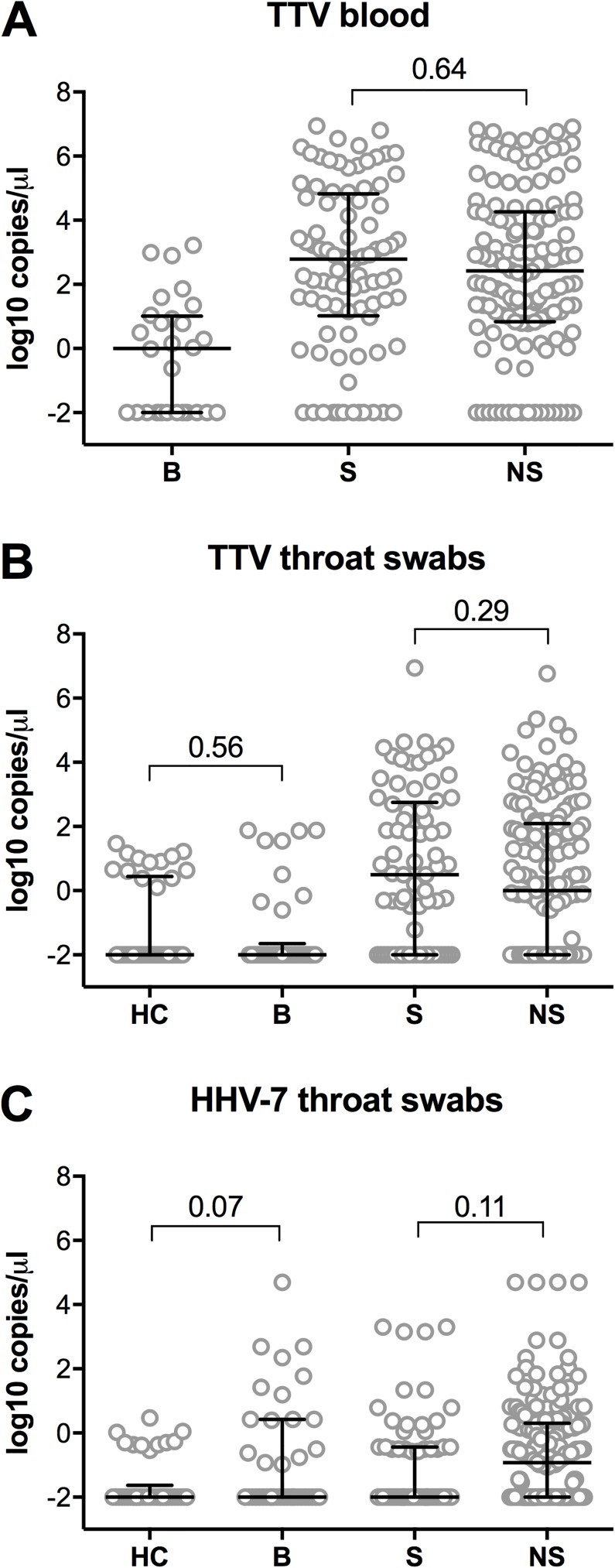
In completion of routine diagnostics, we identified and confirmed a viral etiology of infection by our metagenomic approach in four patients (three Rhinovirus A, one Rhinovirus B infection) despite initial negative results in specific multiplex PCR. Notably, the majority of samples were also positive for Torque teno virus (TTV) and Human Herpesvirus 7 (HHV-7). While TTV viral loads increased with immunosuppression in both throat swabs and blood samples, HHV-7 remained at low levels throughout the observation period and was restricted to the respiratory tract.
This study highlights the potential of metagenomic sequencing for virus diagnostics in cases with previously unknown etiology of infection and in complex diagnostic situations such as in immunocompromised hosts.
肺移植患者是免疫抑制的弱势群体,容易频繁发生呼吸道感染。我们研究了71例肺移植患者的60次呼吸道症状发作情况。尽管进行了广泛的常规诊断检测,但这些发作中几乎有一半的感染病因不明。
我们重新分析了所有病因未明发作的呼吸道样本,以检测常规诊断中遗漏/未考虑到的潜在病毒病原体。通过过滤和核酸酶消化富集呼吸道样本中的病毒,提取全核酸并在进行高通量宏基因组病毒测序之前进行随机扩增。通过生物信息学流程鉴定病毒,并使用特异性实时PCR进行确认和定量。
在完成常规诊断后,尽管最初的特异性多重PCR结果为阴性,但我们通过宏基因组方法在4例患者中鉴定并确认了病毒感染病因(3例为A型鼻病毒感染,1例为B型鼻病毒感染)。值得注意的是,大多数样本同时也检测到细小病毒B19(TTV)和人类疱疹病毒7型(HHV-7)呈阳性。在咽喉拭子和血液样本中,TTV病毒载量均随免疫抑制程度增加而升高,而HHV-7在整个观察期内均维持在低水平,且局限于呼吸道。
本研究强调了宏基因组测序在感染病因先前不明的病例以及免疫功能低下宿主等复杂诊断情况下进行病毒诊断的潜力。