Hsieh Helen V, Dantzler Jeffrey L, Weigl Bernhard H
Intellectual Ventures Laboratory/Global Good, Bellevue, 98007 WA, USA.
Diagnostics (Basel). 2017 May 28;7(2):29. doi: 10.3390/diagnostics7020029.
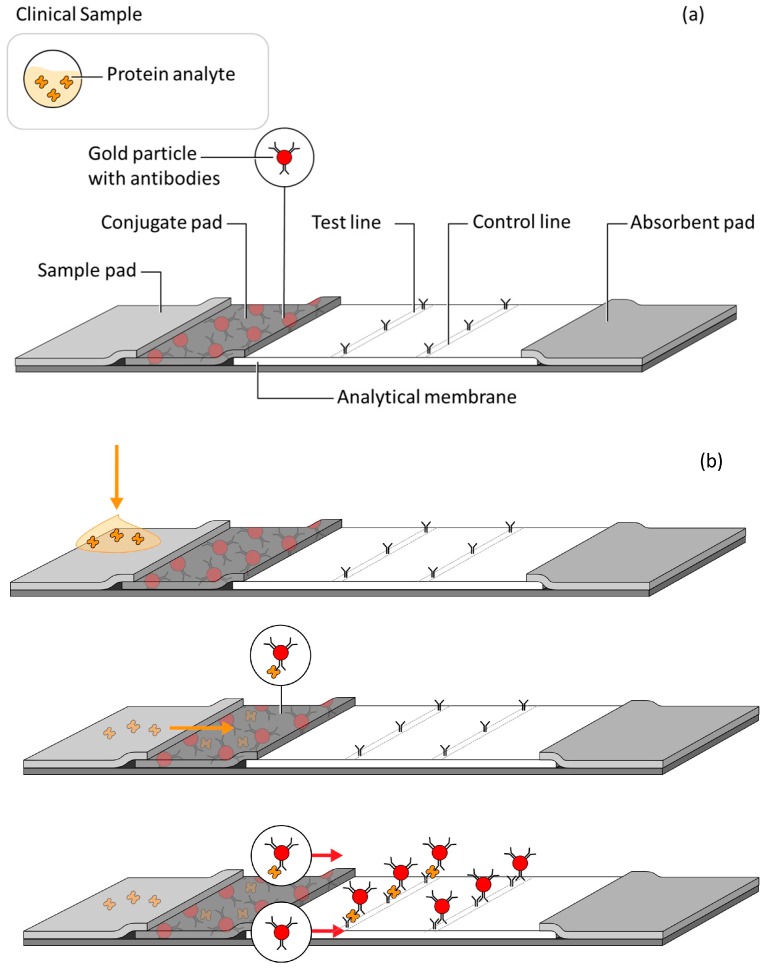
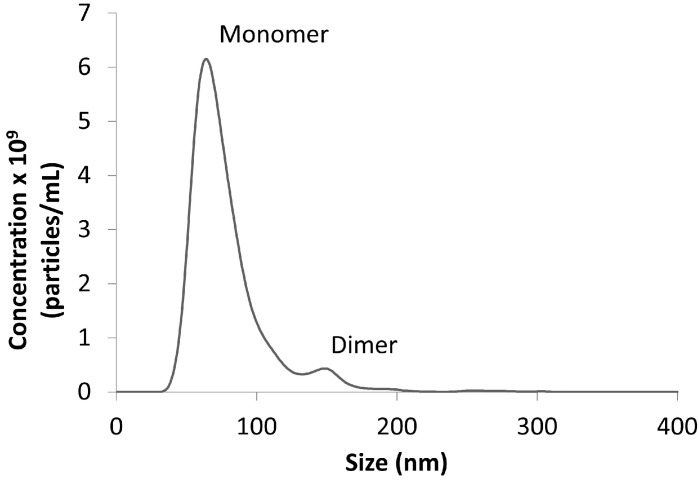
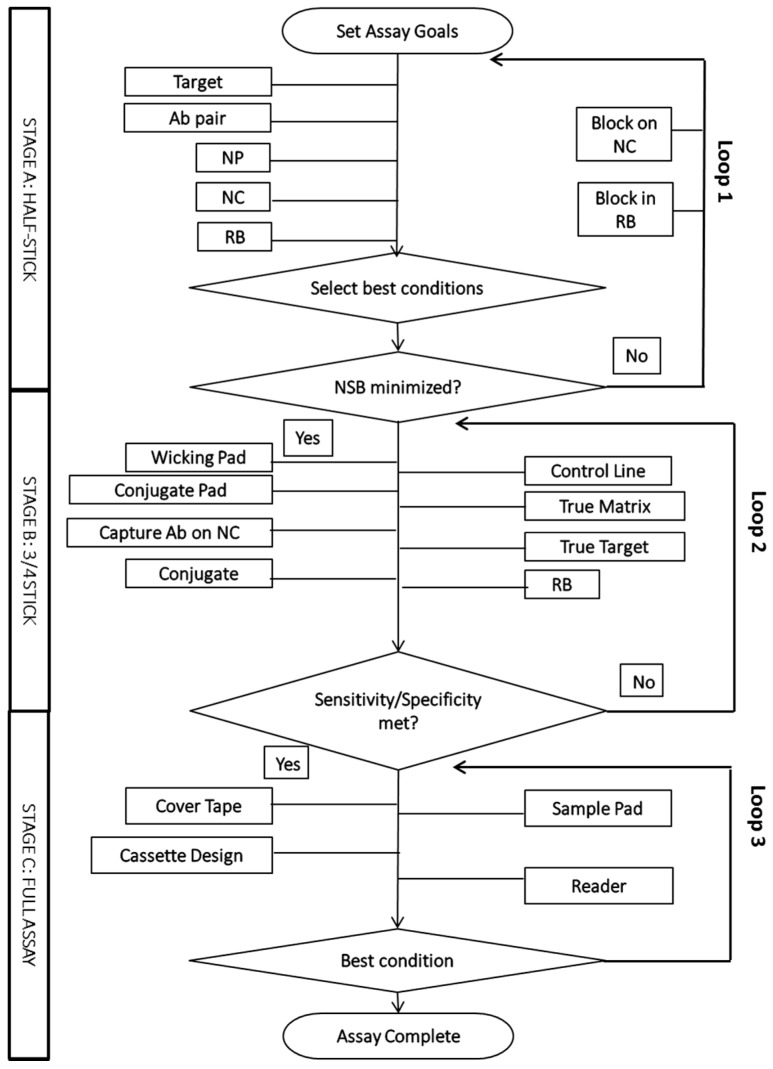
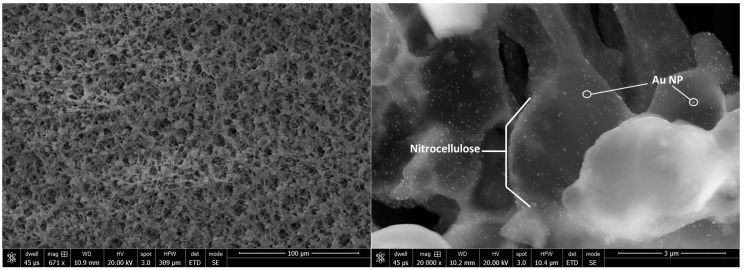
Immunochromatographic or lateral flow assays (LFAs) are inexpensive, easy to use, point-of-care medical diagnostic tests that are found in arenas ranging from a doctor's office in Manhattan to a rural medical clinic in low resource settings. The simplicity in the LFA itself belies the complex task of optimization required to make the test sensitive, rapid and easy to use. Currently, the manufacturers develop LFAs by empirical optimization of material components (e.g., analytical membranes, conjugate pads and sample pads), biological reagents (e.g., antibodies, blocking reagents and buffers) and the design of delivery geometry. In this paper, we will review conventional optimization and then focus on the latter and outline analytical tools, such as dynamic light scattering and optical biosensors, as well as methods, such as microfluidic flow design and mechanistic models. We are applying these tools to find non-obvious optima of lateral flow assays for improved sensitivity, specificity and manufacturing robustness.
免疫层析或侧向流动分析(LFA)是廉价、易于使用的即时医疗诊断测试,在从曼哈顿的医生办公室到资源匮乏地区的农村医疗诊所等各种场所都能见到。LFA本身的简单性掩盖了使其具有高灵敏度、快速且易于使用所需的复杂优化任务。目前,制造商通过对材料组件(如分析膜、结合垫和样品垫)、生物试剂(如抗体、封闭试剂和缓冲液)以及递送几何结构设计进行经验性优化来开发LFA。在本文中,我们将回顾传统优化方法,然后重点关注后者,并概述诸如动态光散射和光学生物传感器等分析工具,以及诸如微流体流动设计和机理模型等方法。我们正在应用这些工具来寻找侧向流动分析的非明显最优解,以提高灵敏度、特异性和制造稳健性。