Ellis Richard, Osborne Samantha, Whitfield Janessa, Parmar Priya, Hing Wayne
Health and Rehabilitation Research Institute, School of Clinical Studies, AUT University, Auckland, New Zealand.
School of Physiotherapy, AUT University, New Zealand.
J Man Manip Ther. 2017 May;25(2):98-105. doi: 10.1179/2042618615Y.0000000020. Epub 2016 Apr 22.
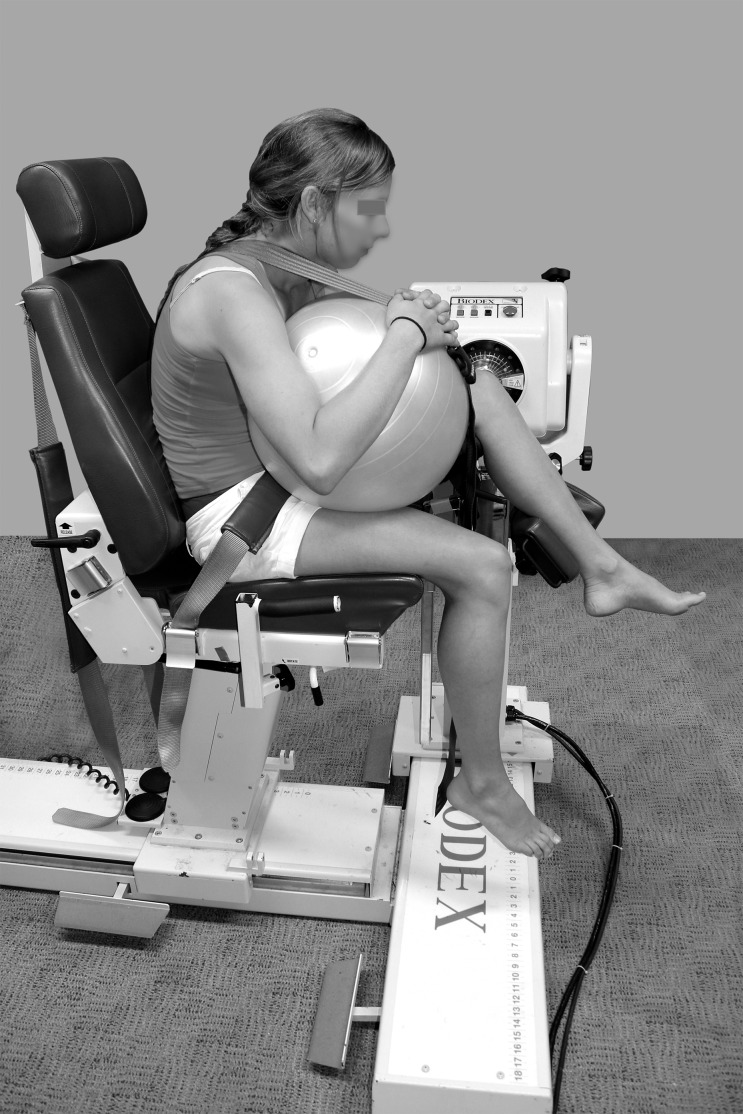
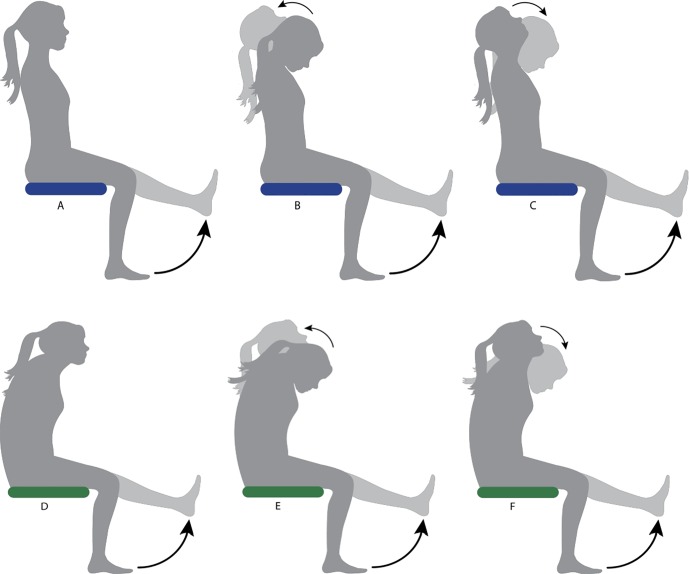
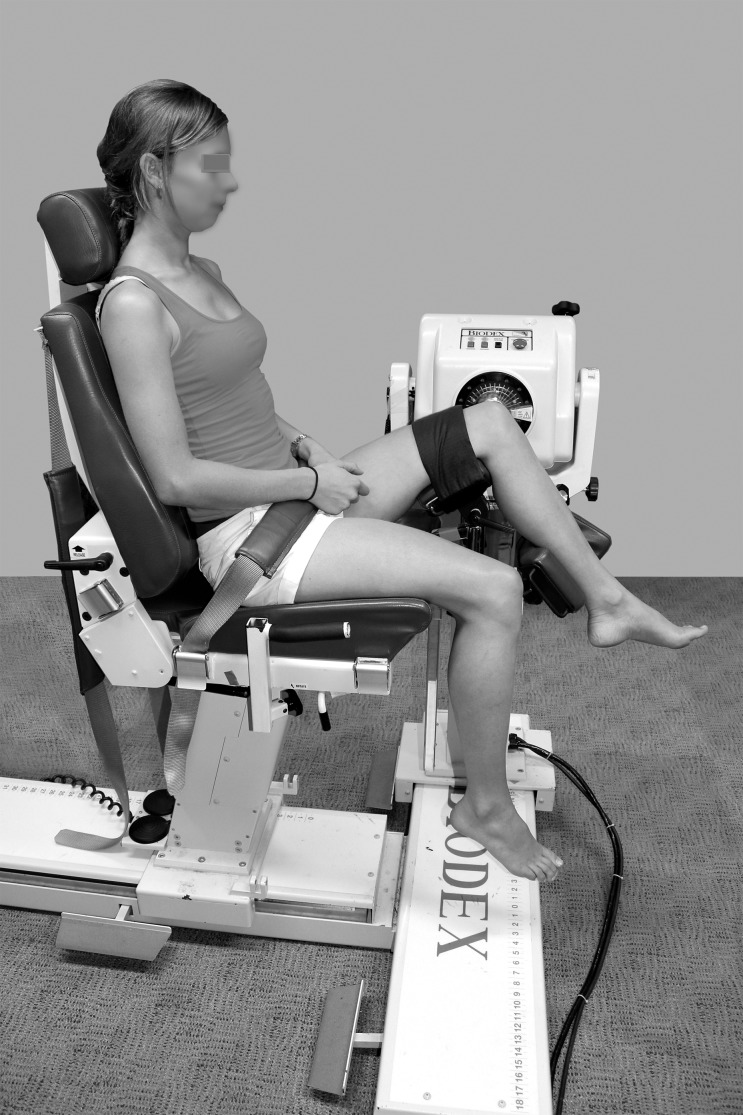
Research has established that the amount of inherent tension a peripheral nerve tract is exposed to influences nerve excursion and joint range of movement (ROM). The effect that spinal posture has on sciatic nerve excursion during neural mobilisation exercises has yet to be determined. The purpose of this research was to examine the influence of different sitting positions (slump-sitting versus upright-sitting) on the amount of longitudinal sciatic nerve movement during different neural mobilisation exercises commonly used in clinical practice.
High-resolution ultrasound imaging followed by frame-by-frame cross-correlation analysis was used to assess sciatic nerve excursion. Thirty-four healthy participants each performed three different neural mobilisation exercises in slump-sitting and upright-sitting. Means comparisons were used to examine the influence of sitting position on sciatic nerve excursion for the three mobilisation exercises. Linear regression analysis was used to determine whether any of the demographic data represented predictive variables for longitudinal sciatic nerve excursion.
There was no significant difference in sciatic nerve excursion (across all neural mobilisation exercises) observed between upright-sitting and slump-sitting positions ( = 0.26). Although greater body mass index, greater knee ROM and younger age were associated with higher levels of sciatic nerve excursion, this model of variables offered weak predictability ( = 0.22).
Following this study, there is no evidence that, in healthy people, longitudinal sciatic nerve excursion differs significantly with regards to the spinal posture (slump-sitting and upright-sitting). Furthermore, although some demographic variables are weak predictors, the high variance suggests that there are other unknown variables that may predict sciatic nerve excursion. It can be inferred from this research that clinicians can individualise the design of seated neural mobilisation exercises, using different seated positions, based upon patient comfort and minimisation of neural mechanosensitivity with the knowledge that sciatic nerve excursion will not be significantly influenced.
研究表明,外周神经束所承受的固有张力大小会影响神经移动度和关节活动范围(ROM)。脊柱姿势在神经松动练习过程中对坐骨神经移动度的影响尚未确定。本研究的目的是探讨不同坐姿( slumped - sitting,即弯腰驼背坐姿与upright - sitting,即挺直坐姿)对临床实践中常用的不同神经松动练习过程中坐骨神经纵向移动量的影响。
采用高分辨率超声成像及逐帧互相关分析来评估坐骨神经移动度。34名健康参与者分别在弯腰驼背坐姿和挺直坐姿下进行三种不同的神经松动练习。采用均值比较来检验坐姿对三种松动练习中坐骨神经移动度的影响。采用线性回归分析来确定是否有任何人口统计学数据可作为坐骨神经纵向移动度的预测变量。
在挺直坐姿和弯腰驼背坐姿之间观察到的坐骨神经移动度(在所有神经松动练习中)无显著差异( = 0.26)。尽管较高的体重指数、较大的膝关节活动范围和较年轻的年龄与较高水平的坐骨神经移动度相关,但该变量模型的预测能力较弱( = 0.22)。
根据本研究,没有证据表明在健康人群中,坐骨神经纵向移动度在脊柱姿势(弯腰驼背坐姿和挺直坐姿)方面存在显著差异。此外,尽管一些人口统计学变量是较弱的预测因素,但高方差表明存在其他未知变量可能预测坐骨神经移动度。从本研究可以推断,临床医生可以根据患者的舒适度以及将神经机械敏感性降至最低的原则,采用不同的坐姿来个性化设计坐姿神经松动练习,因为坐骨神经移动度不会受到显著影响。