Wang Daqing, Li Yi, Feng Qiru, Guo Qingchun, Zhou Jingfeng, Luo Minmin
School of Life Sciences, Tsinghua University, Beijing, China.
National Institute of Biological Sciences, Beijing, China.
Elife. 2017 May 31;6:e23045. doi: 10.7554/eLife.23045.
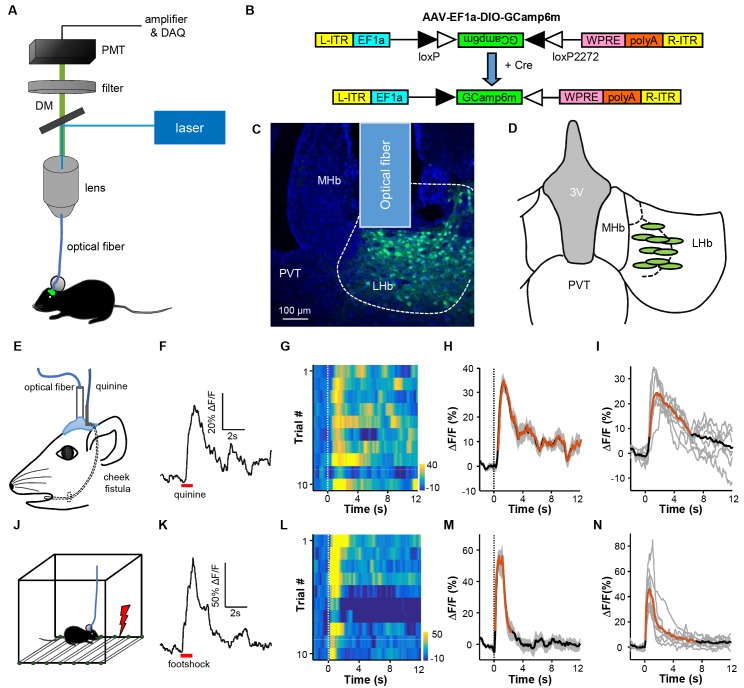
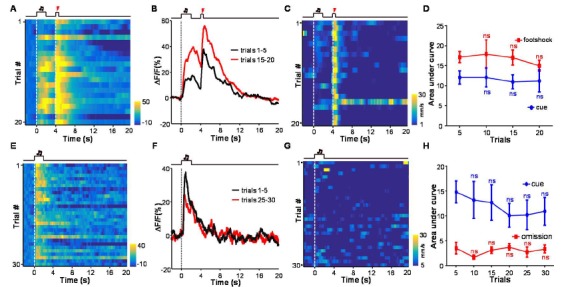
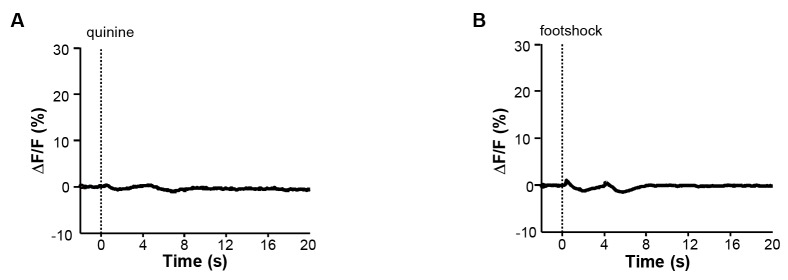
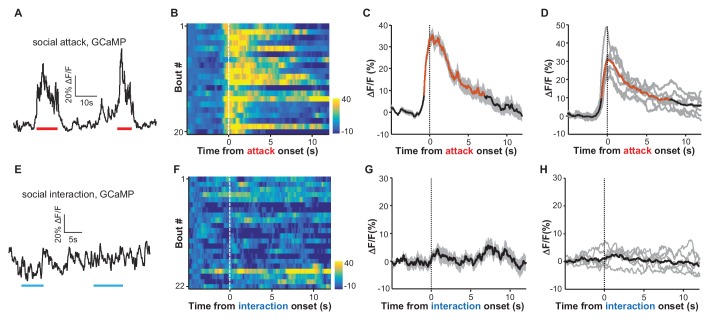
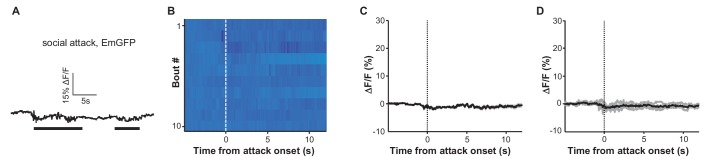
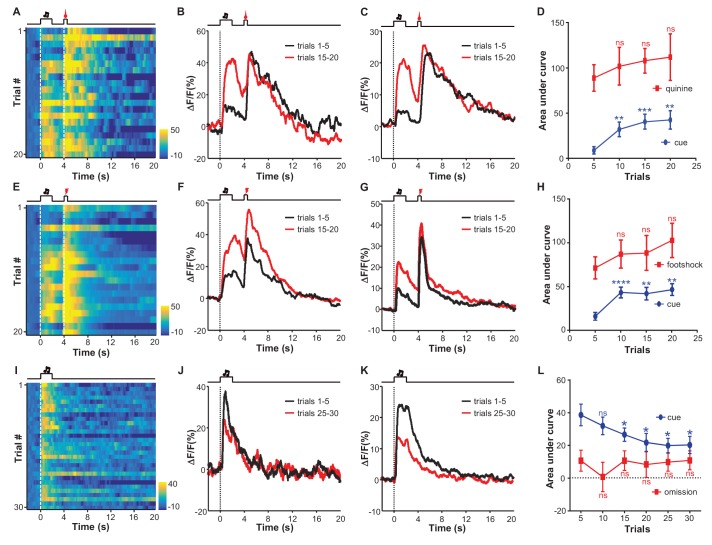
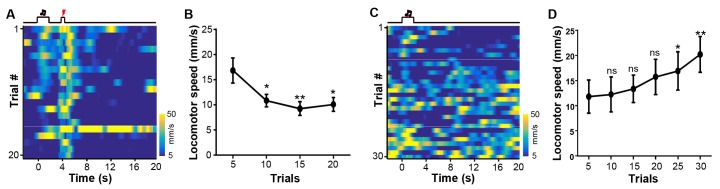
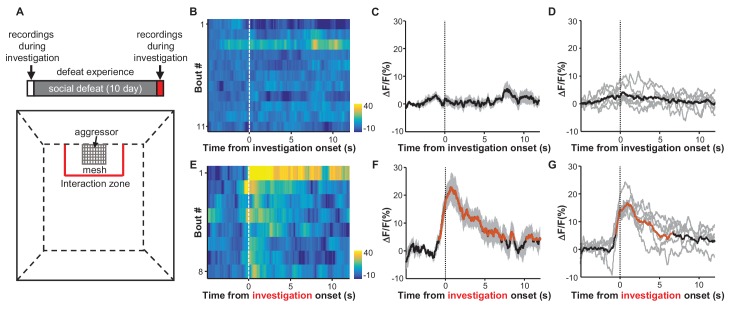
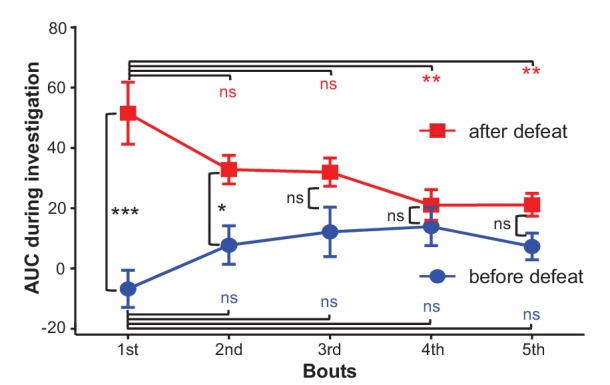
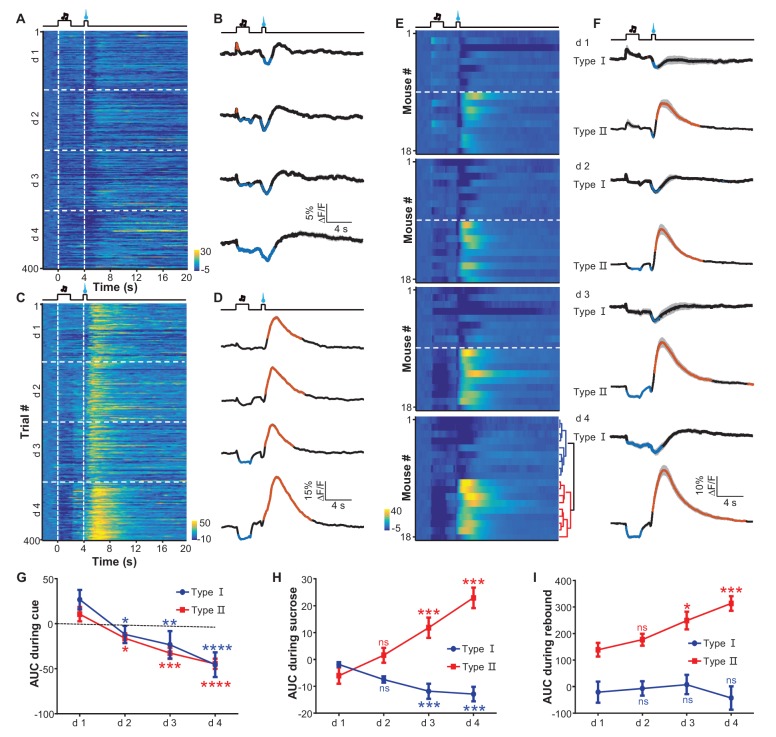
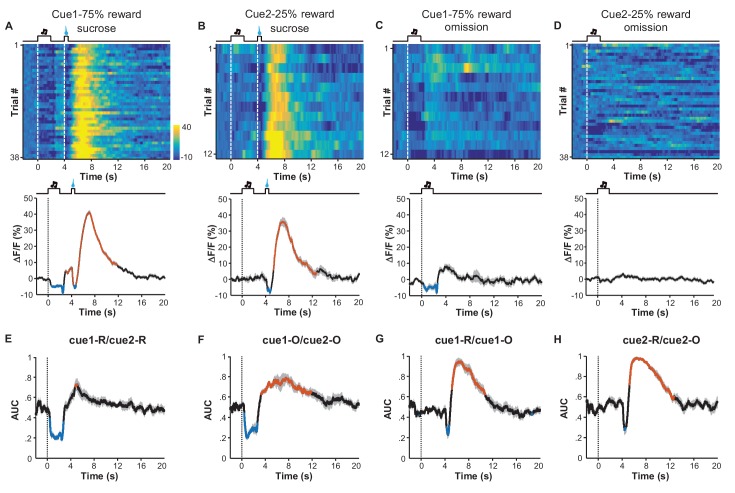
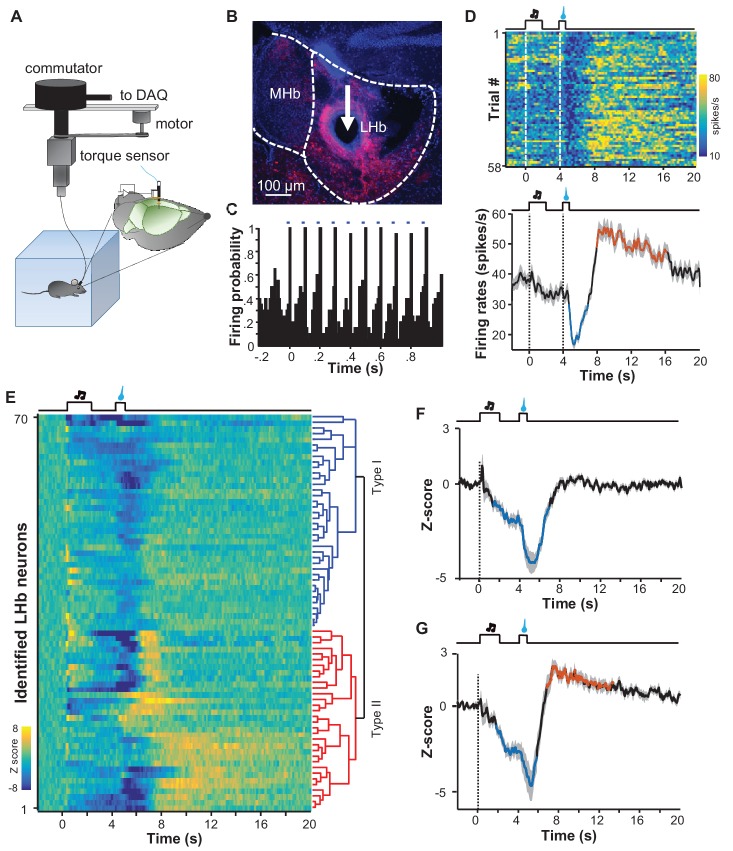
The lateral habenula (LHb) is believed to encode negative motivational values. It remains unknown how LHb neurons respond to various stressors and how learning shapes their responses. Here, we used fiber-photometry and electrophysiology to track LHb neuronal activity in freely-behaving mice. Bitterness, pain, and social attack by aggressors intensively excite LHb neurons. Aversive Pavlovian conditioning induced activation by the aversion-predicting cue in a few trials. The experience of social defeat also conditioned excitatory responses to previously neutral social stimuli. In contrast, fiber photometry and single-unit recordings revealed that sucrose reward inhibited LHb neurons and often produced excitatory rebound. It required prolonged conditioning and high reward probability to induce inhibition by reward-predicting cues. Therefore, LHb neurons can bidirectionally process a diverse array of aversive and reward signals. Importantly, their responses are dynamically shaped by learning, suggesting that the LHb participates in experience-dependent selection of behavioral responses to stressors and rewards.
外侧缰核(LHb)被认为编码负性动机值。目前尚不清楚LHb神经元如何对各种应激源做出反应,以及学习如何塑造它们的反应。在这里,我们使用光纤光度法和电生理学来追踪自由行为小鼠的LHb神经元活动。苦味、疼痛和攻击者的社会攻击会强烈激发LHb神经元。厌恶的巴甫洛夫条件反射在几次试验中由厌恶预测线索诱导激活。社会挫败的经历也会使对先前中性社会刺激的兴奋性反应形成条件反射。相比之下,光纤光度法和单单元记录显示,蔗糖奖励会抑制LHb神经元,并经常产生兴奋性反弹。需要长时间的条件反射和高奖励概率才能通过奖励预测线索诱导抑制。因此,LHb神经元可以双向处理各种厌恶和奖励信号。重要的是,它们的反应由学习动态塑造,这表明LHb参与对应激源和奖励的行为反应的经验依赖性选择。