Bhat Purnima, Leggatt Graham, Waterhouse Nigel, Frazer Ian H
The University of Queensland Diamantina Institute, Translational Research Institute, 37 Kent Street, Woolloongabba, QLD 4102, Australia.
Medical School, John Curtin School of Medical Research, Garran Rd, Australian National University, Canberra, ACT 2601, Australia.
Cell Death Dis. 2017 Jun 1;8(6):e2836. doi: 10.1038/cddis.2017.67.
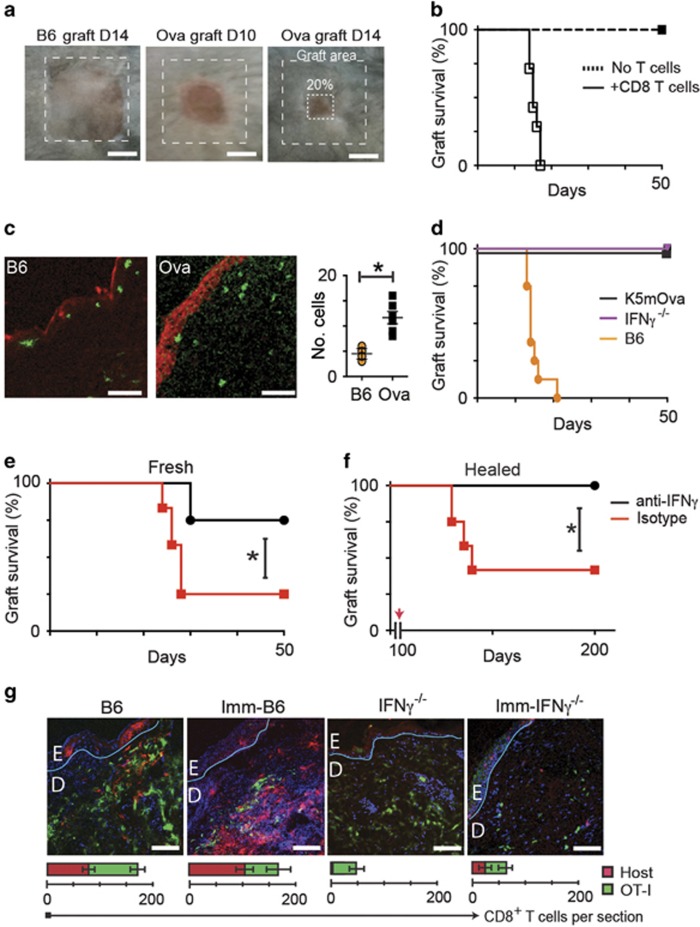
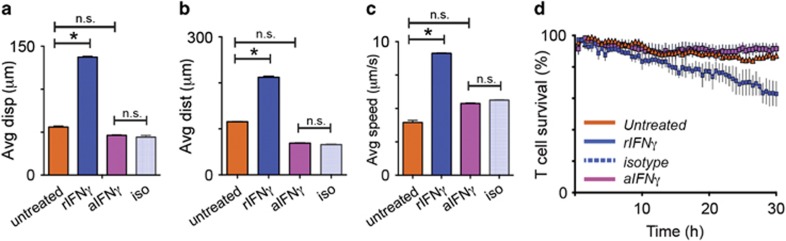
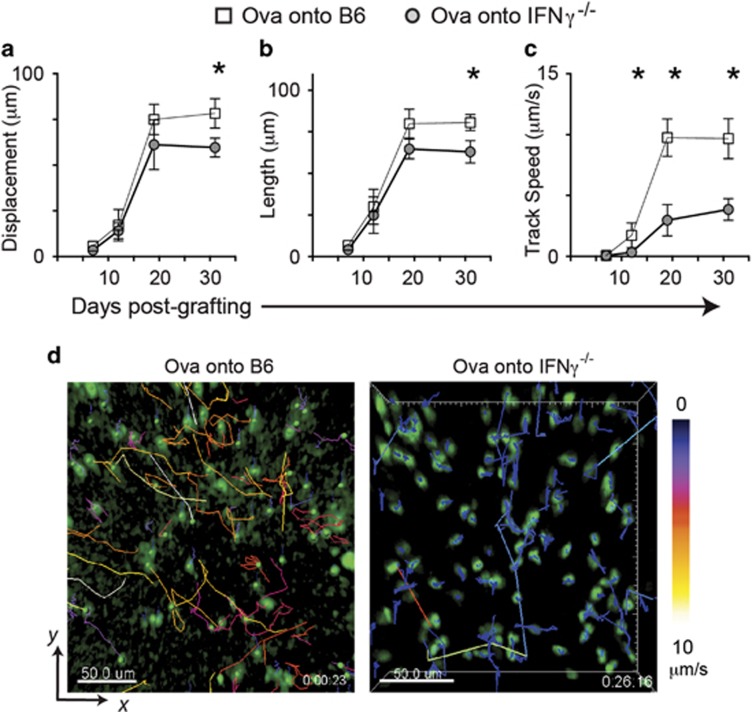
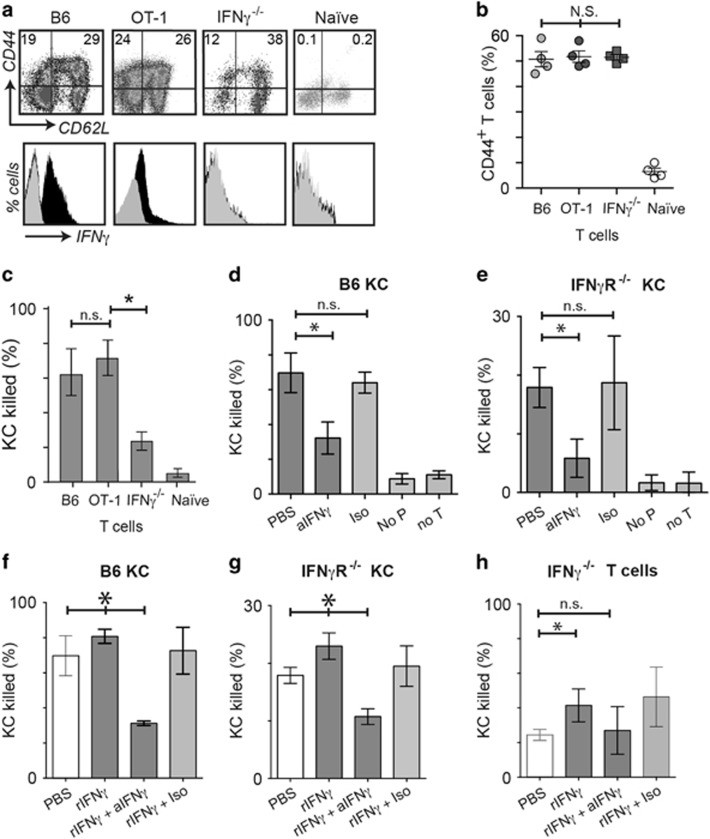
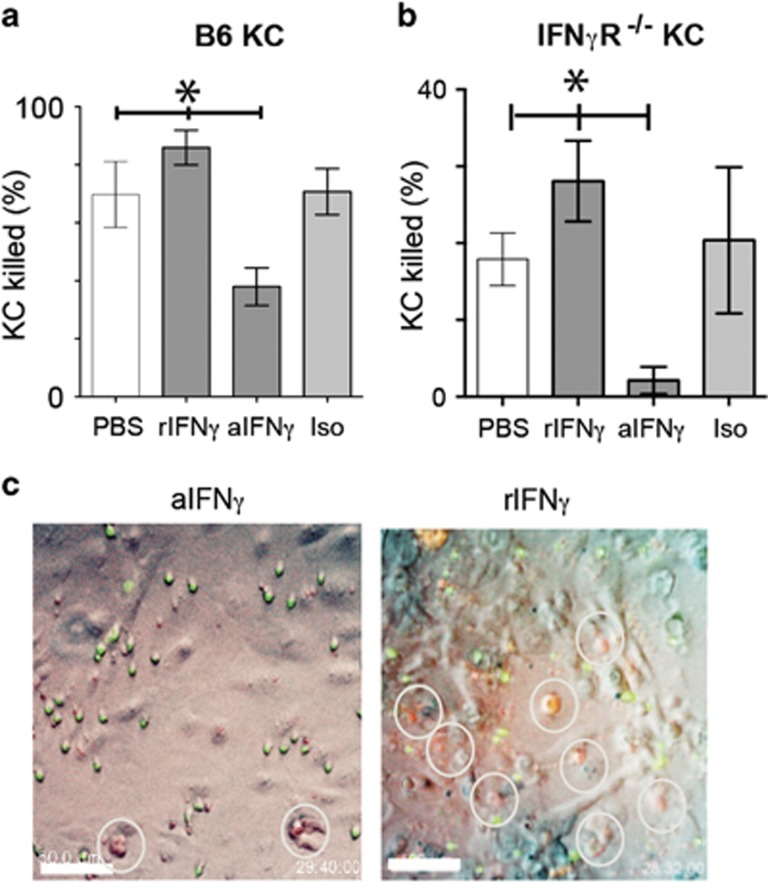
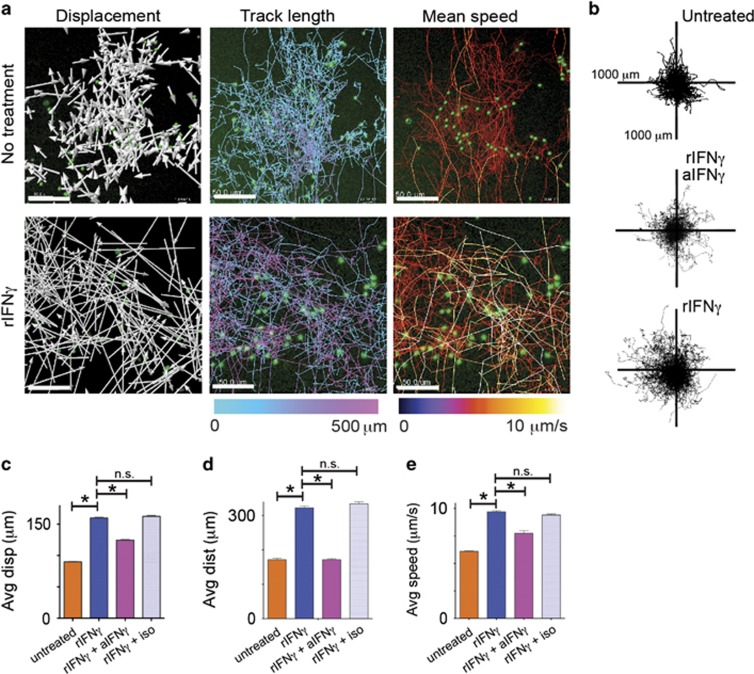
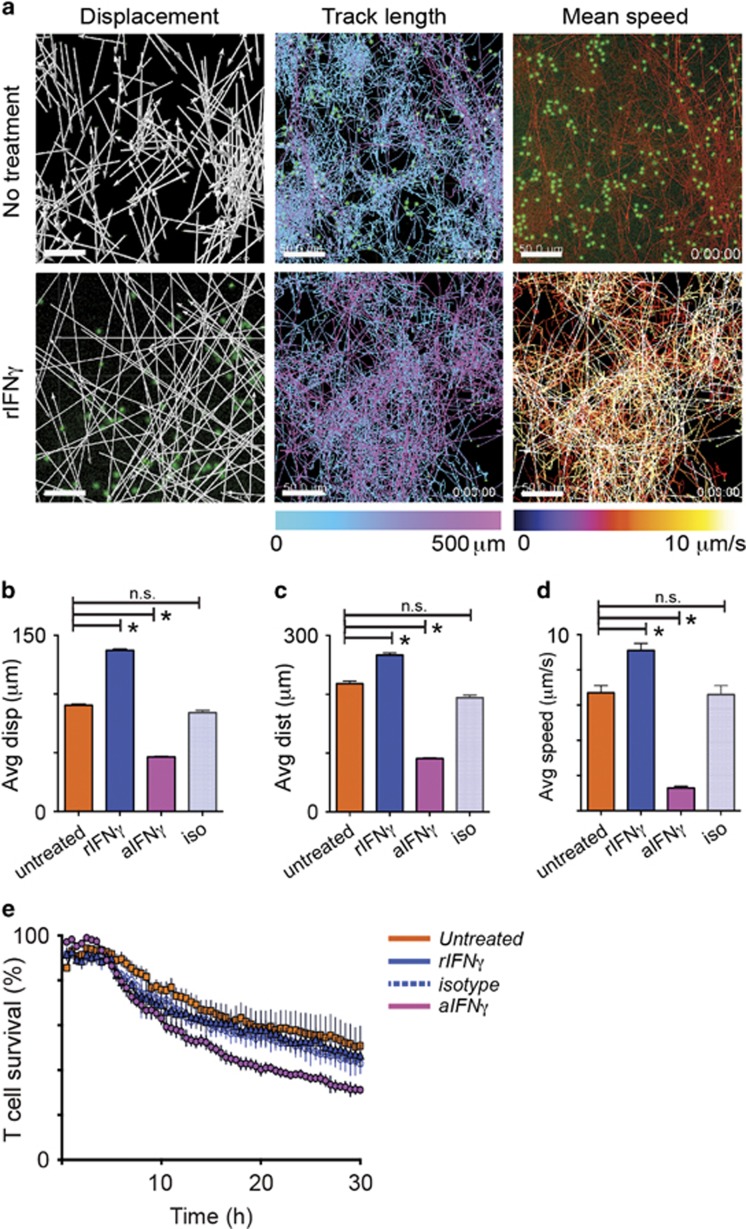
Interferon gamma (IFNγ) is a key moderator of cell-mediated immunity with diverse, mainly pro-inflammatory actions on immunocytes and target tissue. Recent studies have shown it may enhance anti-tumor and antiviral effects of CD8 T cells. Here we investigate the mechanisms by which IFNγ mediates CD8 T-cell cytotoxic function. We show that in vivo, antigen-specific CD8 T cells that produce INFγ are necessary to effect rejection of skin grafts expressing OVA as a transgene in keratinocytes. The ability of CD8 T cells to produce IFNγ enhanced their ability to migrate to the site of antigen-presenting skin cells. By in vivo imaging, we show that CTL motility, particularly speed, during graft rejection was enhanced by locally available IFNγ. We then used a reductionist two-cell model of CTL effectors and keratinocyte targets to investigate the effects of locally available (paracrine) and CTL-producing (autocrine) IFNγ on the motility behavior and killing ability of the CTL. Using live-cell imaging by prolonged time-lapse microscopy of primary effector CD8 T cells and antigen-expressing primary keratinocyte targets, we show that CD8 T-cell cytotoxic function and motility is enhanced by locally available IFNγ. Conversely, deprivation of either autocrine or paracrine IFNγ, or blockade of IFNγ signaling to CTL markedly reduced their cytotoxic function, their kinematics, and effector cell survival. We conclude that in vitro and in vivo, autocrine production of IFNγ by CTL enhances their motility and promotes killing of primary target keratinocytes. The absolute need for local IFNγ to enable cytotoxic CD8 T-cell function is of significance for immunotherapy for chronic viral infection and for cancer.
干扰素γ(IFNγ)是细胞介导免疫的关键调节因子,对免疫细胞和靶组织具有多种主要为促炎作用。最近的研究表明,它可能增强CD8 T细胞的抗肿瘤和抗病毒作用。在此,我们研究IFNγ介导CD8 T细胞细胞毒性功能的机制。我们发现,在体内,产生INFγ的抗原特异性CD8 T细胞对于排斥在角质形成细胞中作为转基因表达OVA的皮肤移植物是必需的。CD8 T细胞产生IFNγ的能力增强了它们迁移到抗原呈递皮肤细胞部位的能力。通过体内成像,我们表明在移植物排斥过程中,局部可获得的IFNγ增强了CTL的运动性,特别是速度。然后,我们使用CTL效应细胞和角质形成细胞靶标的简化双细胞模型,研究局部可获得的(旁分泌)和CTL产生的(自分泌)IFNγ对CTL运动行为和杀伤能力的影响。通过对原代效应CD8 T细胞和表达抗原的原代角质形成细胞靶标进行长时间延时显微镜活细胞成像,我们发现局部可获得的IFNγ增强了CD8 T细胞的细胞毒性功能和运动性。相反,自分泌或旁分泌IFNγ的缺失,或对CTL的IFNγ信号传导的阻断,显著降低了它们的细胞毒性功能、运动学和效应细胞存活率。我们得出结论,在体外和体内,CTL自分泌产生IFNγ增强了它们的运动性,并促进了对原代靶角质形成细胞的杀伤。局部IFNγ对实现细胞毒性CD8 T细胞功能的绝对必要性对于慢性病毒感染和癌症的免疫治疗具有重要意义。