Singh H, Kim D, Bemben M G, Bemben D A
Department of Physical Therapy and Rehabilitation Science, University of Maryland School of Medicine, Baltimore, MD 21201.
J Musculoskelet Neuronal Interact. 2017 Jun 1;17(2):50-58.
To examine association between muscle strength, jump test performance, muscle mass, bone mineral density (BMD), and bone strength in older adults.
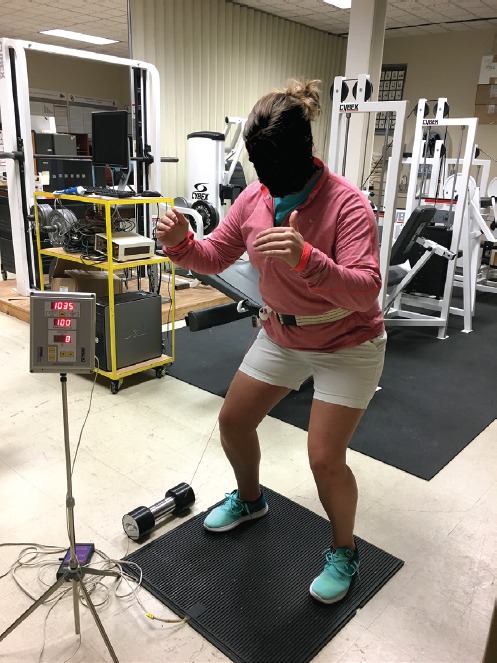
Sixty individuals (55-75 years) participated. Leg press strength and bilateral hip abduction strength were evaluated by one repetition-maximum testing. Jump power (JPow) and jump height (JHt) were assessed by jump test performance. Relative skeletal muscle mass index (RSMI), total hip BMD, femoral neck BMD, lumbar spine BMD, section modulus (Z), cross-sectional moment of inertia (CSMI), and bone strength index (BSI) were determined by DXA.
After adjusting for age and gender, leg press strength 1) positively correlated with the total hip BMD, femoral neck BMD, and Z (all P⟨0.05). Also, leg press strength predicted the total hip BMD (P=0.013) and femoral neck BMD (P=0.021), after adjusting for age, gender, and RSMI. No associations were found between jump test performance and bone density or strength.
Leg press strength is positively associated with bone density and bone strength in older population. It might serve as an additional tool to identify at-risk individuals for osteoporosis.
研究老年人肌肉力量、跳跃测试表现、肌肉质量、骨矿物质密度(BMD)和骨强度之间的关联。
60名年龄在55 - 75岁的个体参与研究。通过一次重复最大值测试评估腿举力量和双侧髋关节外展力量。通过跳跃测试表现评估跳跃功率(JPow)和跳跃高度(JHt)。通过双能X线吸收法(DXA)测定相对骨骼肌质量指数(RSMI)、全髋部骨密度、股骨颈骨密度、腰椎骨密度、截面模量(Z)、截面惯性矩(CSMI)和骨强度指数(BSI)。
在调整年龄和性别后,腿举力量1)与全髋部骨密度、股骨颈骨密度和Z呈正相关(均P⟨0.05)。此外,在调整年龄、性别和RSMI后,腿举力量可预测全髋部骨密度(P = 0.013)和股骨颈骨密度(P = 0.021)。未发现跳跃测试表现与骨密度或骨强度之间存在关联。
在老年人群中,腿举力量与骨密度和骨强度呈正相关。它可能作为识别骨质疏松症高危个体的一种额外工具。