Wu Peng-Fei, Xiao Fu, Sha Chao, Huang Hai-Ping, Wang Ru-Chuan, Xiong Nai-Xue
School of Computer Science, Nanjing University of Posts and Telecommunications, Nanjing 210003, China.
Jiangsu High Technology Research Key Laboratory for Wireless Sensor Networks, Nanjing 210003, China.
Sensors (Basel). 2017 Jun 6;17(6):1303. doi: 10.3390/s17061303.
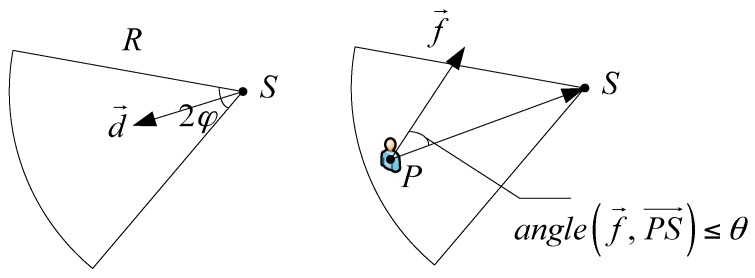
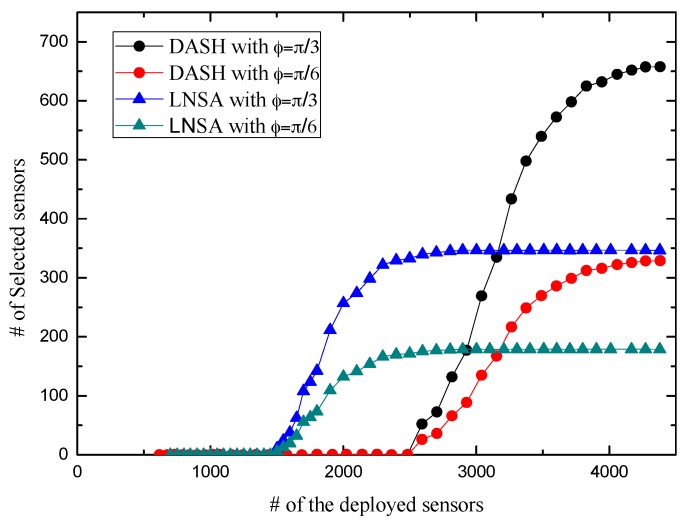
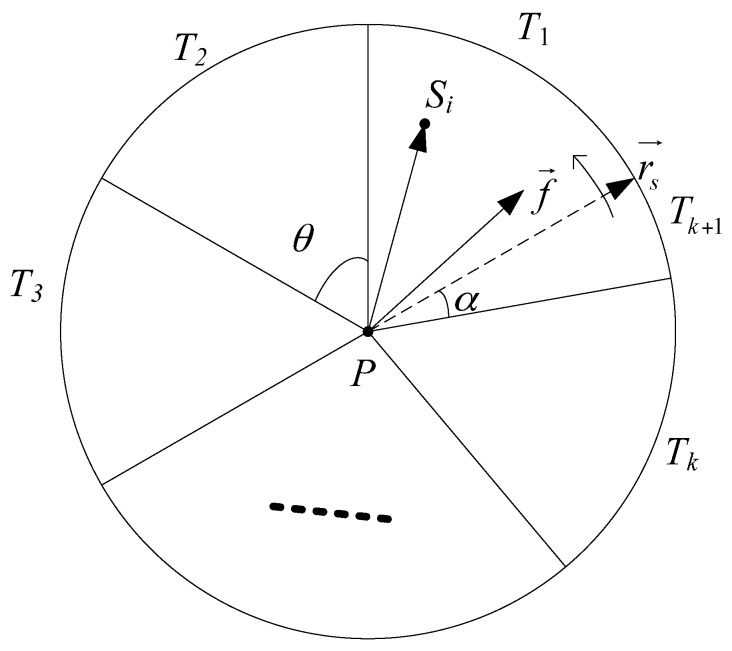
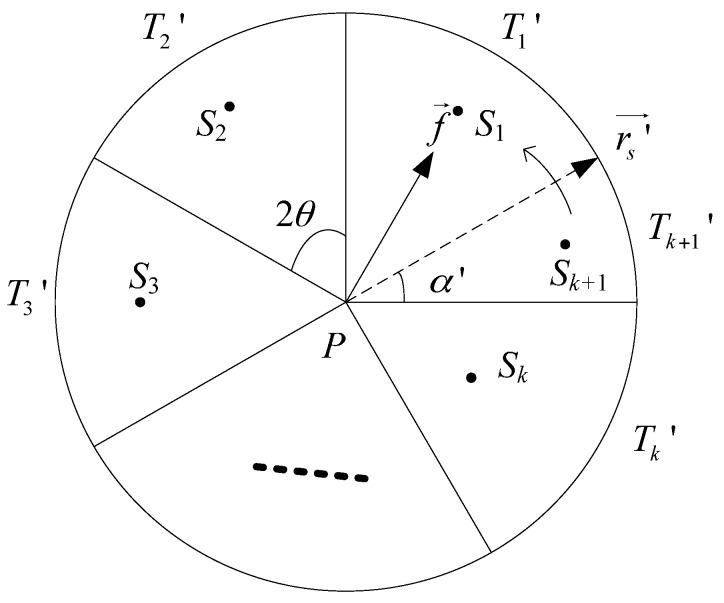
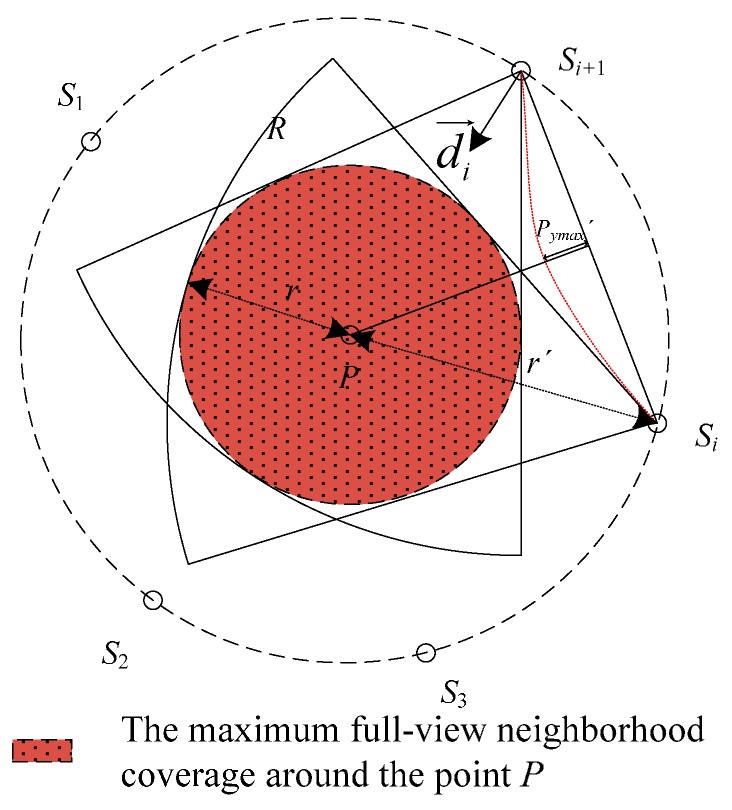
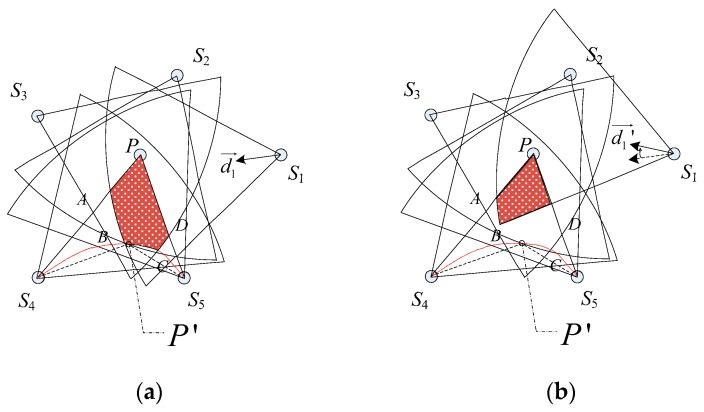
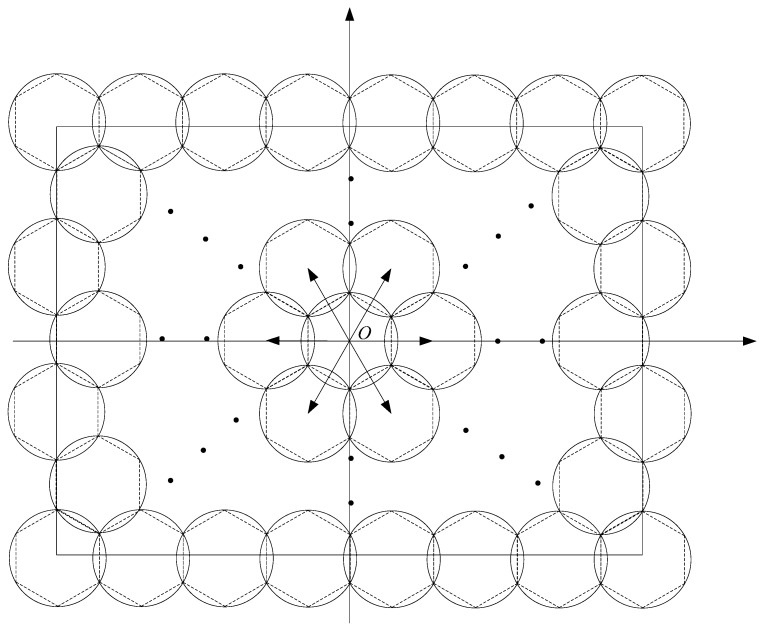
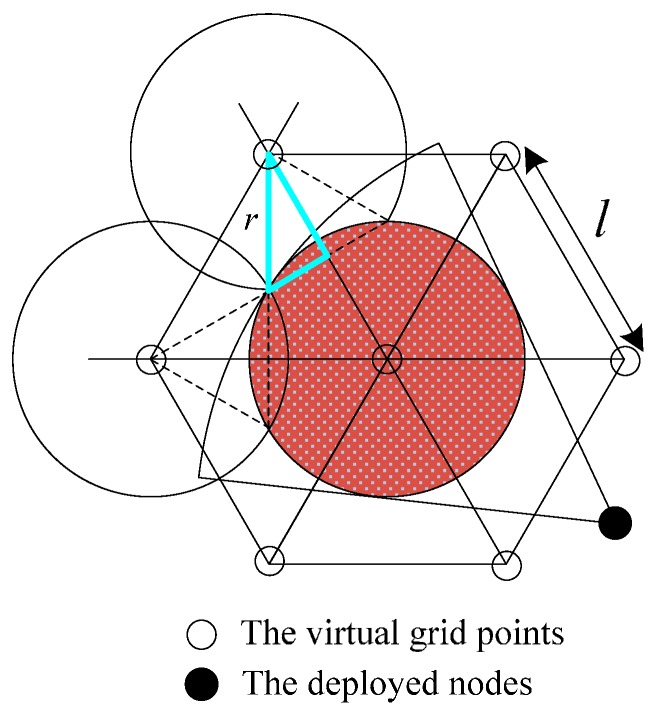
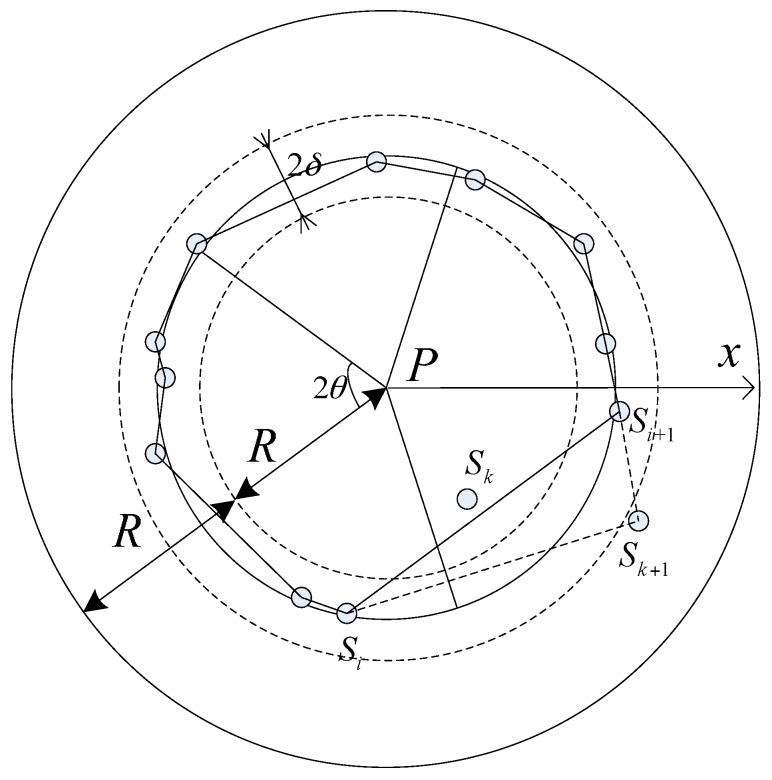
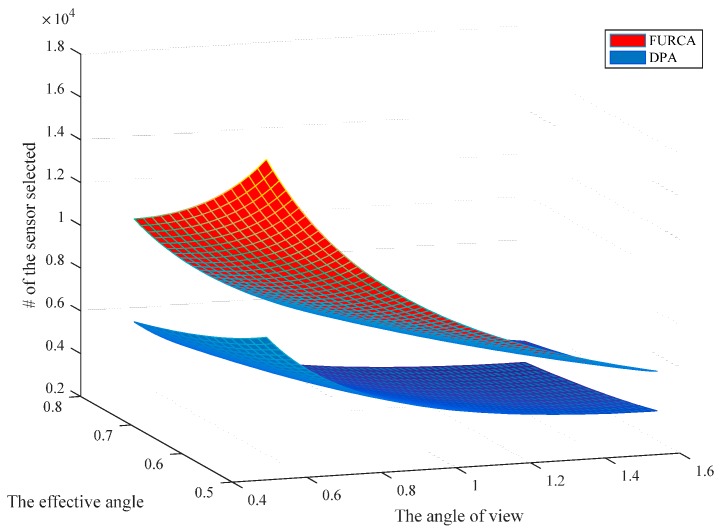
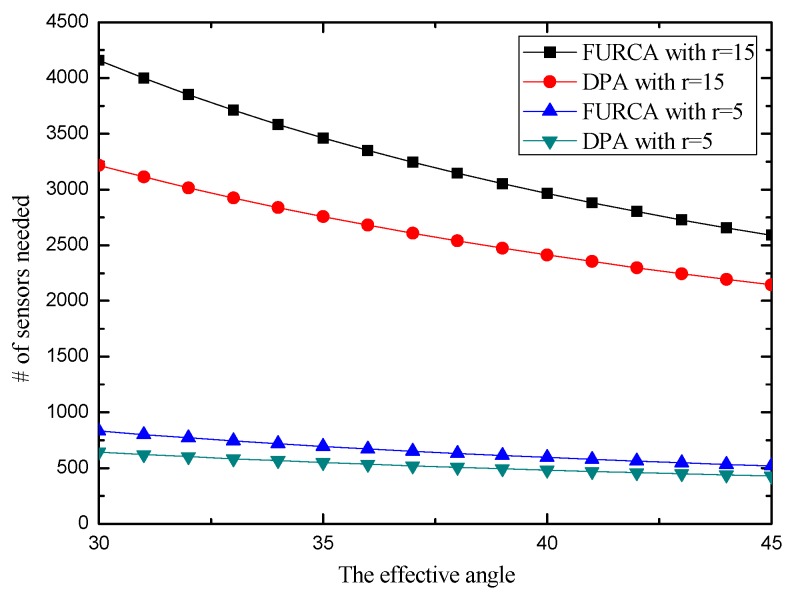
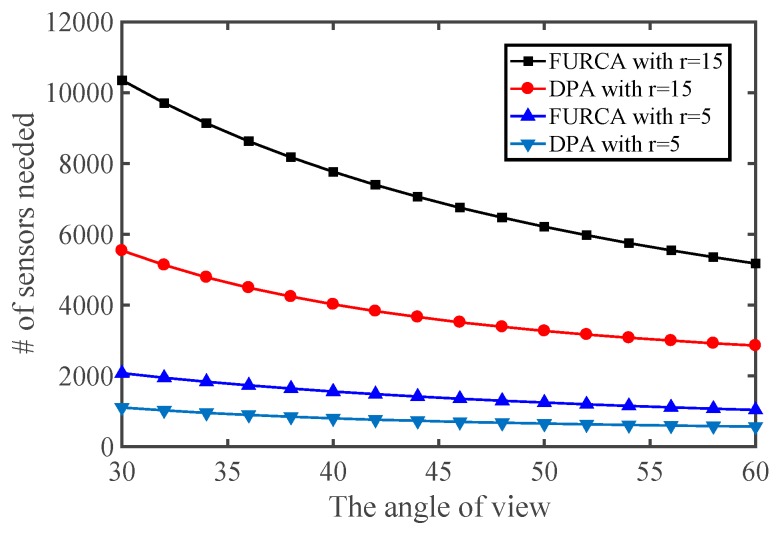
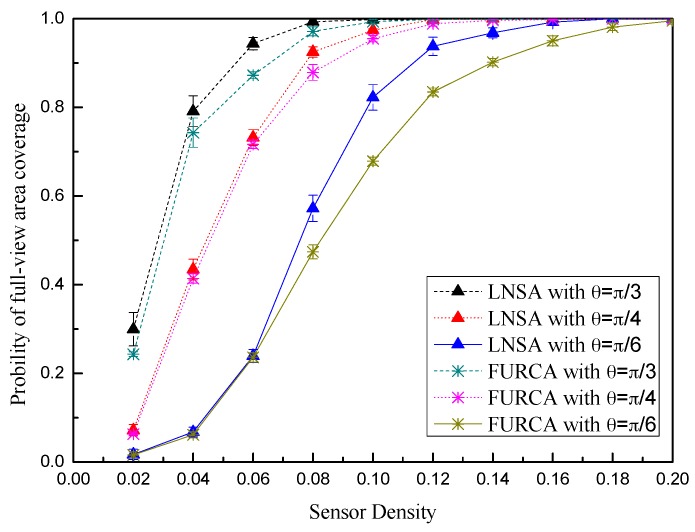
Unlike conventional scalar sensors, camera sensors at different positions can capture a variety of views of an object. Based on this intrinsic property, a novel model called full-view coverage was proposed. We study the problem that how to select the minimum number of sensors to guarantee the full-view coverage for the given region of interest (ROI). To tackle this issue, we derive the constraint condition of the sensor positions for full-view neighborhood coverage with the minimum number of nodes around the point. Next, we prove that the full-view area coverage can be approximately guaranteed, as long as the regular hexagons decided by the virtual grid are seamlessly stitched. Then we present two solutions for camera sensor networks in two different deployment strategies. By computing the theoretically optimal length of the virtual grids, we put forward the deployment pattern algorithm (DPA) in the deterministic implementation. To reduce the redundancy in random deployment, we come up with a local neighboring-optimal selection algorithm (LNSA) for achieving the full-view coverage. Finally, extensive simulation results show the feasibility of our proposed solutions.
与传统的标量传感器不同,位于不同位置的相机传感器可以捕捉物体的各种视图。基于这一固有特性,提出了一种名为全视图覆盖的新型模型。我们研究如何选择最少数量的传感器,以确保对给定的感兴趣区域(ROI)进行全视图覆盖的问题。为了解决这个问题,我们推导了在点周围具有最少节点数的全视图邻域覆盖的传感器位置约束条件。接下来,我们证明只要由虚拟网格确定的正六边形无缝拼接,就可以近似保证全视图区域覆盖。然后,我们针对相机传感器网络在两种不同的部署策略中提出了两种解决方案。通过计算虚拟网格的理论最优长度,我们在确定性实现中提出了部署模式算法(DPA)。为了减少随机部署中的冗余,我们提出了一种局部邻域最优选择算法(LNSA)以实现全视图覆盖。最后,大量的仿真结果表明了我们所提出解决方案的可行性。