Furukawa Tomonori, Shimoyama Shuji, Miki Yasuo, Nikaido Yoshikazu, Koga Kohei, Nakamura Kazuhiko, Wakabayashi Koichi, Ueno Shinya
Department of Neurophysiology Hirosaki University Graduate School of Medicine Hirosaki Japan.
Research Center for Child Mental Development Hirosaki University Graduate School of Medicine Hirosaki Japan.
Pharmacol Res Perspect. 2017 Jan 31;5(1):e00283. doi: 10.1002/prp2.283. eCollection 2017 Feb.
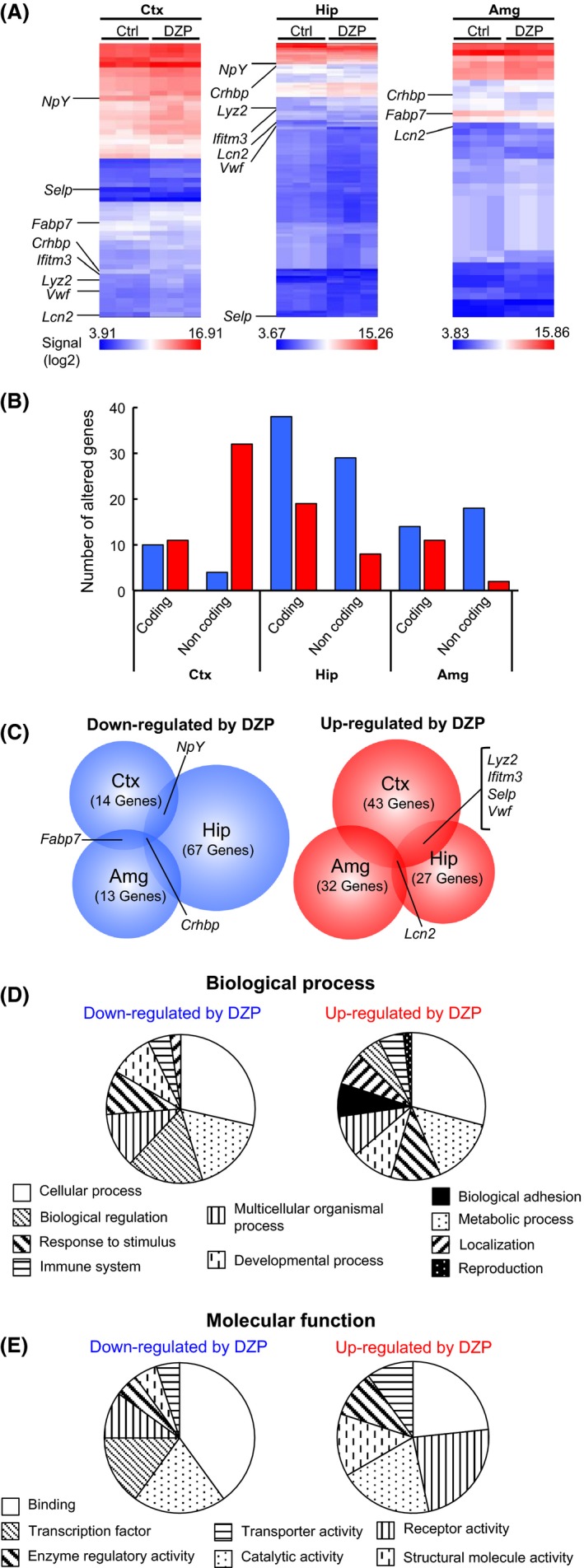
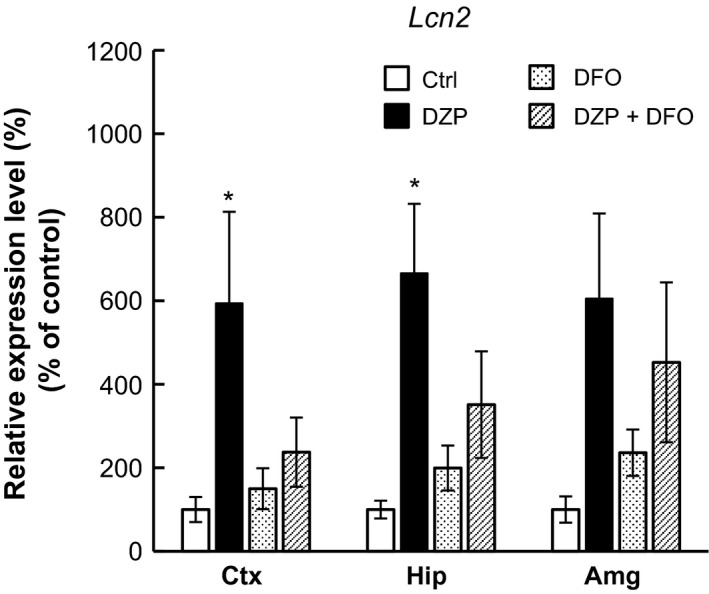
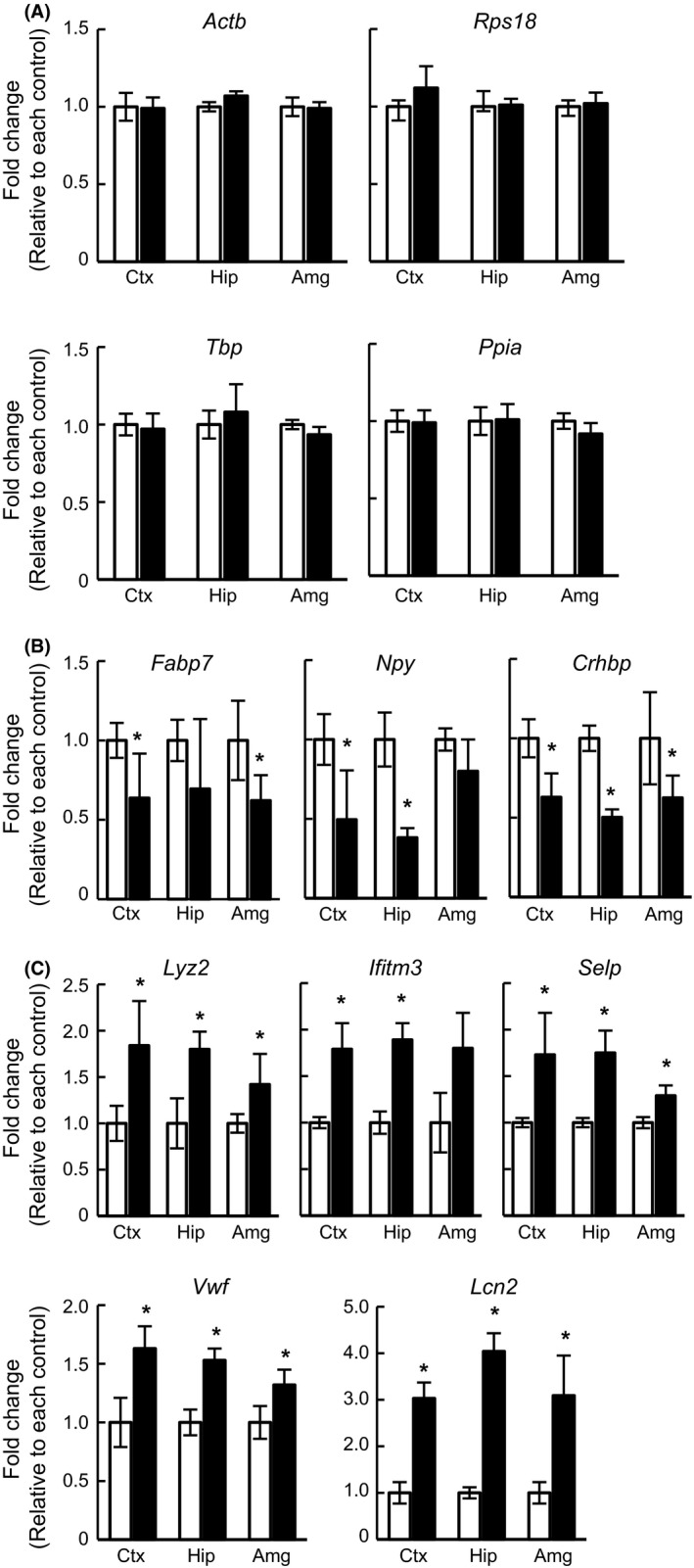
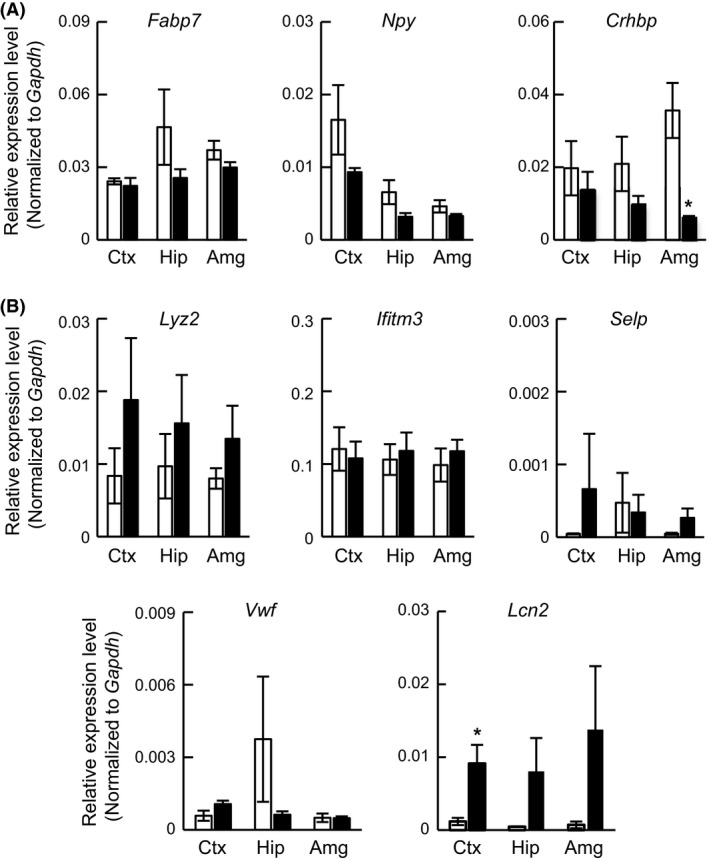
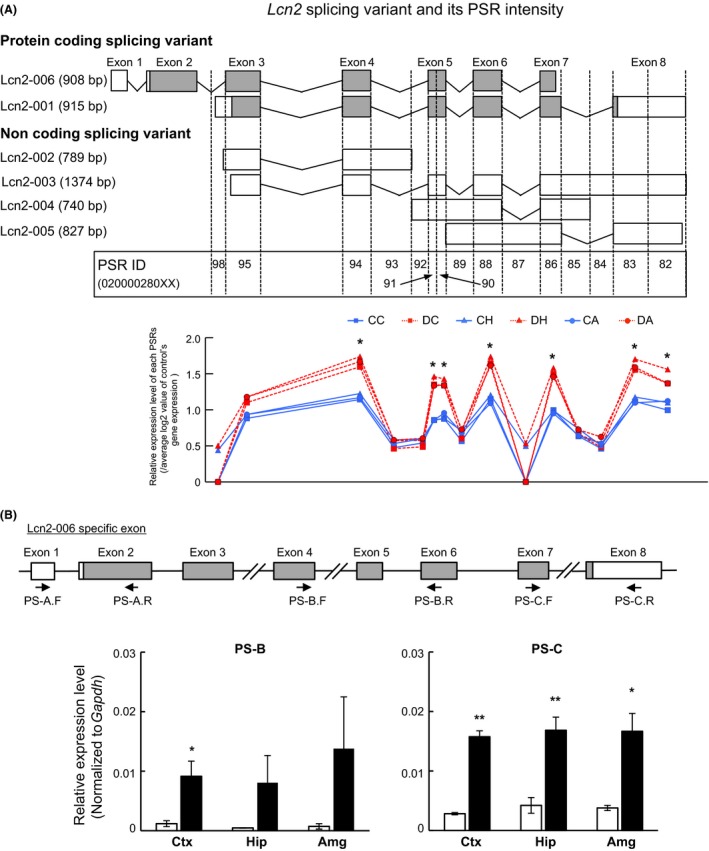
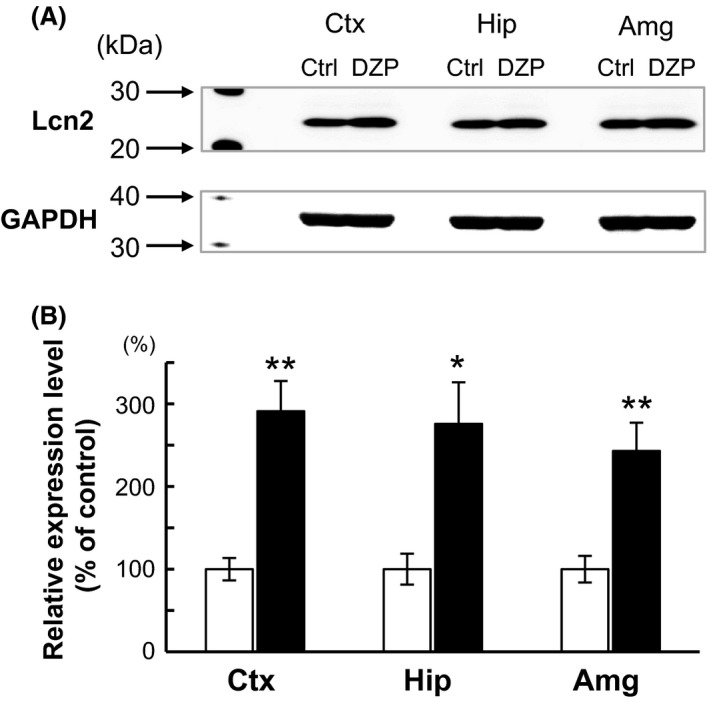
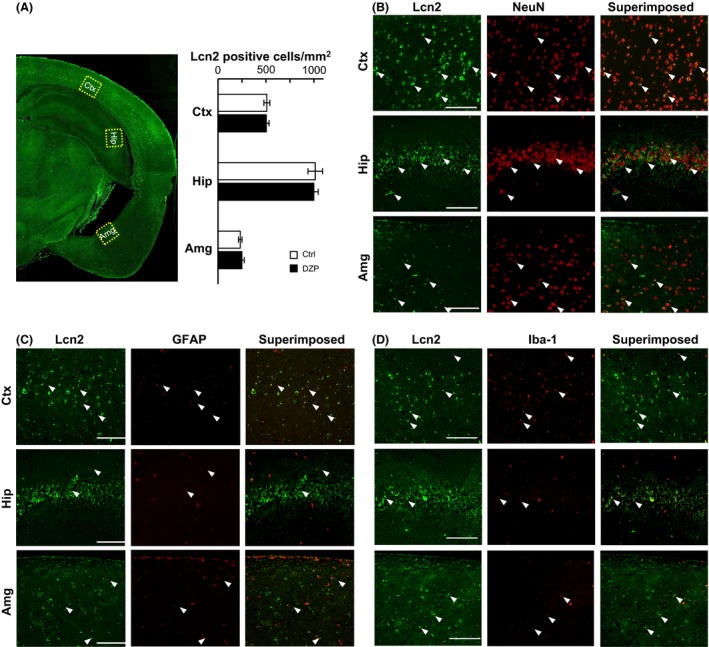
Benzodiazepines (BZDs), which bind with high affinity to gamma-aminobutyric acid type A receptors (GABA-Rs) and potentiate the effects of GABA, are widely prescribed for anxiety, insomnia, epileptic discharge, and as anticonvulsants. The long-term use of BZDs is limited due to adverse effects such as tolerance, dependence, withdrawal effects, and impairments in cognition and learning. Additionally, clinical reports have shown that chronic BZD treatment increases the risk of Alzheimer's disease. Unusual GABA-R subunit expression and GABA-R phosphorylation are induced by chronic BZD use. However, the gene expression and signaling pathways related to these effects are not completely understood. In this study, we performed a microarray analysis to investigate the mechanisms underlying the effect of chronic BZD administration on gene expression. Diazepam (DZP, a BZD) was chronically administered, and whole transcripts in the brain were analyzed. We found that the mRNA expression levels were significantly affected by chronic DZP administration and that lipocalin 2 () mRNA was the most upregulated gene in the cerebral cortex, hippocampus, and amygdala. Lcn2 is known as an iron homeostasis-associated protein. Immunostained signals of Lcn2 were detected in neuron, astrocyte, microglia, and Lcn2 protein expression levels were consistently upregulated. This upregulation was observed without proinflammatory genes upregulation, and was attenuated by chronic treatment of deferoxamine mesylate (DFO), iron chelator. Our results suggest that chronic DZP administration regulates transcription and upregulates Lcn2 expression levels without an inflammatory response in the mouse brain. Furthermore, the DZP-induced upregulation of Lcn2 expression was influenced by ambient iron.
苯二氮䓬类药物(BZDs)与γ-氨基丁酸A型受体(GABA-Rs)具有高亲和力结合,并增强GABA的作用,被广泛用于治疗焦虑、失眠、癫痫放电以及作为抗惊厥药。由于耐受性、依赖性、戒断效应以及认知和学习障碍等不良反应,BZDs的长期使用受到限制。此外,临床报告显示,长期使用BZD治疗会增加患阿尔茨海默病的风险。长期使用BZD会诱导异常的GABA-R亚基表达和GABA-R磷酸化。然而,与这些效应相关的基因表达和信号通路尚未完全了解。在本研究中,我们进行了微阵列分析,以研究长期给予BZD对基因表达影响的潜在机制。长期给予地西泮(DZP,一种BZD),并分析大脑中的全转录本。我们发现,长期给予DZP会显著影响mRNA表达水平,且脂质运载蛋白2(Lcn2)mRNA是大脑皮层、海马体和杏仁核中上调最明显的基因。Lcn2是一种与铁稳态相关的蛋白质。在神经元、星形胶质细胞、小胶质细胞中检测到Lcn2的免疫染色信号,且Lcn2蛋白表达水平持续上调。这种上调在没有促炎基因上调的情况下被观察到,并且被铁螯合剂甲磺酸去铁胺(DFO)的长期治疗所减弱。我们的结果表明,长期给予DZP可调节转录并上调小鼠大脑中Lcn2的表达水平,且无炎症反应。此外,DZP诱导的Lcn2表达上调受环境铁的影响。