Ketjarun Kanapol, Staples George W, Swangpol Sasivimon C, Traiperm Paweena
Department of Plant Science, Faculty of Science, Mahidol University, Rama VI Road, Ratchathewi, Bangkok, 10400, Thailand.
Herbarium, Royal Botanic Gardens, Kew, Richmond, Surrey, TW9 3AE, UK.
Bot Stud. 2016 Dec;57(1):25. doi: 10.1186/s40529-016-0141-y. Epub 2016 Sep 28.
Several medicinal properties have been reported for plants in the genus Evolvulus, such as a brain tonic and antifungal from Evolvulus alsinoides, and a sedative and an anthelmintic from Evolvulus nummularius. Therefore, the correct identification of the source plants is critically important. The aim of this research was to investigate the micromorphology of two Evolvulus taxa used for herbal medicines compared with one worldwide ornamental species by using peeling, paraffin embedding, acetolysis, and SEM methods in order to support species identification.
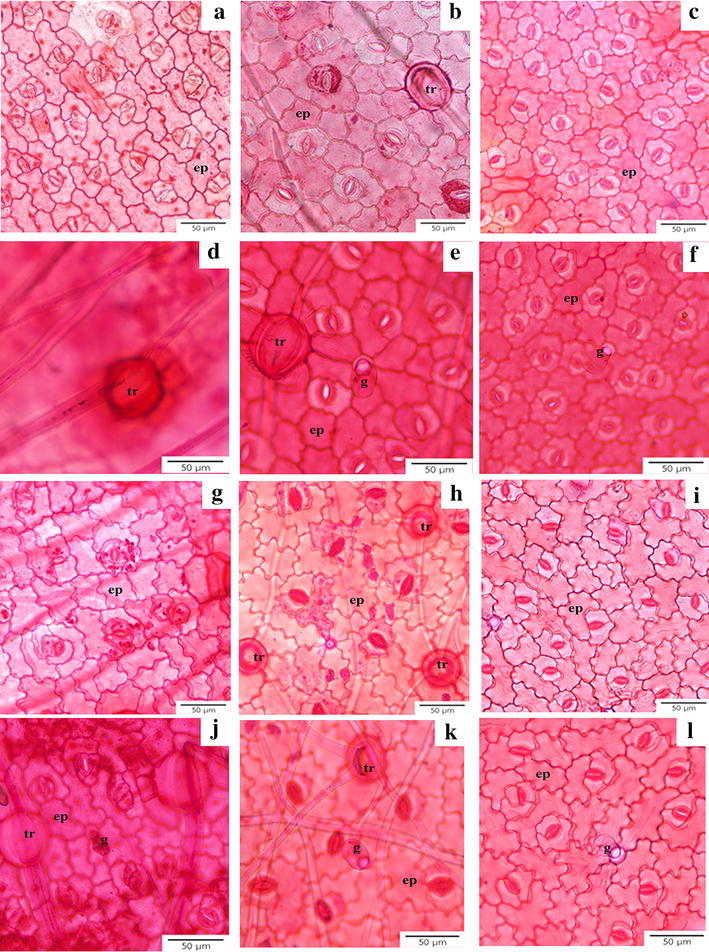
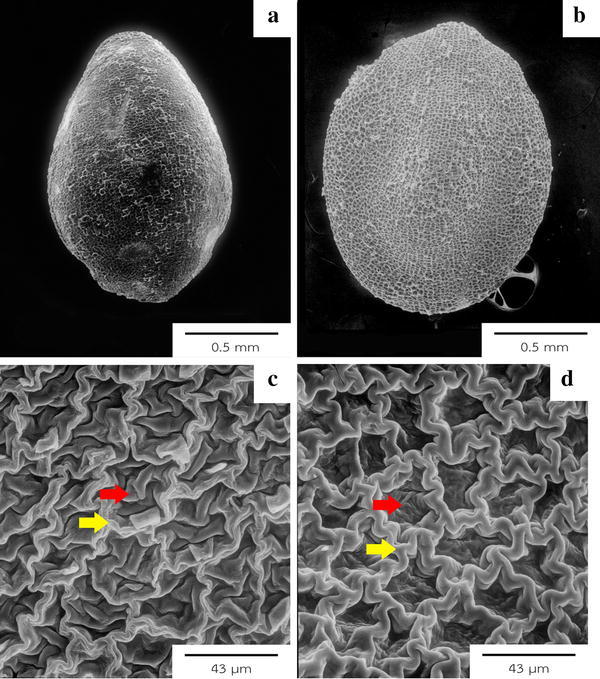
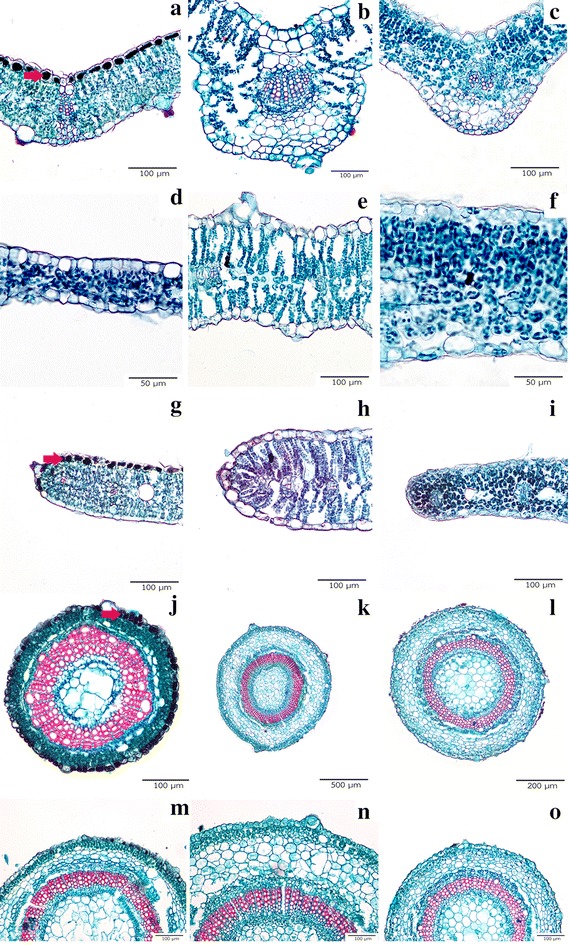
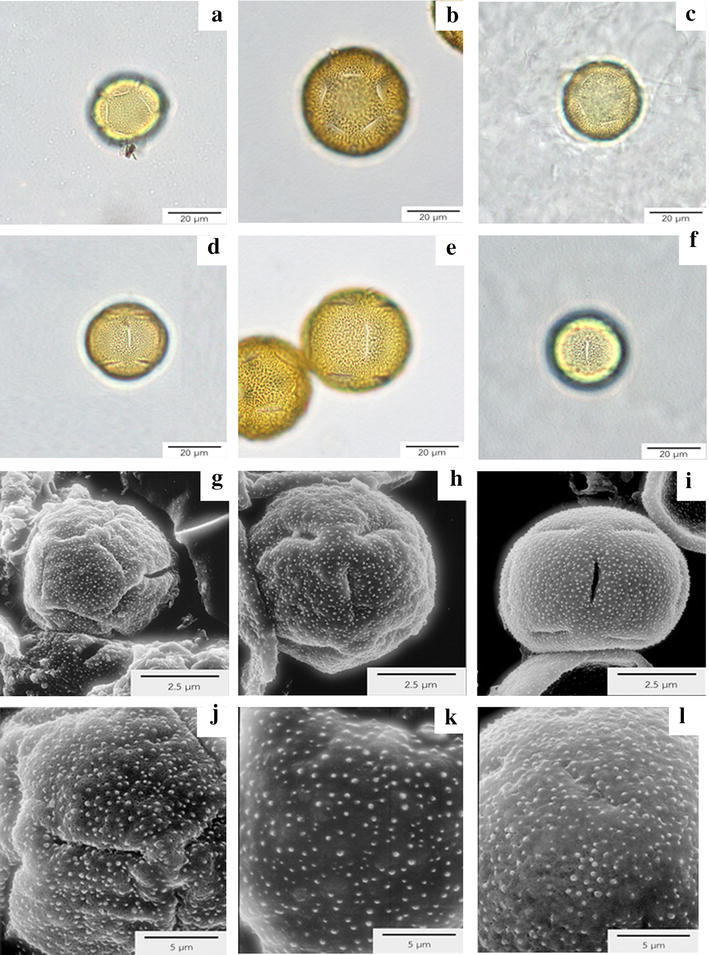
Our findings indicate that all taxa share several common features, such as a single layer of epidermis on both sides of leaf surfaces, sinuous anticlinal epidermal cell walls, anomocytic, paracytic or laterocytic stomata, and capitate glandular trichomes. Y-shaped hairs were found in two species but not in E. nummularius. Similarly, isobilateral mesophyll occurs in both E. alsinoides and Evolvulus glomeratus, but a dorsiventral mesophyll is present in E. nummularius. Stems consist of a single layer of epidermis, one to four chlorenchyma layers, one to seven layers of cortical cells and a bicollateral bundle with pith in the center. The seed coat epidermal cell shapes were irregular or polygonal with raised and undulated anticlinal boundaries, and folded or flattened to concave periclinal walls. Pollens of all taxa are monads, spheroidally shaped with 28-47 µm diameter, and 15-pantocolpate apertures type with microechinate ornamentation.
An identification key to species is constructed based on leaf anatomy and seed coat characters. This data can be used in other subjects such as pharmaceutical botany, organic chemistry, taxonomy and horticulture, in terms of species identification.
已有报道称土丁桂属植物具有多种药用特性,如土丁桂具有补脑和抗真菌作用,圆叶土丁桂具有镇静和驱虫作用。因此,正确鉴定其来源植物至关重要。本研究的目的是通过采用剥皮、石蜡包埋、醋酸分解和扫描电镜方法,对两种用于草药的土丁桂类群与一种全球范围内的观赏物种的微观形态进行研究,以辅助物种鉴定。
我们的研究结果表明,所有类群都具有一些共同特征,如叶片两面均有单层表皮、表皮细胞垂周壁呈波状、平列型、不等细胞型或侧列型气孔以及头状腺毛。在两个物种中发现了Y形毛,但圆叶土丁桂中没有。同样,土丁桂和蓝星花的叶肉均为等面叶,但圆叶土丁桂的叶肉为异面叶。茎由单层表皮、一至四层绿色组织层、一至七层皮层细胞和中央具髓的双韧维管束组成。种皮表皮细胞形状不规则或呈多边形,垂周边界凸起且起伏不平,平周壁折叠或扁平至凹陷。所有类群的花粉均为单粒,球形,直径28 - 47微米,具15条沟孔,表面具微刺状纹饰。
基于叶片解剖结构和种皮特征构建了物种鉴定检索表。这些数据可用于药用植物学、有机化学、分类学和园艺学等其他学科的物种鉴定。