Chinchore Yashodhan, Begaj Tedi, Wu David, Drokhlyansky Eugene, Cepko Constance L
Departments of Genetics and Ophthalmology, Harvard Medical School, Boston, United States.
Howard Hughes Medical Institute, Harvard Medical School, Boston, United States.
Elife. 2017 Jun 9;6:e25946. doi: 10.7554/eLife.25946.
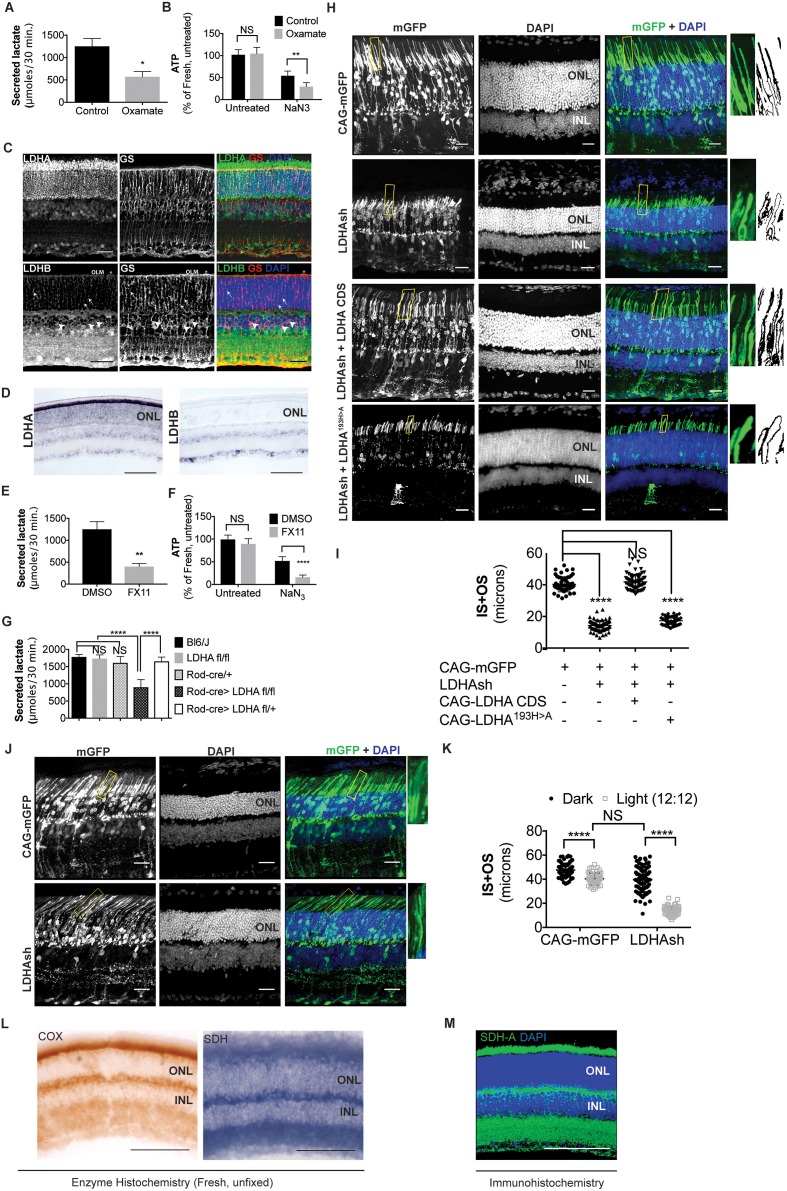
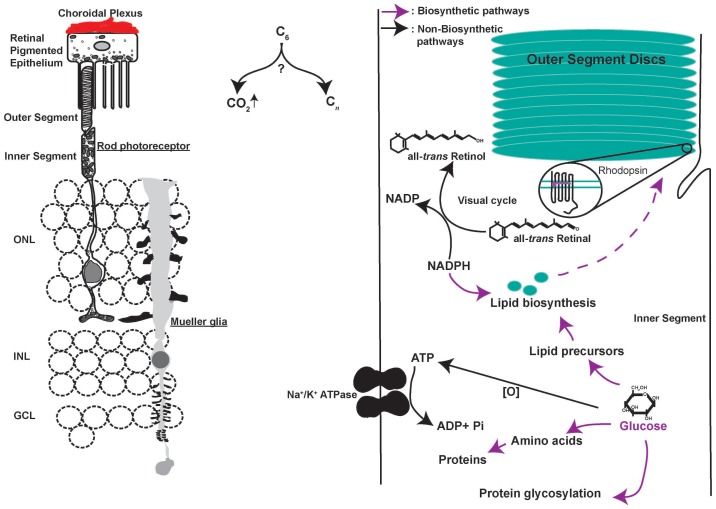
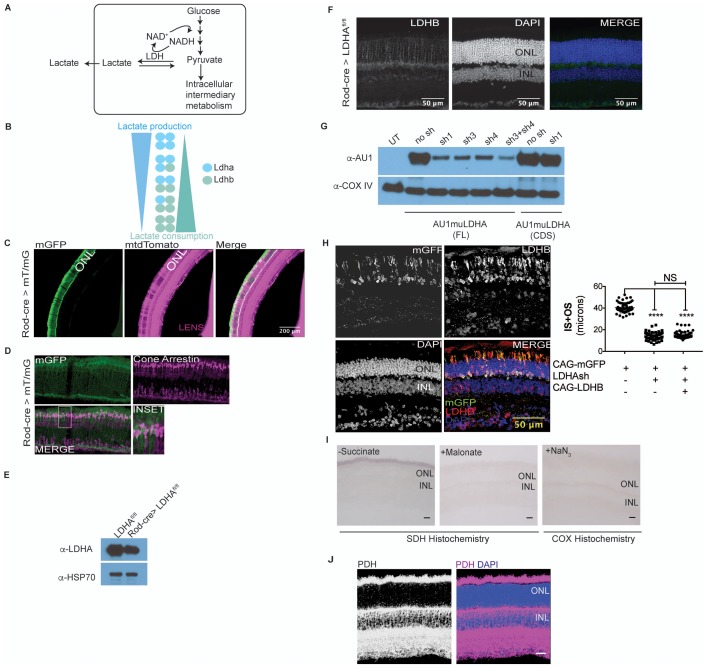
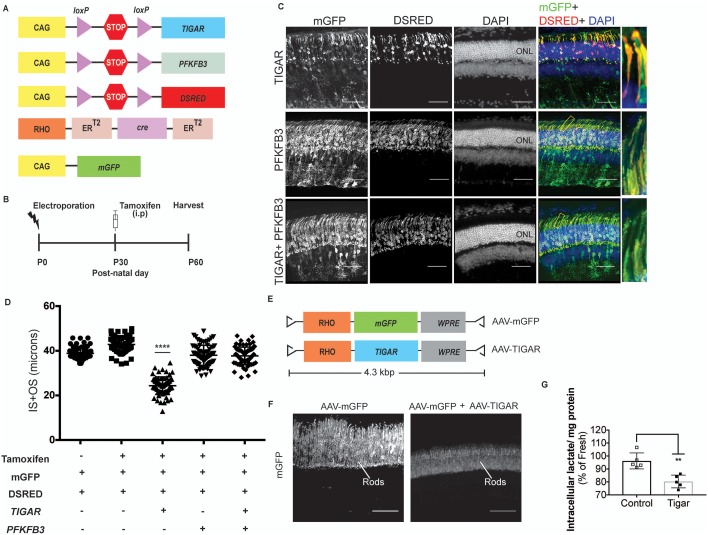
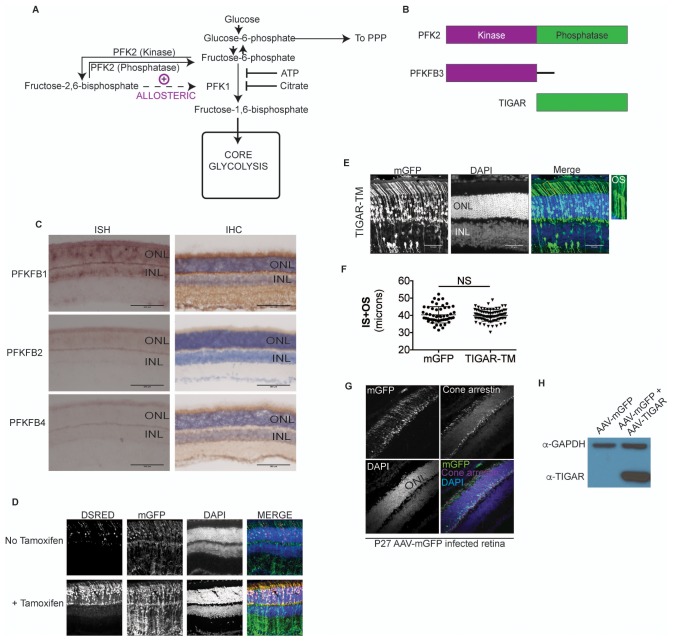
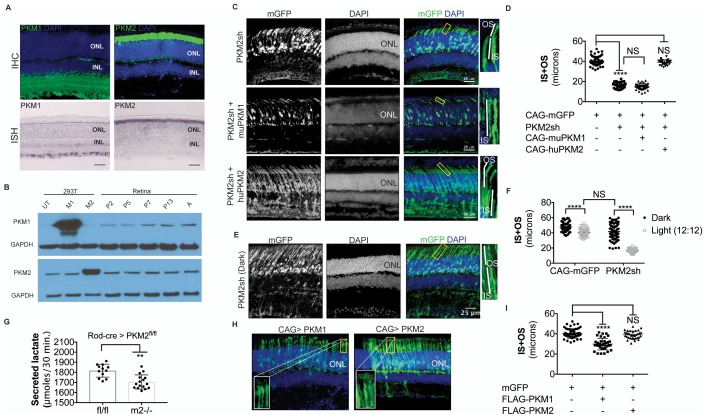
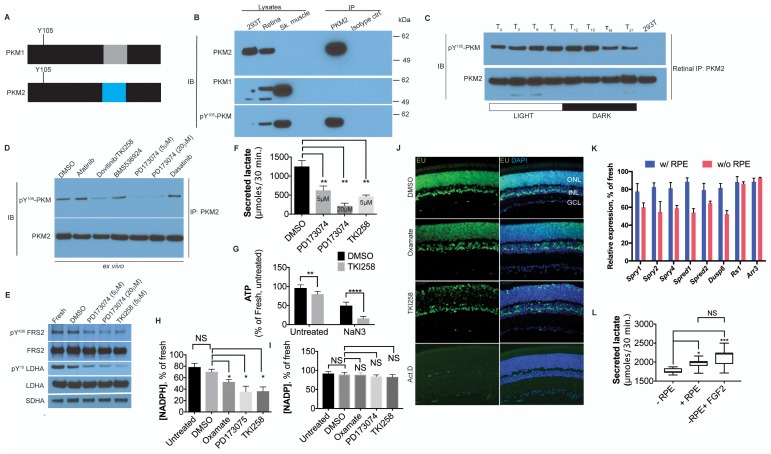
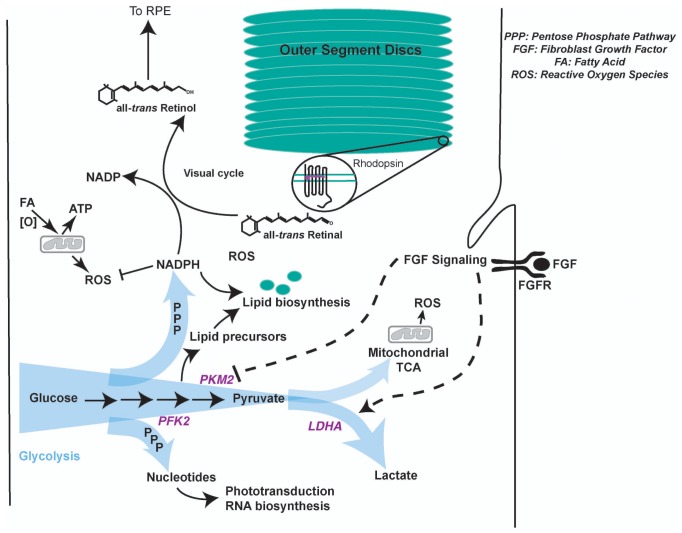
Vertebrate photoreceptors are among the most metabolically active cells, exhibiting a high rate of ATP consumption. This is coupled with a high anabolic demand, necessitated by the diurnal turnover of a specialized membrane-rich organelle, the outer segment, which is the primary site of phototransduction. How photoreceptors balance their catabolic and anabolic demands is poorly understood. Here, we show that rod photoreceptors in mice rely on glycolysis for their outer segment biogenesis. Genetic perturbations targeting allostery or key regulatory nodes in the glycolytic pathway impacted the size of the outer segments. Fibroblast growth factor signaling was found to regulate glycolysis, with antagonism of this pathway resulting in anabolic deficits. These data demonstrate the cell autonomous role of the glycolytic pathway in outer segment maintenance and provide evidence that aerobic glycolysis is part of a metabolic program that supports the biosynthetic needs of a normal neuronal cell type.
脊椎动物的光感受器是代谢最活跃的细胞之一,表现出较高的ATP消耗率。这与高合成代谢需求相关,这是由富含膜的特殊细胞器——外段的昼夜更新所必需的,外段是光转导的主要部位。光感受器如何平衡其分解代谢和合成代谢需求仍知之甚少。在这里,我们表明小鼠的视杆光感受器在其外段生物发生过程中依赖糖酵解。针对糖酵解途径中的变构或关键调节节点的基因扰动影响了外段的大小。发现成纤维细胞生长因子信号传导调节糖酵解,该途径的拮抗作用导致合成代谢缺陷。这些数据证明了糖酵解途径在外段维持中的细胞自主作用,并提供证据表明有氧糖酵解是支持正常神经元细胞类型生物合成需求的代谢程序的一部分。