Tan Song, Jiang Zhonghua, Hou Aihua, Wang Jihua, Zhang Jinbo, Dai Lingling
Department of Oncology, Yantai Hospital of Traditional Chinese Medicine, Yantai, Shandong 264001, P.R. China.
Oncol Lett. 2017 Jun;13(6):4117-4122. doi: 10.3892/ol.2017.5974. Epub 2017 Apr 3.
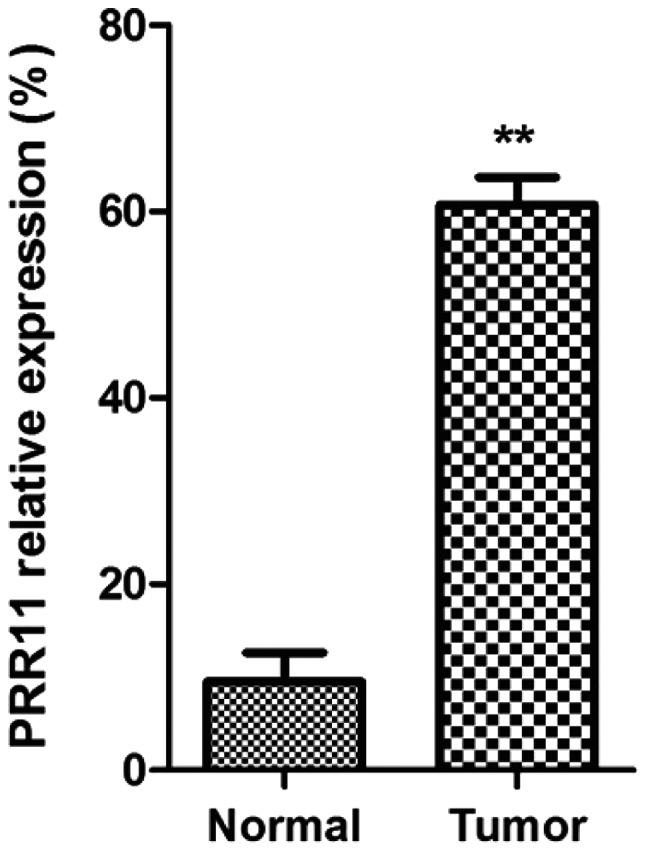
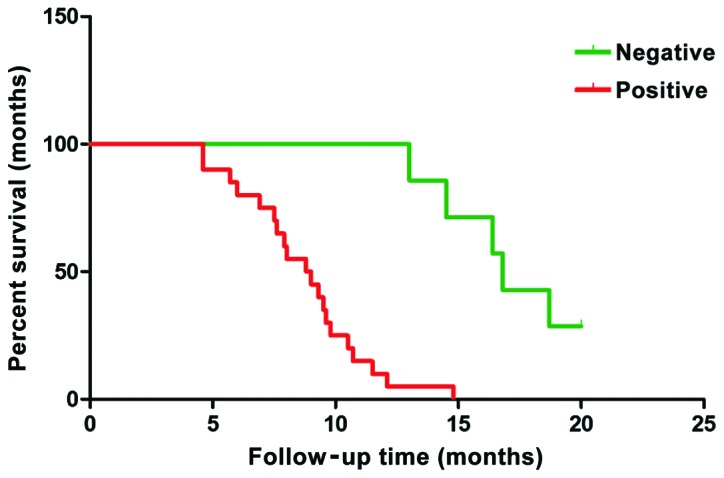
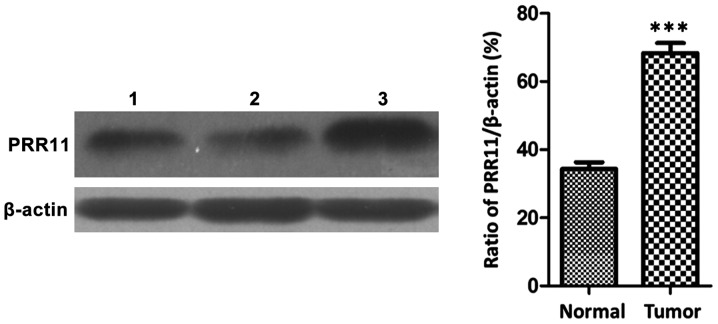
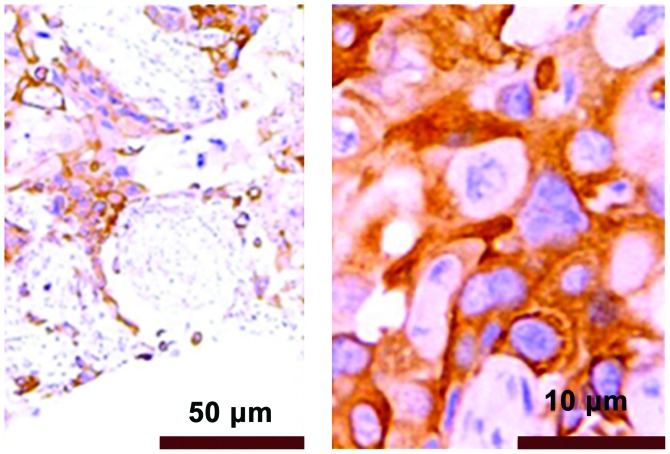
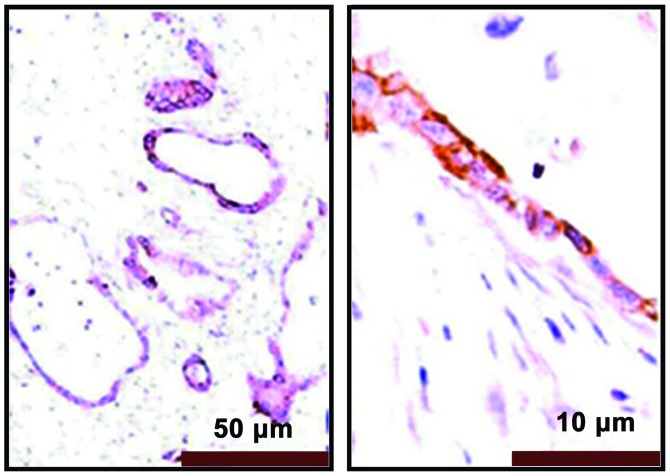
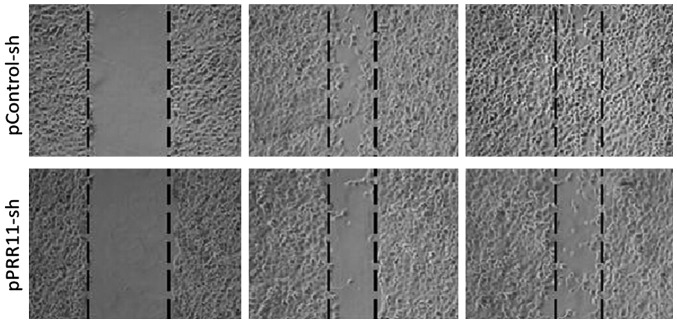
This study aimed at finding the relationship between the level of expression of the PRR11 protein in pancreatic carcinoma, and the clinical characteristics of the tumor. PCR technique was used to analyze the expression levels of the PRR11 gene in 38 samples from pancreatic cancer patients and 10 samples from normal pancreatic tissues. Western blot analysis and immunohistochemistry were used to measure the expression of the PRR11. Additionally, the migration ability of cancerous cells expressing PRR11 and those with inhibited expression were compared using a wound healing assay. Finally, the relationships between the expression level of PRR11 protein and variables such as tumor size, tumor invasion, TNM stages, and the overall survival time of patients with pancreatic cancer were calculated. Our results showed the expression level of the PRR11 gene in pancreatic cancer tissues was significantly higher than that in normal pancreatic tissues. The detection of PRR11 protein in cancer tissues versus normal tissues was 78.9 (30/38) vs. 0 (0/10), respectively. The western blot results confirmed this by showing a significantly higher level of expression of the PRR11 protein in pancreatic cancer tissues than in normal tissues (P<0.05). Inhibiting the expression of PRR11 in cancer cells reduced the migration ability of the cells. Finally, the expression of PRR11 was positively correlated with the invasion, disease and tissue differentiation stages of the pancreatic cancer. By comparing clinical data and expression patterns in patients, we found the survival rate in those expressing the PRR11 protein by immunohistochemistry to be lower than in those with tissues negative to the PRR11 protein. Our results show, the expression of PRR11 protein in pancreatic cancer is closely related to the development of the cancer and a poor prognosis. These findings provide a theoretical and experimental basis for approaching the diagnosis and treatment of pancreatic cancer using PRR11 as a molecular target.
本研究旨在探寻胰腺癌中PRR11蛋白的表达水平与肿瘤临床特征之间的关系。采用PCR技术分析38例胰腺癌患者样本及10例正常胰腺组织样本中PRR11基因的表达水平。运用蛋白质免疫印迹分析和免疫组织化学方法检测PRR11的表达。此外,采用划痕实验比较PRR11表达的癌细胞与表达受抑制的癌细胞的迁移能力。最后,计算PRR11蛋白表达水平与肿瘤大小、肿瘤侵袭、TNM分期及胰腺癌患者总生存时间等变量之间的关系。我们的结果显示,胰腺癌组织中PRR11基因的表达水平显著高于正常胰腺组织。癌组织与正常组织中PRR11蛋白的检测阳性率分别为78.9%(30/38)和0(0/10)。蛋白质免疫印迹结果证实,胰腺癌组织中PRR11蛋白的表达水平显著高于正常组织(P<0.05)。抑制癌细胞中PRR11的表达可降低细胞的迁移能力。最后,PRR11的表达与胰腺癌的侵袭、疾病及组织分化阶段呈正相关。通过比较患者的临床数据和表达模式,我们发现免疫组织化学检测显示PRR11蛋白表达阳性患者的生存率低于PRR11蛋白阴性组织的患者。我们的结果表明,PRR11蛋白在胰腺癌中的表达与癌症发展及预后不良密切相关。这些发现为以PRR11作为分子靶点进行胰腺癌的诊断和治疗提供了理论和实验依据。