Jiang Lanfang, Zhao Zitong, Zheng Leilei, Xue Liyan, Zhan Qimin, Song Yongmei
State Key Laboratory of Molecular Oncology, National Cancer Center/Cancer Hospital, Chinese Academy of Medical Sciences and Peking Union Medical College, Beijing 100021, China.
State Key Laboratory of Molecular Oncology, National Cancer Center/Cancer Hospital, Chinese Academy of Medical Sciences and Peking Union Medical College, Beijing 100021, China.
Genomics Proteomics Bioinformatics. 2017 Jun;15(3):208-217. doi: 10.1016/j.gpb.2017.04.003. Epub 2017 Jun 9.
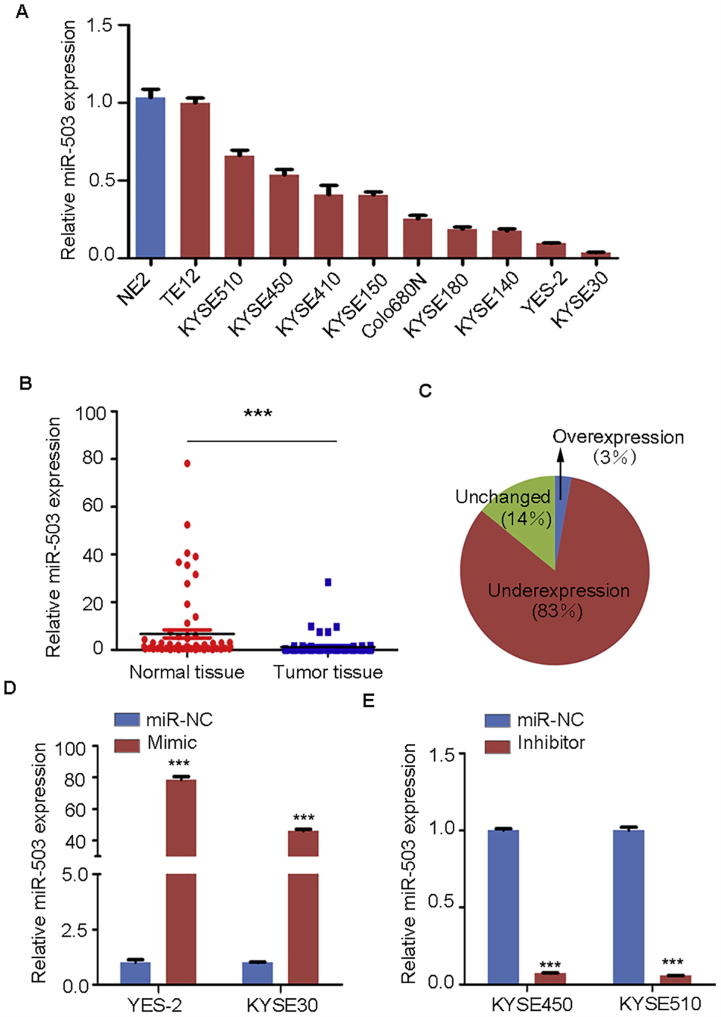
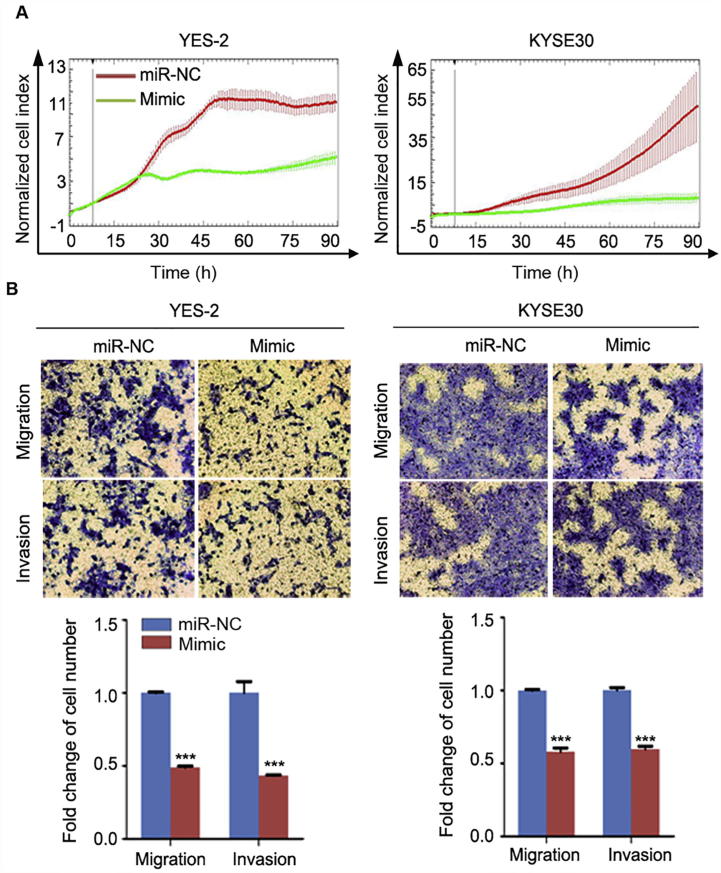
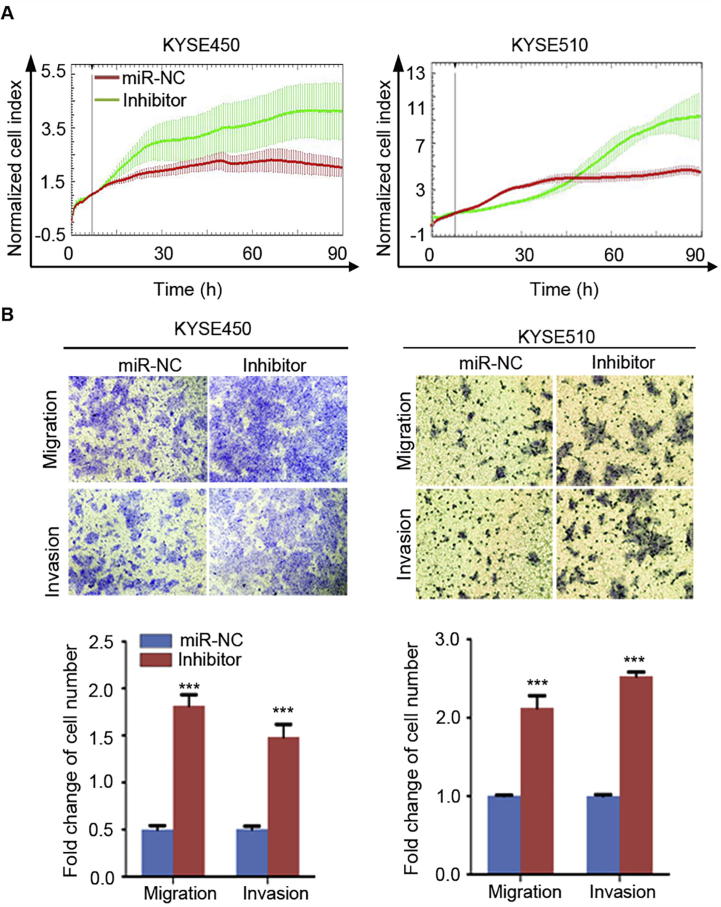
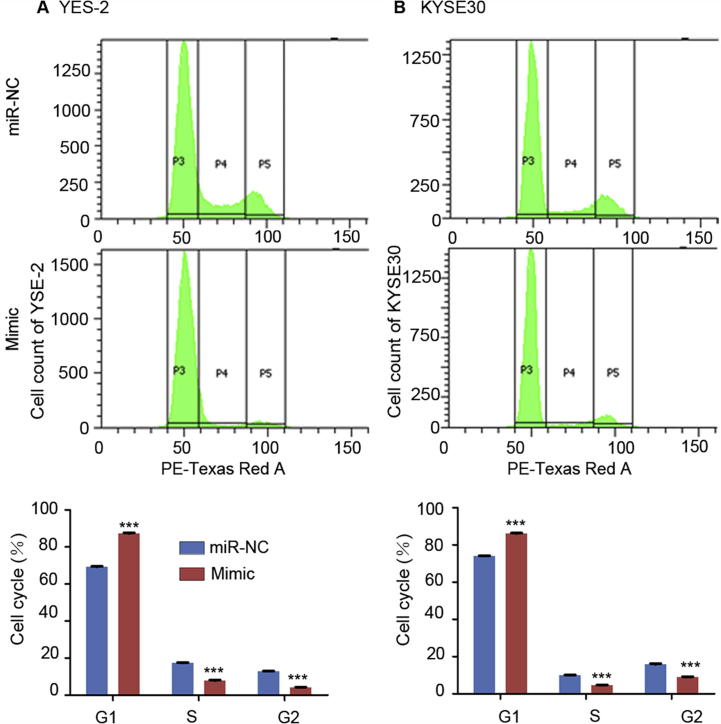
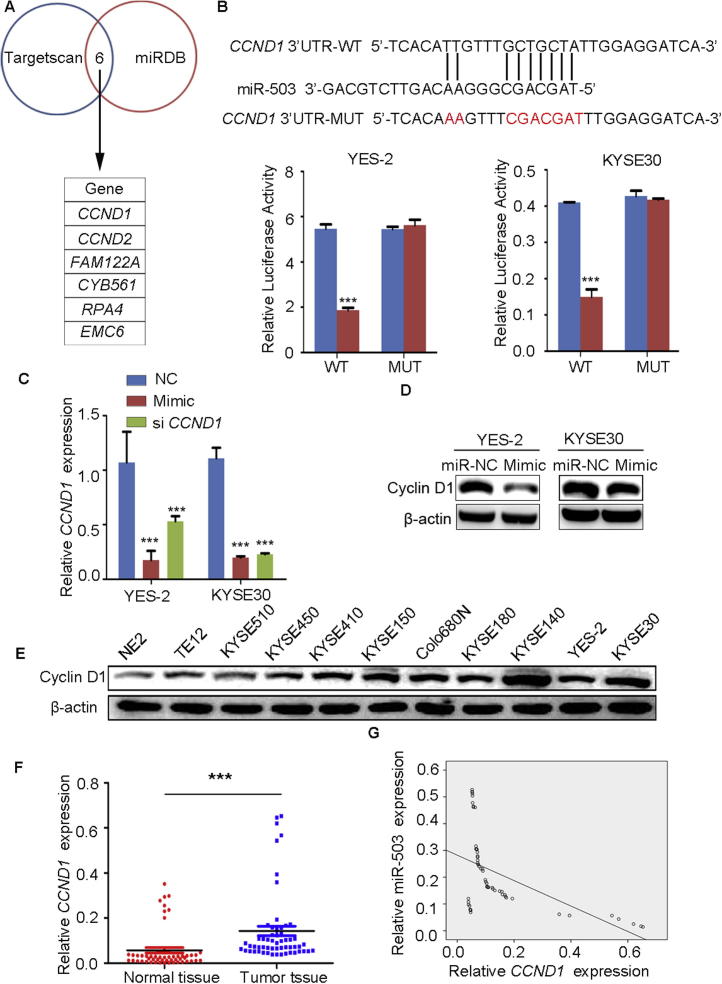
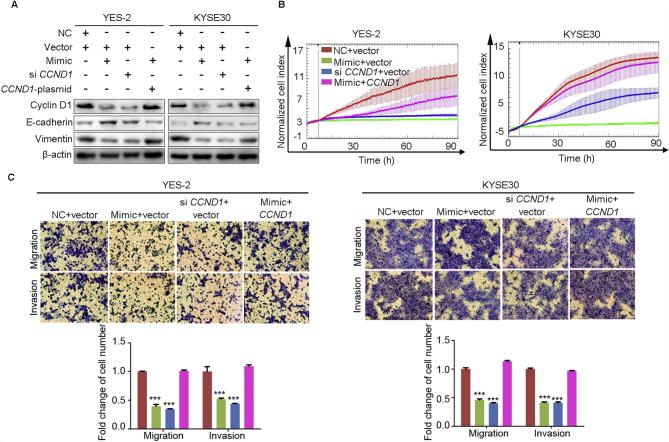
Esophageal squamous cell carcinoma (ESCC) is one of the most aggressive cancers in China, but the underlying molecular mechanism of ESCC is still unclear. Involvement of microRNAs has been demonstrated in cancer initiation and progression. Despite the reported function of miR-503 in several human cancers, its detailed anti-oncogenic role and clinical significance in ESCC remain undefined. In this study, we examined miR-503 expression by qPCR and found the downregulation of miR-503 expression in ESCC tissue relative to adjacent normal tissues. Further investigation in the effect of miR-503 on ESCC cell proliferation, migration, and invasion showed that enhanced expression of miR-503 inhibited ESCC aggressive phenotype and overexpression of CCND1 reversed the effect of miR-503-mediated ESCC cell aggressive phenotype. Our study further identified CCND1 as the target gene of miR-503. Thus, miR-503 functions as a tumor suppressor and has an important role in ESCC by targeting CCND1.
食管鳞状细胞癌(ESCC)是中国最具侵袭性的癌症之一,但ESCC的潜在分子机制仍不清楚。微小RNA已被证明参与癌症的发生和发展。尽管已有报道称miR-503在几种人类癌症中发挥作用,但其在ESCC中的详细抑癌作用和临床意义仍不明确。在本研究中,我们通过qPCR检测了miR-503的表达,发现相对于相邻正常组织,ESCC组织中miR-503表达下调。进一步研究miR-503对ESCC细胞增殖、迁移和侵袭的影响表明,miR-503表达增强抑制了ESCC的侵袭性表型,而CCND1的过表达逆转了miR-503介导的ESCC细胞侵袭性表型的作用。我们的研究进一步确定CCND1是miR-503的靶基因。因此,miR-503作为一种肿瘤抑制因子,通过靶向CCND1在ESCC中发挥重要作用。