Luo Shiqi, Lu Jian
State Key Laboratory of Protein and Plant Gene Research, Center for Bioinformatics, College of Life Sciences and Peking-Tsinghua Center for Life Sciences, Peking University, Beijing 100871, China; Beijing Advanced Innovation Center for Food Nutrition and Human Health, College of Food Science and Nutritional Engineering, China Agricultural University, Beijing 100083, China.
State Key Laboratory of Protein and Plant Gene Research, Center for Bioinformatics, College of Life Sciences and Peking-Tsinghua Center for Life Sciences, Peking University, Beijing 100871, China.
Genomics Proteomics Bioinformatics. 2017 Jun;15(3):164-176. doi: 10.1016/j.gpb.2017.01.006. Epub 2017 Jun 8.
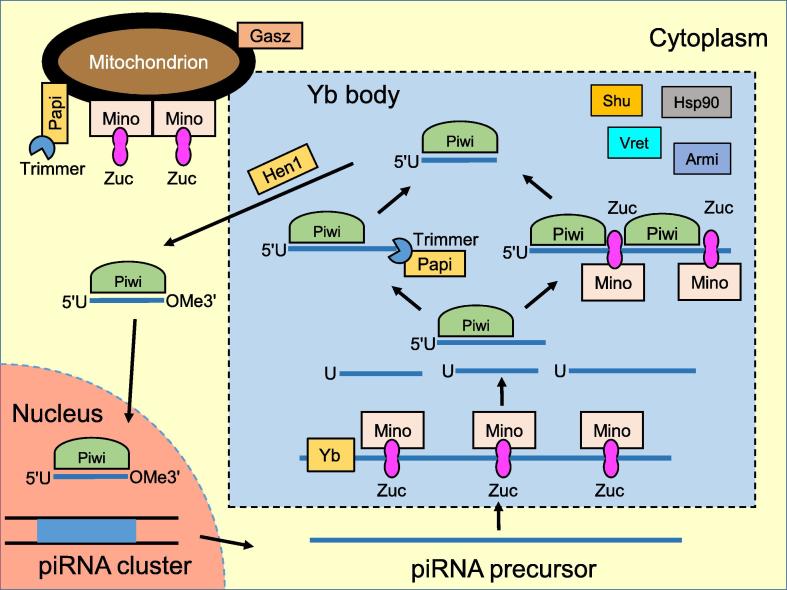
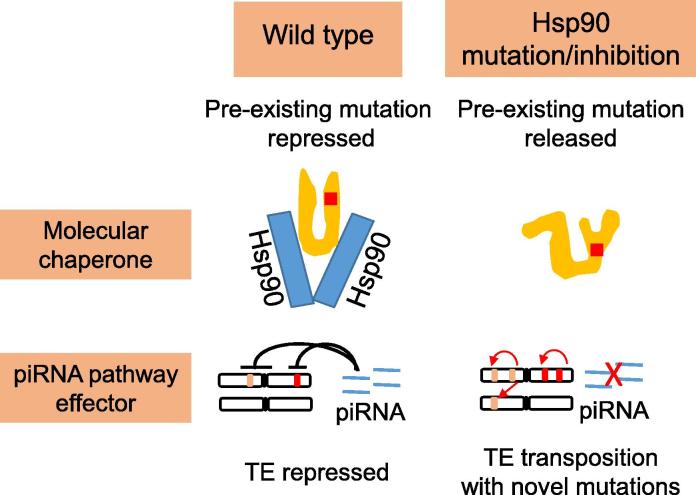
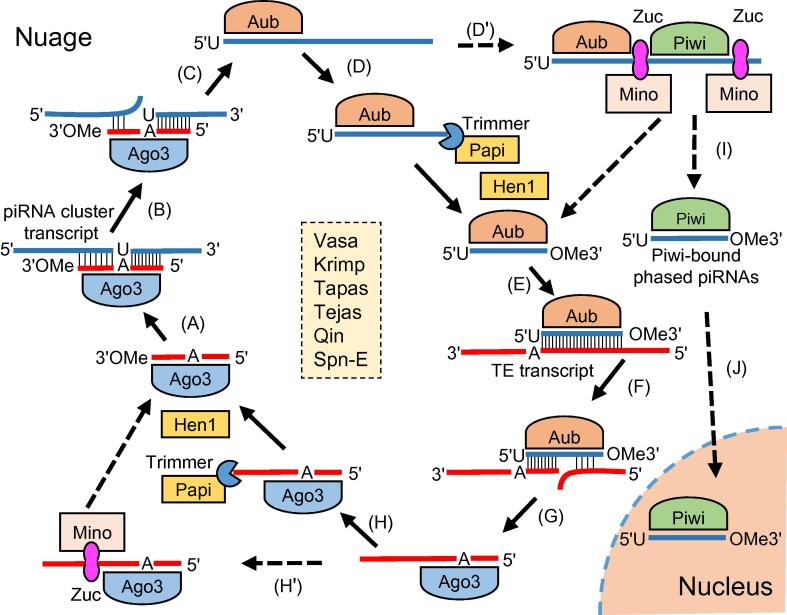
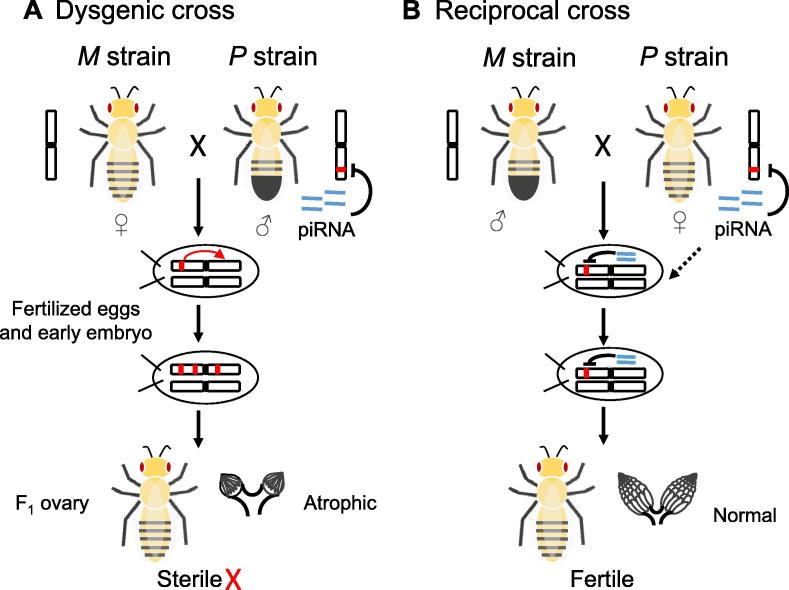
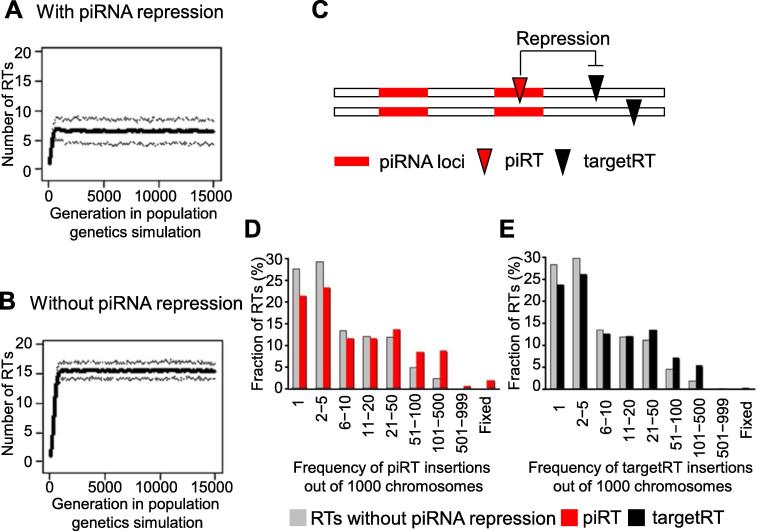
Transposable elements (TEs) are DNA sequences that can move within the genome. TEs have greatly shaped the genomes, transcriptomes, and proteomes of the host organisms through a variety of mechanisms. However, TEs generally disrupt genes and destabilize the host genomes, which substantially reduce fitness of the host organisms. Understanding the genomic distribution and evolutionary dynamics of TEs will greatly deepen our understanding of the TE-mediated biological processes. Most TE insertions are highly polymorphic in Drosophila melanogaster, providing us a good system to investigate the evolution of TEs at the population level. Decades of theoretical and experimental studies have well established "transposition-selection" population genetics model, which assumes that the equilibrium between TE replication and purifying selection determines the copy number of TEs in the genome. In the last decade, P-element-induced wimpy testis (PIWI)-interacting RNAs (piRNAs) were demonstrated to be master repressors of TE activities in Drosophila. The discovery of piRNAs revolutionized our understanding of TE repression, because it reveals that the host organisms have evolved an adaptive mechanism to defend against TE invasion. Tremendous progress has been made to understand the molecular mechanisms by which piRNAs repress active TEs, although many details in this process remain to be further explored. The interaction between piRNAs and TEs well explains the molecular mechanisms underlying hybrid dysgenesis for the I-R and P-M systems in Drosophila, which have puzzled evolutionary biologists for decades. The piRNA repression pathway provides us an unparalleled system to study the co-evolutionary process between parasites and host organisms.
转座元件(TEs)是能够在基因组内移动的DNA序列。TEs通过多种机制极大地塑造了宿主生物的基因组、转录组和蛋白质组。然而,TEs通常会破坏基因并使宿主基因组不稳定,从而大幅降低宿主生物的适应性。了解TEs的基因组分布和进化动态将极大地加深我们对TE介导的生物学过程的理解。在黑腹果蝇中,大多数TE插入具有高度多态性,为我们提供了一个在种群水平上研究TEs进化的良好系统。数十年来的理论和实验研究已经很好地建立了“转座-选择”群体遗传学模型,该模型假设TE复制与纯化选择之间的平衡决定了基因组中TEs的拷贝数。在过去十年中,P元件诱导的弱精睾丸(PIWI)相互作用RNA(piRNAs)被证明是果蝇中TE活性的主要抑制因子。piRNAs的发现彻底改变了我们对TE抑制的理解,因为它揭示了宿主生物已经进化出一种适应性机制来抵御TE入侵。尽管这一过程中的许多细节仍有待进一步探索,但在理解piRNAs抑制活跃TEs的分子机制方面已经取得了巨大进展。piRNAs与TEs之间的相互作用很好地解释了果蝇中I-R和P-M系统杂种不育的分子机制,这一问题已经困扰进化生物学家数十年。piRNA抑制途径为我们提供了一个无与伦比的系统来研究寄生虫与宿主生物之间的共同进化过程。