Cataldi Mauro, Vigliotti Chiara, Mosca Teresa, Cammarota MariaRosaria, Capone Domenico
Division of Pharmacology, Department of Neuroscience, Reproductive Sciences and Dentistry, Federico II University of Naples, 80131 Naples, Italy.
Section of Clinical Pharmacology, Integrated Care Department of Clinical Neurosciences, Anesthesiology and Drug-Use, Federico II University Hospital, 80131 Naples, Italy.
Int J Mol Sci. 2017 Jun 10;18(6):1249. doi: 10.3390/ijms18061249.
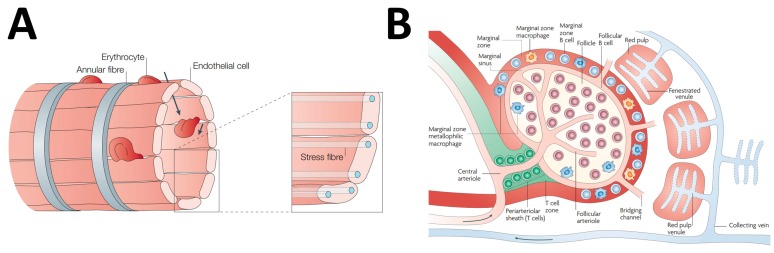
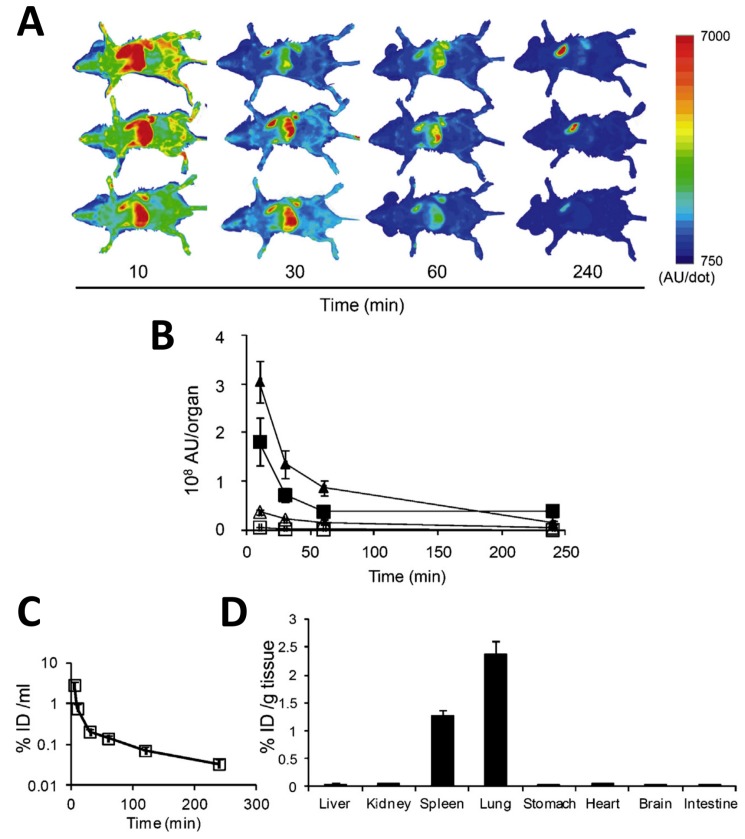
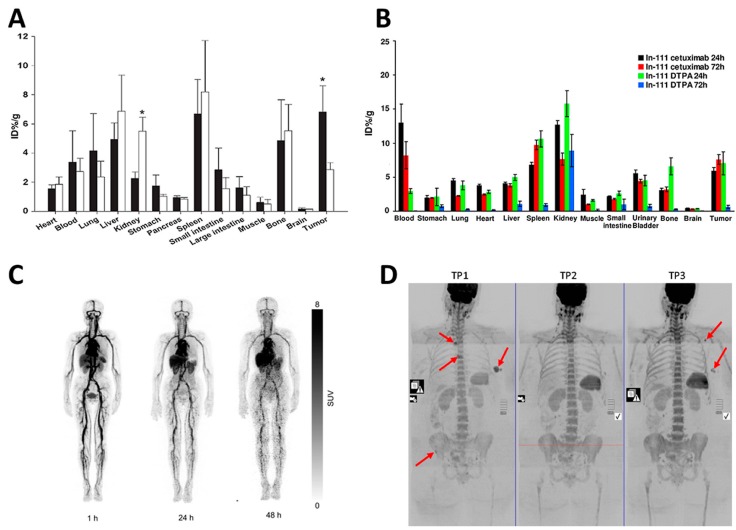
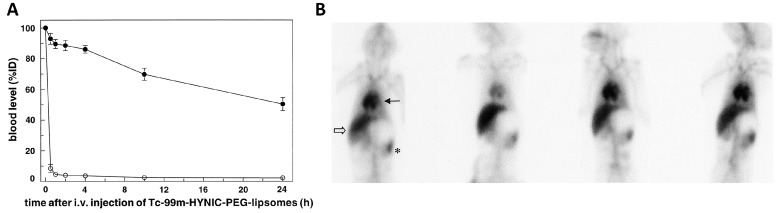
After being absorbed, drugs distribute in the body in part to reach target tissues, in part to be disposed in tissues where they do not exert clinically-relevant effects. Therapeutically-relevant effects are usually terminated by drug metabolism and/or elimination. The role that has been traditionally ascribed to the spleen in these fundamental pharmacokinetic processes was definitely marginal. However, due to its high blood flow and to the characteristics of its microcirculation, this organ would be expected to be significantly exposed to large, new generation drugs that can hardly penetrate in other tissues with tight endothelial barriers. In the present review, we examine the involvement of the spleen in the disposition of monoclonal antibodies, nanoparticles and exosomes and the possible implications for their therapeutic efficacy and toxicity. The data that we will review lead to the conclusion that a new role is emerging for the spleen in the pharmacokinetics of new generation drugs, hence suggesting that this small, neglected organ will certainly deserve stronger attention by pharmacologists in the future.
药物吸收后,在体内分布,一部分到达靶组织,一部分分布于无临床相关作用的组织中。治疗相关作用通常通过药物代谢和/或消除而终止。在这些基本药代动力学过程中,传统上认为脾脏所起的作用肯定是微不足道的。然而,由于其高血流量及其微循环特征,该器官可能会大量接触新一代大分子药物,而这些药物很难穿透具有紧密内皮屏障的其他组织。在本综述中,我们研究了脾脏在单克隆抗体、纳米颗粒和外泌体处置中的作用及其对治疗效果和毒性的潜在影响。我们将要综述的数据得出结论,脾脏在新一代药物的药代动力学中正在发挥新的作用,因此表明这个被忽视的小器官未来肯定值得药理学家给予更多关注。