Laurie Steven S, Vizzeri Gianmarco, Taibbi Giovanni, Ferguson Connor R, Hu Xiao, Lee Stuart M C, Ploutz-Snyder Robert, Smith Scott M, Zwart Sara R, Stenger Michael B
KBRwyle, Houston, Texas
Department of Ophthalmology and Visual Sciences, The University of Texas Medical Branch, Galveston, Texas.
Physiol Rep. 2017 Jun;5(11). doi: 10.14814/phy2.13302.
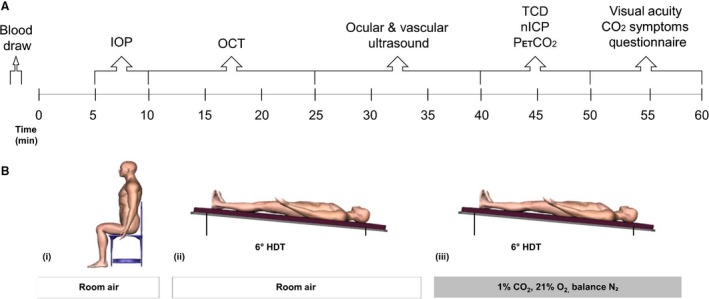
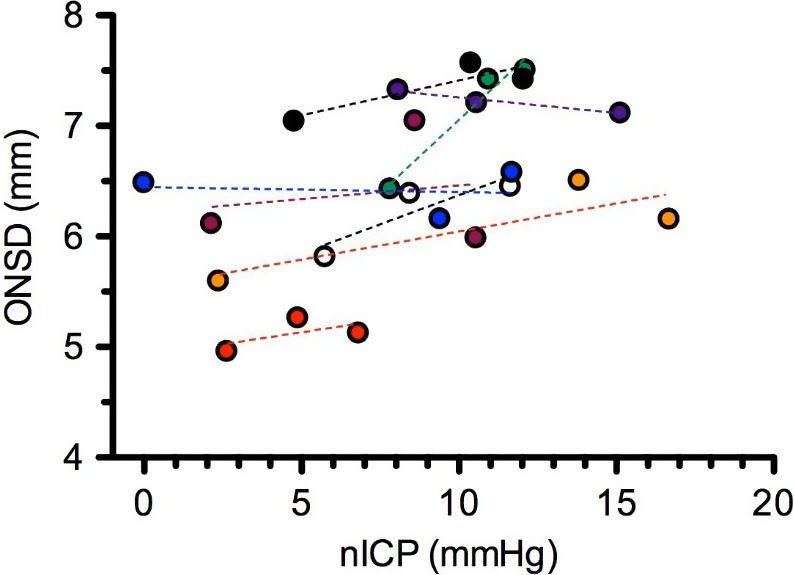
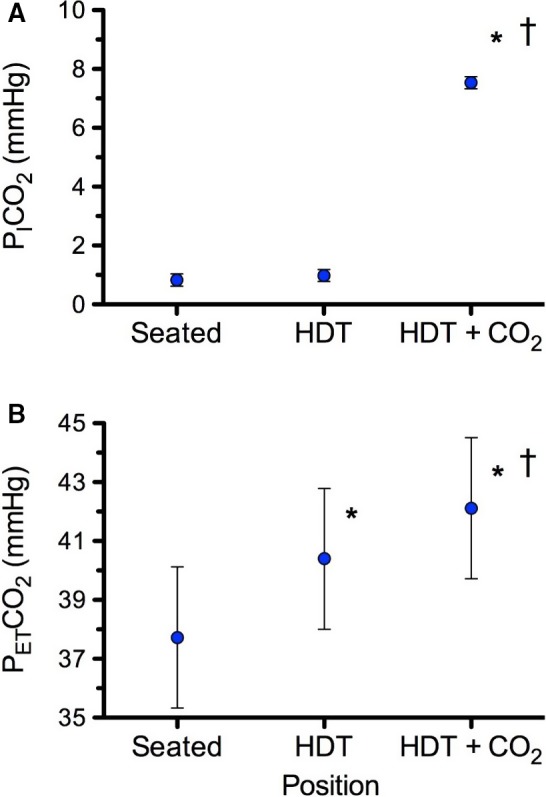
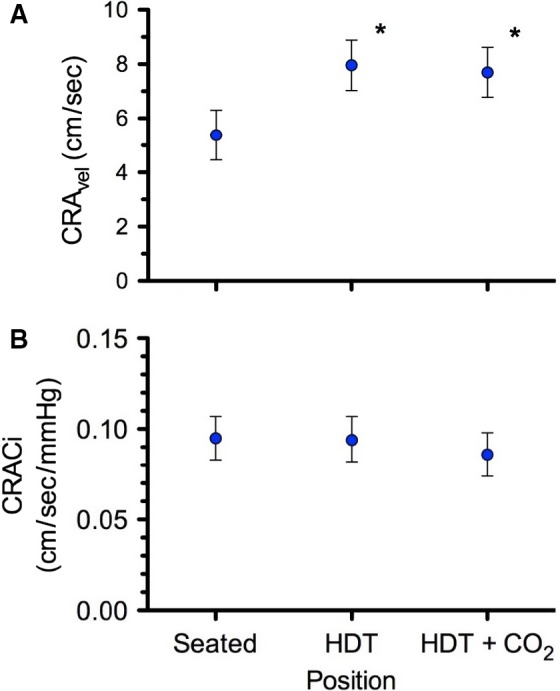
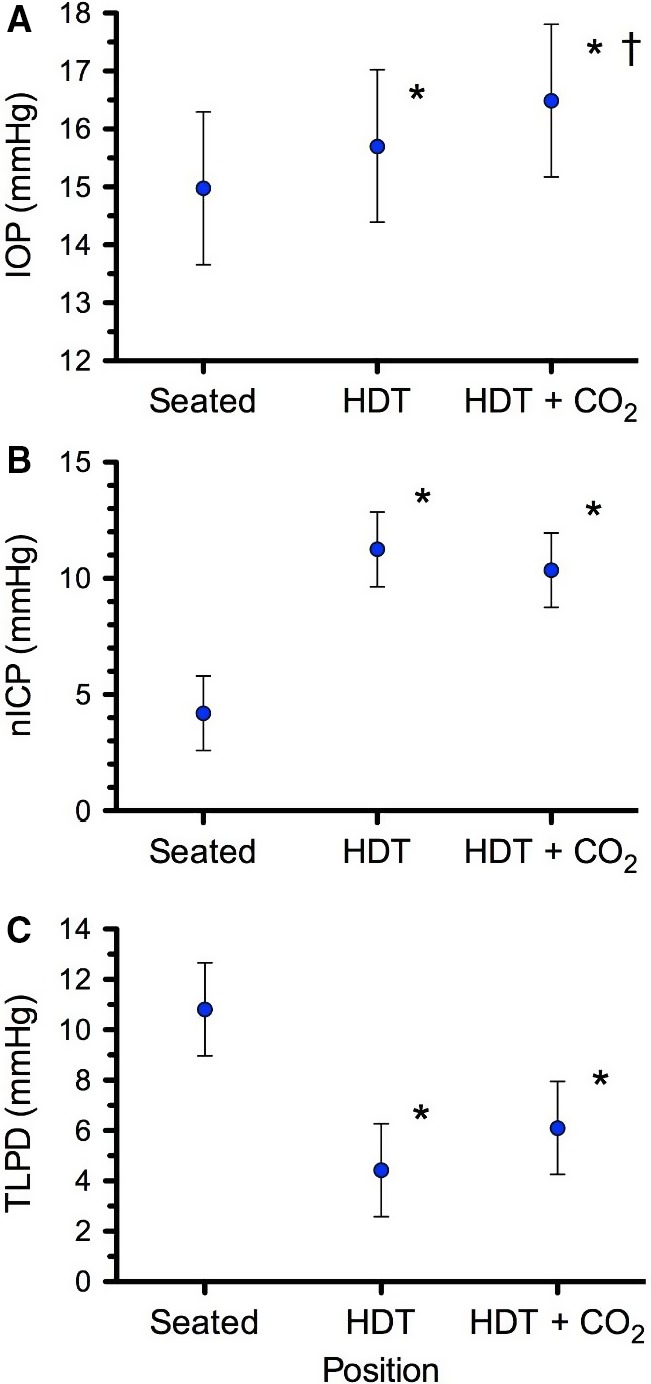
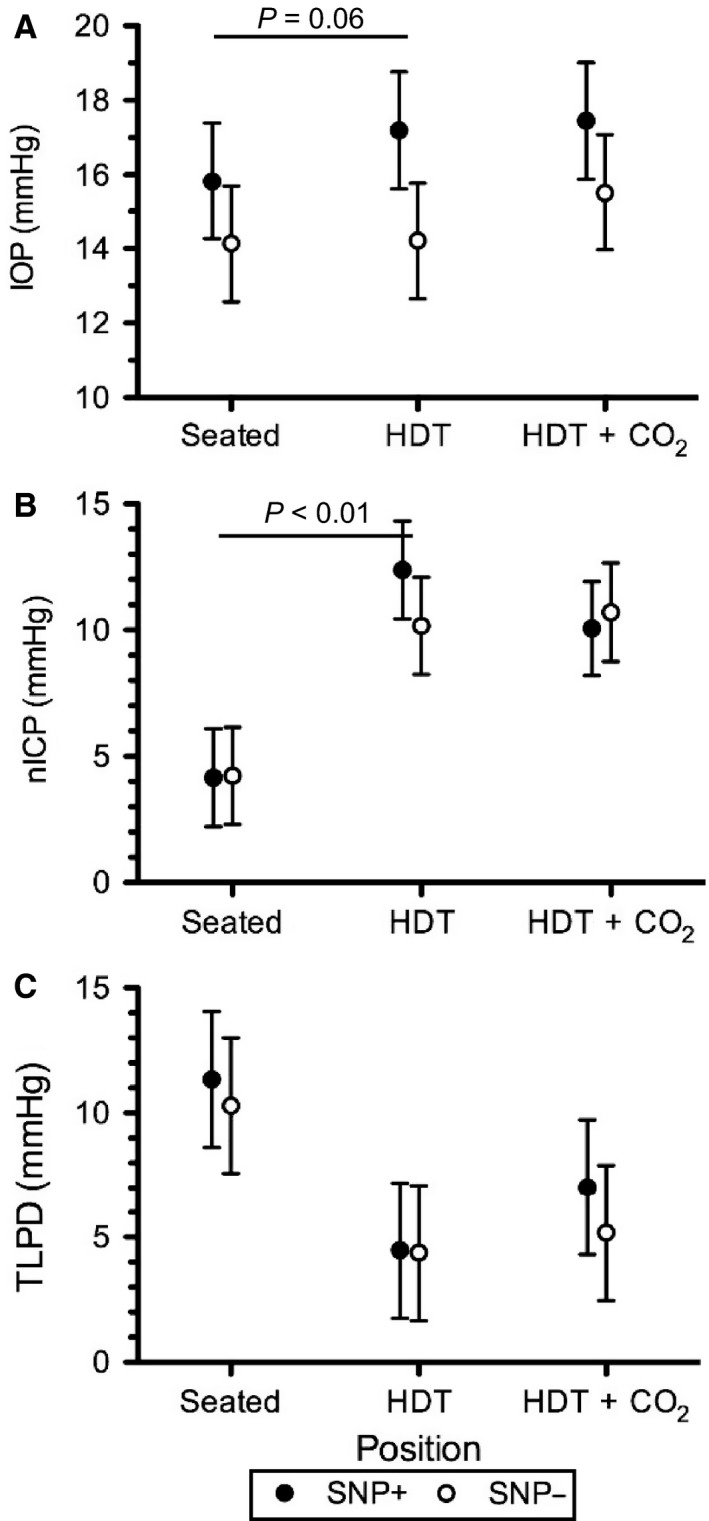
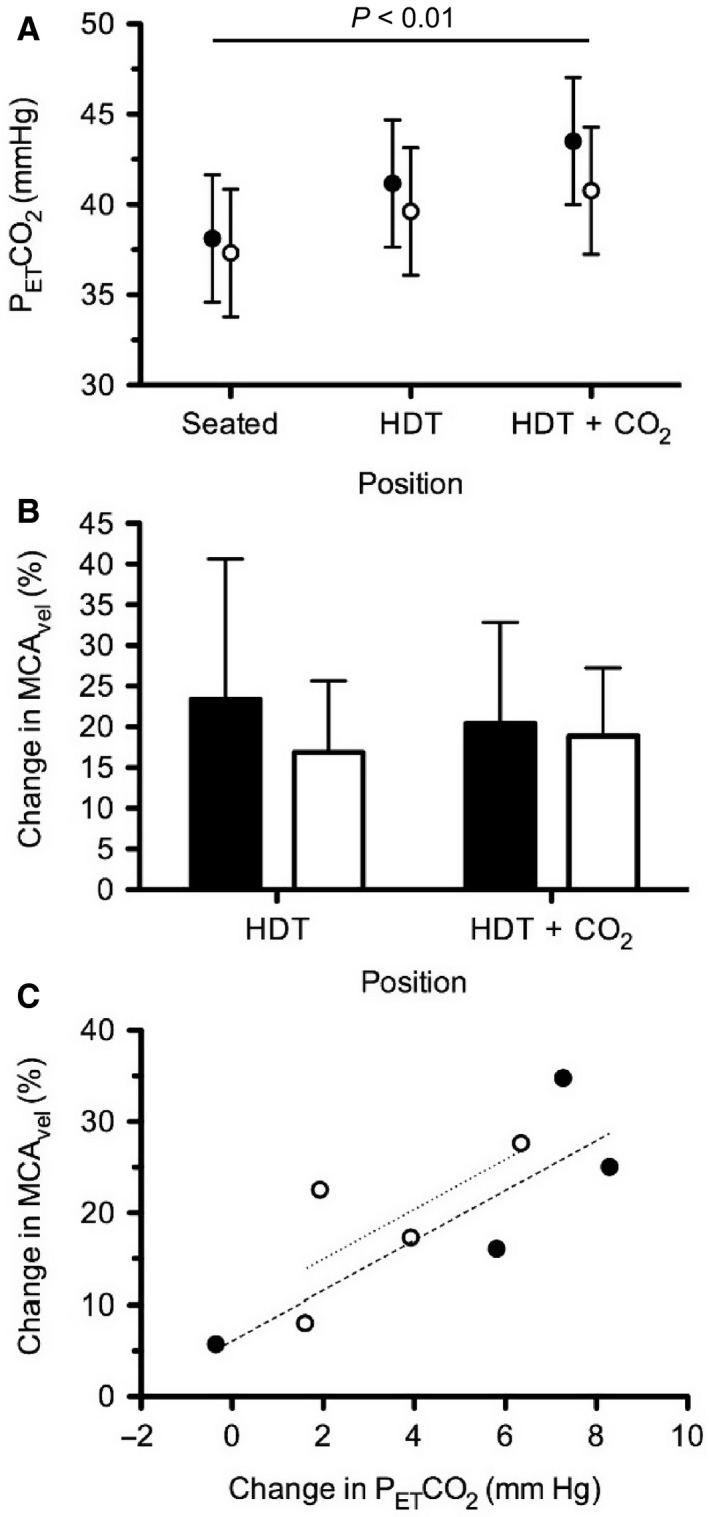
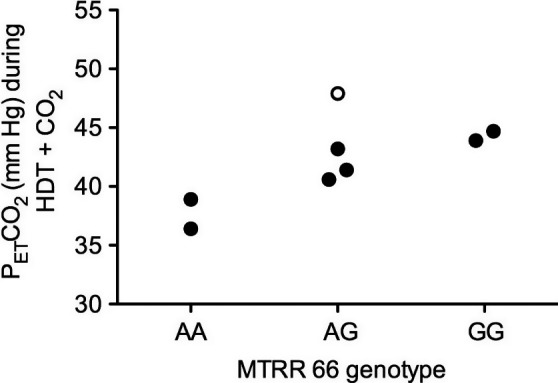
Many astronauts experience ocular structural and functional changes during long-duration spaceflight, including choroidal folds, optic disc edema, globe flattening, optic nerve sheath diameter (ONSD) distension, retinal nerve fiber layer thickening, and decreased visual acuity. The leading hypothesis suggests that weightlessness-induced cephalad fluid shifts increase intracranial pressure (ICP), which contributes to the ocular structural changes, but elevated ambient CO levels on the International Space Station may also be a factor. We used the spaceflight analog of 6° head-down tilt (HDT) to investigate possible mechanisms for ocular changes in eight male subjects during three 1-h conditions: Seated, HDT, and HDT with 1% inspired CO (HDT + CO). Noninvasive ICP, intraocular pressure (IOP), translaminar pressure difference (TLPD = IOP-ICP), cerebral and ocular ultrasound, and optical coherence tomography (OCT) scans of the macula and the optic disc were obtained. Analysis of one-carbon pathway genetics previously associated with spaceflight-induced ocular changes was conducted. Relative to Seated, IOP and ICP increased and TLPD decreased during HDT During HDT + CO IOP increased relative to HDT, but there was no significant difference in TLPD between the HDT conditions. ONSD and subfoveal choroidal thickness increased during HDT relative to Seated, but there was no difference between HDT and HDT + CO Visual acuity and ocular structures assessed with OCT imaging did not change across conditions. Genetic polymorphisms were associated with differences in IOP, ICP, and end-tidal PCO In conclusion, acute exposure to mild hypercapnia during HDT did not augment cardiovascular outcomes, ICP, or TLPD relative to the HDT condition.
许多宇航员在长期太空飞行期间会经历眼部结构和功能变化,包括脉络膜褶皱、视盘水肿、眼球扁平化、视神经鞘直径(ONSD)扩张、视网膜神经纤维层增厚以及视力下降。主要假说是失重引起的头向体液转移会增加颅内压(ICP),这导致了眼部结构变化,但国际空间站上环境二氧化碳水平升高也可能是一个因素。我们使用6°头低位倾斜(HDT)这种太空飞行模拟方法,在三种1小时的条件下研究了八名男性受试者眼部变化的可能机制:坐姿、HDT以及吸入1%二氧化碳的HDT(HDT + CO)。获取了无创颅内压、眼压(IOP)、跨筛板压力差(TLPD = IOP - ICP)、脑部和眼部超声以及黄斑和视盘的光学相干断层扫描(OCT)。对先前与太空飞行引起的眼部变化相关的一碳途径遗传学进行了分析。相对于坐姿,HDT期间眼压和颅内压升高,跨筛板压力差降低。在HDT + CO期间,眼压相对于HDT升高,但HDT各条件之间跨筛板压力差无显著差异。相对于坐姿,HDT期间视神经鞘直径和黄斑下脉络膜厚度增加,但HDT与HDT + CO之间无差异。通过OCT成像评估的视力和眼部结构在各条件下均未改变。基因多态性与眼压、颅内压和呼气末二氧化碳分压的差异相关。总之,相对于HDT条件,HDT期间急性暴露于轻度高碳酸血症并未增加心血管结局、颅内压或跨筛板压力差。