Guillebaud Florent, Girardet Clémence, Abysique Anne, Gaigé Stéphanie, Barbouche Rym, Verneuil Jérémy, Jean André, Leprince Jérôme, Tonon Marie-Christine, Dallaporta Michel, Lebrun Bruno, Troadec Jean-Denis
Laboratoire Physiologie et Physiopathologie du Système Nerveux Somato-Moteur et Neurovégétatif EA 4674, Faculté des Sciences et Techniques de St Jérôme, Université Aix-MarseilleMarseille, France.
Institut National de la Santé et de la Recherche Médicale U1239, Laboratory of Neuronal and Neuroendocrine Communication and Differentiation, Institute for Research and Innovation in Biomedicine, University of Rouen NormadieMont-Saint-Aignan, France.
Front Neurosci. 2017 May 30;11:308. doi: 10.3389/fnins.2017.00308. eCollection 2017.
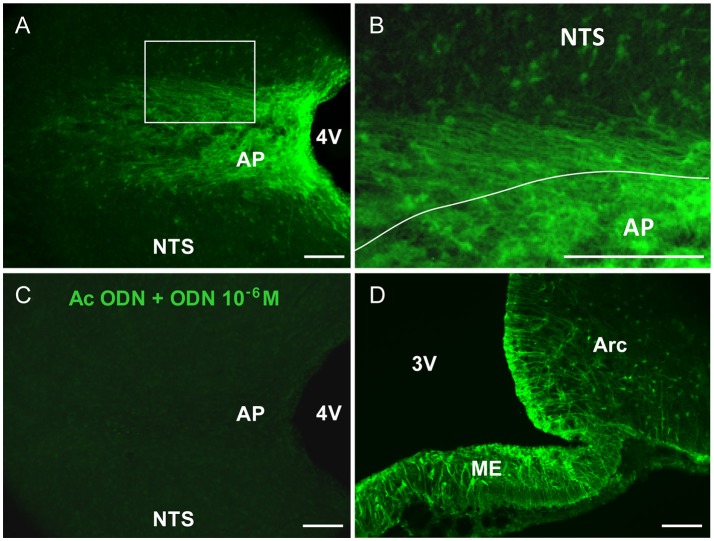
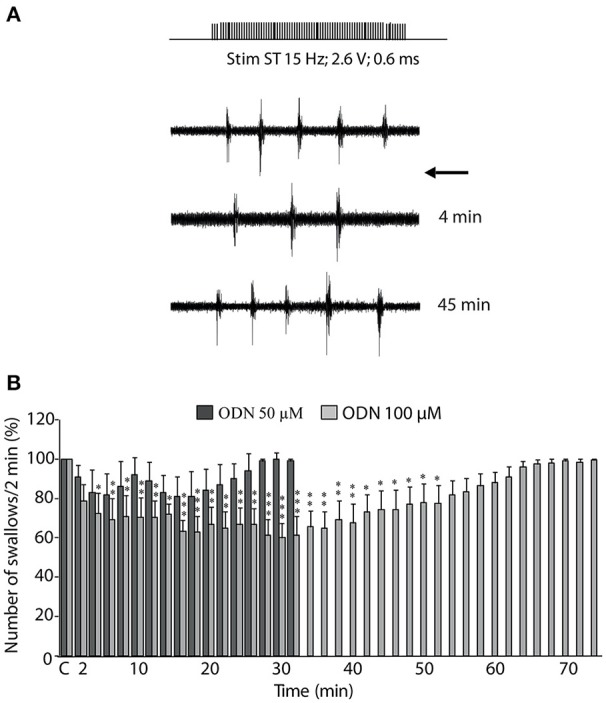
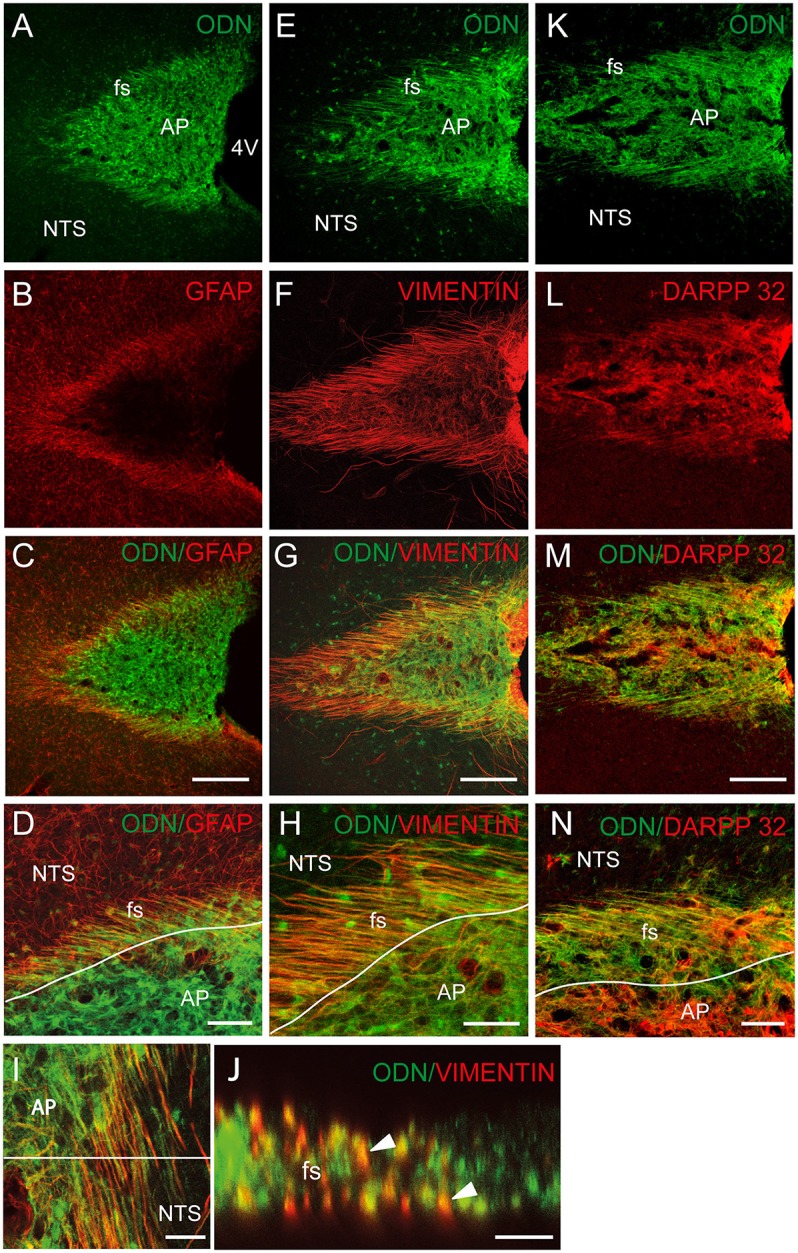
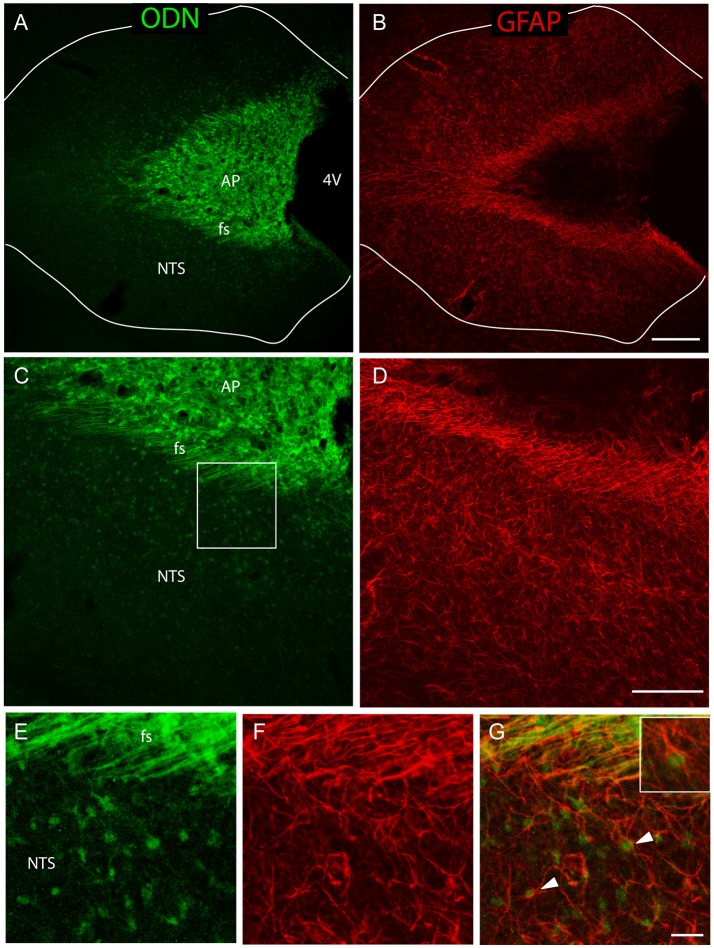
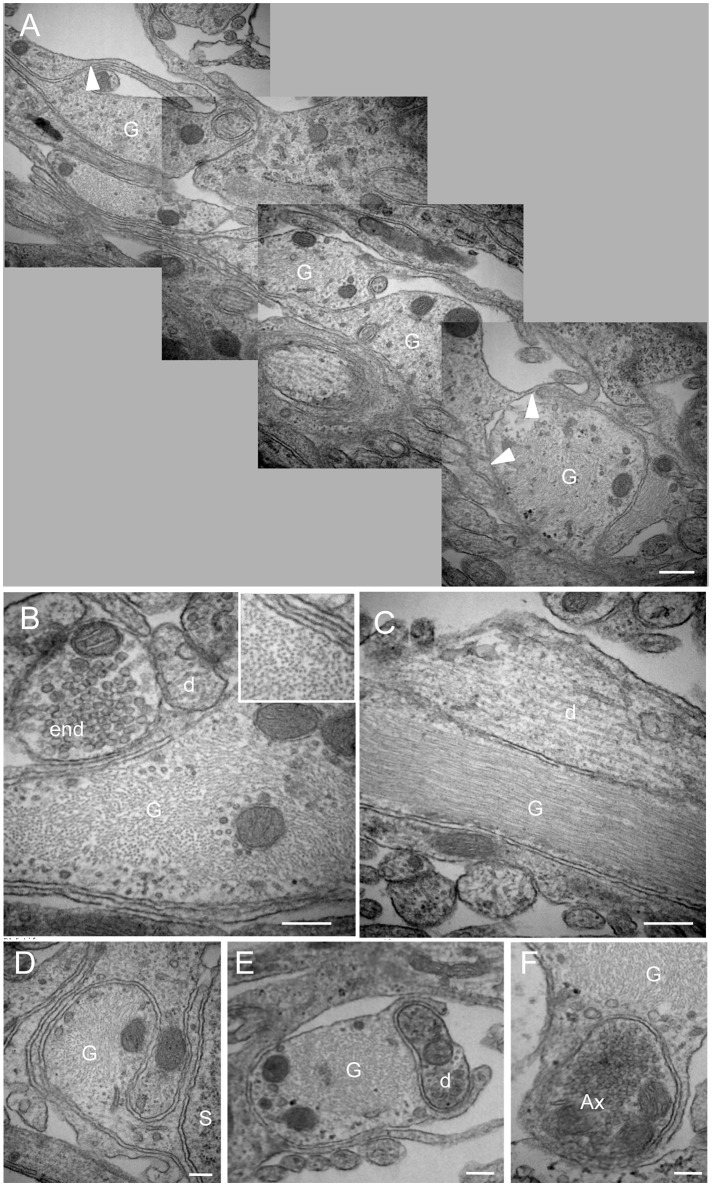
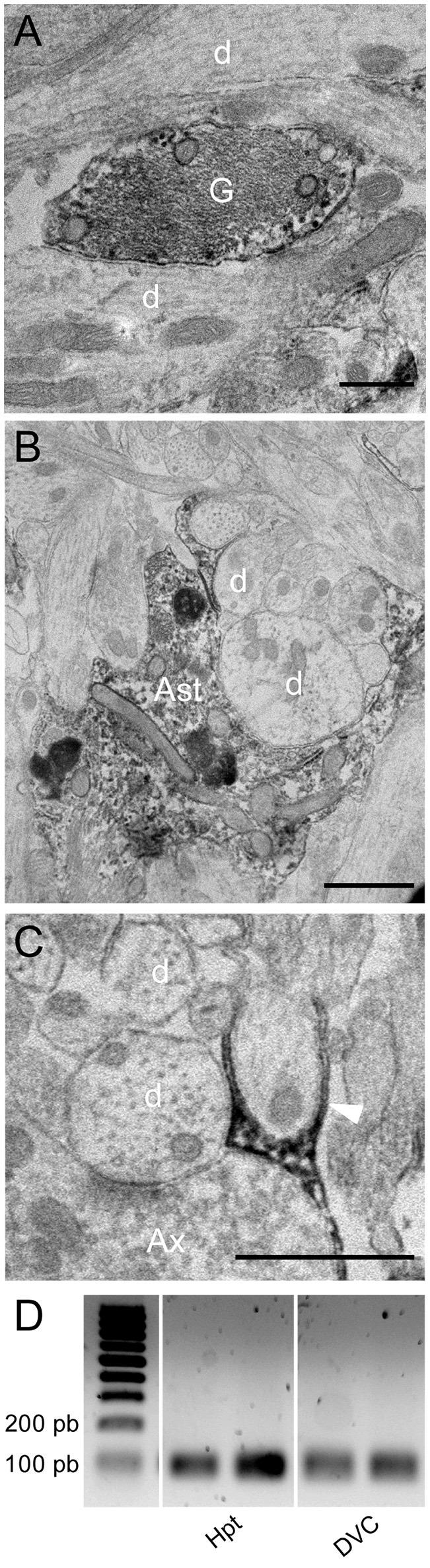
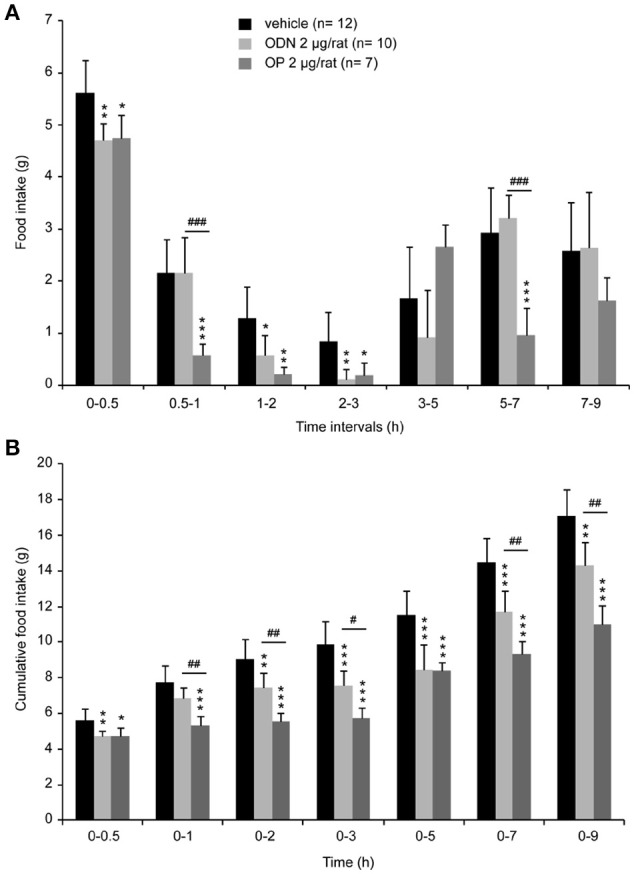
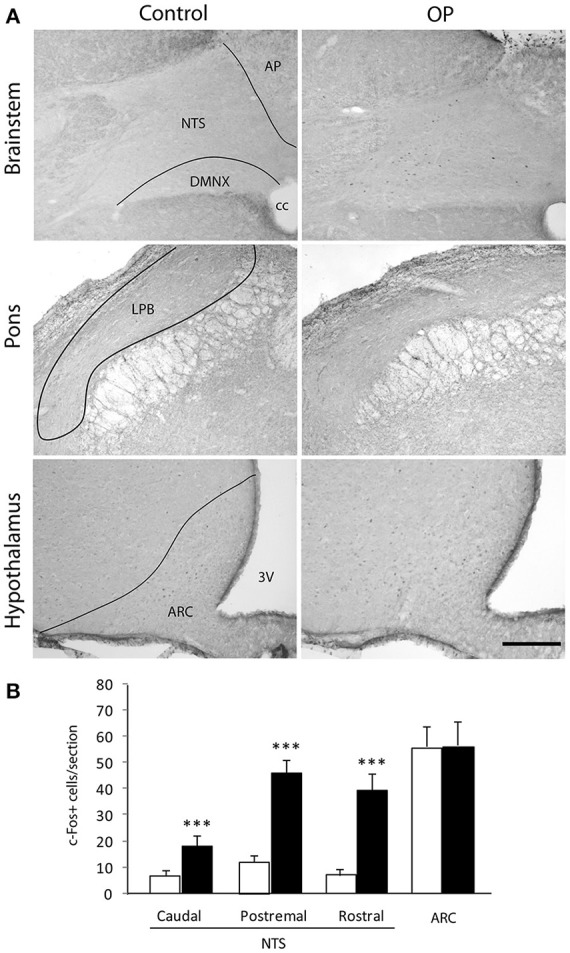
Endozepines are endogenous ligands for the benzodiazepine receptors and also target a still unidentified GPCR. The endozepine octadecaneuropeptide (ODN), an endoproteolytic processing product of the diazepam-binding inhibitor (DBI) was recently shown to be involved in food intake control as an anorexigenic factor through ODN-GPCR signaling and mobilization of the melanocortinergic signaling pathway. Within the hypothalamus, the DBI gene is mainly expressed by non-neuronal cells such as ependymocytes, tanycytes, and protoplasmic astrocytes, at levels depending on the nutritional status. Administration of ODN C-terminal octapeptide (OP) in the arcuate nucleus strongly reduces food intake. Up to now, the relevance of extrahypothalamic targets for endozepine signaling-mediated anorexia has been largely ignored. We focused our study on the dorsal vagal complex located in the caudal brainstem. This structure is strongly involved in the homeostatic control of food intake and comprises structural similarities with the hypothalamus. In particular, a circumventricular organ, the area postrema (AP) and a tanycyte-like cells forming barrier between the AP and the adjacent nucleus tractus solitarius (NTS) are present. We show here that DBI is highly expressed by ependymocytes lining the fourth ventricle, tanycytes-like cells, as well as by proteoplasmic astrocytes located in the vicinity of AP/NTS interface. ODN staining observed at the electron microscopic level reveals that ODN-expressing tanycyte-like cells and protoplasmic astrocytes are sometimes found in close apposition to neuronal elements such as dendritic profiles or axon terminals. Intracerebroventricular injection of ODN or OP in the fourth ventricle triggers c-Fos activation in the dorsal vagal complex and strongly reduces food intake. We also show that, similarly to leptin, ODN inhibits the swallowing reflex when microinjected into the swallowing pattern generator located in the NTS. In conclusion, we hypothesized that ODN expressing cells located at the AP/NTS interface could release ODN and modify excitability of NTS neurocircuitries involved in food intake control.
内源性苯二氮䓬类配体是苯二氮䓬受体的内源性配体,并且还作用于一种尚未明确的G蛋白偶联受体(GPCR)。内源性苯二氮䓬类物质十八烷神经肽(ODN)是地西泮结合抑制剂(DBI)的一种内蛋白水解加工产物,最近研究表明,它作为一种厌食因子,通过ODN-GPCR信号传导和黑皮质素信号通路的动员参与食物摄入控制。在下丘脑中,DBI基因主要由非神经元细胞表达,如室管膜细胞、伸长细胞和原浆性星形胶质细胞,其表达水平取决于营养状况。在弓状核中注射ODN C末端八肽(OP)可显著减少食物摄入量。到目前为止,内源性苯二氮䓬类信号介导的厌食症的下丘脑外靶点的相关性在很大程度上被忽视了。我们将研究重点放在位于延髓尾部的迷走神经背核复合体上。这个结构在食物摄入的稳态控制中起着重要作用,并且与下丘脑具有结构相似性。特别是,存在一个室周器官——最后区(AP),以及在AP和相邻的孤束核(NTS)之间形成屏障的伸长细胞样细胞。我们在此表明,DBI在第四脑室衬里的室管膜细胞、伸长细胞样细胞以及位于AP/NTS界面附近的原浆性星形胶质细胞中高度表达。在电子显微镜水平观察到的ODN染色显示,表达ODN的伸长细胞样细胞和原浆性星形胶质细胞有时与神经元成分如树突轮廓或轴突终末紧密相邻。在第四脑室内脑室内注射ODN或OP会触发迷走神经背核复合体中的c-Fos激活,并显著减少食物摄入量。我们还表明,与瘦素类似,当将ODN微量注射到位于NTS的吞咽模式发生器中时,它会抑制吞咽反射。总之,我们推测位于AP/NTS界面的表达ODN的细胞可能释放ODN并改变参与食物摄入控制的NTS神经回路的兴奋性。