College of Pharmacy and Graduate School of Pharmaceutical Sciences, Ewha Womans University, Seoul, 03760, Korea.
Aging Cell. 2017 Oct;16(5):1035-1042. doi: 10.1111/acel.12631. Epub 2017 Jun 14.
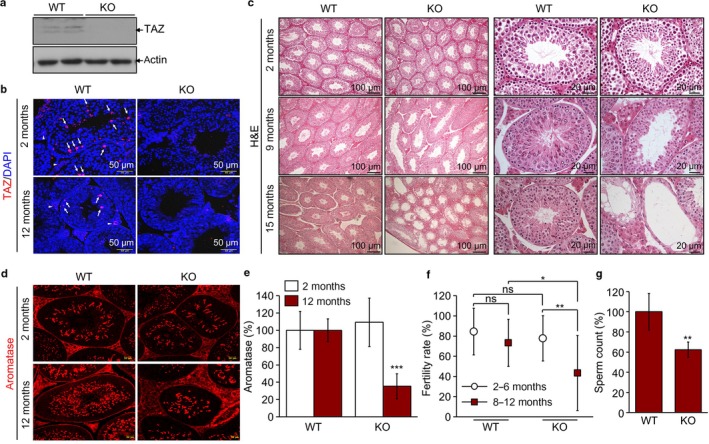
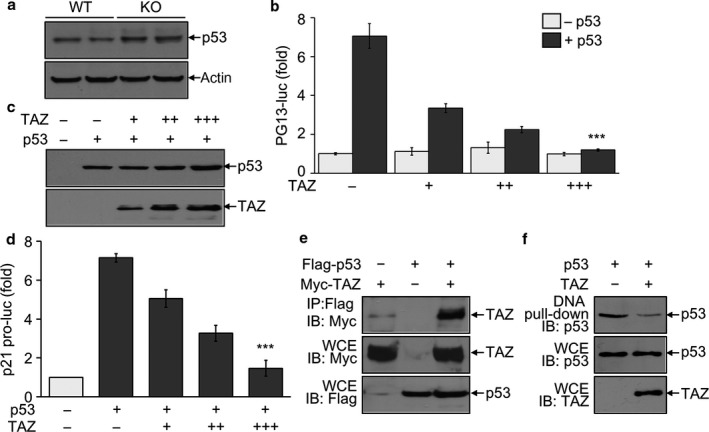
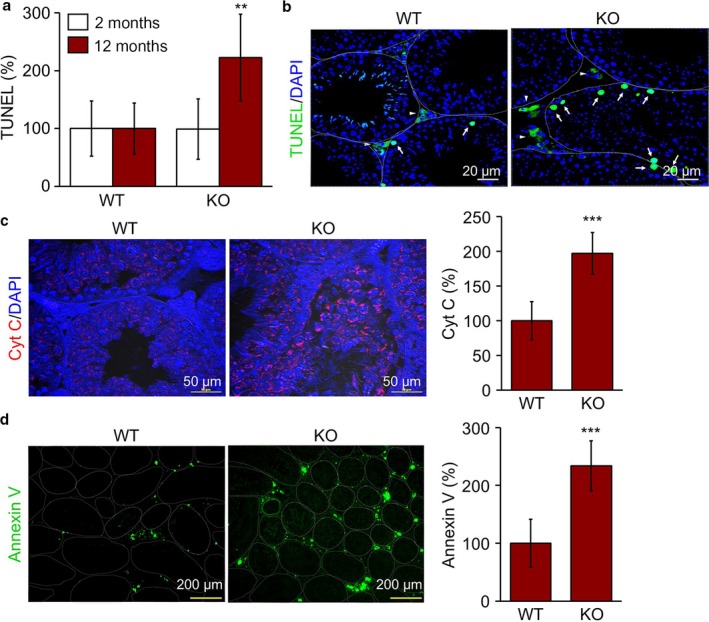
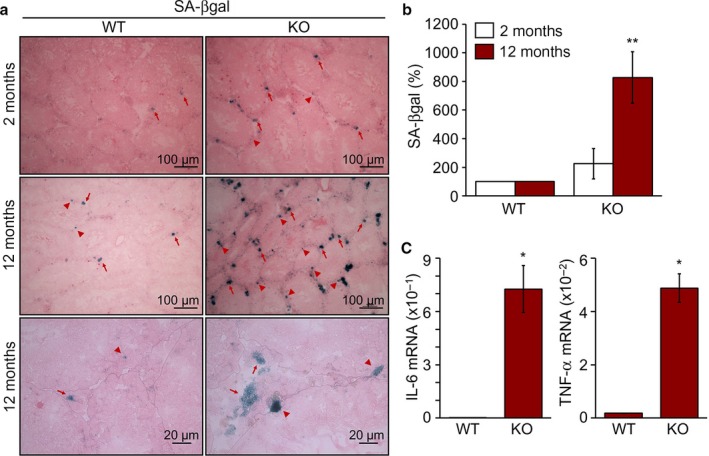
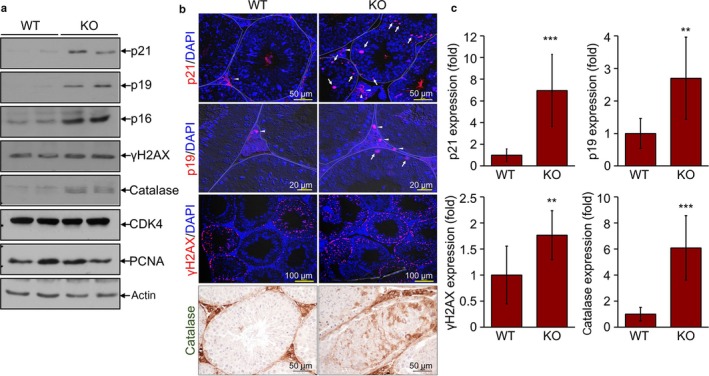
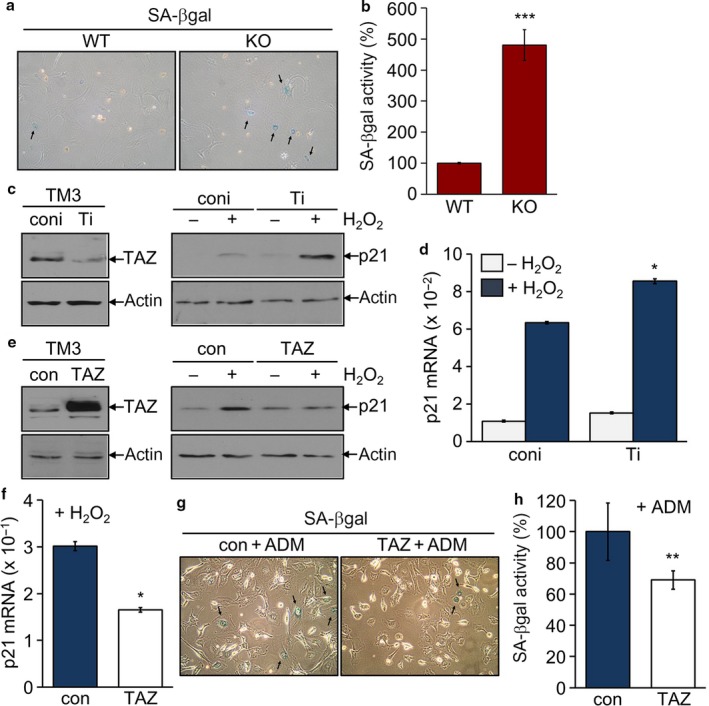
Transcriptional coactivator with PDZ-binding motif (TAZ) directly interacts with transcription factors and regulates their transcriptional activity. Extensive functional studies have shown that TAZ plays critical regulatory roles in stem cell proliferation, differentiation, and survival and also modulates the development of organs such as the lung, kidney, heart, and bone. Despite the importance of TAZ in stem cell maintenance, TAZ function has not yet been evaluated in spermatogenic stem cells of the male reproductive system. Here, we investigated the expression and functions of TAZ in mouse testis. TAZ was expressed in spermatogenic stem cells; however, its deficiency caused significant structural abnormalities, including atrophied tubules, widened interstitial space, and abnormal Leydig cell expansion, thereby resulting in lowered sperm counts and impaired fertility. Furthermore, TAZ deficiency increased the level of apoptosis and senescence in spermatogenic cells and Leydig cells upon aging. The expression of senescence-associated β-galactosidase (SA-βgal), secretory phenotypes, and cyclin-dependent kinase inhibitors (p16, p19, and p21) significantly increased in the absence of TAZ. TAZ downregulation in testicular cells further increased SA-βgal and p21 expression induced by oxidative stress, whereas TAZ overexpression decreased p21 induction and prevented senescence. Mechanistic studies showed that TAZ suppressed DNA-binding activity of p53 through a direct interaction and thus attenuated p53-induced p21 gene transcription. Our results suggested that TAZ may suppress apoptosis and premature senescence in spermatogenic cells by inhibiting the p53-p21 signaling pathway, thus playing important roles in the maintenance and control of reproductive function.
转录共激活因子含有 PDZ 结合基序(TAZ),可直接与转录因子相互作用并调节其转录活性。广泛的功能研究表明,TAZ 在干细胞增殖、分化和存活中发挥关键调节作用,并且还调节肺、肾、心脏和骨骼等器官的发育。尽管 TAZ 在干细胞维持中很重要,但 TAZ 功能尚未在雄性生殖系统的精原干细胞中进行评估。在这里,我们研究了 TAZ 在小鼠睾丸中的表达和功能。TAZ 在精原干细胞中表达;然而,其缺乏导致显著的结构异常,包括萎缩的小管、扩大的间质空间和异常的莱迪希细胞扩张,从而导致精子计数降低和生育能力受损。此外,TAZ 缺乏会增加衰老时精原细胞和莱迪希细胞中的细胞凋亡和衰老水平。衰老相关β-半乳糖苷酶(SA-βgal)、分泌表型和细胞周期蛋白依赖性激酶抑制剂(p16、p19 和 p21)的表达在缺乏 TAZ 的情况下显著增加。睾丸细胞中 TAZ 的下调进一步增加了由氧化应激诱导的 SA-βgal 和 p21 表达,而 TAZ 的过表达降低了 p21 的诱导并防止了衰老。机制研究表明,TAZ 通过直接相互作用抑制 p53 的 DNA 结合活性,从而减弱 p53 诱导的 p21 基因转录。我们的研究结果表明,TAZ 可能通过抑制 p53-p21 信号通路抑制精原细胞中的细胞凋亡和过早衰老,从而在维持和控制生殖功能方面发挥重要作用。