Spaulding Caitlin N, Klein Roger D, Ruer Ségolène, Kau Andrew L, Schreiber Henry L, Cusumano Zachary T, Dodson Karen W, Pinkner Jerome S, Fremont Daved H, Janetka James W, Remaut Han, Gordon Jeffrey I, Hultgren Scott J
Department of Molecular Microbiology, Washington University in St Louis, St Louis, Missouri 63110, USA.
Center for Women's Infectious Disease Research (CWIDR), Washington University in St Louis, St Louis, Missouri 63110, USA.
Nature. 2017 Jun 22;546(7659):528-532. doi: 10.1038/nature22972. Epub 2017 Jun 14.
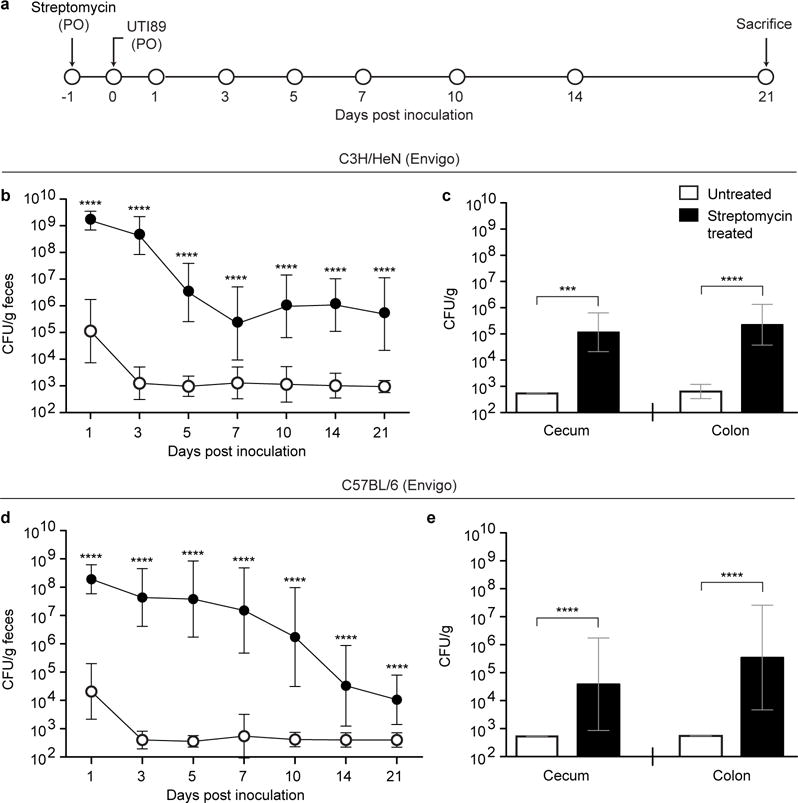
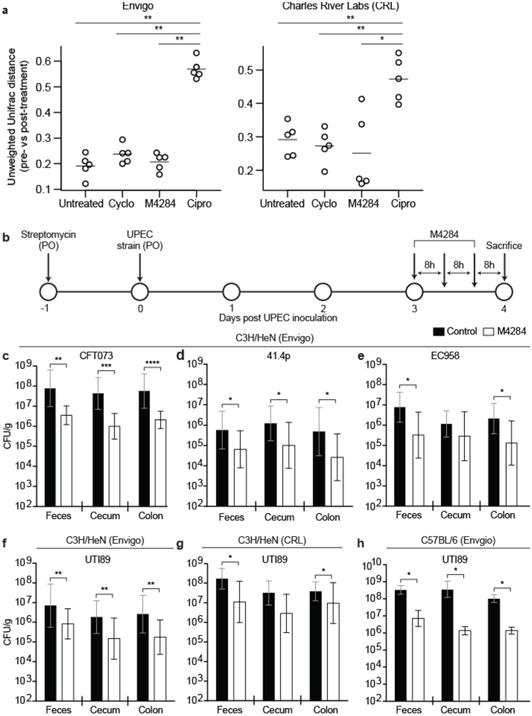
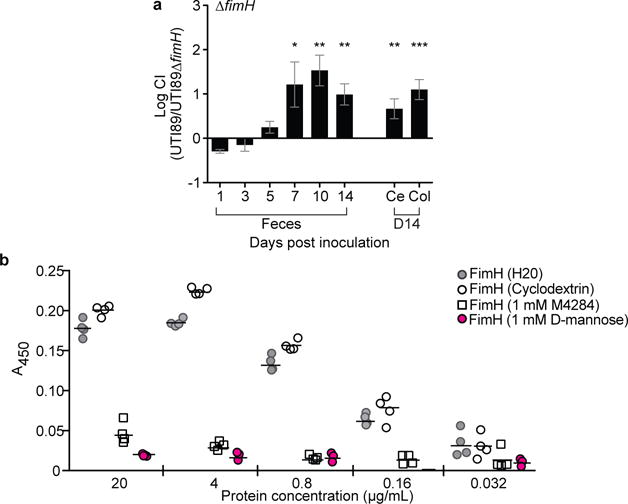
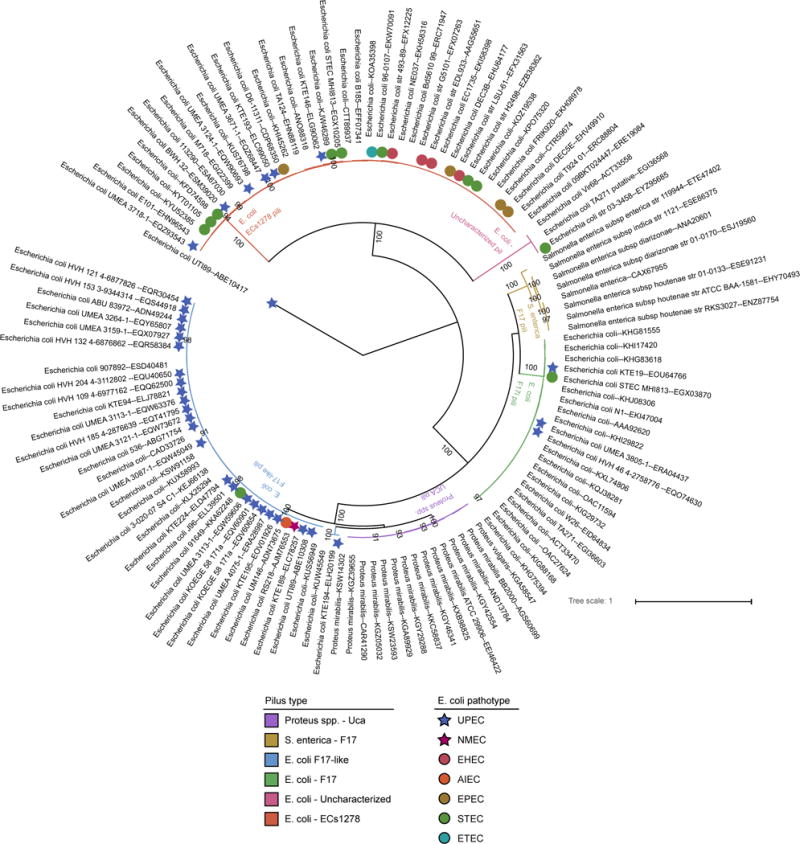
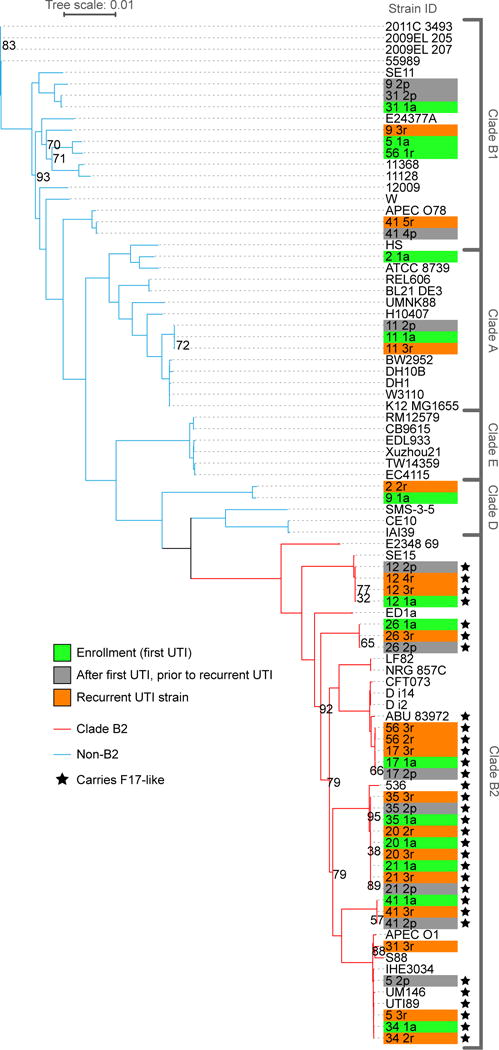
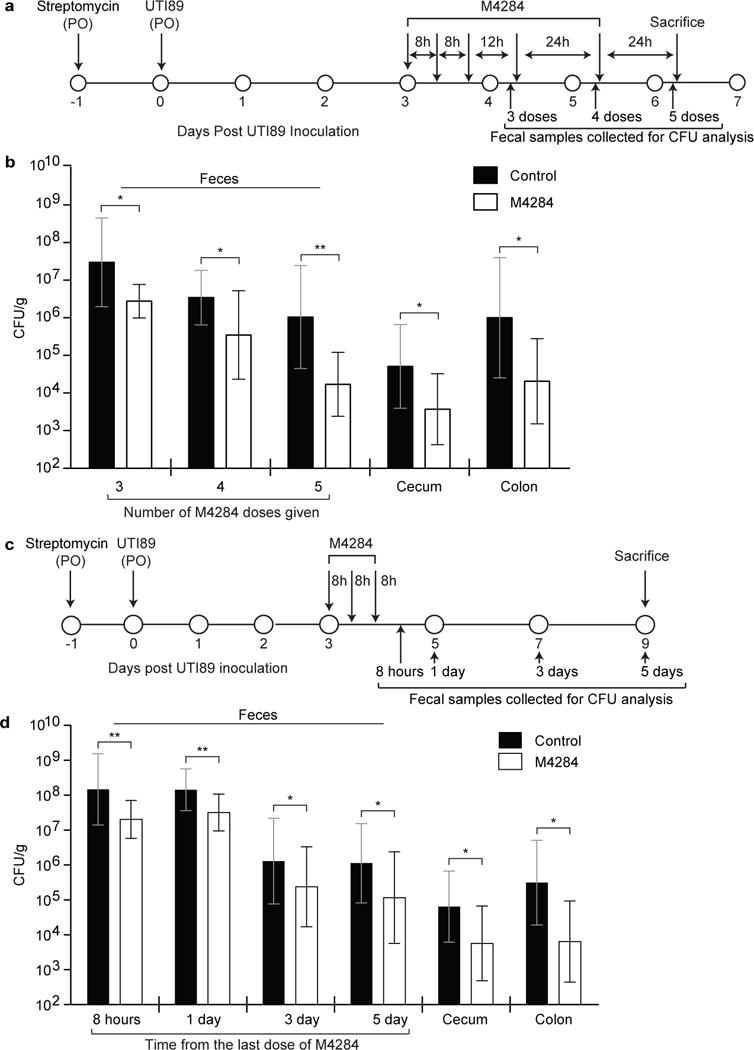
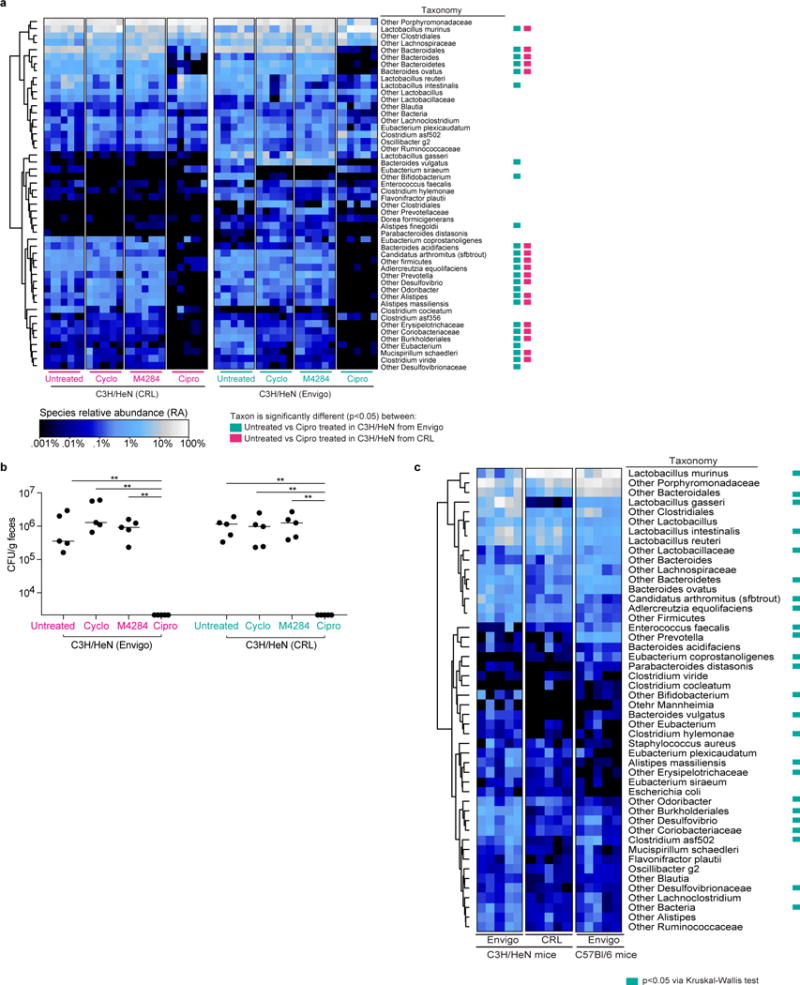
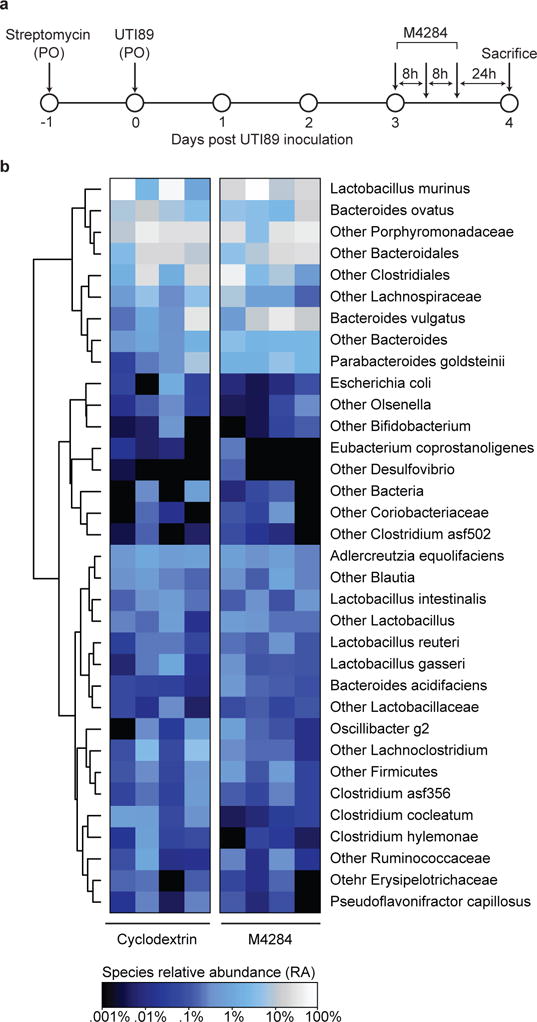
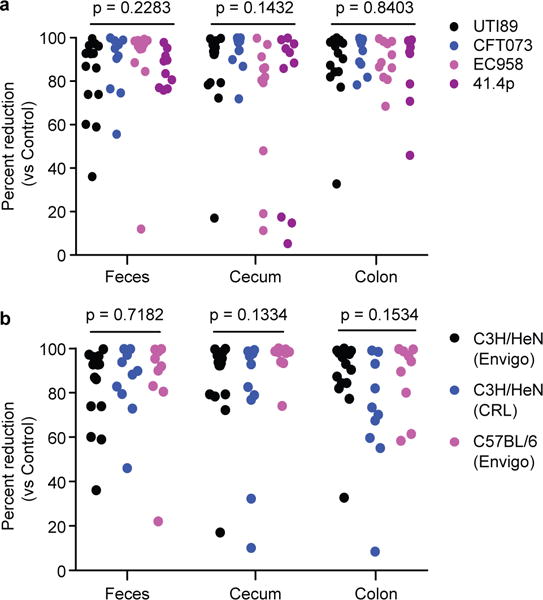
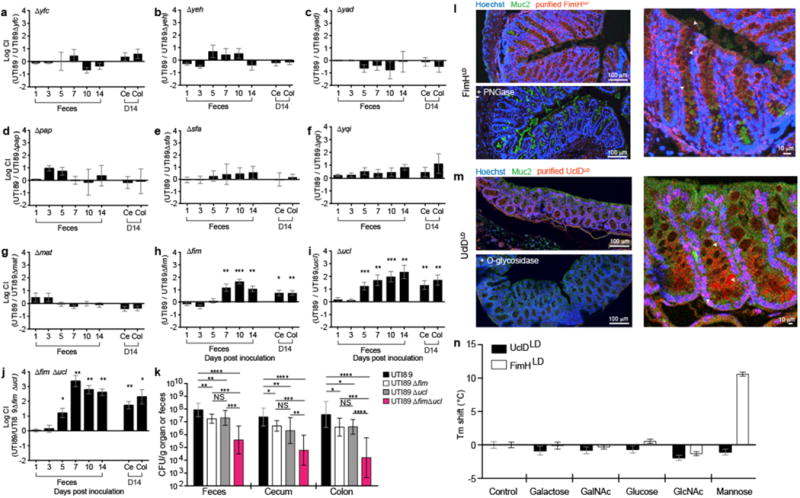
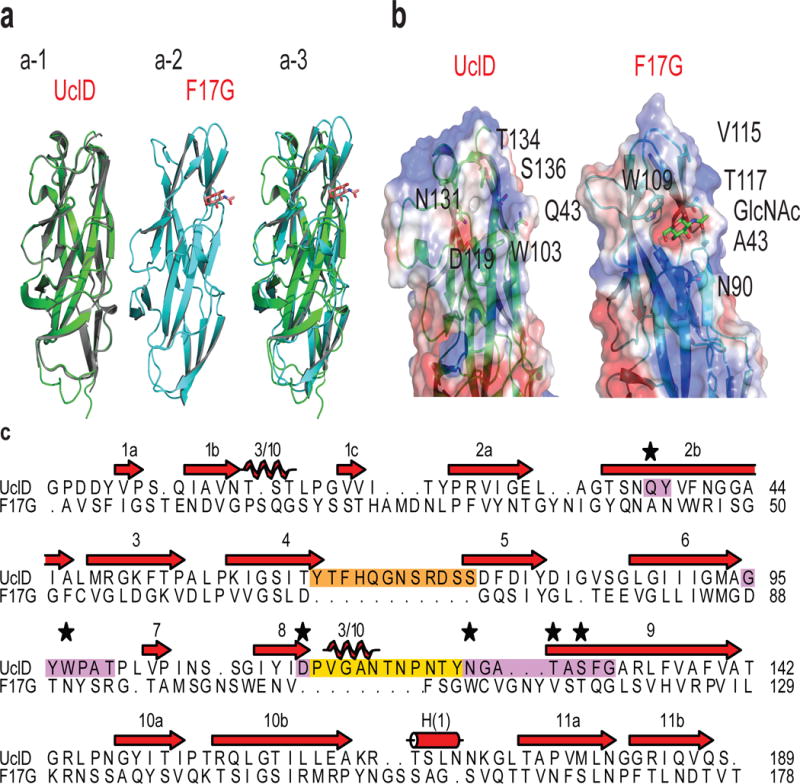
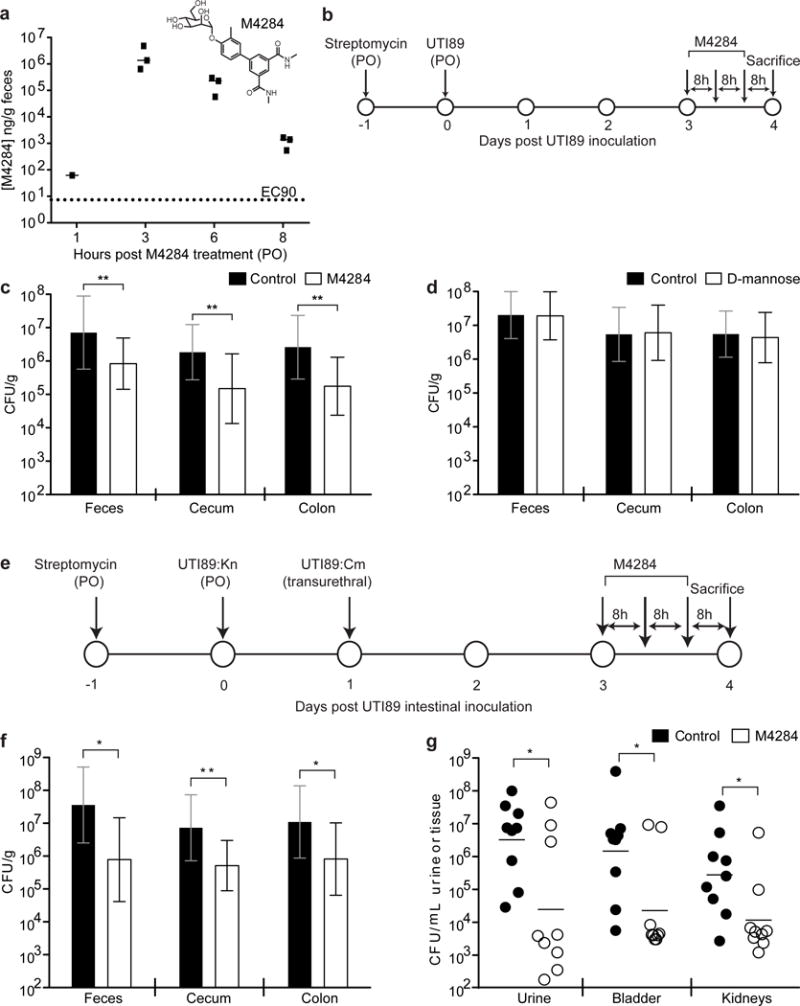
Urinary tract infections (UTIs) caused by uropathogenic Escherichia coli (UPEC) affect 150 million people annually. Despite effective antibiotic therapy, 30-50% of patients experience recurrent UTIs. In addition, the growing prevalence of UPEC that are resistant to last-line antibiotic treatments, and more recently to carbapenems and colistin, make UTI a prime example of the antibiotic-resistance crisis and emphasize the need for new approaches to treat and prevent bacterial infections. UPEC strains establish reservoirs in the gut from which they are shed in the faeces, and can colonize the periurethral area or vagina and subsequently ascend through the urethra to the urinary tract, where they cause UTIs. UPEC isolates encode up to 16 distinct chaperone-usher pathway pili, and each pilus type may enable colonization of a habitat in the host or environment. For example, the type 1 pilus adhesin FimH binds mannose on the bladder surface, and mediates colonization of the bladder. However, little is known about the mechanisms underlying UPEC persistence in the gut. Here, using a mouse model, we show that F17-like and type 1 pili promote intestinal colonization and show distinct binding to epithelial cells distributed along colonic crypts. Phylogenomic and structural analyses reveal that F17-like pili are closely related to pilus types carried by intestinal pathogens, but are restricted to extra-intestinal pathogenic E. coli. Moreover, we show that targeting FimH with M4284, a high-affinity inhibitory mannoside, reduces intestinal colonization of genetically diverse UPEC isolates, while simultaneously treating UTI, without notably disrupting the structural configuration of the gut microbiota. By selectively depleting intestinal UPEC reservoirs, mannosides could markedly reduce the rate of UTIs and recurrent UTIs.
由尿路致病性大肠杆菌(UPEC)引起的尿路感染(UTIs)每年影响着1.5亿人。尽管有有效的抗生素治疗,但仍有30%-50%的患者会经历复发性尿路感染。此外,对一线抗生素治疗耐药,以及最近对碳青霉烯类和黏菌素耐药的UPEC的患病率不断上升,使尿路感染成为抗生素耐药危机的一个典型例子,并强调需要新的方法来治疗和预防细菌感染。UPEC菌株在肠道中建立储存库,从那里随粪便排出,并可定殖于尿道周围区域或阴道,随后通过尿道上行至尿路,在那里引起尿路感染。UPEC分离株编码多达16种不同的伴侣-usher途径菌毛,每种菌毛类型可能使细菌定殖于宿主或环境中的一个栖息地。例如,1型菌毛黏附素FimH结合膀胱表面的甘露糖,并介导膀胱的定殖。然而,关于UPEC在肠道中持续存在的机制知之甚少。在这里,我们使用小鼠模型表明,F17样菌毛和1型菌毛促进肠道定殖,并显示出与沿结肠隐窝分布的上皮细胞有不同的结合。系统发育基因组学和结构分析表明,F17样菌毛与肠道病原体携带的菌毛类型密切相关,但仅限于肠外致病性大肠杆菌。此外,我们表明,用高亲和力抑制性甘露糖苷M4284靶向FimH,可减少基因多样化的UPEC分离株的肠道定殖,同时治疗尿路感染,而不会显著破坏肠道微生物群的结构配置。通过选择性地清除肠道中的UPEC储存库,甘露糖苷可以显著降低尿路感染和复发性尿路感染的发生率。