Vollan Hilde S, Tannæs Tone, Caugant Dominique A, Vriend Gert, Bukholm Geir
Department of Clinical Molecular Biology (EpiGen), Division of Medicine, Akershus University Hospital and University of Oslo, PO box 28, 1478 Lørenskog, Norway.
Norwegian Institute of Public Health, Box 4404, Nydalen, 0403 Oslo, Norway.
Gut Pathog. 2017 Jun 12;9:36. doi: 10.1186/s13099-017-0184-y. eCollection 2017.
The pH of the human gastric mucosa varies around 2.5 so that only bacteria with strong acidic stress tolerance can colonize it. The ulcer causing thrives in the gastric mucosa. We analyse the roles of the key outer membrane protein OMPLA in its roles in acid tolerance.
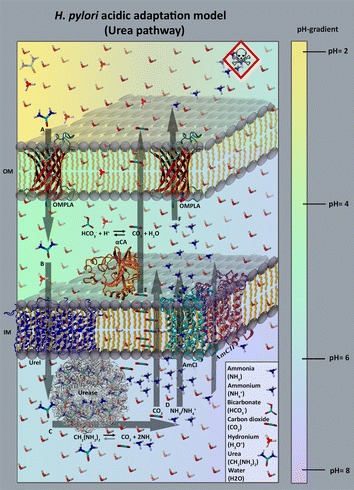
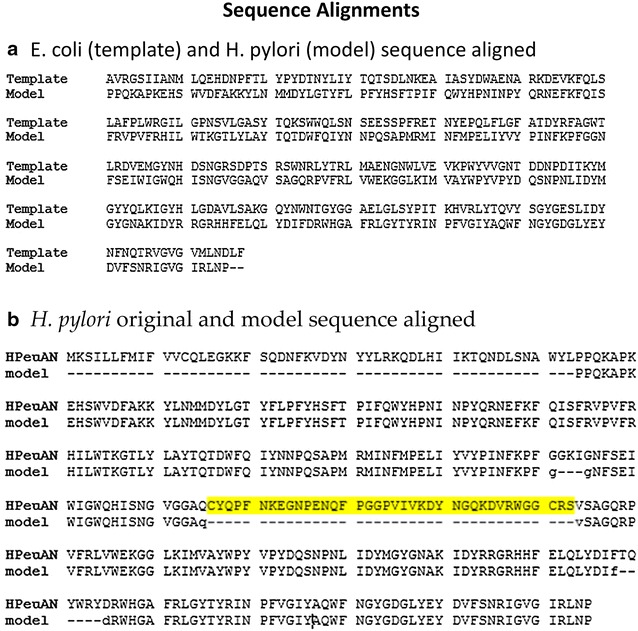
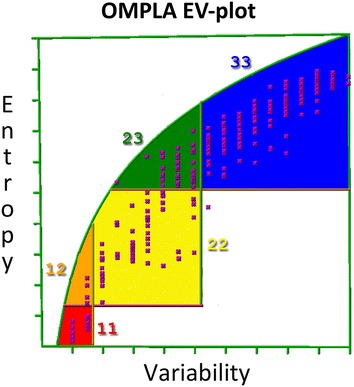
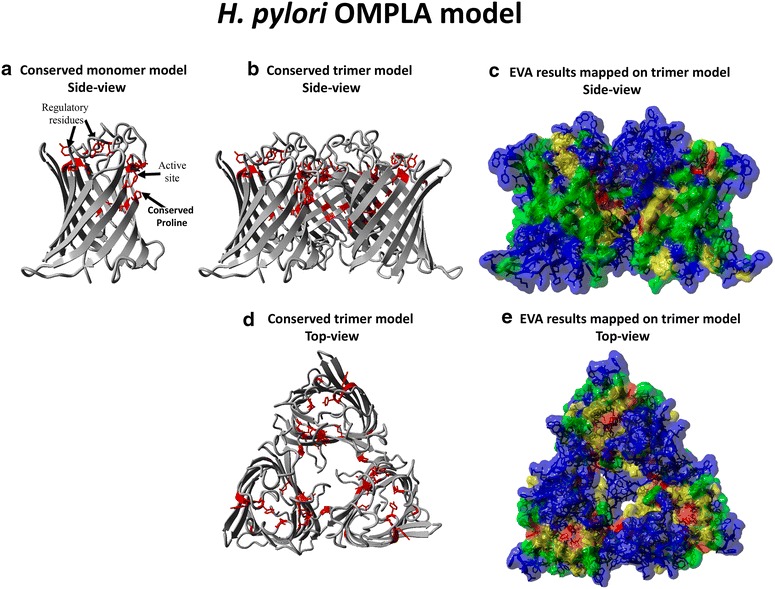
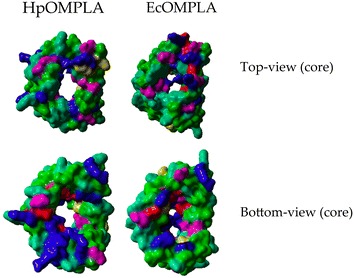
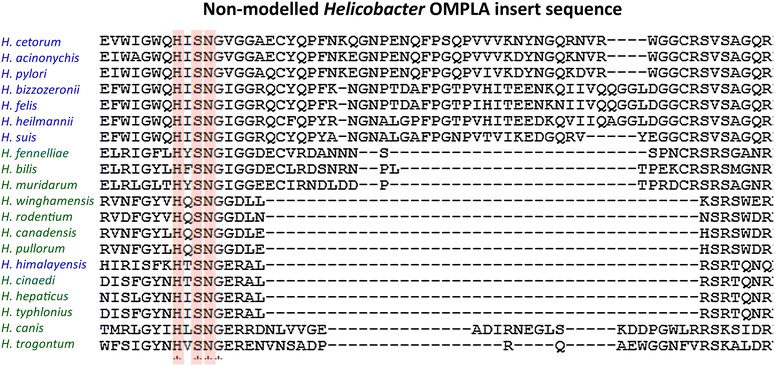
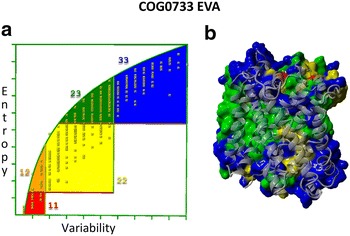
The homology model of outer membrane phospholipase A (OMPLA) reveals a twelve stranded β-barrel with a pore that allows molecules to pass with a diameter up to 4 Å. Structure based multiple sequence alignments revealed the functional roles of many amino acids, and led to the suggestion that OMPLA has multiple functions. Besides its role as phospholipase it lets urea enter and ammonium exit the periplasm. Combined with an extensive literature study, our work leads to a comprehensive model for 's acid tolerance. This model is based on the conversion of urea into ammonium, and it includes multiple roles for OMPLA and involves two hitherto little studied membrane channels in the OMPLA operon.
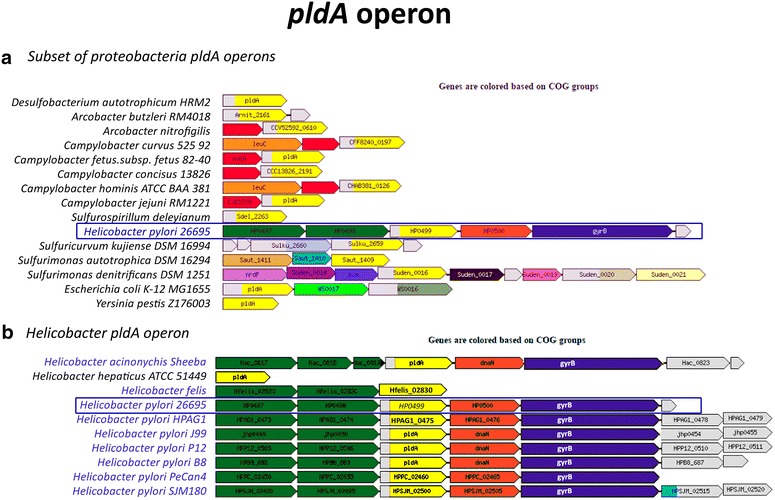
The three-dimensional model of OMPLA predicts a transmembrane pore that can aid 's acid tolerance through urea influx and ammonium efflux. After urea passes through OMPLA into the periplasm, it passes through the pH-gated inner membrane channel UreI into the cytoplasm where urease hydrolyses it into NH and CO. Most of the NH becomes NH that is likely to need an inner membrane channel to reach the periplasm. Two genes that are co-regulated with OMPLA in gastric Helicobacter operons could aid this transport. The NH that might leave the cell through the OMPLA pore has been implicated in pathogenesis.
人胃黏膜的pH值约为2.5,因此只有具有较强耐酸应激能力的细菌才能在其上定殖。导致溃疡的[细菌名称未给出]在胃黏膜中大量繁殖。我们分析了关键外膜蛋白OMPLA在其耐酸作用中的角色。
外膜磷脂酶A(OMPLA)的同源模型显示出一个由12条链组成的β桶结构,其具有一个允许直径达4 Å的分子通过的孔。基于结构的多序列比对揭示了许多氨基酸的功能作用,并表明OMPLA具有多种功能。除了作为磷脂酶的作用外,它还能让尿素进入并使铵从周质中排出。结合广泛的文献研究,我们的工作得出了一个关于[细菌名称未给出]耐酸的综合模型。该模型基于尿素向铵的转化,它包括OMPLA的多种作用,并涉及OMPLA操纵子中两个迄今研究较少的膜通道。
OMPLA的三维模型预测了一个跨膜孔,该孔可通过尿素流入和铵流出帮助[细菌名称未给出]耐酸。尿素通过OMPLA进入周质后,通过pH门控的内膜通道UreI进入细胞质,在那里脲酶将其水解为NH₃和CO₂。大部分NH₃变成NH₄⁺,这可能需要一个内膜通道才能到达周质。在胃幽门螺杆菌操纵子中与OMPLA共同调控的两个基因可能有助于这种转运。可能通过OMPLA孔离开细胞的NH₄⁺与[细菌名称未给出]的发病机制有关。