Sakane Yoriko, Kanamoto Naotetsu, Yamauchi Ichiro, Tagami Tetsuya, Morita Yusuke, Miura Masako, Sone Masakatsu, Yasoda Akihiro, Kimura Takeshi, Nakao Kazuwa, Inagaki Nobuya
Department of Diabetes, Endocrinology and Nutrition, Kyoto University Graduate School of Medicine, Kyoto, Japan.
Division of Endocrinology and Metabolism, Clinical Research Institute, National Hospital Organization Kyoto Medical Center, Kyoto, Japan.
PLoS One. 2017 Jun 15;12(6):e0179213. doi: 10.1371/journal.pone.0179213. eCollection 2017.
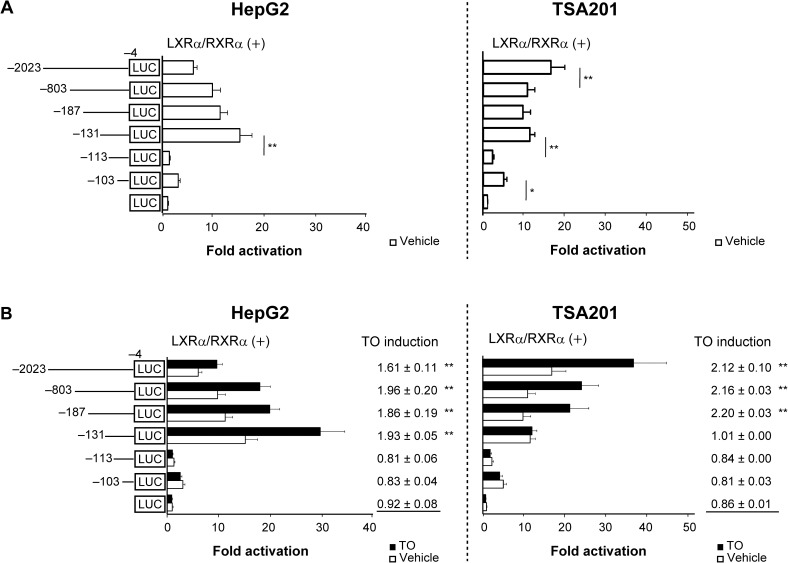
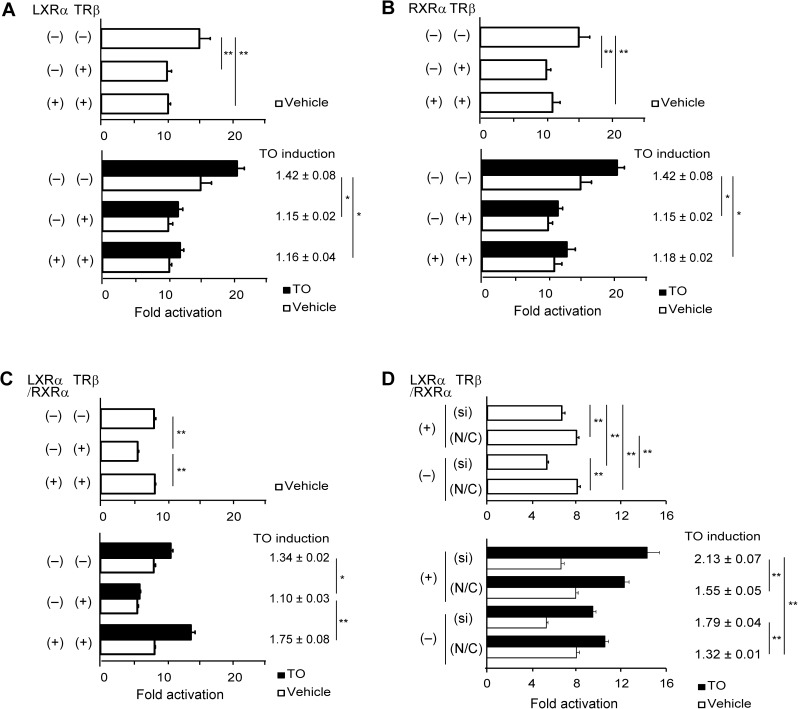
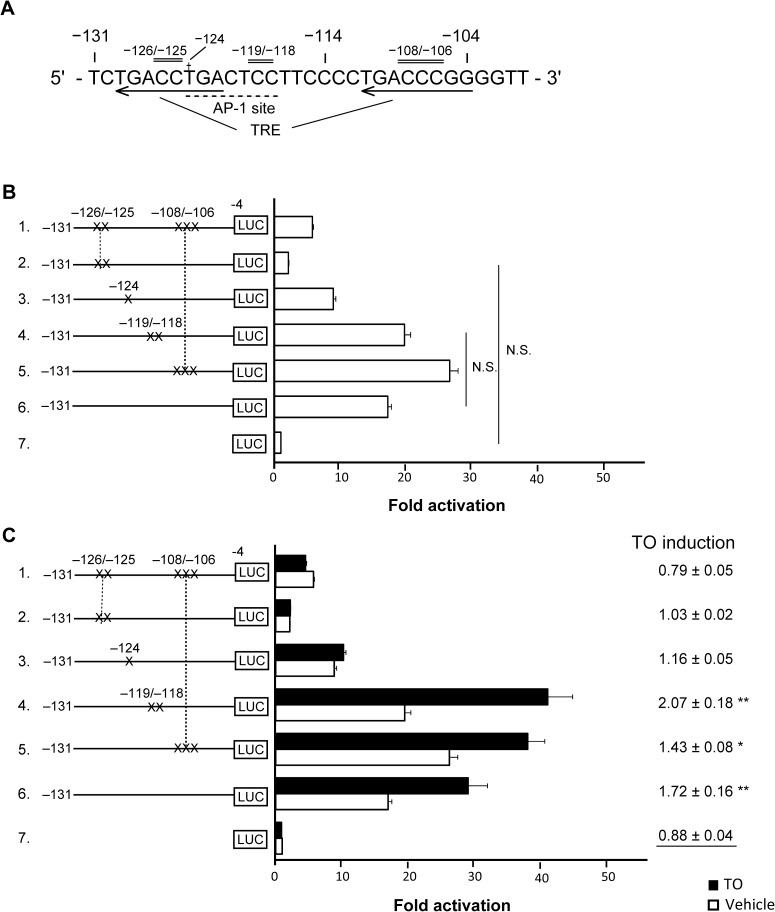
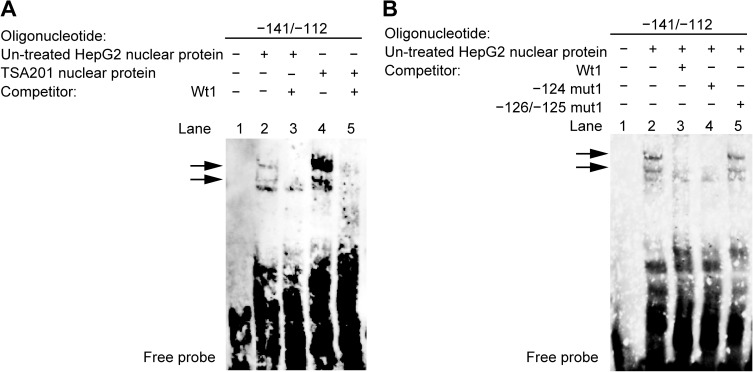
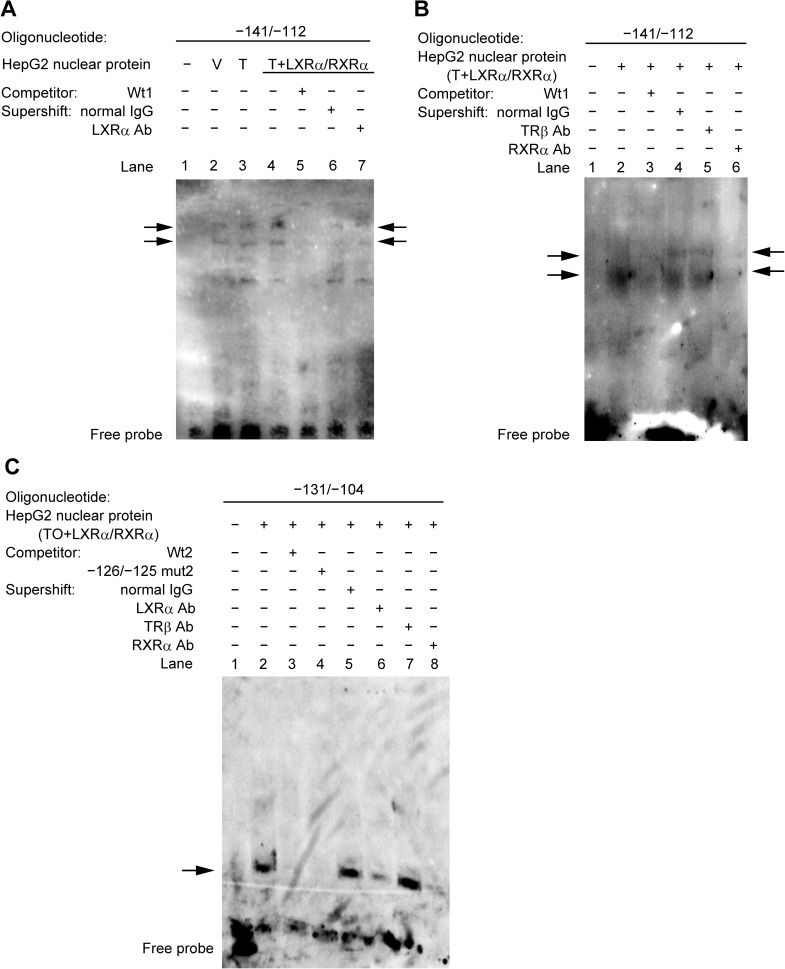
The iodothyronine deiodinases are selenoenzymes that regulate the activity of thyroid hormone via specific inner- or outer-ring deiodination. In humans, type 1 deiodinase (D1) is highly expressed in the liver, but the mechanism by which its gene expression is regulated remains to be elucidated. Liver X receptor α (LXRα), a transcription factor of the nuclear receptor superfamily, is highly expressed in the liver, where it functions as a sensor for excess intracellular oxysterols. LXRα interacts with other nuclear receptors on promoters of genes that contain a binding core sequence for nuclear receptors. In addition, it is reported that the promoter of the gene encoding human D1 (hDIO1) contains the core sequence for one of nuclear receptors, thyroid hormone receptor (TR). We investigated the involvement of LXRα in the regulation of hDIO1, in the liver. We performed hDIO1 promoter-reporter assays using a synthetic LXR agonist, T0901317, and compared promoter activity between a human liver carcinoma cell line, HepG2, and a clone of human embryonic kidney cells, TSA201. We defined the region between nucleotides -131 and -114, especially nucleotides -126 and -125, of the hDIO1 promoter as critical for basal and LXRα-mediated specific transcriptional activation in HepG2 cells. An increase in hDIO1 expression was observed in LXRα-stimulated cells, but absent in cycloheximide-treated cells, indicating that new protein synthesis is required for LXRα-mediated regulation of hDIO1. On the other hand, electrophoretic mobility shift assays revealed that LXRα and RXRα bound to the hDIO1 promoter. We also demonstrated that LXRα and TRβ compete with each other on this specific region of the promoter. In conclusion, our results indicated that LXRα plays a specific and important role in activation of TH by regulating D1, and that LXRα binds to and regulates the hDIO1 promoter, competing with TRβ on specific sequences within the promoter.
碘甲状腺原氨酸脱碘酶是一种硒酶,可通过特定的内环或外环脱碘作用调节甲状腺激素的活性。在人类中,1型脱碘酶(D1)在肝脏中高表达,但其基因表达的调控机制仍有待阐明。肝脏X受体α(LXRα)是核受体超家族的转录因子,在肝脏中高表达,在肝脏中它作为细胞内过量氧化甾醇的传感器发挥作用。LXRα与基因启动子上的其他核受体相互作用,这些基因启动子含有核受体的结合核心序列。此外,据报道,编码人类D1(hDIO1)的基因启动子包含核受体之一甲状腺激素受体(TR)的核心序列。我们研究了LXRα在肝脏中对hDIO1调控的作用。我们使用合成的LXR激动剂T0901317进行了hDIO1启动子报告基因检测,并比较了人肝癌细胞系HepG2和人胚胎肾细胞克隆TSA201之间的启动子活性。我们将hDIO1启动子核苷酸-131至-114之间的区域,特别是核苷酸-126和-125,定义为HepG2细胞中基础和LXRα介导的特异性转录激活的关键区域。在LXRα刺激的细胞中观察到hDIO1表达增加,但在环己酰亚胺处理的细胞中未观察到,这表明LXRα介导的hDIO1调控需要新的蛋白质合成。另一方面,电泳迁移率变动分析表明LXRα和RXRα与hDIO1启动子结合。我们还证明LXRα和TRβ在启动子的这个特定区域相互竞争。总之,我们的结果表明LXRα通过调节D1在甲状腺激素激活中发挥特定且重要的作用,并且LXRα与hDIO1启动子结合并对其进行调控,在启动子内的特定序列上与TRβ竞争。