Department of Materials Science and Engineering, Texas A&M University, Texas, USA.
Department of Industrial and Systems Engineering, Texas A&M University, Texas, USA.
Sci Rep. 2017 Jun 15;7(1):3604. doi: 10.1038/s41598-017-03499-x.
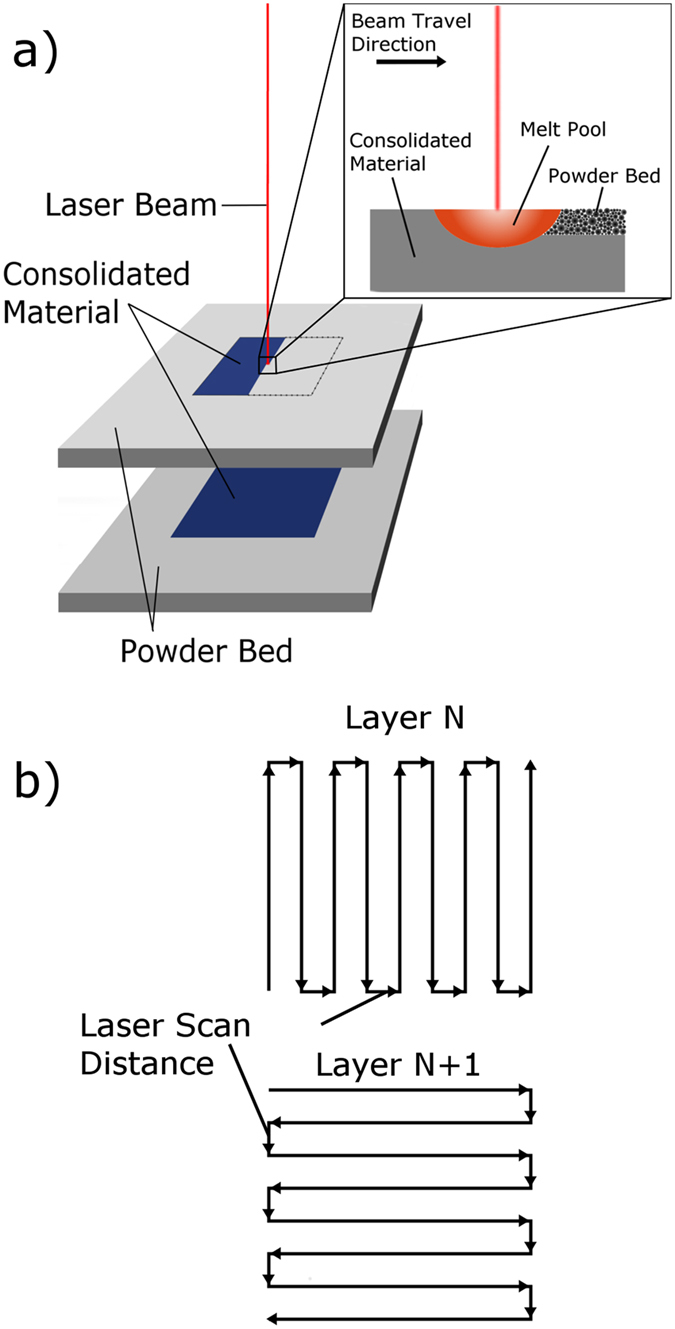
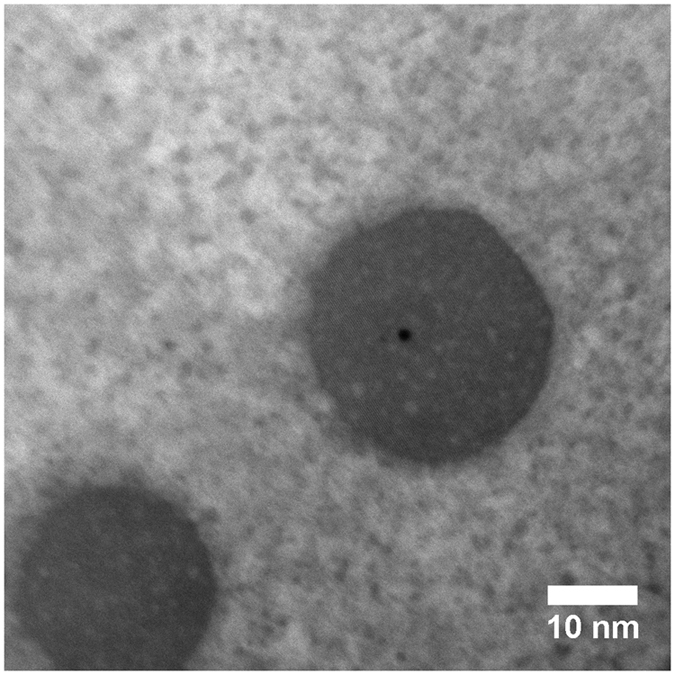
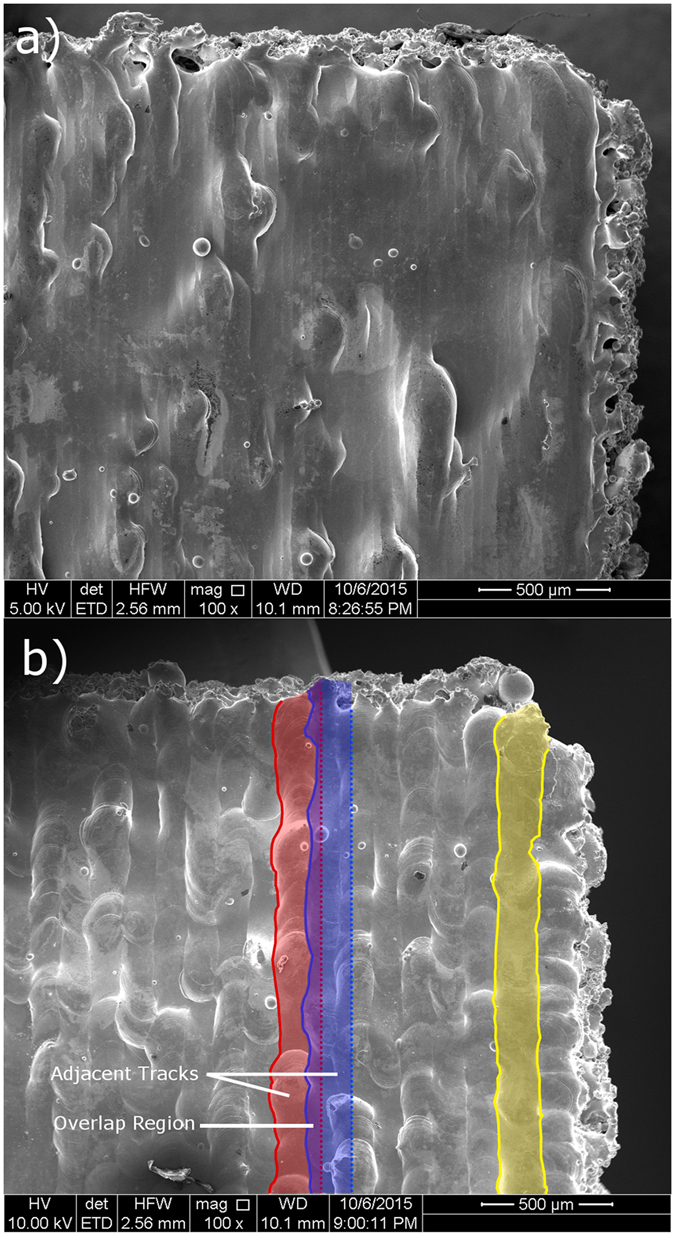
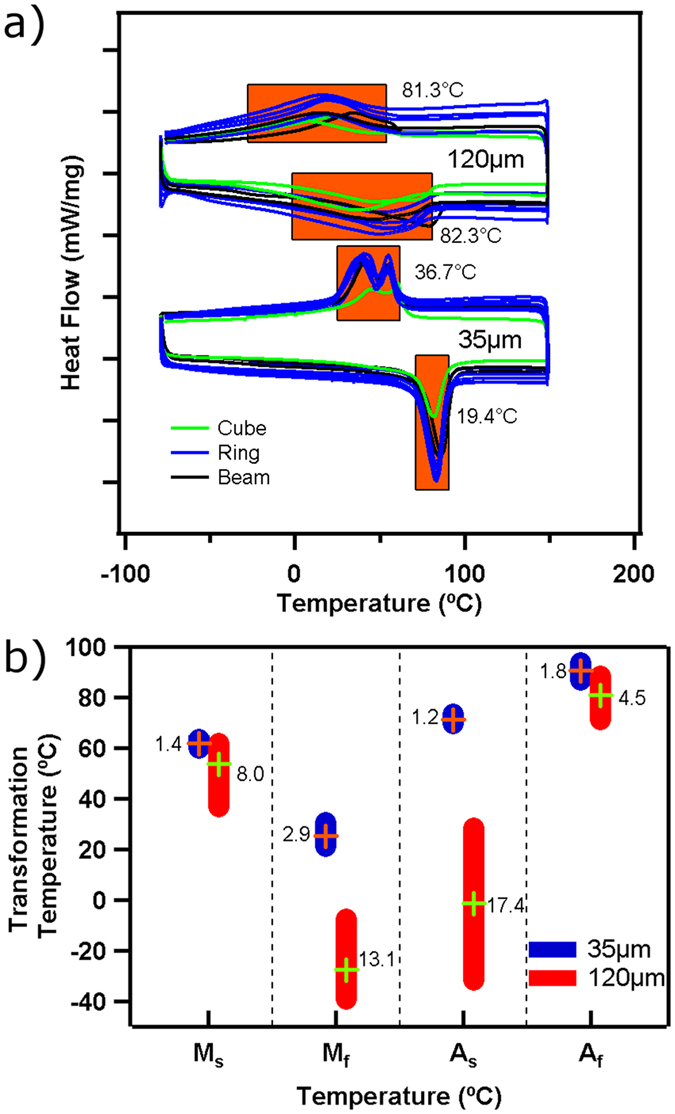
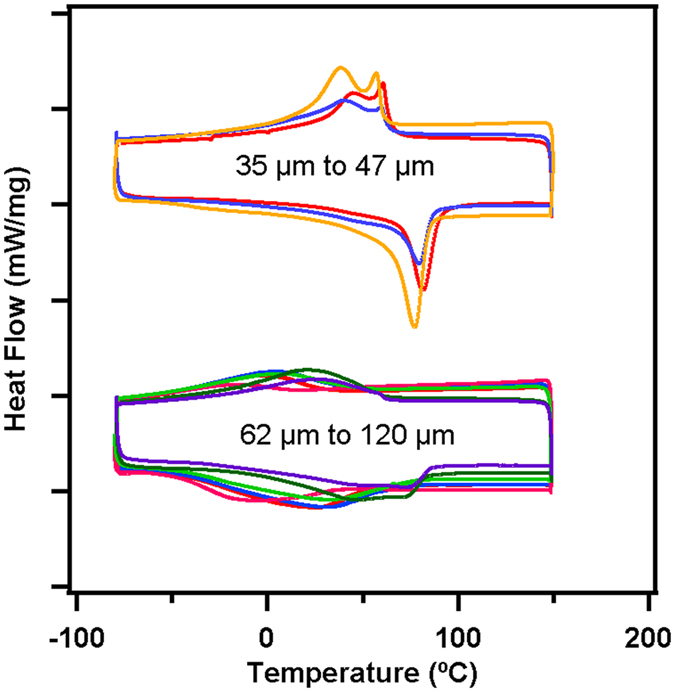
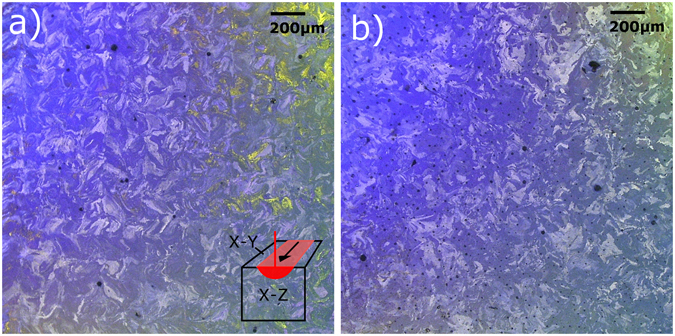
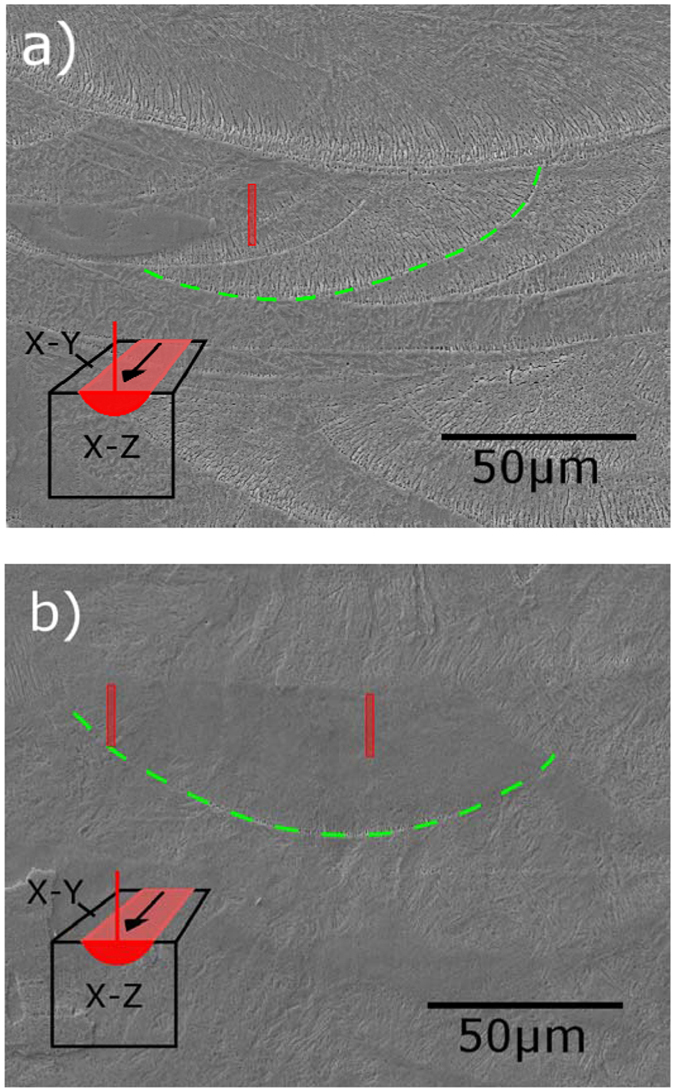
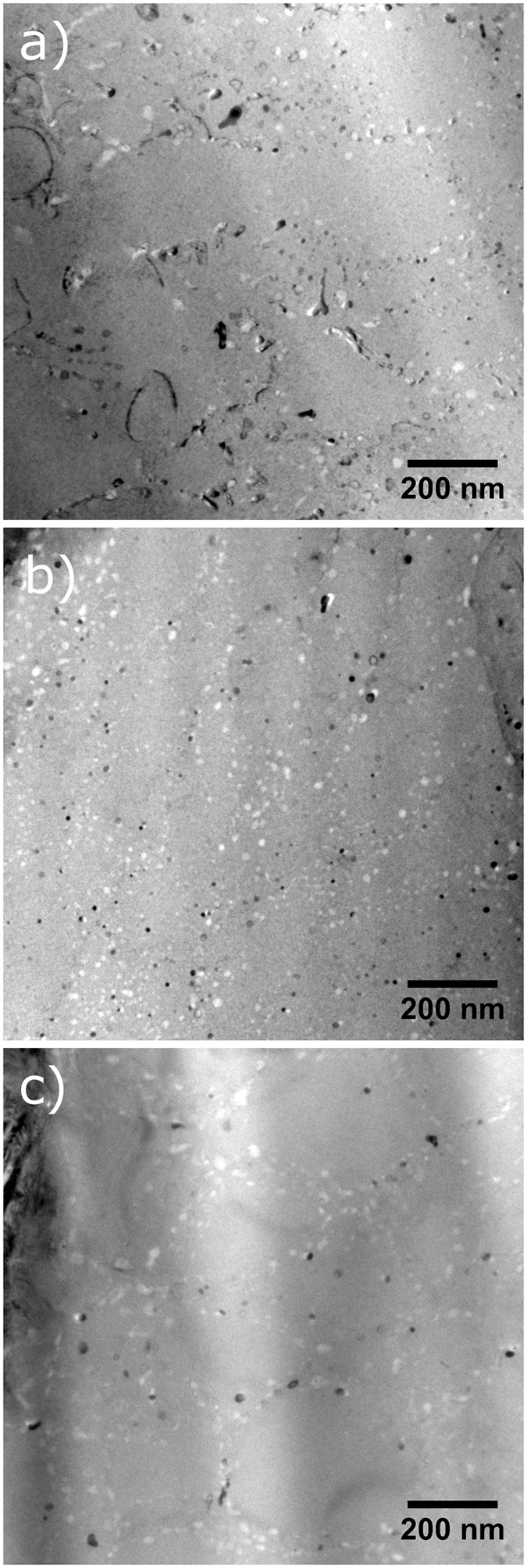
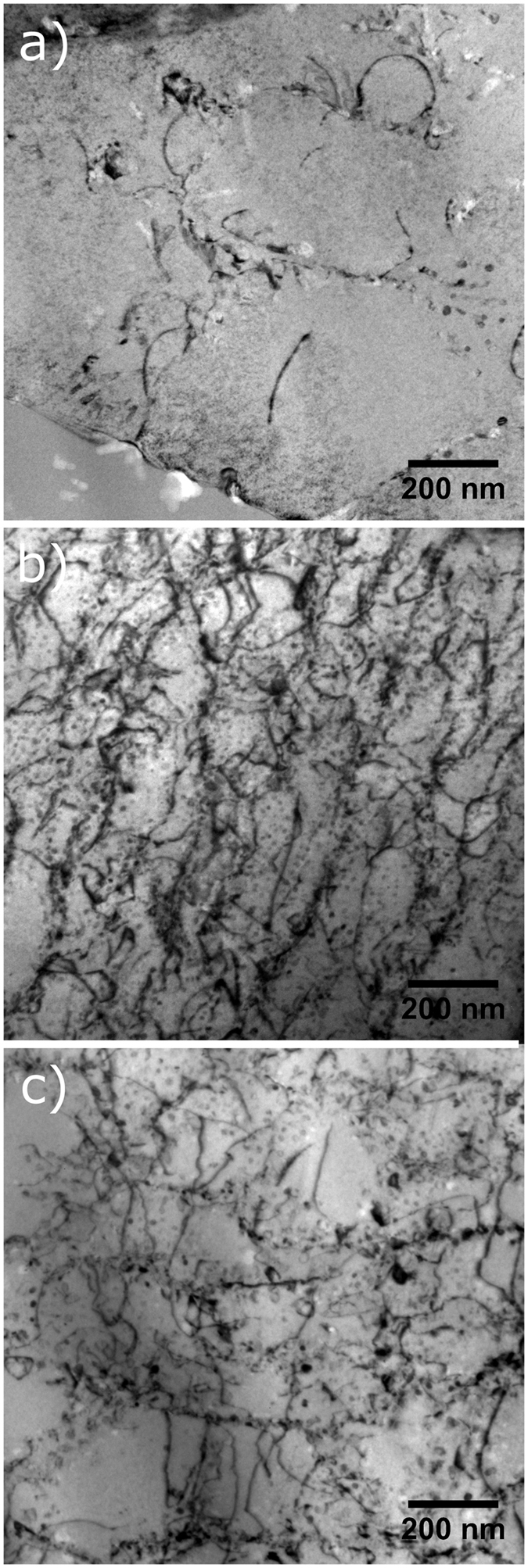
Despite the recent growth in interest for metal additive manufacturing (AM) in the biomedical and aerospace industries, variability in the performance, composition, and microstructure of AM parts remains a major impediment to its widespread adoption. The underlying physical mechanisms, which cause variability, as well as the scale and nature of variability are not well understood, and current methods are ineffective at capturing these details. Here, a Nickel-Titanium alloy is used as a sensory material in order to quantitatively, and rather rapidly, observe compositional and/or microstructural variability in selective laser melting manufactured parts; thereby providing a means to evaluate the role of process parameters on the variability. We perform detailed microstructural investigations using transmission electron microscopy at various locations to reveal the origins of microstructural variability in this sensory material. This approach helped reveal how reducing the distance between adjacent laser scans below a critical value greatly reduces both the in-sample and sample-to-sample variability. Microstructural investigations revealed that when the laser scan distance is wide, there is an inhomogeneity in subgrain size, precipitate distribution, and dislocation density in the microstructure, responsible for the observed variability. These results provide an important first step towards understanding the nature of variability in additively manufactured parts.
尽管金属增材制造(AM)在生物医学和航空航天行业的兴趣最近有所增长,但 AM 零件的性能、成分和微观结构的可变性仍然是其广泛应用的主要障碍。导致可变性的潜在物理机制,以及可变性的规模和性质,尚未得到很好的理解,目前的方法无法有效捕捉这些细节。在这里,镍钛合金被用作敏感材料,以便定量且相当快速地观察选择性激光熔化制造零件中的成分和/或微观结构可变性;从而提供了一种评估工艺参数对可变性影响的方法。我们使用透射电子显微镜在不同位置进行详细的微观结构研究,以揭示这种敏感材料中微观结构可变性的起源。这种方法有助于揭示将相邻激光扫描之间的距离减小到低于临界值如何大大降低样品内和样品间的可变性。微观结构研究表明,当激光扫描距离较宽时,微观结构中的亚晶粒尺寸、析出物分布和位错密度存在不均匀性,这是导致可变性的原因。这些结果为理解增材制造零件的可变性本质迈出了重要的第一步。