Brazee Patricia L, Soni Pritin N, Tokhtaeva Elmira, Magnani Natalia, Yemelyanov Alex, Perlman Harris R, Ridge Karen M, Sznajder Jacob I, Vagin Olga, Dada Laura A
Pulmonary and Critical Care Division, Feinberg School of Medicine, Northwestern University, Chicago, IL, United States.
Department of Physiology, David Geffen School of Medicine, UCLA, Los Angeles, CA, United States.
Front Immunol. 2017 Jun 1;8:623. doi: 10.3389/fimmu.2017.00623. eCollection 2017.
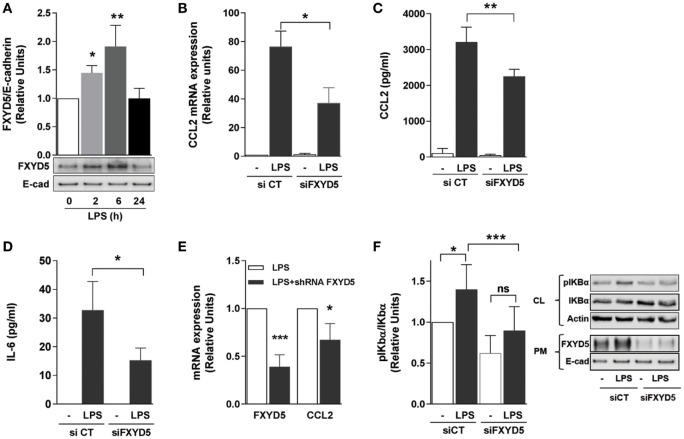
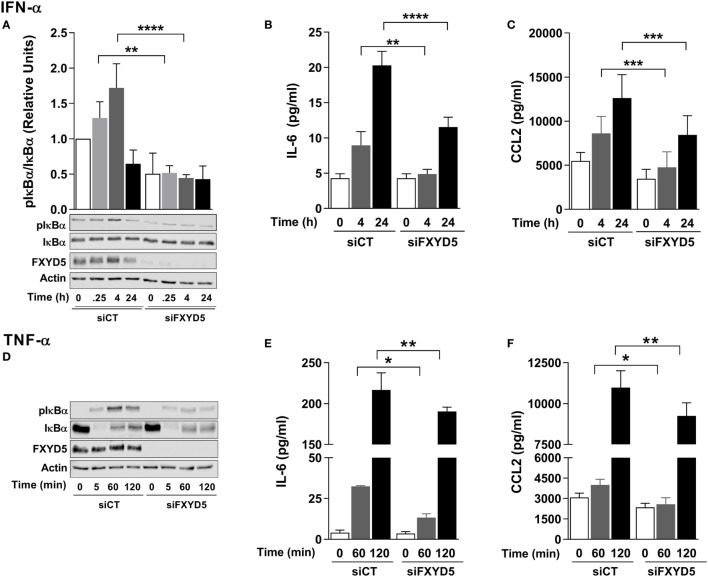
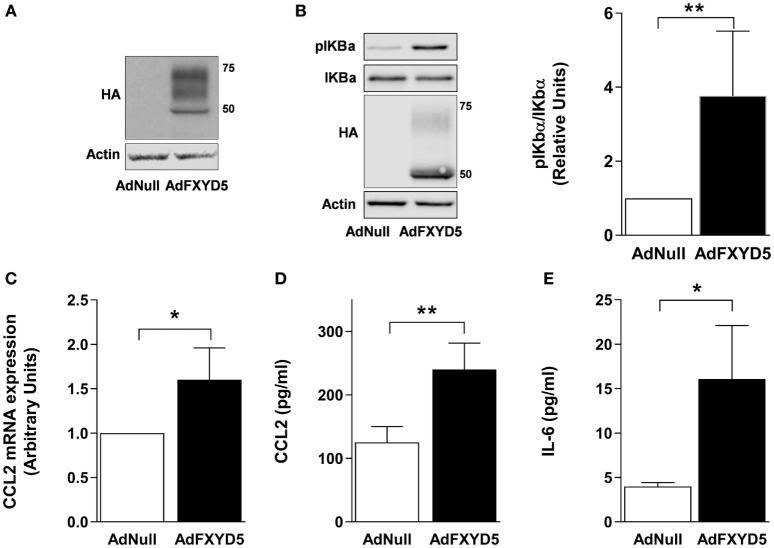
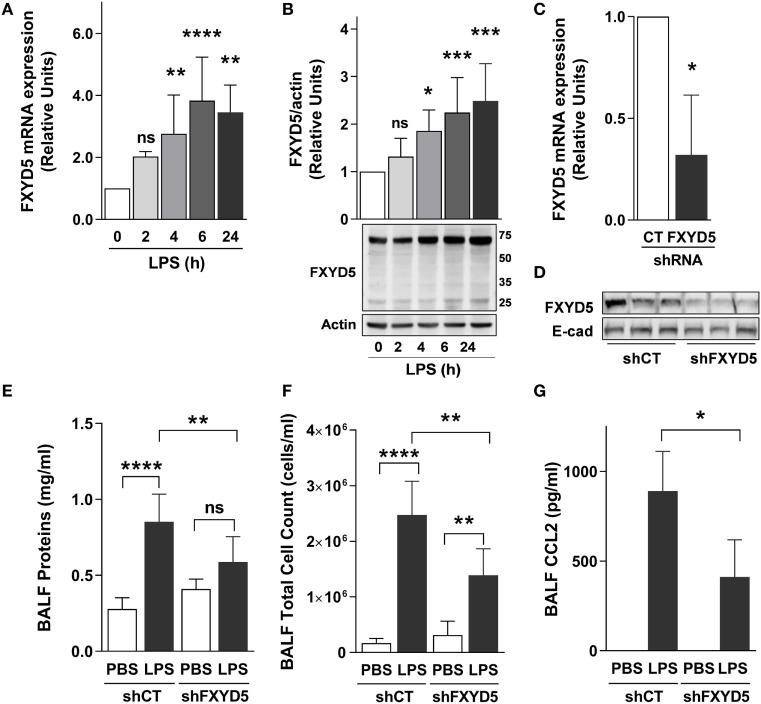
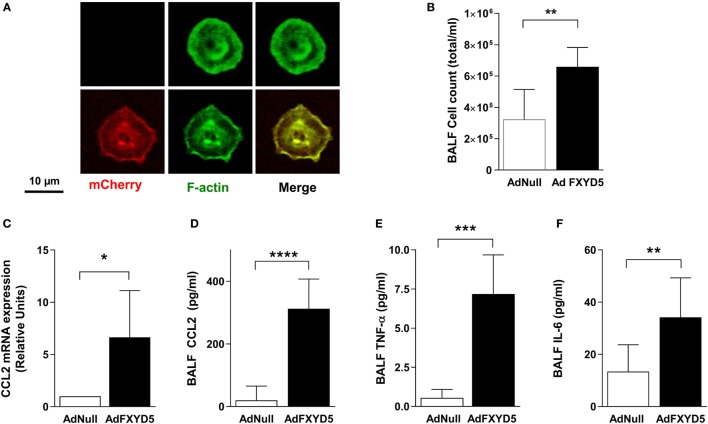
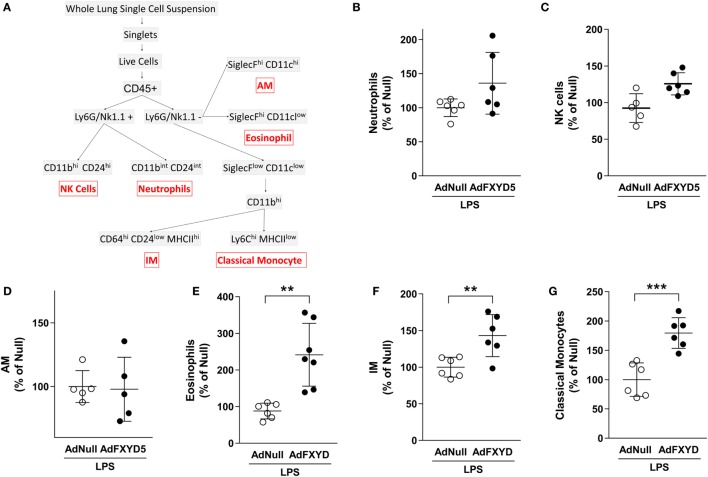
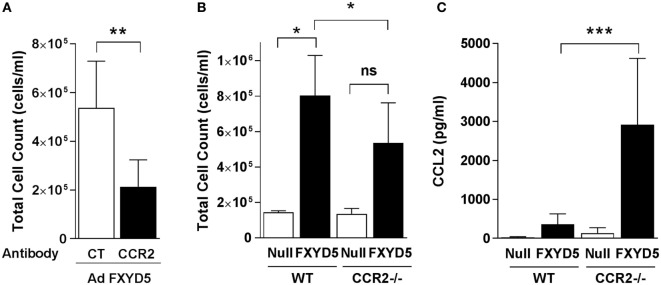
The alveolar epithelium secretes cytokines and chemokines that recruit immune cells to the lungs, which is essential for fighting infections but in excess can promote lung injury. Overexpression of FXYD5, a tissue-specific regulator of the Na,K-ATPase, in mice, impairs the alveolo-epithelial barrier, and FXYD5 overexpression in renal cells increases C-C chemokine ligand-2 (CCL2) secretion in response to lipopolysaccharide (LPS). The aim of this study was to determine whether FXYD5 contributes to the lung inflammation and injury. Exposure of alveolar epithelial cells (AEC) to LPS increased FXYD5 levels at the plasma membrane, and FXYD5 silencing prevented both the activation of NF-κB and the secretion of cytokines in response to LPS. Intratracheal instillation of LPS into mice increased FXYD5 levels in the lung. FXYD5 overexpression increased the recruitment of interstitial macrophages and classical monocytes to the lung in response to LPS. FXYD5 silencing decreased CCL2 levels, number of cells, and protein concentration in bronchoalveolar lavage fluid (BALF) after LPS treatment, indicating that FXYD5 is required for the NF-κB-stimulated epithelial production of CCL2, the influx of immune cells, and the increase in alveolo-epithelial permeability in response to LPS. Silencing of FXYD5 also prevented the activation of NF-κB and cytokine secretion in response to interferon α and TNF-α, suggesting that pro-inflammatory effects of FXYD5 are not limited to the LPS-induced pathway. Furthermore, in the absence of other stimuli, FXYD5 overexpression in AEC activated NF-κB and increased cytokine production, while FXYD5 overexpression in mice increased cytokine levels in BALF, indicating that FXYD5 is sufficient to induce the NF-κB-stimulated cytokine secretion by the alveolar epithelium. The FXYD5 overexpression also increased cell counts in BALF, which was prevented by silencing the CCL2 receptor (CCR2), or by treating mice with a CCR2-blocking antibody, confirming that FXYD5-induced CCL2 production leads to the recruitment of monocytes to the lung. Taken together, the data demonstrate that FXYD5 is a key contributor to inflammatory lung injury.
肺泡上皮细胞分泌细胞因子和趋化因子,这些因子可将免疫细胞招募到肺部,这对于抵抗感染至关重要,但过量时会促进肺损伤。FXYD5是钠钾ATP酶的组织特异性调节因子,在小鼠中过表达会损害肺泡上皮屏障,肾细胞中FXYD5过表达会增加对脂多糖(LPS)反应时C-C趋化因子配体2(CCL2)的分泌。本研究的目的是确定FXYD5是否参与肺部炎症和损伤。肺泡上皮细胞(AEC)暴露于LPS会增加质膜上FXYD5的水平,FXYD5沉默可防止NF-κB的激活以及对LPS反应时细胞因子的分泌。向小鼠气管内注入LPS会增加肺中FXYD5的水平。FXYD5过表达会增加对LPS反应时肺间质巨噬细胞和经典单核细胞向肺的募集。LPS处理后,FXYD5沉默会降低支气管肺泡灌洗液(BALF)中的CCL2水平、细胞数量和蛋白质浓度,表明FXYD5是NF-κB刺激的上皮细胞产生CCL2、免疫细胞流入以及对LPS反应时肺泡上皮通透性增加所必需的。FXYD5沉默还可防止对干扰素α和肿瘤坏死因子α反应时NF-κB的激活和细胞因子分泌,表明FXYD5的促炎作用不限于LPS诱导的途径。此外,在没有其他刺激的情况下,AEC中FXYD5过表达会激活NF-κB并增加细胞因子产生,而小鼠中FXYD5过表达会增加BALF中的细胞因子水平,表明FXYD5足以诱导肺泡上皮细胞由NF-κB刺激的细胞因子分泌。FXYD5过表达还会增加BALF中的细胞计数,通过沉默CCL2受体(CCR2)或用CCR2阻断抗体处理小鼠可防止这种情况,证实FXYD5诱导的CCL2产生会导致单核细胞向肺的募集。综上所述,数据表明FXYD5是炎症性肺损伤的关键因素。