Malagó Anna, Bouraoui Faycal, Vigiak Olga, Grizzetti Bruna, Pastori Marco
European Commission, Joint Research Centre (JRC), Directorate D - Sustainable Resources, Ispra, VA, Italy.
European Commission, Joint Research Centre (JRC), Directorate D - Sustainable Resources, Ispra, VA, Italy.
Sci Total Environ. 2017 Dec 15;603-604:196-218. doi: 10.1016/j.scitotenv.2017.05.242. Epub 2017 Jun 17.
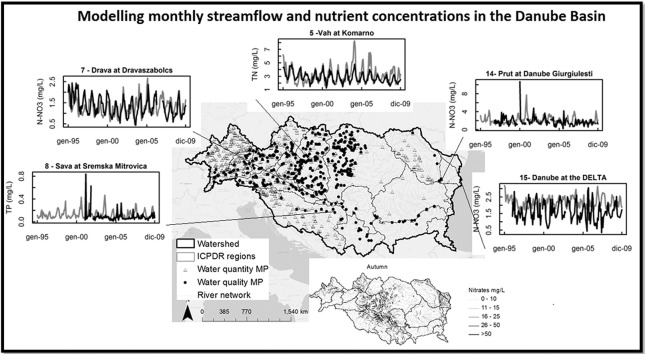
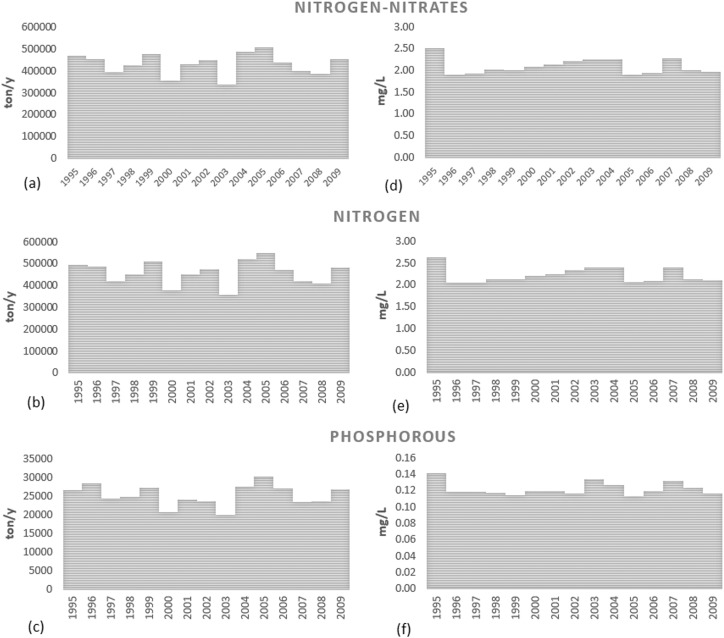
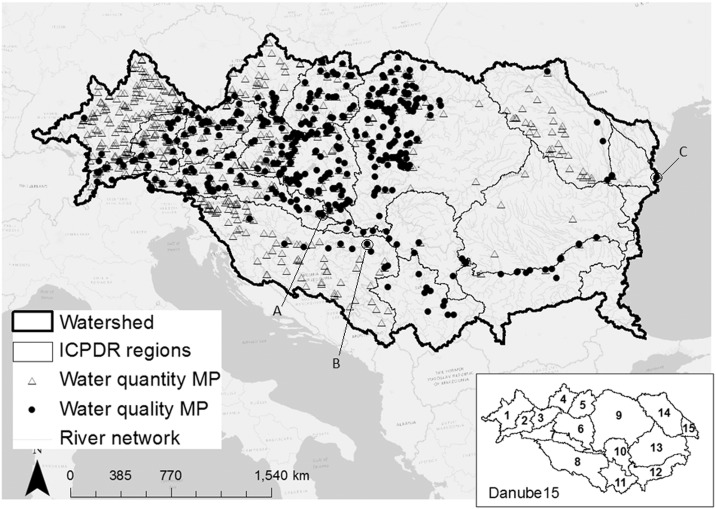
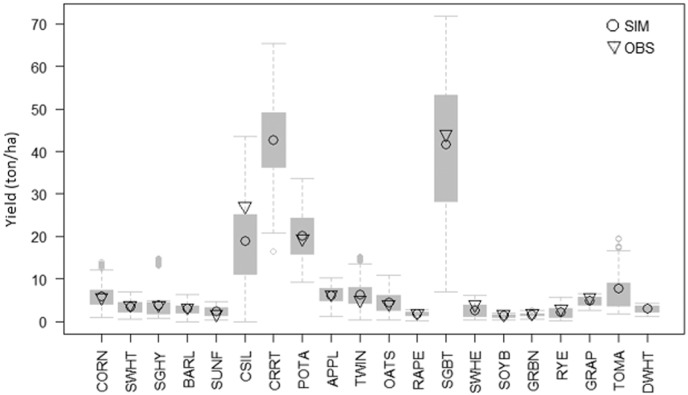
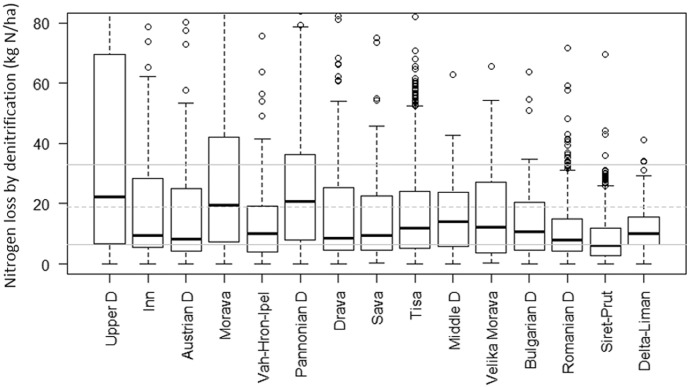
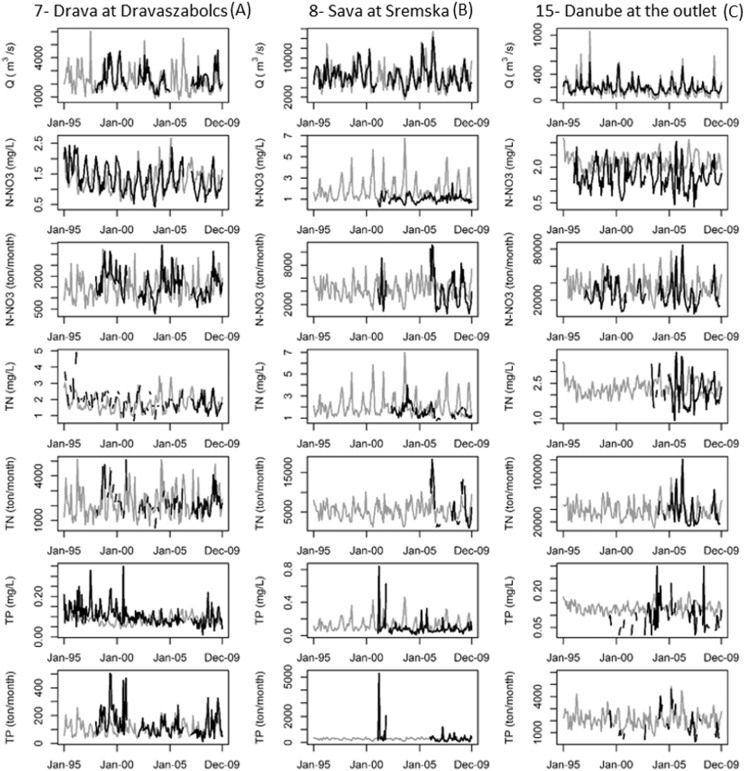
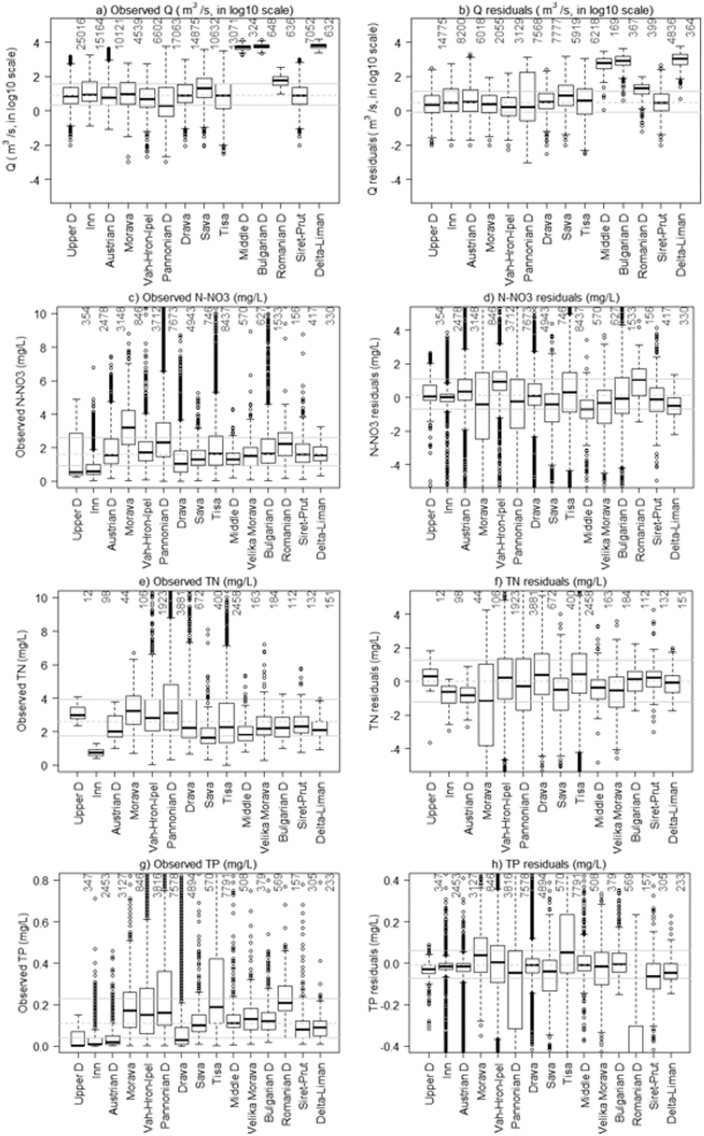
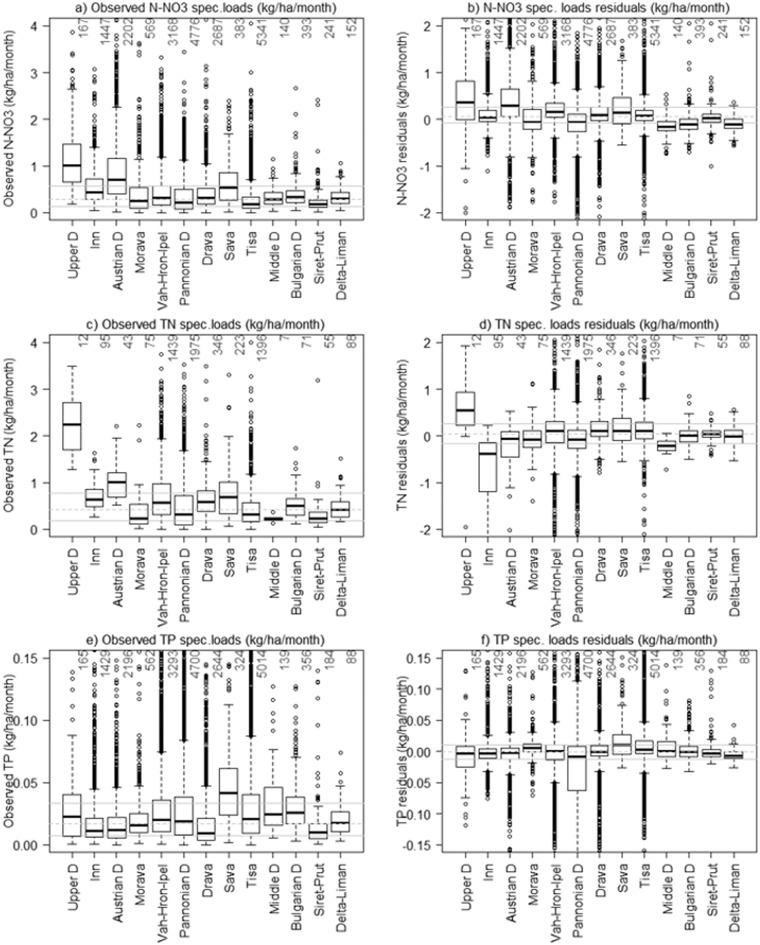
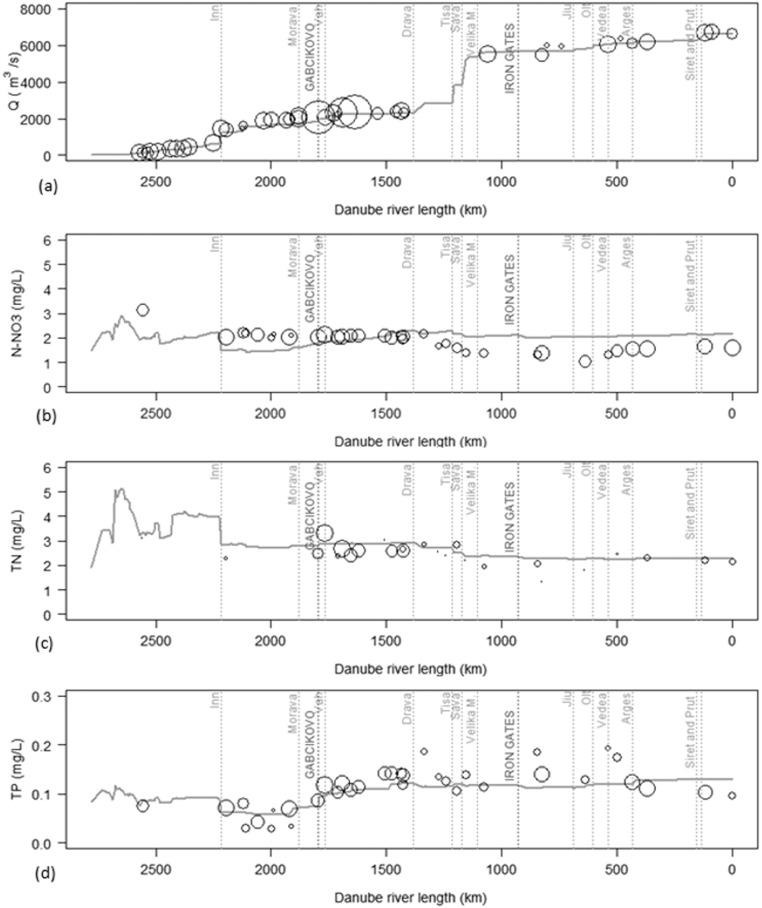
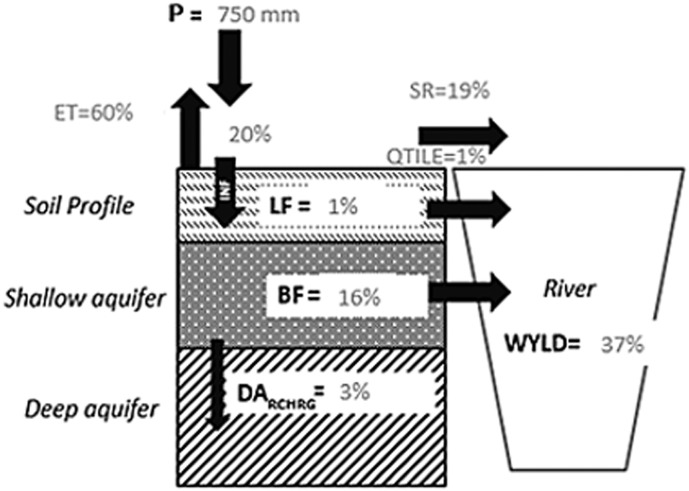
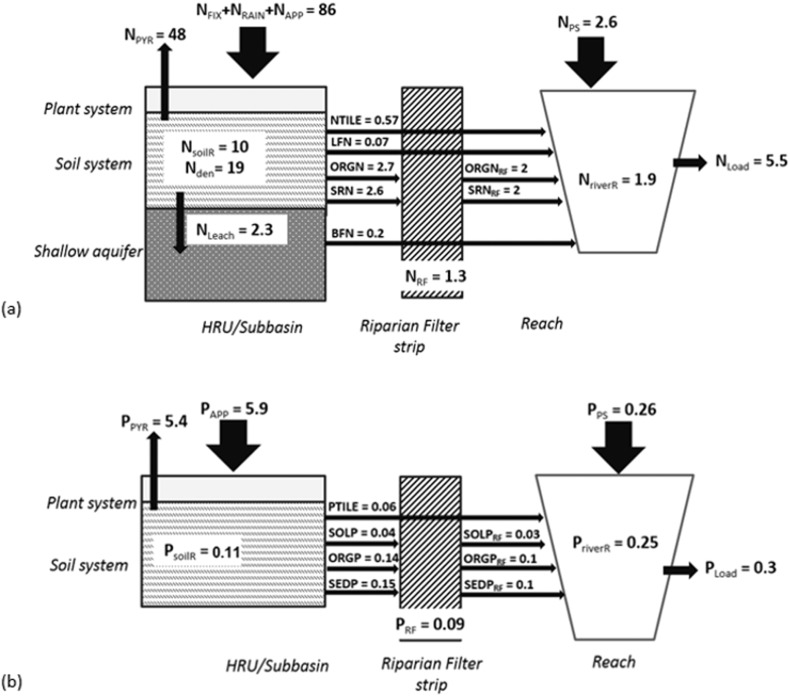
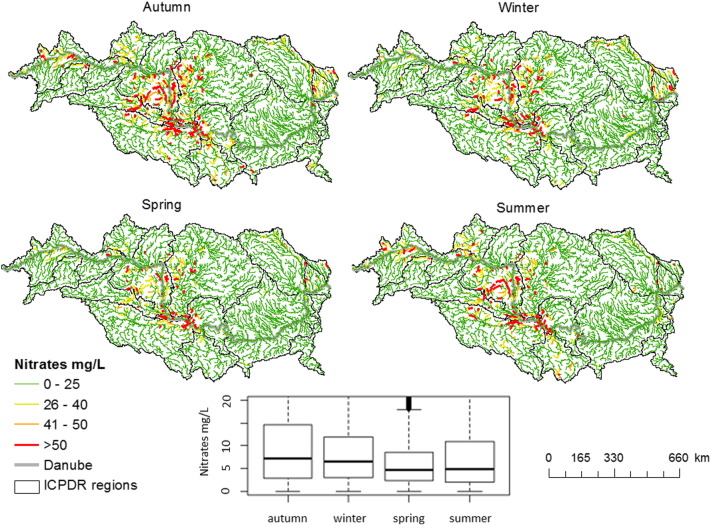
This study provides an innovative process-based modelling approach using the SWAT model and shows its application to support the implementation of the European environmental policies in large river basins. The approach involves several pioneering modelling aspects: the inclusion of current management practices; an innovative calibration and validation methodology of streamflow and water quality; a sequential calibration starting from crop yields, followed by streamflow and nutrients; and the use of concentrations instead of loads in the calibration. The approach was applied in the Danube River Basin (800,000km), the second largest river basin in Europe, that is under great nutrients pressure. The model was successfully calibrated and validated at multiple gauged stations for the period 1995-2009. About 70% and 61% of monthly streamflow stations reached satisfactory performances in the calibration and validation datasets respectively. N-NO monthly concentrations were in good agreement with the observations, albeit SWAT could not represent accurately the spatial variability of the denitrification process. TN and TP concentrations were also well captured. Yet, local discrepancies were detected across the Basin. Baseflow and surface runoff were the main pathways of water pollution. The main sinks of TN and TP diffuse emissions were plant uptake which captured 58% of TN and 92% of TP sources, then soil retention (35% of TN and 2% of TP), riparian filter strips (2% both for TN and TP) and river retention (2% of TN and 4% of TP). Nitrates in the aquifer were estimated to be around 3% of TN sources. New reliable "state-of-the-art" knowledge of water and nutrients fluxes in the Danube Basin were thus provided to be used for assessing the impact of best management practices and for providing support to the implementation of the European Environmental Directives.
本研究提供了一种使用SWAT模型的基于过程的创新建模方法,并展示了其在支持欧洲环境政策在大型流域实施方面的应用。该方法涉及几个开创性的建模方面:纳入当前管理实践;一种创新的流量和水质校准与验证方法;从作物产量开始,然后是流量和养分的顺序校准;以及在校准中使用浓度而非负荷。该方法应用于欧洲第二大流域多瑙河流域(80万平方公里),该流域面临着巨大的养分压力。该模型在1995 - 2009年期间的多个测量站成功进行了校准和验证。在校准和验证数据集中,分别约70%和61%的月流量站达到了满意的性能。N - NO月浓度与观测值吻合良好,尽管SWAT不能准确代表反硝化过程的空间变异性。TN和TP浓度也得到了很好的捕捉。然而,整个流域都检测到了局部差异。基流和地表径流是水污染的主要途径。TN和TP扩散排放的主要汇是植物吸收,其捕获了58%的TN源和92%的TP源,其次是土壤截留(TN的35%和TP的2%)、河岸过滤带(TN和TP均为2%)和河流截留(TN的2%和TP的4%)。含水层中的硝酸盐估计约为TN源的3%。因此,提供了多瑙河流域水和养分通量新的可靠“最新”知识,用于评估最佳管理实践的影响,并为欧洲环境指令的实施提供支持。