Keppel Hesselink Jan M
Institute for Neuropathic Pain, Bosch en Duin, Utrecht, The Netherlands.
Pain Ther. 2017 Dec;6(2):153-164. doi: 10.1007/s40122-017-0075-4. Epub 2017 Jun 19.
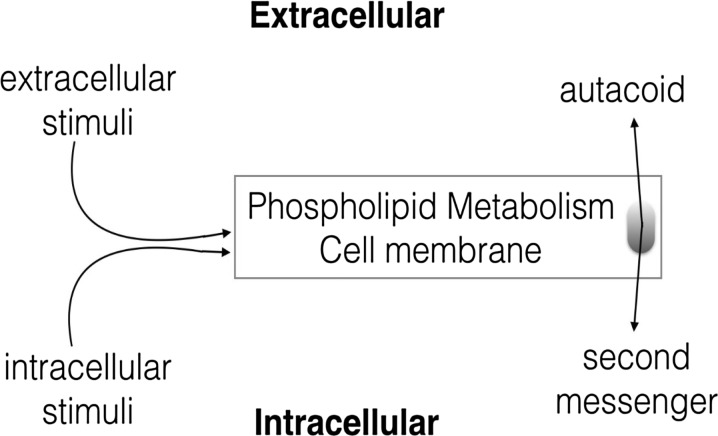
The identification of a number of families of lipid signal molecules since the 1990s created new therapeutic possibilities for a great number of disorders characterized by chronic inflammation and pain. These lipid autacoids have been explored in a great variety of animal models related to inflammation, pain, (neuro-)protection, and repair. Based on the data from these models, as well as on a number of proof of principle studies in the clinic in indications such as neuropathic pain, a new chapter in medicine is about to begin. We would like to introduce the term "Autacoid Pain Medicine" for this chapter. There are, however, a number of methodological and strategic issues to overcome in this field. One of the roadblocks is related to patent strategies around families of these molecules. As this is not always recognized we will present a number of examples.
自20世纪90年代以来,多种脂质信号分子家族的发现为大量以慢性炎症和疼痛为特征的疾病带来了新的治疗可能性。这些类自体活性物质已在与炎症、疼痛、(神经)保护及修复相关的多种动物模型中得到研究。基于这些模型的数据以及临床中针对诸如神经性疼痛等适应症开展的一些原理验证研究,医学领域即将开启新的篇章。我们想为这一篇章引入“类自体活性物质疼痛医学”这一术语。然而,该领域仍有一些方法和策略问题有待克服。其中一个障碍与这些分子家族的专利策略有关。由于这一点并非总能得到认可,我们将列举一些例子。