Department of Neuroscience, Mario Negri Institute for Pharmacological Research IRCSS, Milano, Italy.
Department of Oncology, Mario Negri Institute for Pharmacological Research IRCSS, Milano, Italy.
Brain. 2018 Nov 1;141(11):3130-3143. doi: 10.1093/brain/awy247.
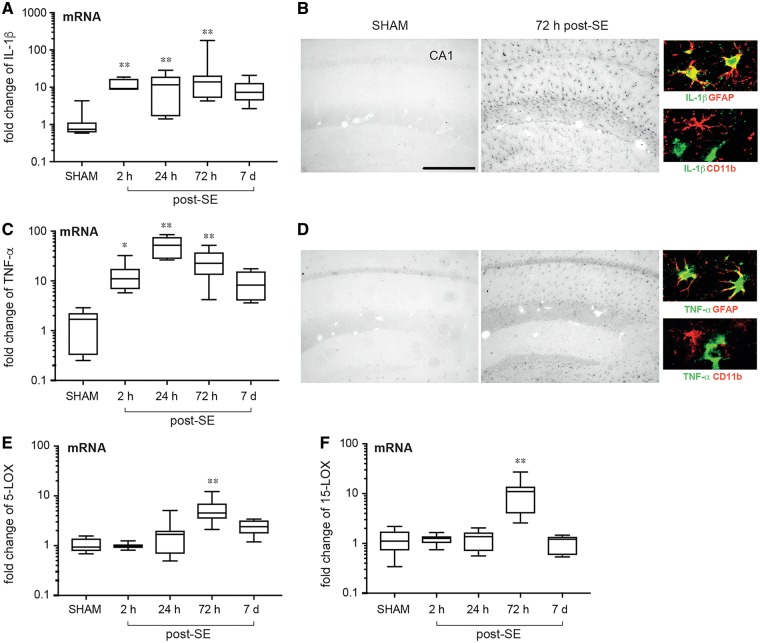
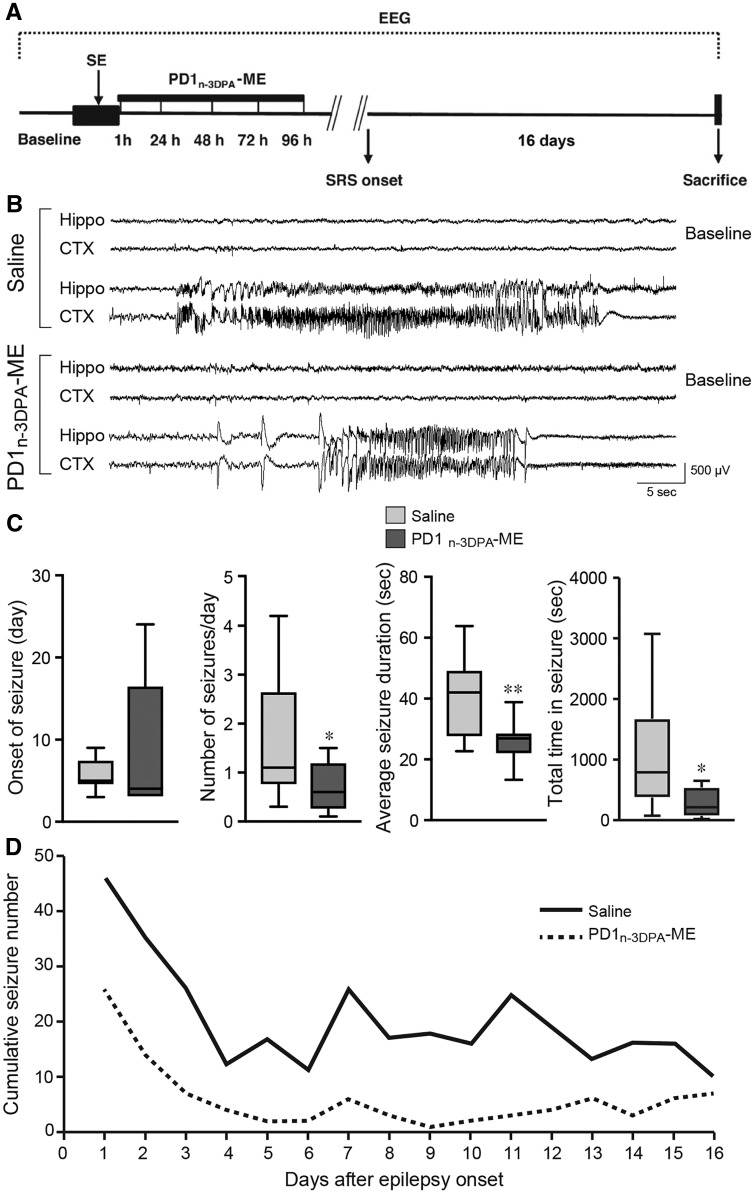
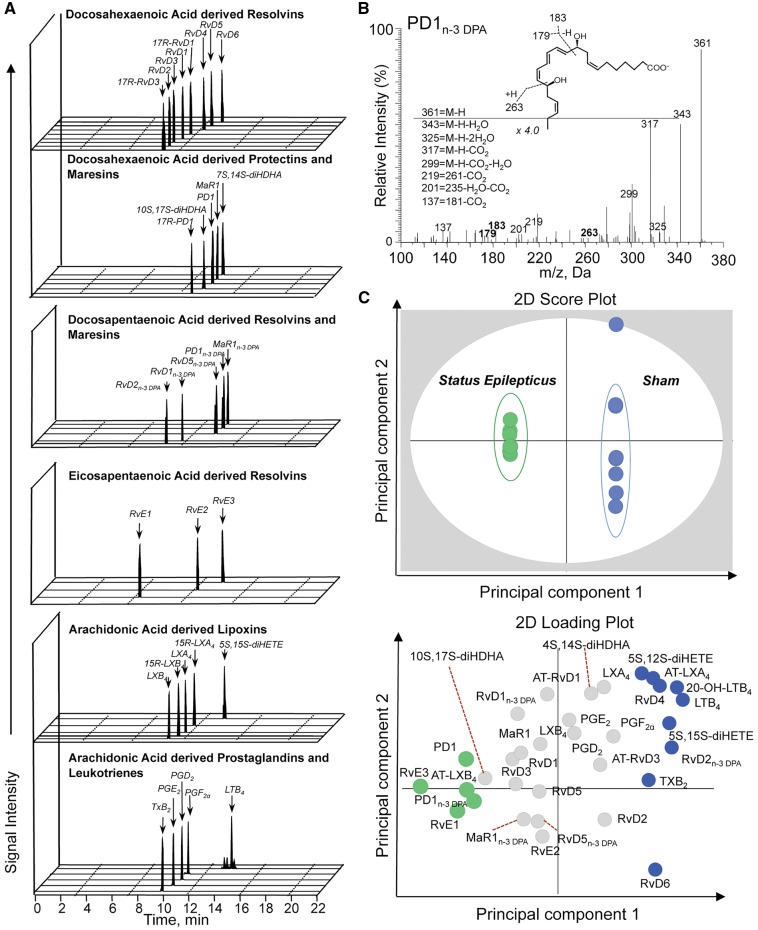
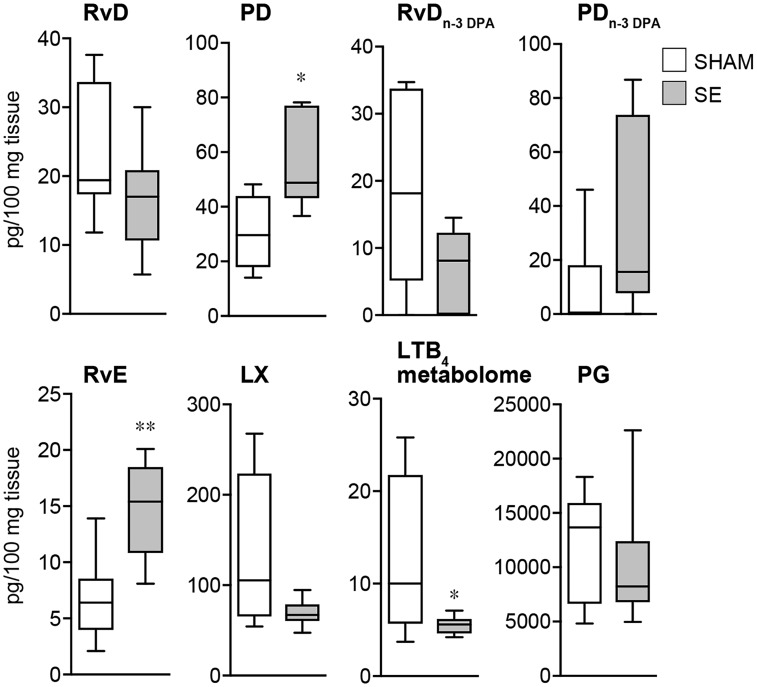
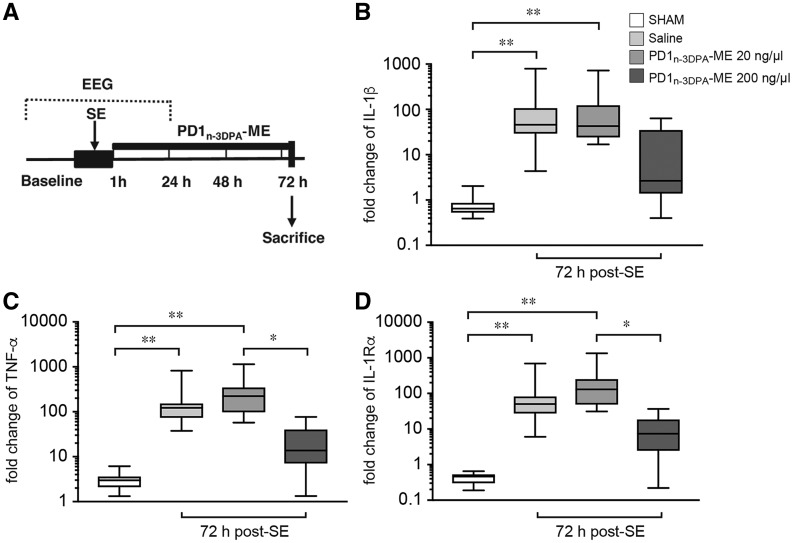
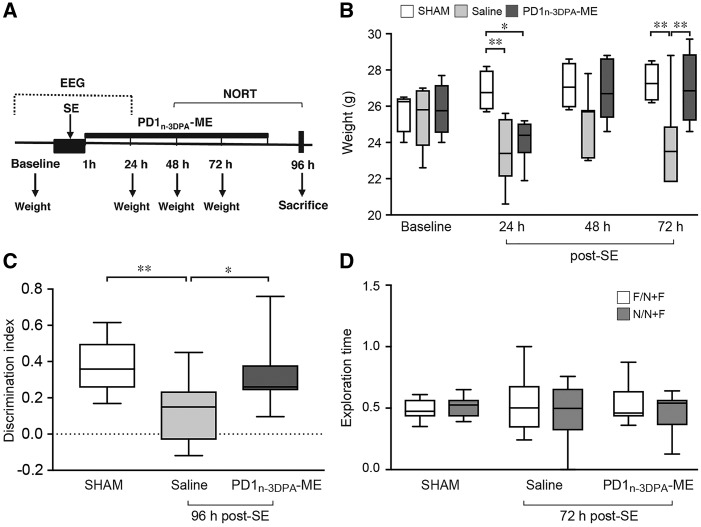
Epilepsy therapy is based on drugs that treat the symptoms rather than the underlying mechanisms of the disease (epileptogenesis). There are no treatments for preventing seizures or improving disease prognosis, including neurological comorbidities. The search of pathogenic mechanisms of epileptogenesis highlighted that neuroinflammatory cytokines [i.e. interleukin-1β (IL-1β), tumour necrosis factor-α (Tnf-α)] are induced in human and experimental epilepsies, and contribute to seizure generation in animal models. A major role in controlling the inflammatory response is played by specialized pro-resolving lipid mediators acting on specific G-protein coupled receptors. Of note, the role that these pathways have in epileptogenic tissue remains largely unexplored. Using a murine model of epilepsy, we show that specialized pro-resolving mechanisms are activated by status epilepticus before the onset of spontaneous seizures, but with a marked delay as compared to the neuroinflammatory response. This was assessed by measuring the time course of mRNA levels of 5-lipoxygenase (Alox5) and 15-lipoxygenase (Alox15), the key biosynthetic enzymes of pro-resolving lipid mediators, versus Il1b and Tnfa transcripts and proteins. In the same hippocampal tissue, we found a similar delayed expression of two main pro-resolving receptors, the lipoxin A4 receptor/formyl peptide receptor 2 and the chemerin receptor. These receptors were also induced in the human hippocampus after status epilepticus and in patients with temporal lobe epilepsy. This evidence supports the hypothesis that the neuroinflammatory response is sustained by a failure to engage pro-resolving mechanisms during epileptogenesis. Lipidomic LC-MS/MS analysis showed that lipid mediator levels apt to resolve the neuroinflammatory response were also significantly altered in the hippocampus during epileptogenesis with a shift in the biosynthesis of several pro-resolving mediator families including the n-3 docosapentaenoic acid (DPA)-derived protectin D1. Of note, intracerebroventricular injection of this mediator during epileptogenesis in mice dose-dependently reduced the hippocampal expression of both Il1b and Tnfa mRNAs. This effect was associated with marked improvement in mouse weight recovery and rescue of cognitive deficit in the novel object recognition test. Notably, the frequency of spontaneous seizures was drastically reduced by 2-fold on average and the average seizure duration was shortened by 40% after treatment discontinuation. As a result, the total time spent in seizures was reduced by 3-fold in mice treated with n-3 DPA-derived protectin D1. Taken together, the present findings demonstrate that epilepsy is characterized by an inadequate engagement of resolution pathways. Boosting endogenous resolution responses significantly improved disease outcomes, providing novel treatment avenues.
癫痫治疗基于治疗疾病症状而非疾病潜在机制(癫痫发生)的药物。目前没有预防癫痫发作或改善疾病预后(包括神经共病)的治疗方法。对癫痫发生的发病机制的研究突出表明,神经炎性细胞因子(如白细胞介素-1β(IL-1β)、肿瘤坏死因子-α(TNF-α))在人类和实验性癫痫中被诱导,并有助于动物模型中的癫痫发作。专门的促解决脂类介质通过作用于特定 G 蛋白偶联受体在控制炎症反应中起主要作用。值得注意的是,这些途径在致痫组织中的作用在很大程度上仍未得到探索。我们使用癫痫小鼠模型表明,在自发性癫痫发作发作之前,癫痫持续状态就会激活专门的促解决机制,但与神经炎症反应相比,其激活时间明显延迟。这是通过测量关键生物合成酶 5-脂氧合酶(Alox5)和 15-脂氧合酶(Alox15)、促解决脂类介质的 mRNA 水平与 Il1b 和 Tnfa 转录物和蛋白的时间过程来评估的。在同一海马组织中,我们发现两种主要促解决受体的表达也存在类似的延迟,即脂氧素 A4 受体/甲酰肽受体 2 和趋化素受体。这些受体在癫痫持续状态后和颞叶癫痫患者的人类海马体中也被诱导。这一证据支持这样的假设,即在癫痫发生期间,未能参与促解决机制会使神经炎症反应持续存在。脂质组学 LC-MS/MS 分析表明,在癫痫发生期间,海马体中也显著改变了能够解决神经炎症反应的脂质介质水平,几种促解决介质家族的生物合成发生转移,包括 n-3 二十二碳五烯酸(DPA)衍生的保护素 D1。值得注意的是,在小鼠癫痫发生期间,脑室注射这种介质剂量依赖性地降低了海马体中 Il1b 和 Tnfa mRNA 的表达。这种效应与小鼠体重恢复的显著改善和新物体识别测试中认知缺陷的挽救有关。值得注意的是,平均而言,自发癫痫发作的频率平均降低了 2 倍,发作持续时间平均缩短了 40%,停药后。因此,用 n-3 DPA 衍生的保护素 D1 治疗的小鼠的癫痫发作总时间减少了 3 倍。总的来说,这些发现表明癫痫的特征是解决途径的不充分参与。增强内源性解决反应显著改善了疾病结局,为新的治疗方法提供了新的途径。