Institute of Immunology, Friedrich-Loeffler-Institut, Federal Research Institute of Animal Health, Südufer 10, D-17493, Greifswald, Isle of Riems, Germany.
German Cancer Research Center (DKFZ), Im Neuenheimer Feld 280, D-69120, Heidelberg, Germany.
Sci Rep. 2017 Jun 20;7(1):3923. doi: 10.1038/s41598-017-04142-5.
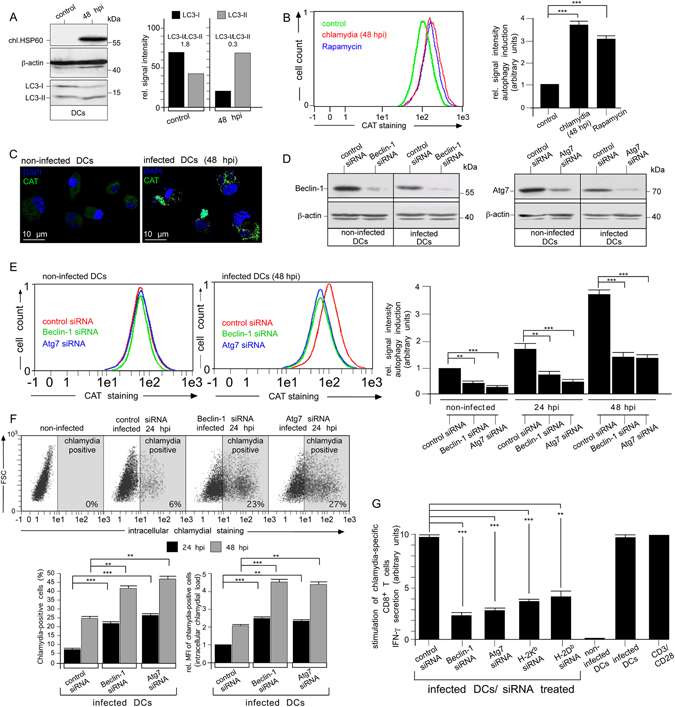
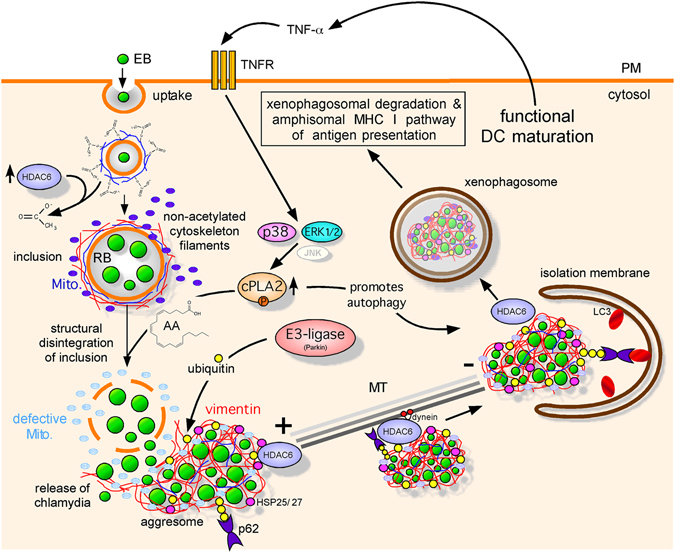
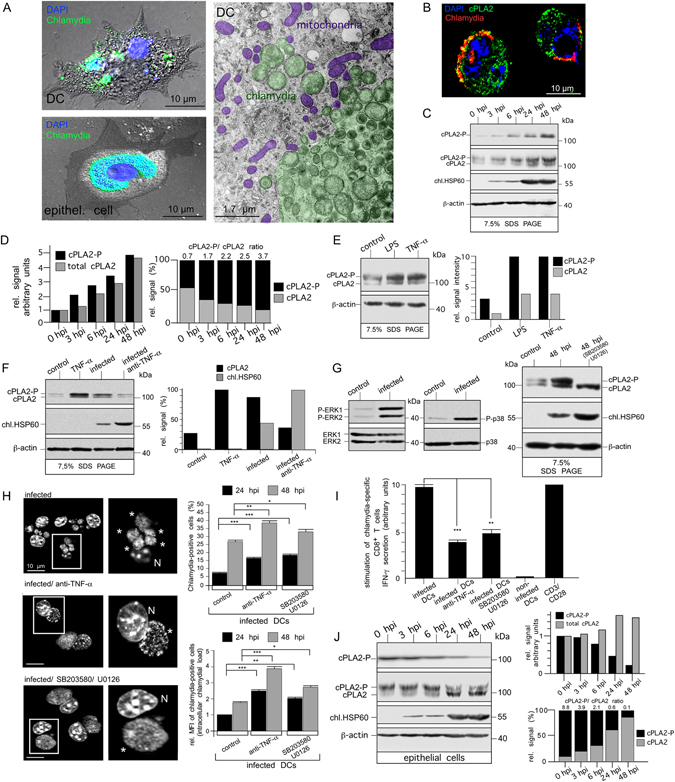
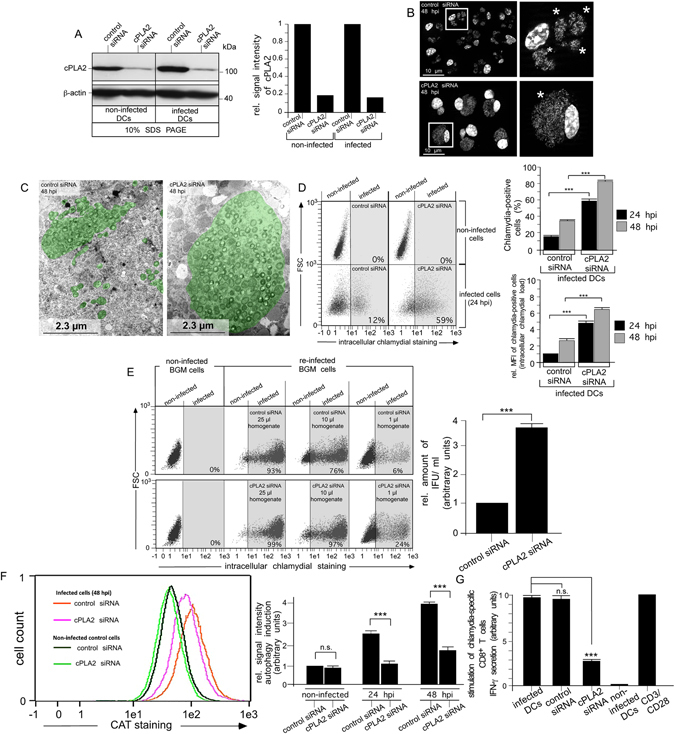
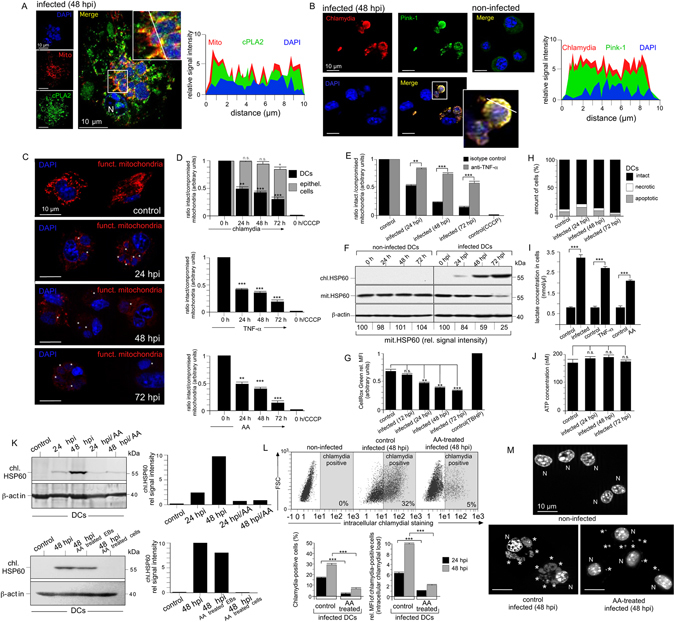
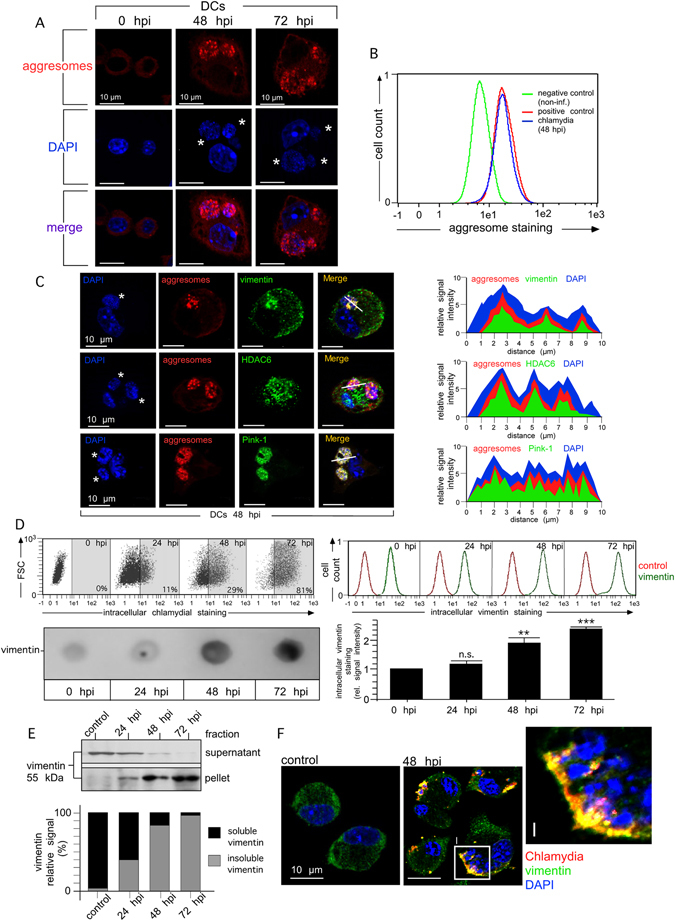
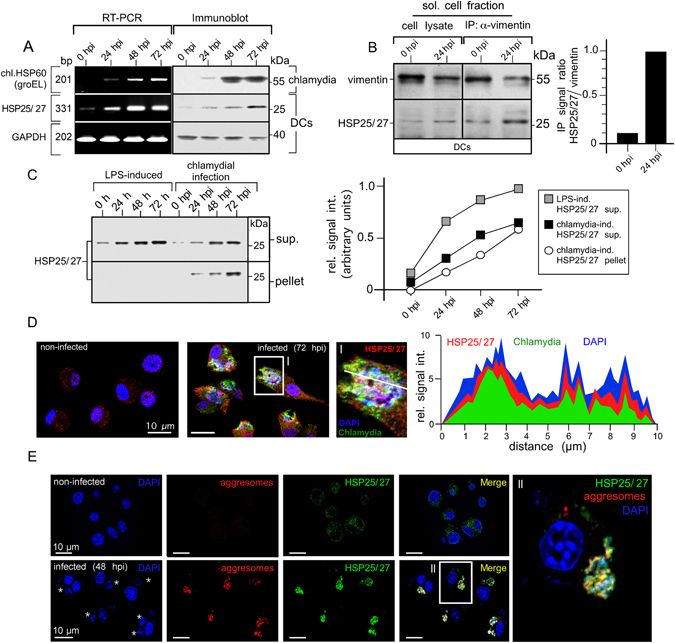
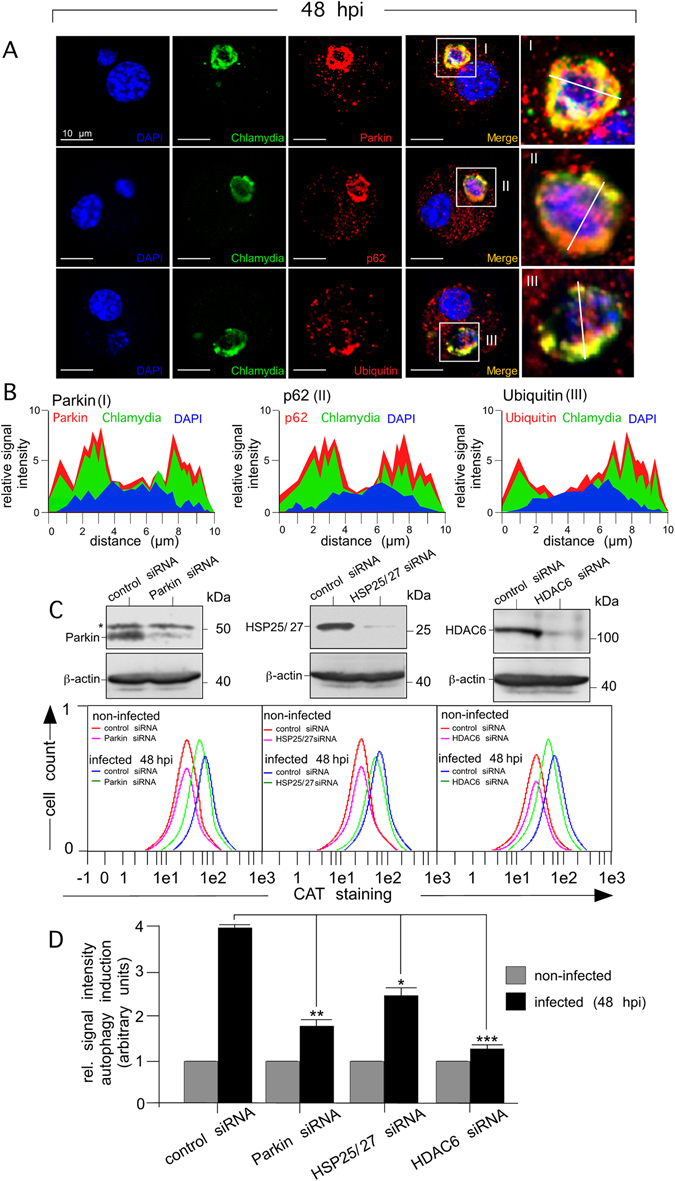
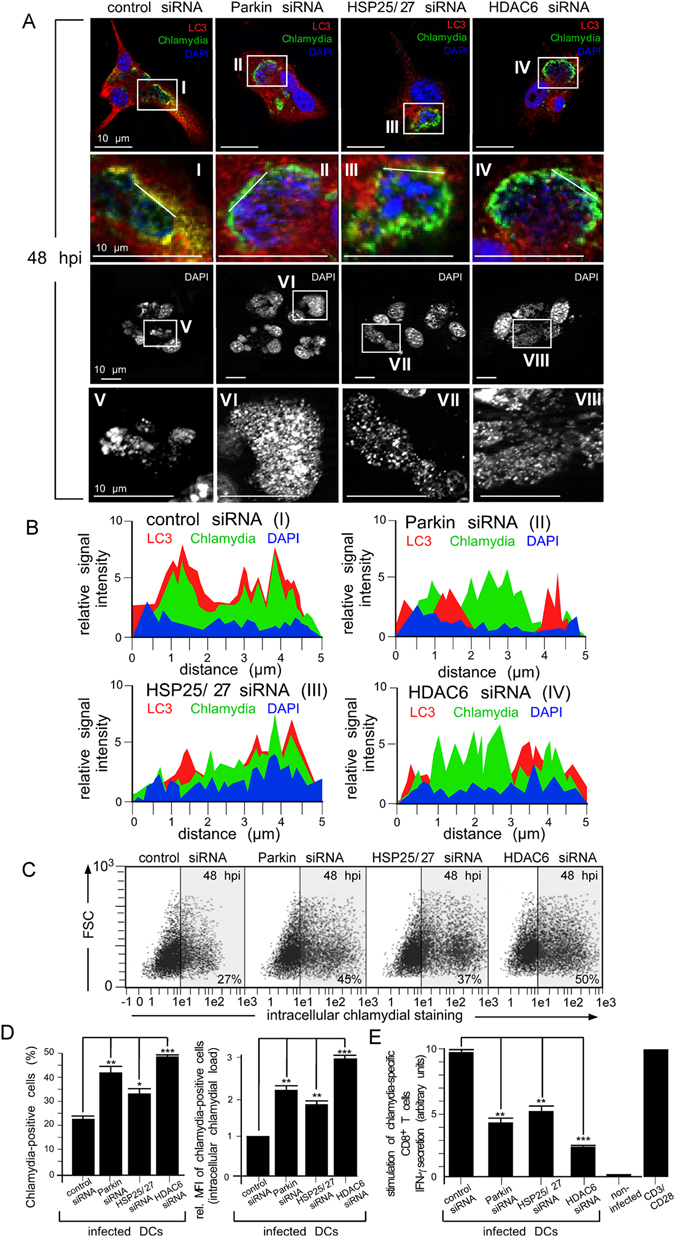
Chlamydiae are bacterial pathogens that grow in vacuolar inclusions. Dendritic cells (DCs) disintegrate these compartments, thereby eliminating the microbes, through auto/xenophagy, which also promotes chlamydial antigen presentation via MHC I. Here, we show that TNF-α controls this pathway by driving cytosolic phospholipase (cPLA)2-mediated arachidonic acid (AA) production. AA then impairs mitochondrial function, which disturbs the development and integrity of these energy-dependent parasitic inclusions, while a simultaneous metabolic switch towards aerobic glycolysis promotes DC survival. Tubulin deacetylase/autophagy regulator HDAC6 associates with disintegrated inclusions, thereby further disrupting their subcellular localisation and stability. Bacterial remnants are decorated with defective mitochondria, mito-aggresomal structures, and components of the ubiquitin/autophagy machinery before they are degraded via mito-xenophagy. The mechanism depends on cytoprotective HSP25/27, the E3 ubiquitin ligase Parkin and HDAC6 and promotes chlamydial antigen generation for presentation on MHC I. We propose that this novel mito-xenophagic pathway linking innate and adaptive immunity is critical for effective DC-mediated anti-bacterial resistance.
衣原体是一种在空泡内含物中生长的细菌病原体。树突状细胞(DC)通过自噬/异噬作用使这些隔室解体,从而消除微生物,同时也通过 MHC I 促进衣原体抗原呈递。在这里,我们表明 TNF-α 通过驱动细胞质磷脂酶(cPLA)2 介导的花生四烯酸(AA)产生来控制这条途径。AA 随后会损害线粒体功能,从而扰乱这些依赖能量的寄生虫内含物的发育和完整性,而同时向有氧糖酵解的代谢转换则促进 DC 存活。微管去乙酰化酶/自噬调节剂 HDAC6 与解体的内含物结合,从而进一步破坏它们的亚细胞定位和稳定性。细菌残留物被有缺陷的线粒体、线粒体聚集结构和泛素/自噬机制的成分修饰,然后通过线粒体异噬作用降解。该机制依赖于细胞保护 HSP25/27、E3 泛素连接酶 Parkin 和 HDAC6,并促进 MHC I 上的衣原体抗原生成。我们提出,这种将先天免疫和适应性免疫联系起来的新型线粒体异噬途径对于有效的 DC 介导的抗细菌抵抗至关重要。