Guillot Clément, Martel Nora, Berby Françoise, Bordes Isabelle, Hantz Olivier, Blanchet Matthieu, Sureau Camille, Vaillant Andrew, Chemin Isabelle
Centre de Recherche en Cancérologie de Lyon INSERM U1052, CNRS UMR5286, Université de Lyon, Lyon, France.
Replicor Inc. Montréal, Canada.
PLoS One. 2017 Jun 21;12(6):e0179697. doi: 10.1371/journal.pone.0179697. eCollection 2017.
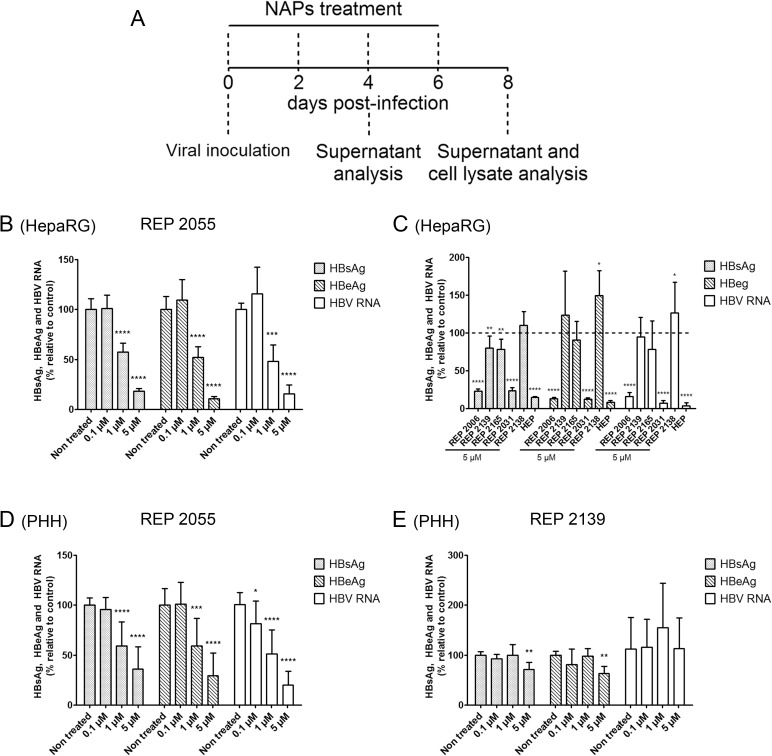
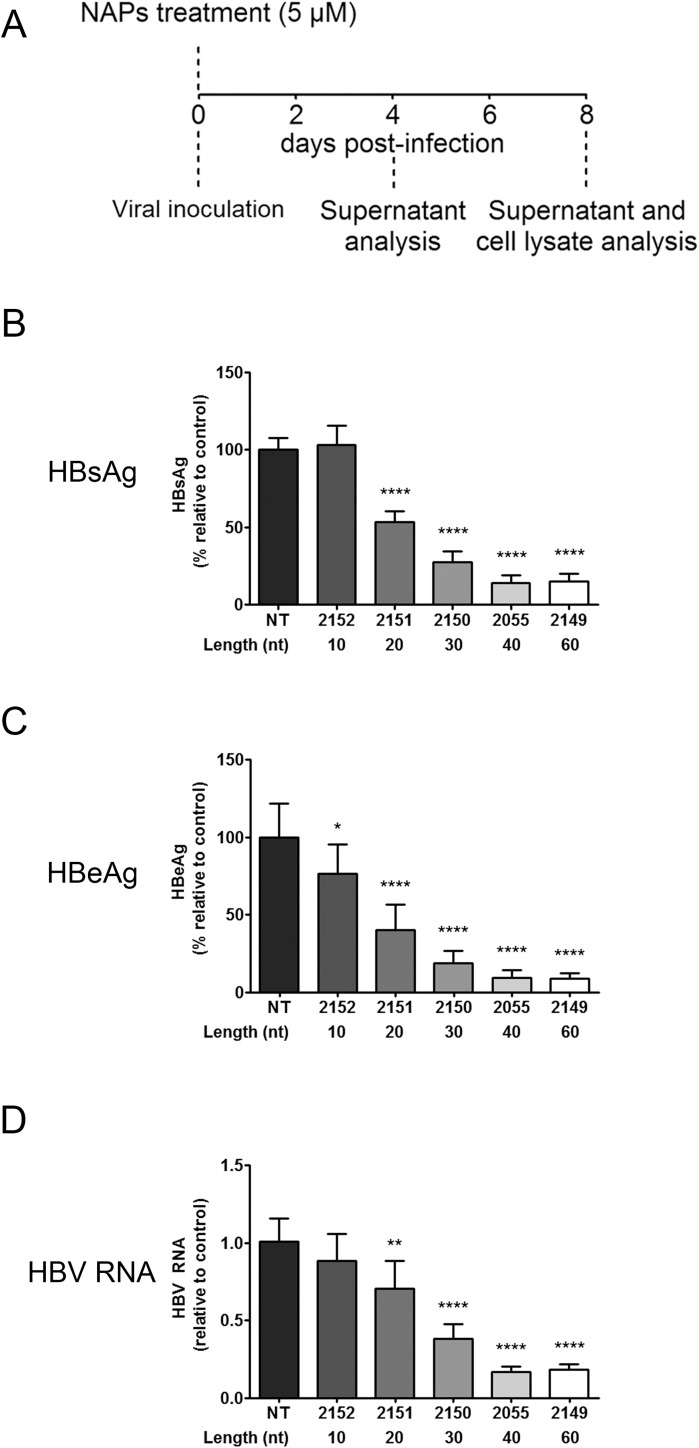
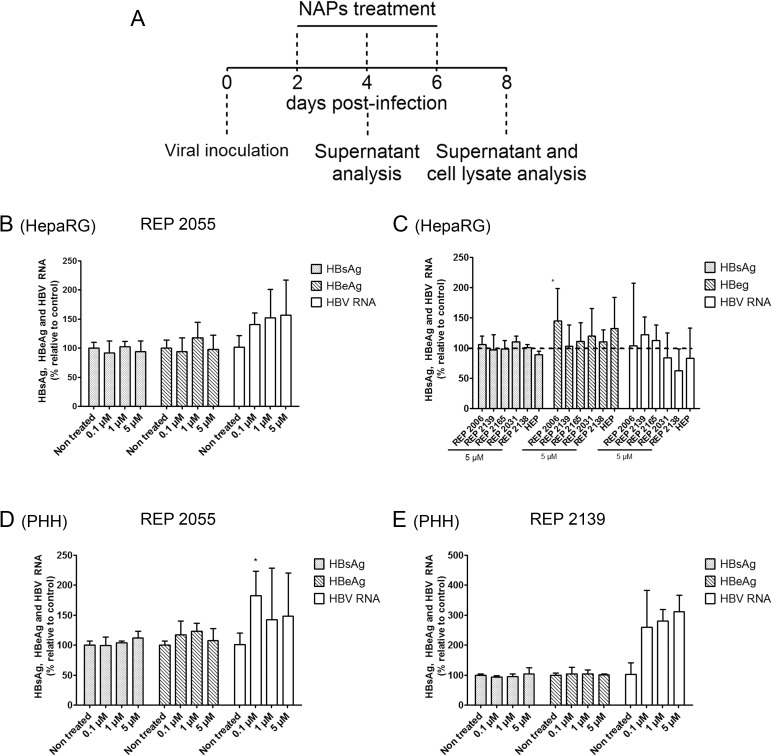
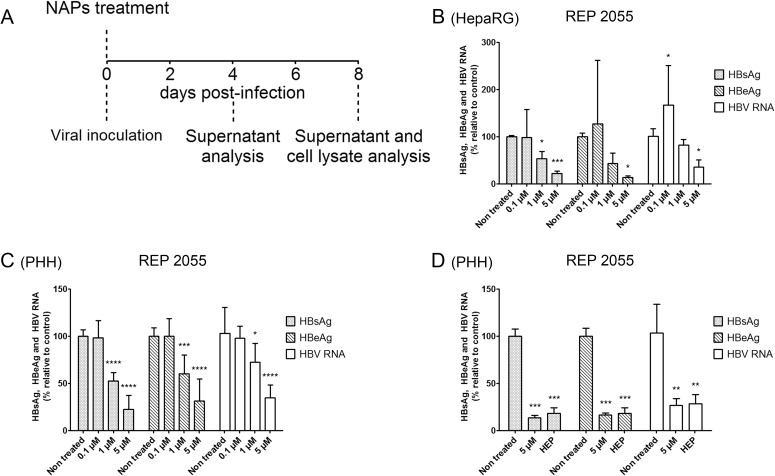
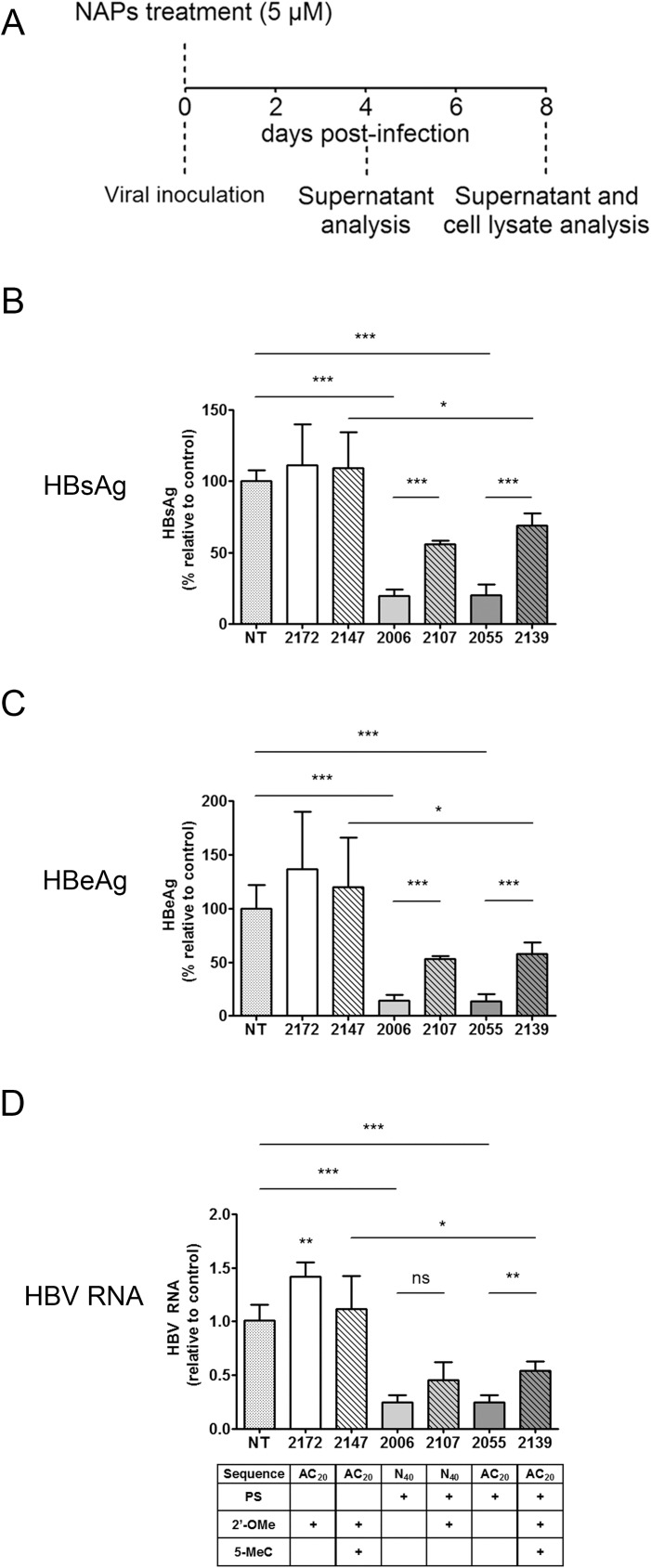
Hepatitis B virus (HBV) infection remains a major public health concern worldwide with 240 million individuals chronically infected and at risk of developing cirrhosis and hepatocellular carcinoma. Current treatments rarely cure chronic hepatitis B infection, highlighting the need for new anti-HBV drugs. Nucleic acid polymers (NAPs) are phosphorothioated oligonucleotides that have demonstrated a great potential to inhibit infection with several viruses. In chronically infected human patients, NAPs administration lead to a decline of blood HBsAg and HBV DNA and to HBsAg seroconversion, the expected signs of functional cure. NAPs have also been shown to prevent infection of duck hepatocytes with the Avihepadnavirus duck hepatitis B virus (DHBV) and to exert an antiviral activity against established DHBV infection in vitro and in vivo. In this study, we investigated the specific anti-HBV antiviral activity of NAPs in the HepaRG human hepatoma cell line and primary cultures of human hepatocytes. NAPs with different chemical features (phosphorothioation, 2'O-methyl ribose, 5-methylcytidine) were assessed for antiviral activity when provided at the time of HBV inoculation or post-inoculation. NAPs dose-dependently inhibited HBV entry in a phosphorothioation-dependent, sequence-independent and size-dependent manner. This inhibition of HBV entry by NAPs was impaired by 2'O-methyl ribose modification. NAP treatment after viral inoculation did not elicit any antiviral activity.
乙肝病毒(HBV)感染仍是全球主要的公共卫生问题,有2.4亿人慢性感染,面临发展为肝硬化和肝细胞癌的风险。目前的治疗方法很少能治愈慢性乙肝感染,这凸显了对新型抗HBV药物的需求。核酸聚合物(NAPs)是硫代磷酸化寡核苷酸,已显示出抑制多种病毒感染的巨大潜力。在慢性感染的人类患者中,给予NAPs可导致血液中HBsAg和HBV DNA水平下降,并实现HBsAg血清学转换,这是功能性治愈的预期迹象。NAPs还被证明可预防鸭乙型肝炎病毒(DHBV,一种禽嗜肝DNA病毒)感染鸭肝细胞,并在体外和体内对已建立的DHBV感染发挥抗病毒活性。在本研究中,我们调查了NAPs在HepaRG人肝癌细胞系和原代人肝细胞培养物中的特异性抗HBV抗病毒活性。在接种HBV时或接种后给予具有不同化学特征(硫代磷酸化、2'-O-甲基核糖、5-甲基胞苷)的NAPs,并评估其抗病毒活性。NAPs以硫代磷酸化依赖性、序列非依赖性和大小依赖性方式剂量依赖性地抑制HBV进入。2'-O-甲基核糖修饰会削弱NAPs对HBV进入的这种抑制作用。病毒接种后给予NAP治疗未引发任何抗病毒活性。