1 Department of Biochemistry and Molecular Genetics, University of Colorado - Denver , Colorado.
2 Developmental Lung Biology and Cardiovascular Pulmonary Research Laboratories, University of Colorado - Denver , Colorado.
Antioxid Redox Signal. 2018 Jan 20;28(3):230-250. doi: 10.1089/ars.2017.7217. Epub 2017 Aug 14.
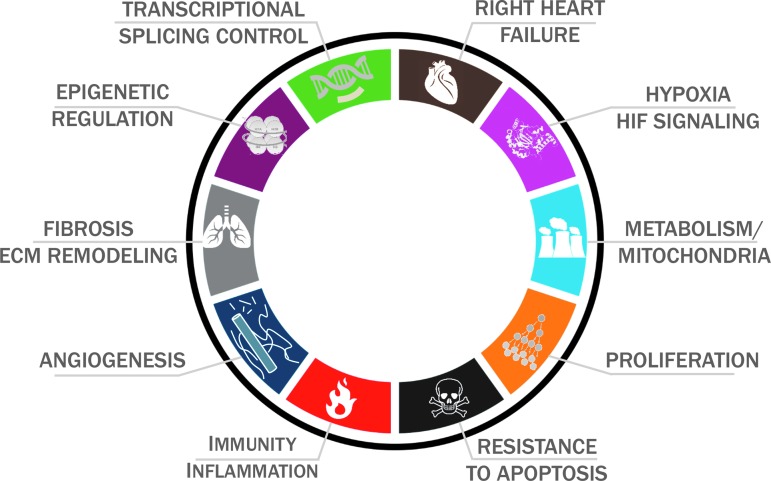
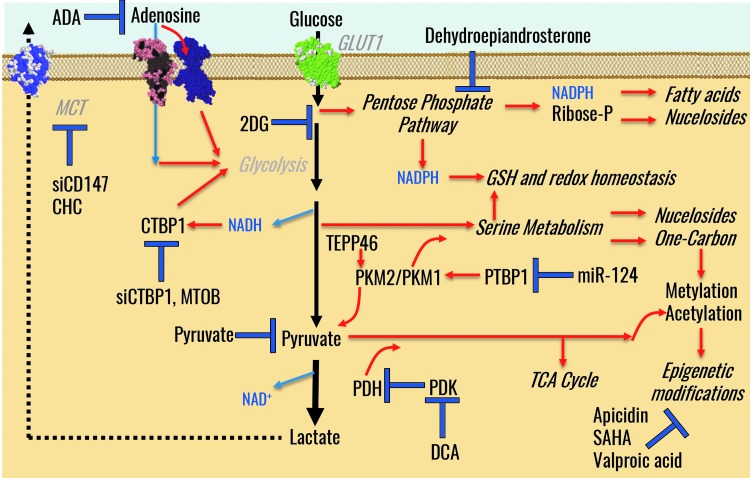
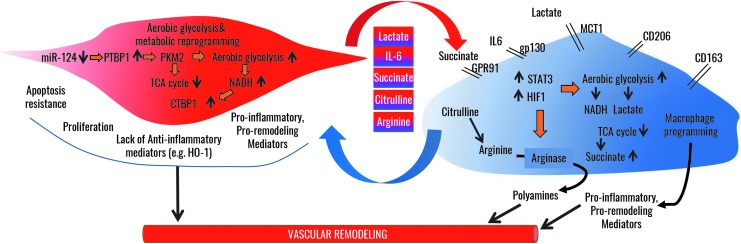
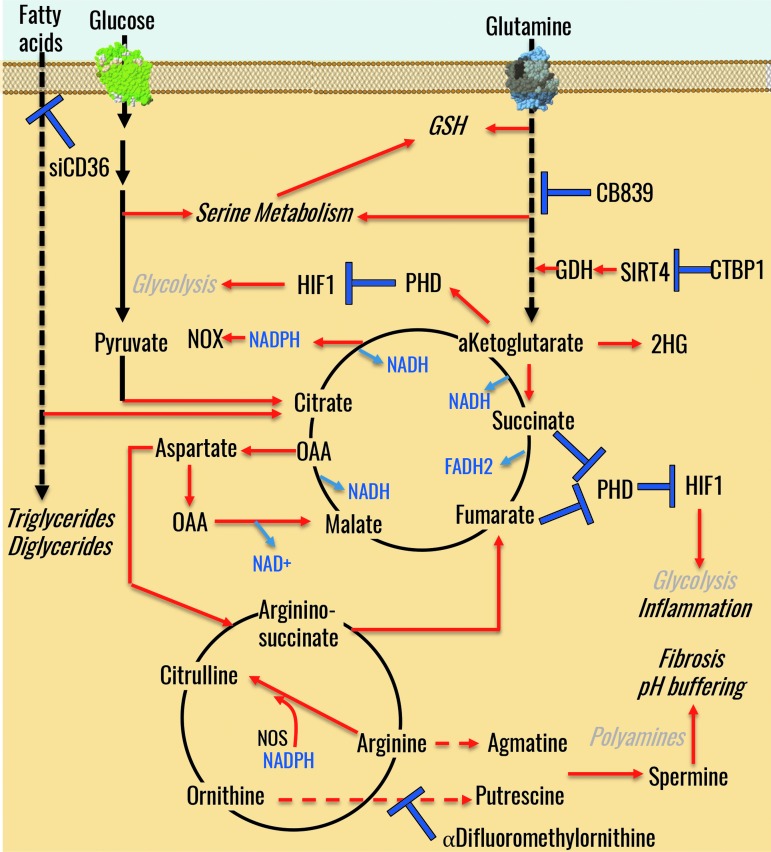
The molecular events that promote the development of pulmonary hypertension (PH) are complex and incompletely understood. The complex interplay between the pulmonary vasculature and its immediate microenvironment involving cells of immune system (i.e., macrophages) promotes a persistent inflammatory state, pathological angiogenesis, and fibrosis that are driven by metabolic reprogramming of mesenchymal and immune cells. Recent Advancements: Consistent with previous findings in the field of cancer metabolism, increased glycolytic rates, incomplete glucose and glutamine oxidation to support anabolism and anaplerosis, altered lipid synthesis/oxidation ratios, increased one-carbon metabolism, and activation of the pentose phosphate pathway to support nucleoside synthesis are but some of the key metabolic signatures of vascular cells in PH. In addition, metabolic reprogramming of macrophages is observed in PH and is characterized by distinct features, such as the induction of specific activation or polarization states that enable their participation in the vascular remodeling process.
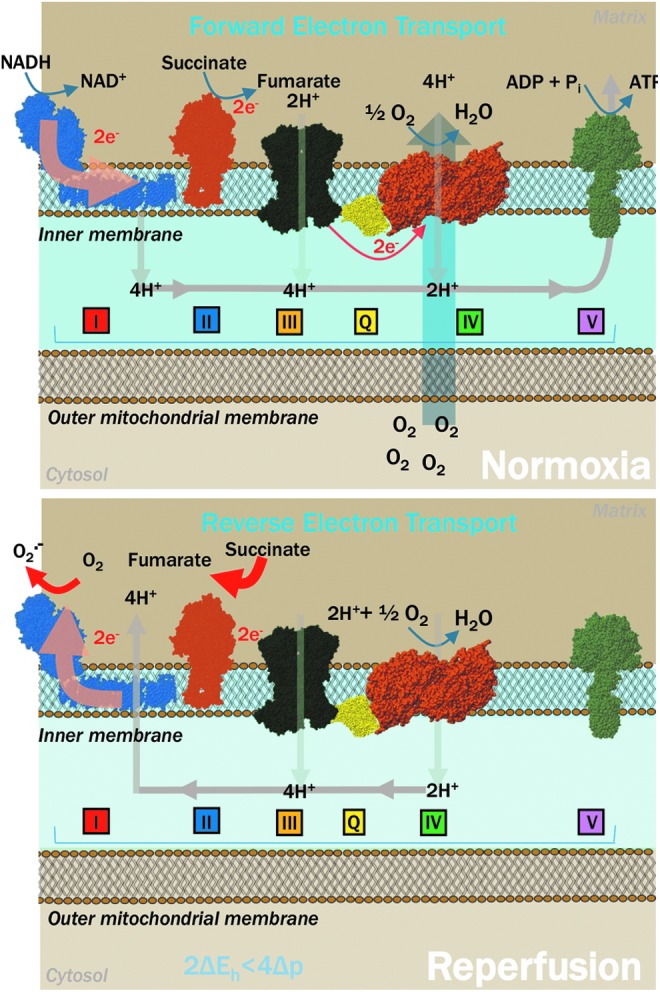
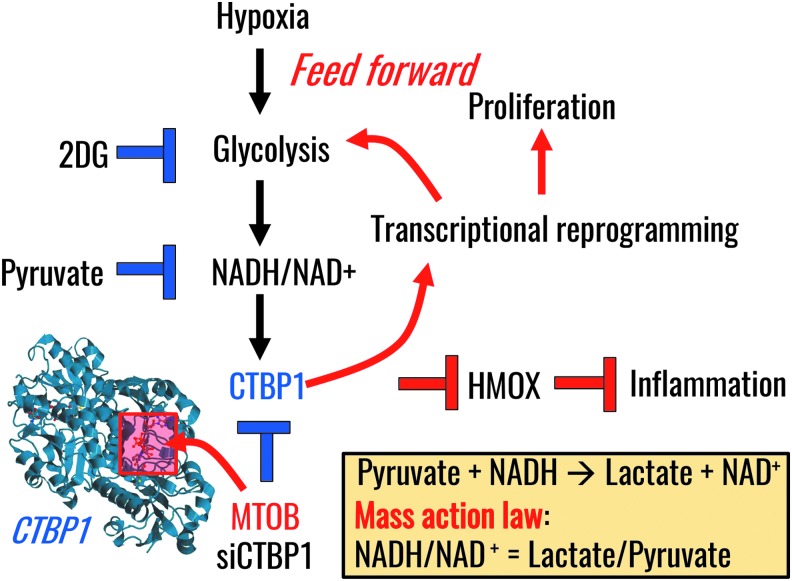
Accumulation of reducing equivalents, such as NAD(P)H in PH cells, also contributes to their altered phenotype both directly and indirectly by regulating the activity of the transcriptional co-repressor C-terminal-binding protein 1 to control the proliferative/inflammatory gene expression in resident and immune cells. Further, similar to the role of anomalous metabolism in mitochondria in cancer, in PH short-term hypoxia-dependent and long-term hypoxia-independent alterations of mitochondrial activity, in the absence of genetic mutation of key mitochondrial enzymes, have been observed and explored as potential therapeutic targets.
For the foreseeable future, short- and long-term metabolic reprogramming will become a candidate druggable target in the treatment of PH. Antioxid. Redox Signal. 28, 230-250.
促进肺动脉高压(PH)发展的分子事件复杂且尚未完全理解。肺血管及其直接微环境与免疫系统细胞(即巨噬细胞)之间的复杂相互作用促进了持续的炎症状态、病理性血管生成和纤维化,这些是由间充质和免疫细胞的代谢重编程驱动的。
与癌症代谢领域的先前发现一致,增加的糖酵解率、不完全的葡萄糖和谷氨酰胺氧化以支持合成代谢和补料作用、改变的脂质合成/氧化比、增加的一碳代谢以及戊糖磷酸途径的激活以支持核苷合成只是 PH 血管细胞的一些关键代谢特征。此外,PH 中观察到巨噬细胞的代谢重编程,其特征是特定激活或极化状态的诱导,使其能够参与血管重塑过程。
PH 细胞中还原当量(如 NAD(P)H)的积累也通过直接和间接方式导致其表型改变,通过调节转录共抑制因子 C 端结合蛋白 1 的活性来控制驻留细胞和免疫细胞中的增殖/炎症基因表达。此外,与癌症中线粒体异常代谢的作用相似,在 PH 中观察到短期缺氧依赖性和长期缺氧独立性的线粒体活性改变,而关键线粒体酶的遗传突变缺失,已被探索为潜在的治疗靶点。
在可预见的未来,短期和长期的代谢重编程将成为治疗 PH 的候选药物靶点。抗氧化。氧化还原信号。28,230-250。