Department of Biochemistry, Indian Institute of Science, Bangalore, 560012, India.
Department of Organic Chemistry, Indian Institute of Science, Bangalore, 560012, India.
Sci Rep. 2017 Jun 21;7(1):3965. doi: 10.1038/s41598-017-04358-5.
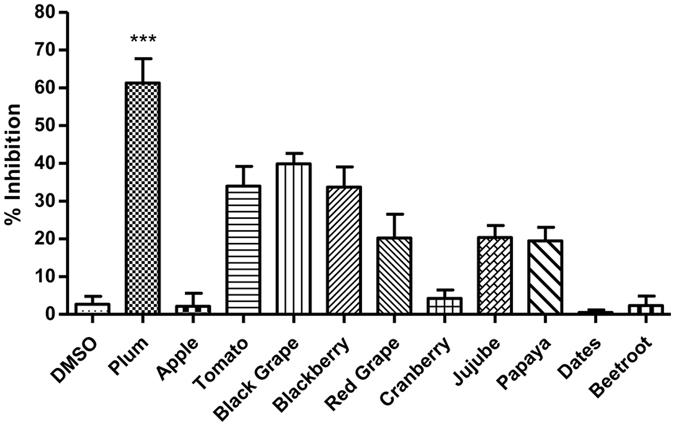
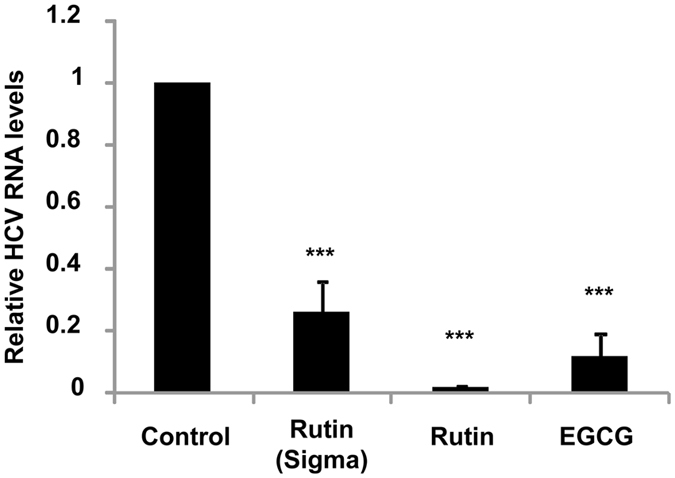
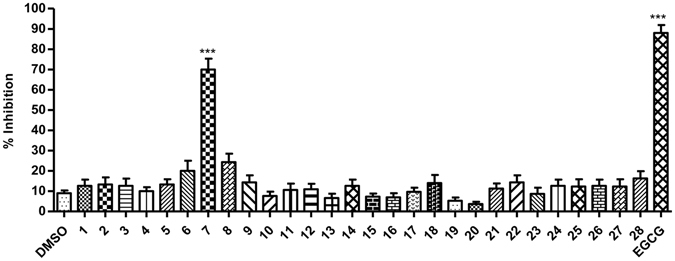
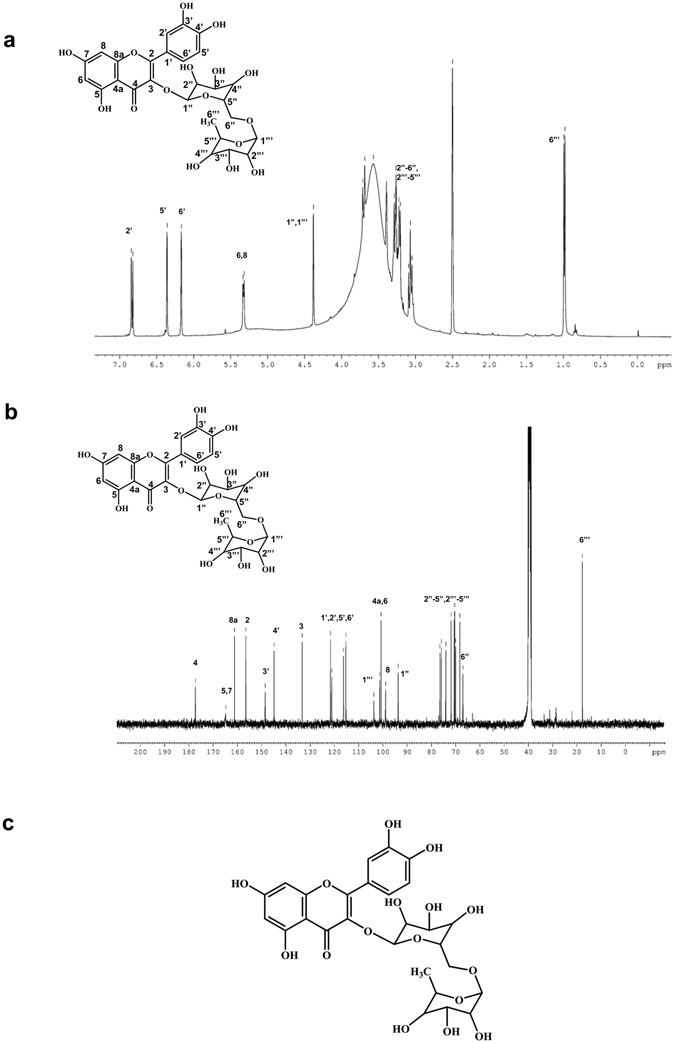
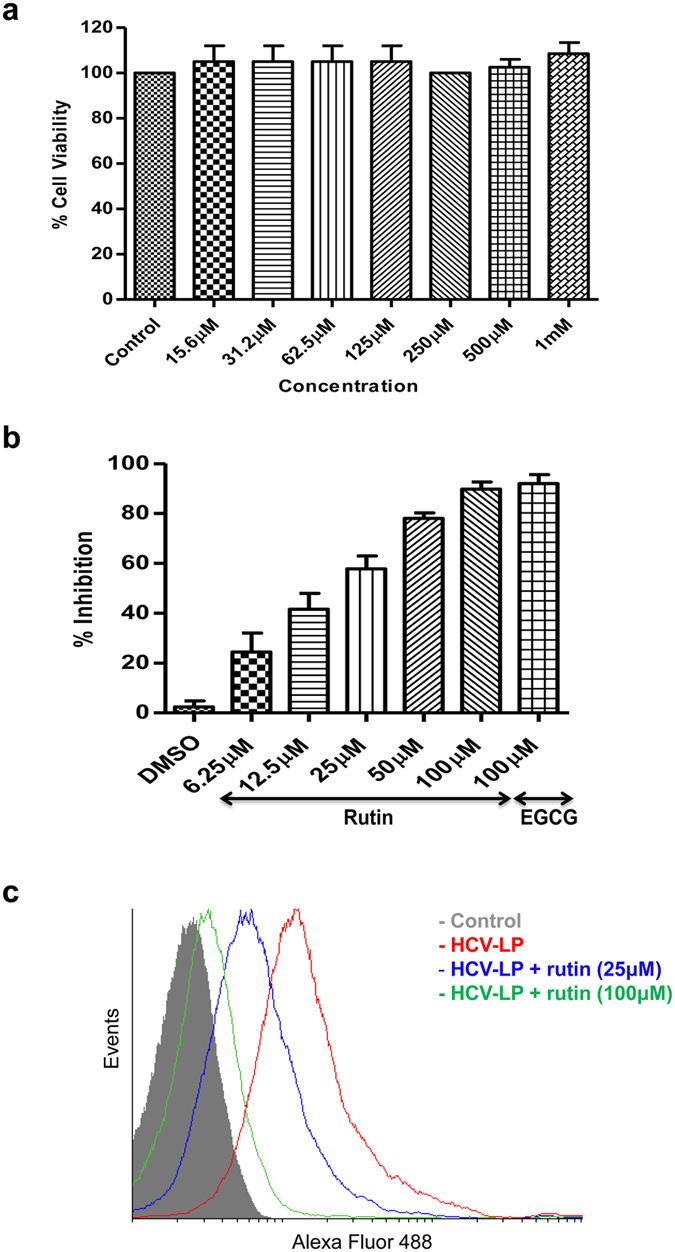
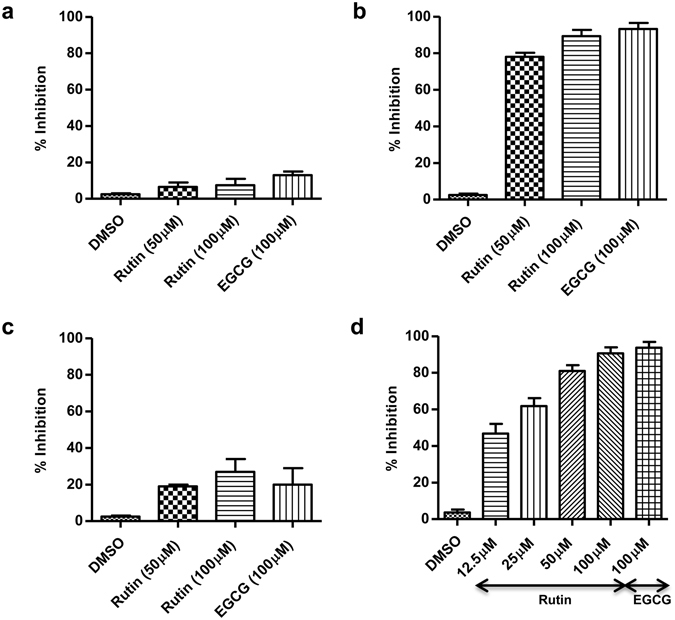
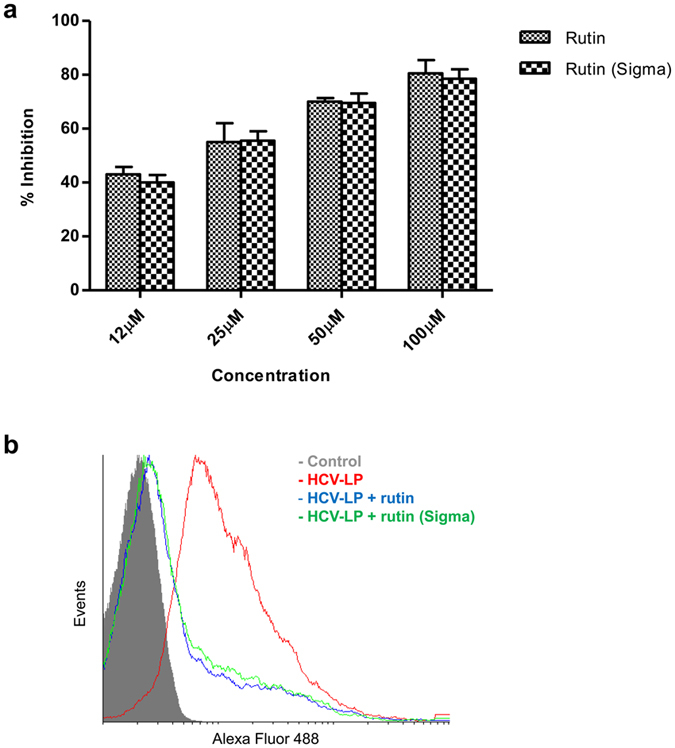
Hepatitis C virus (HCV) infection is a major cause of chronic liver diseases that often requires liver transplantation. The standard therapies are limited by severe side effects, resistance development, high expense and in a substantial proportion of cases, fail to clear the infection which bespeak the need for development of well-tolerated antivirals. Since most of the drug development strategies target the replication stage of viral lifecycle, the identification of entry inhibitors might be crucial especially in case of liver-transplant recipients. In the present study we have evaluated fruits which are known for their hepatoprotective effects in order to screen for entry inhibitors. We report the identification of a flavonoid, rutin, isolated from Prunus domestica as a new HCV entry inhibitor. Characterization and confirmation of the chemical structure was done by LC-ESI-MS, NMR and IR spectral analyses. Rutin significantly inhibited HCV-LP binding to hepatoma cells and inhibited cell-culture derived HCV (HCVcc) entry into hepatoma cells. Importantly, rutin was found to be non-toxic to hepatoma cells. Furthermore, rutin inhibits the early entry stage of HCV lifecycle possibly by directly acting on the viral particle. In conclusion, rutin is a promising candidate for development of anti-HCV therapeutics in the management of HCV infection.
丙型肝炎病毒(HCV)感染是慢性肝病的主要病因,常需要进行肝移植。标准疗法受到严重副作用、耐药性发展、高费用的限制,而且在很大一部分情况下无法清除感染,这表明需要开发耐受性良好的抗病毒药物。由于大多数药物开发策略针对病毒生命周期的复制阶段,因此识别进入抑制剂可能至关重要,特别是在肝移植受者的情况下。在本研究中,我们评估了已知具有肝保护作用的水果,以筛选进入抑制剂。我们报告了从李属植物中分离出的一种黄酮类化合物芦丁,作为一种新的 HCV 进入抑制剂。通过 LC-ESI-MS、NMR 和 IR 光谱分析对其进行了特征描述和化学结构的确认。芦丁显著抑制 HCV-LP 与肝癌细胞的结合,并抑制细胞培养衍生的 HCV(HCVcc)进入肝癌细胞。重要的是,芦丁对肝癌细胞没有毒性。此外,芦丁可能通过直接作用于病毒颗粒来抑制 HCV 生命周期的早期进入阶段。总之,芦丁是开发抗 HCV 治疗药物以治疗 HCV 感染的有前途的候选药物。