Hsu Chao-Wen, Chen Yu-Chia, Su Hsing-Hao, Huang Guan-Jin, Shu Chih-Wen, Wu Tony Tong-Lin, Pan Hung-Wei
Division of Colorectal Surgery, Department of Surgery, Kaohsiung Veteran General Hospital, Kaohsiung, Taiwan.
School of Medicine, National Yang-Ming University, Taipei, Taiwan.
J Cancer. 2017 May 12;8(8):1378-1394. doi: 10.7150/jca.17478. eCollection 2017.
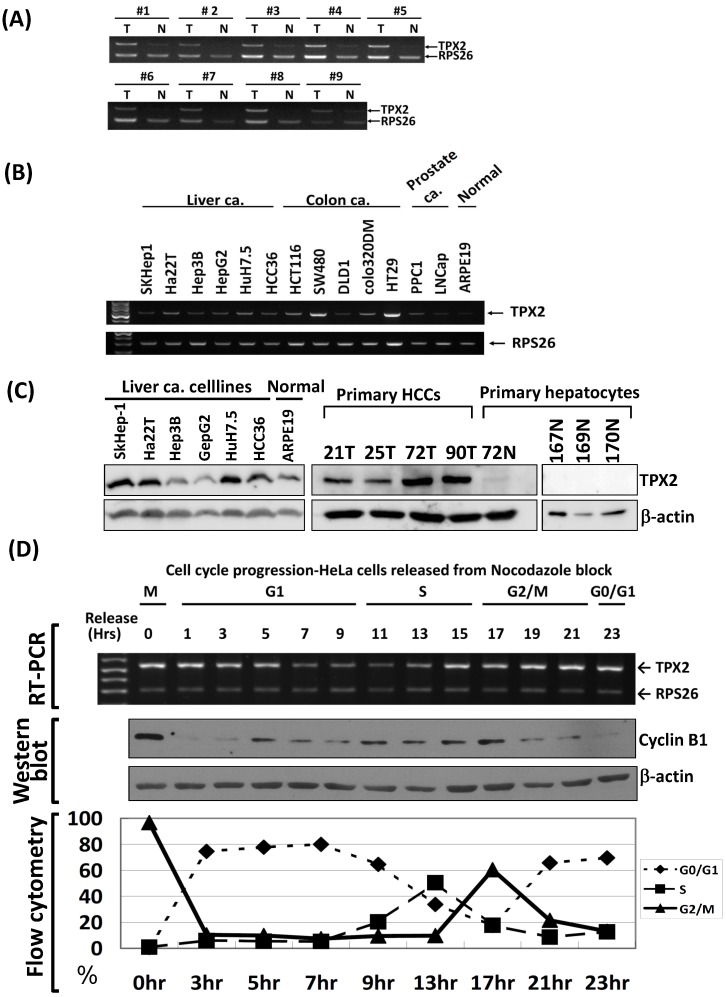
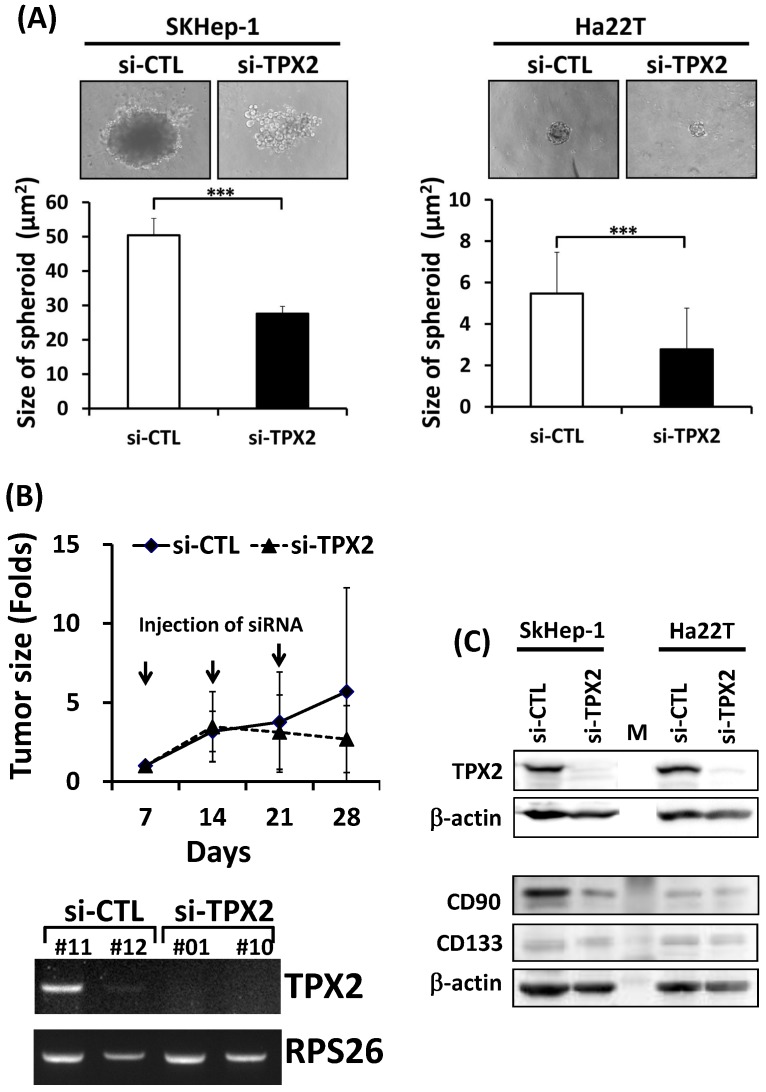
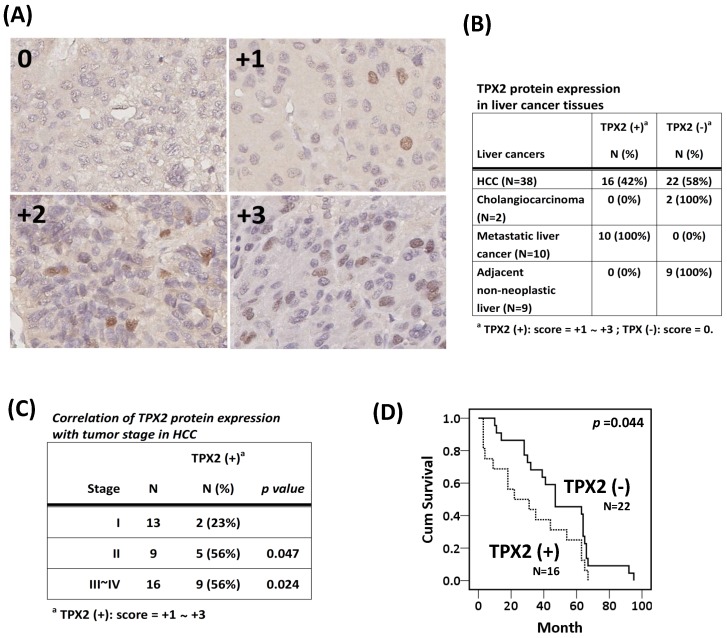
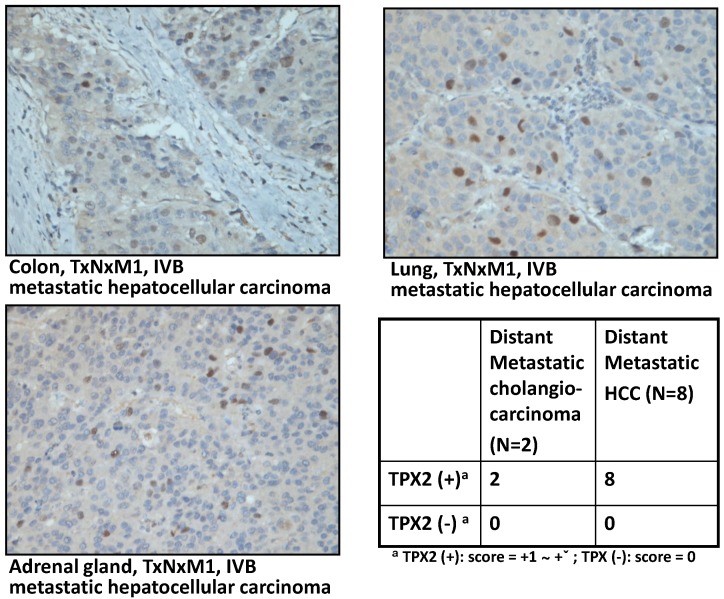
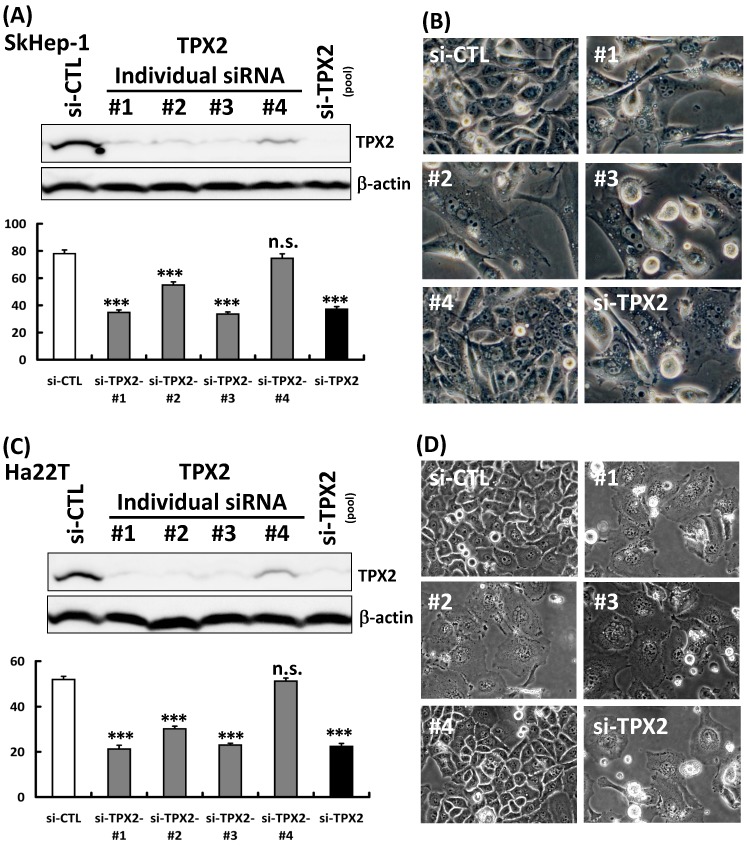
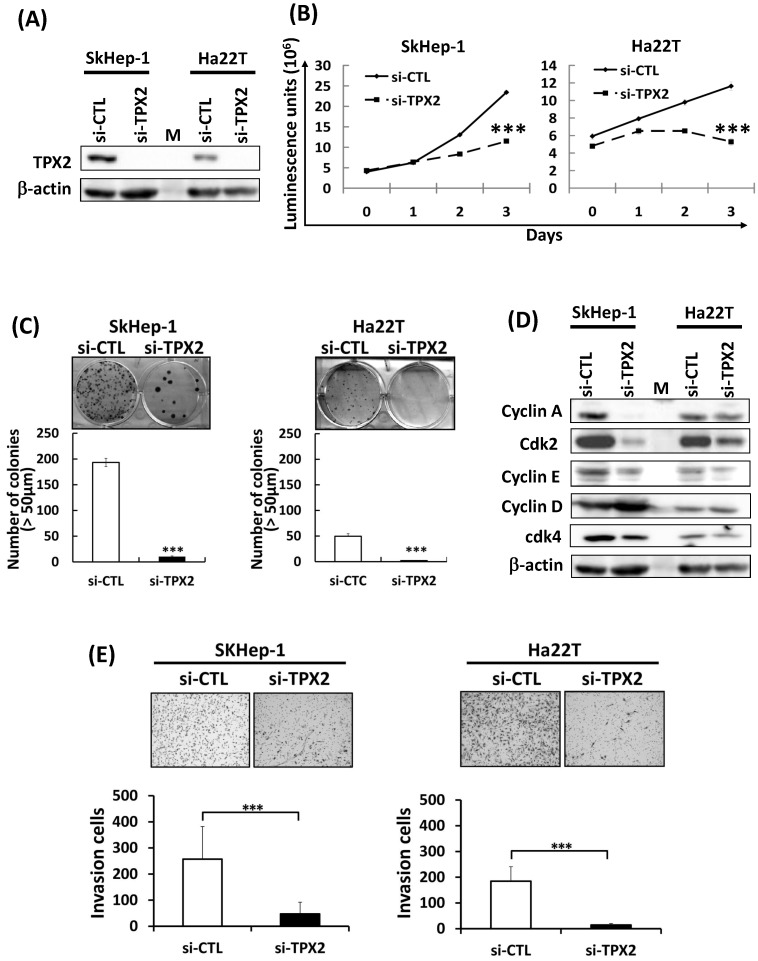
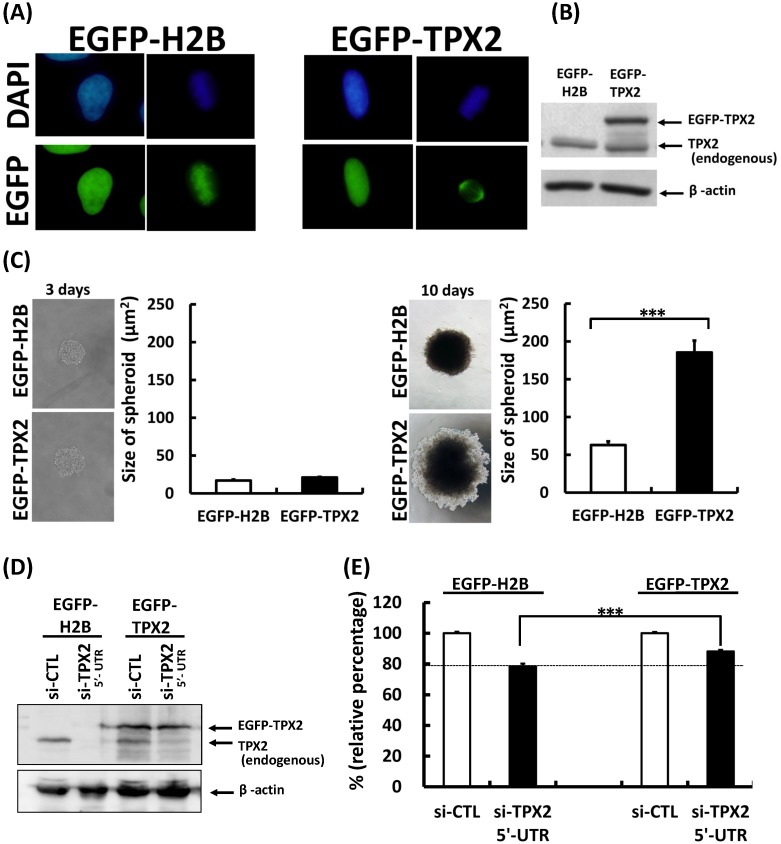
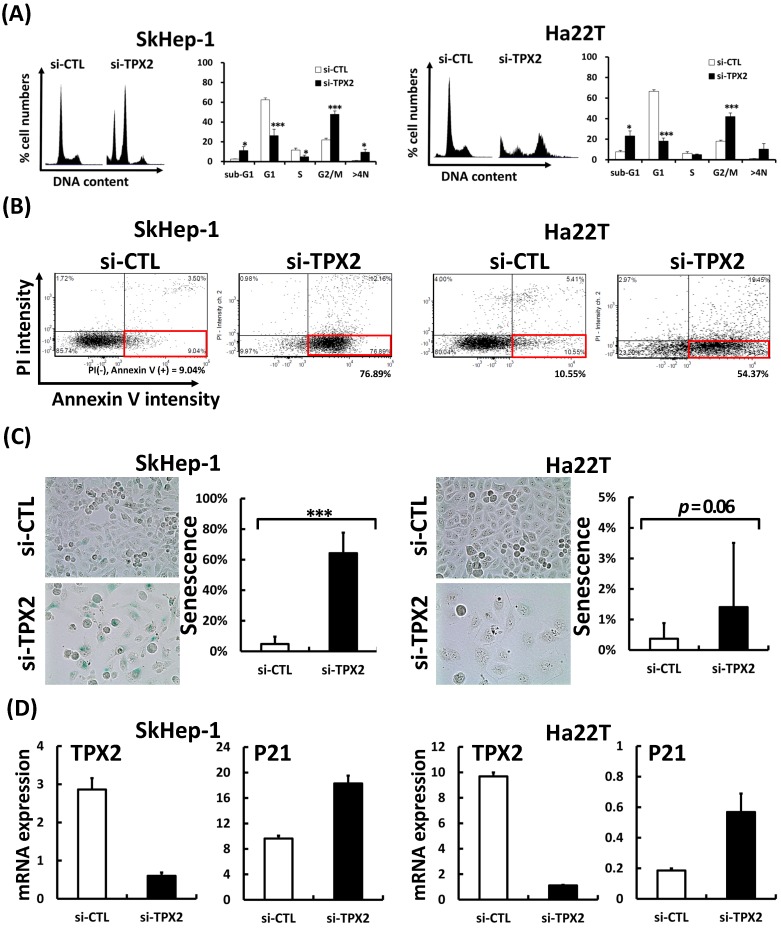
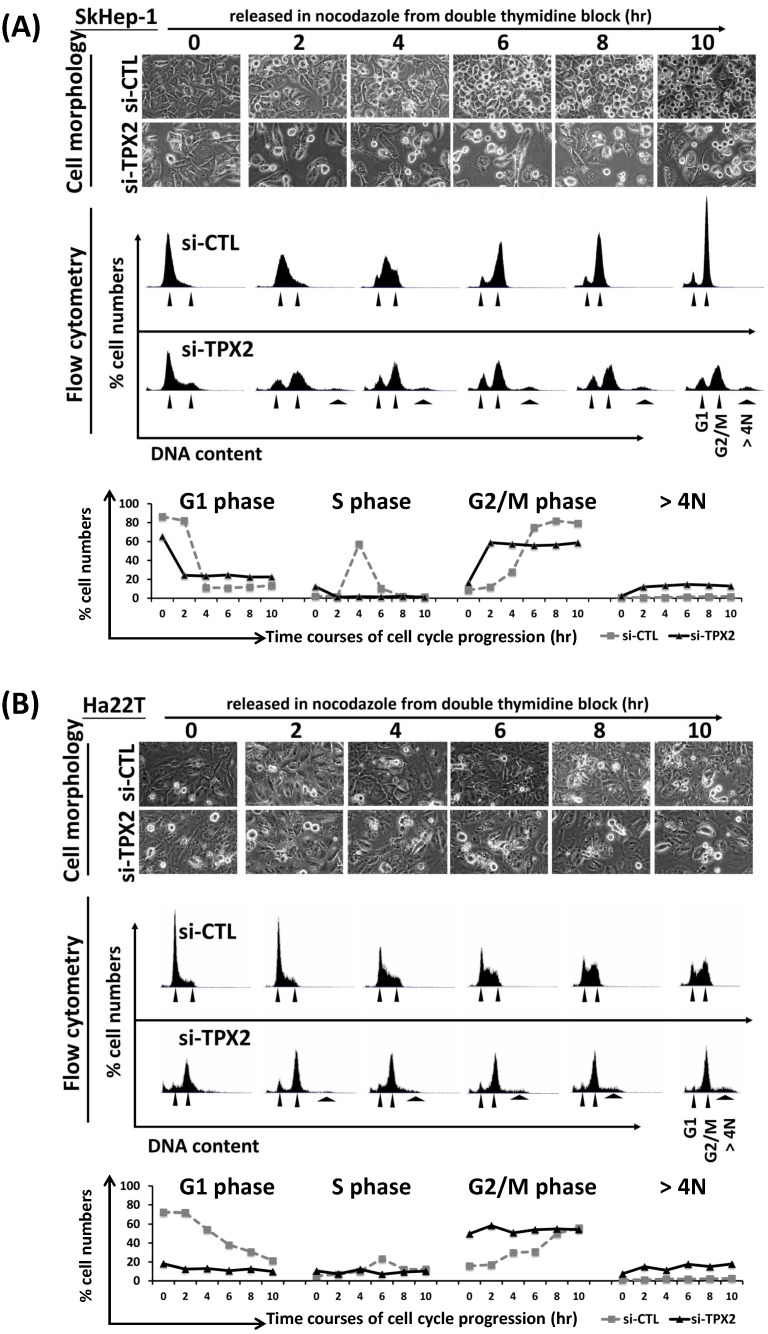
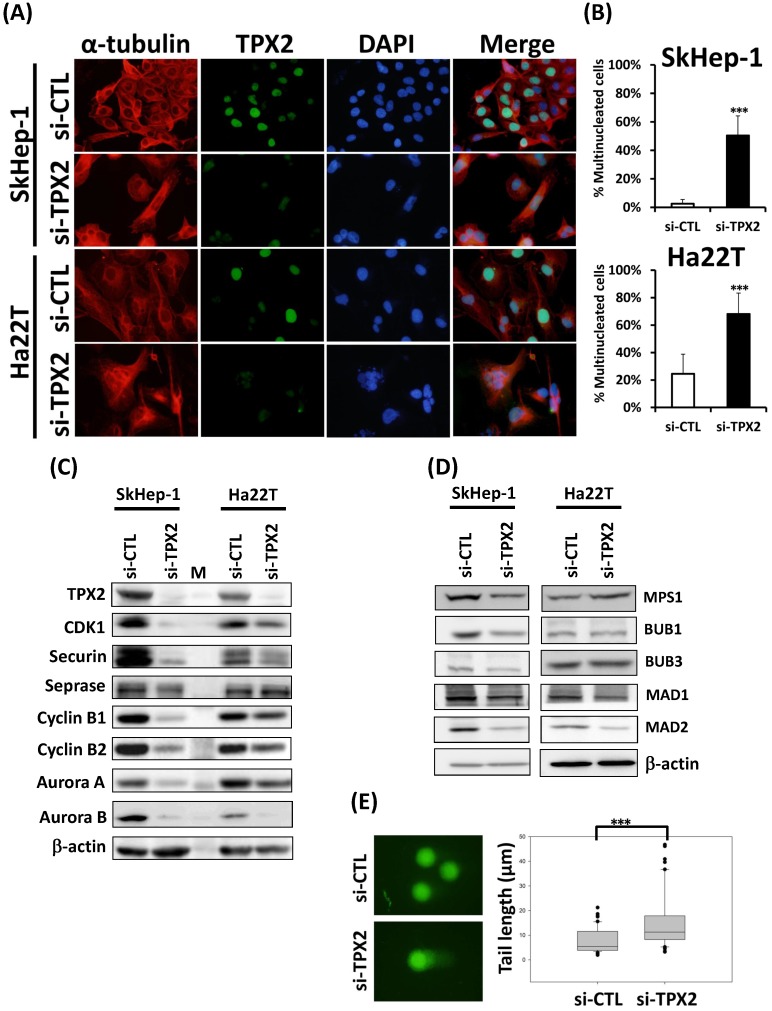
Hepatocellular carcinoma (HCC) remains one of the most difficult cancers to treat, with chemotherapies being relatively ineffective. Therefore, a better knowledge of molecular hepatocarcinogenesis will provide opportunities for designing targeted therapies. TPX2 (targeting protein for Xklp2) is overexpressed as a consequence of oncogenic alterations and is likely to alter the proper regulation of chromosome segregation in cancer cells. Disrupting the machinery which is responsible for mitosis and chromosome instability in cancer cells can be one of the most successful strategies for cancer therapy. Therefore, we consider the targeting TPX2 could provide novel therapeutic strategies for cancer. In this study, increased TPX2 protein expression was present in 16 (42%) of 38 primary HCCs and was associated with advanced stage, distant metastatic HCCs and poor prognosis. Knockdown of TPX2 inhibited cancer cell growth and downregulation of cyclin A, cyclin E and CDK2 proteins. However, over-expressed EGFP-TPX2 protein enhanced the tumor spheroid formation and rescued the TPX2 depleted cell growth. Targeting TPX2 caused a rising impaired chromosomal instability resulting in multinuclearity, cell cycle progression arrest, apotosis, senescence and an increased polyploidy in cells. An image-cytometry analysis revealed cell cycle progression arrest after TPX2 inhibition. A correlation was observed between the downregulation of the protein levels of genes related to chromosomal segregation and spindle assembly checkpoint (securin, seprase, Aurora A, Aurora B, Cyclin B1, Cyclin B2, MPS1, BUB1, BUB3, MAD1 and MAD2) and increased cell ploidy, indicating mitotic progression failure and the loss of the balance of genomic instability. tumor spheroid assay and xenografts mouse model showed a therapeutic opportunity. Our findings indicate that targeting TPX2 lead to suppress tumorigenicity in liver cancer cells, suggesting that TPX2 is a potential target for anticancer therapy in HCC.
肝细胞癌(HCC)仍然是最难治疗的癌症之一,化疗相对无效。因此,更好地了解分子肝癌发生机制将为设计靶向治疗提供机会。TPX2(Xklp2靶向蛋白)由于致癌改变而过度表达,并且可能改变癌细胞中染色体分离的正常调控。破坏负责癌细胞有丝分裂和染色体不稳定性的机制可能是癌症治疗最成功的策略之一。因此,我们认为靶向TPX2可为癌症提供新的治疗策略。在本研究中,38例原发性肝癌中有16例(42%)存在TPX2蛋白表达增加,且与晚期、远处转移性肝癌及预后不良相关。敲低TPX2可抑制癌细胞生长,并下调细胞周期蛋白A、细胞周期蛋白E和CDK2蛋白。然而,过表达的EGFP-TPX2蛋白增强了肿瘤球形成,并挽救了TPX2缺失的细胞生长。靶向TPX2导致染色体不稳定性受损加剧,导致细胞多核化、细胞周期进程停滞、凋亡、衰老以及细胞多倍体增加。图像细胞术分析显示TPX2抑制后细胞周期进程停滞。观察到与染色体分离和纺锤体组装检查点相关基因(securin、seprase、Aurora A、Aurora B、细胞周期蛋白B1、细胞周期蛋白B2、MPS1、BUB1、BUB3、MAD1和MAD2)蛋白水平下调与细胞倍性增加之间存在相关性,表明有丝分裂进程失败和基因组不稳定性平衡丧失。肿瘤球试验和异种移植小鼠模型显示了治疗机会。我们的研究结果表明,靶向TPX2可抑制肝癌细胞的致瘤性,提示TPX2是HCC抗癌治疗的潜在靶点。