Azorin-Lopez Jorge, Fuster-Guillo Andres, Saval-Calvo Marcelo, Mora-Mora Higinio, Garcia-Chamizo Juan Manuel
Department of Computer Technology, University of Alicante, Carretera San Vicente s/n, San Vicente del Raspeig, Alicante 03690, Spain.
Sensors (Basel). 2017 Jun 22;17(7):1466. doi: 10.3390/s17071466.
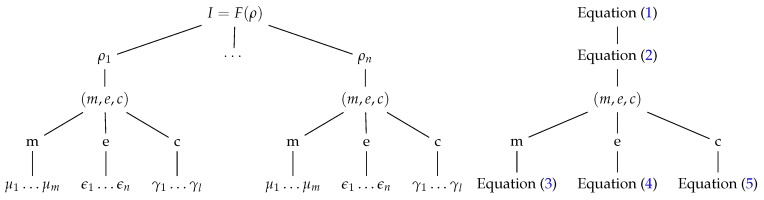
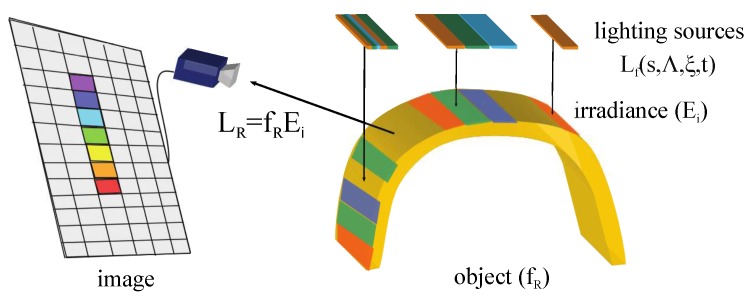
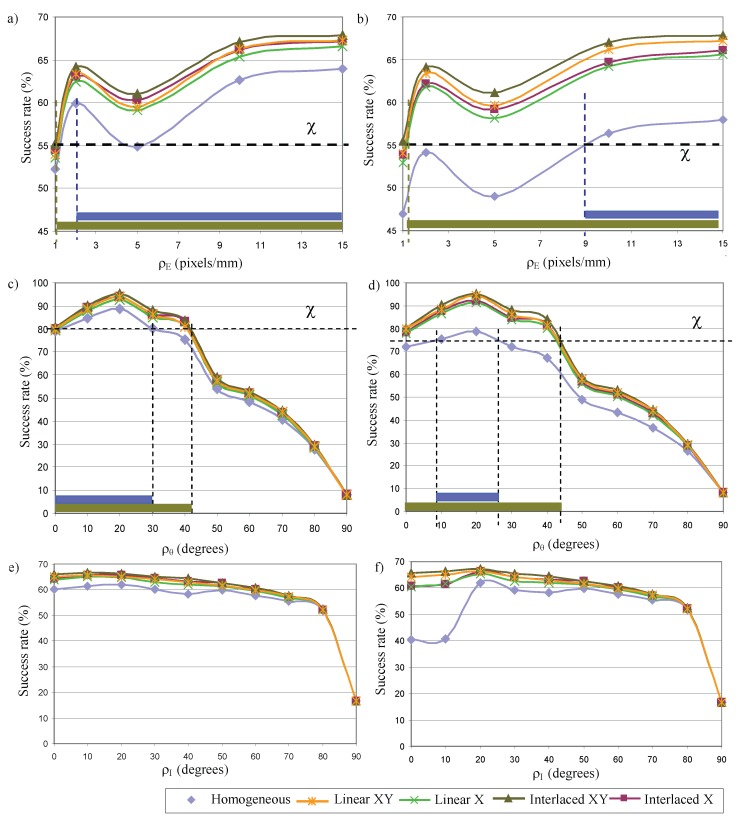
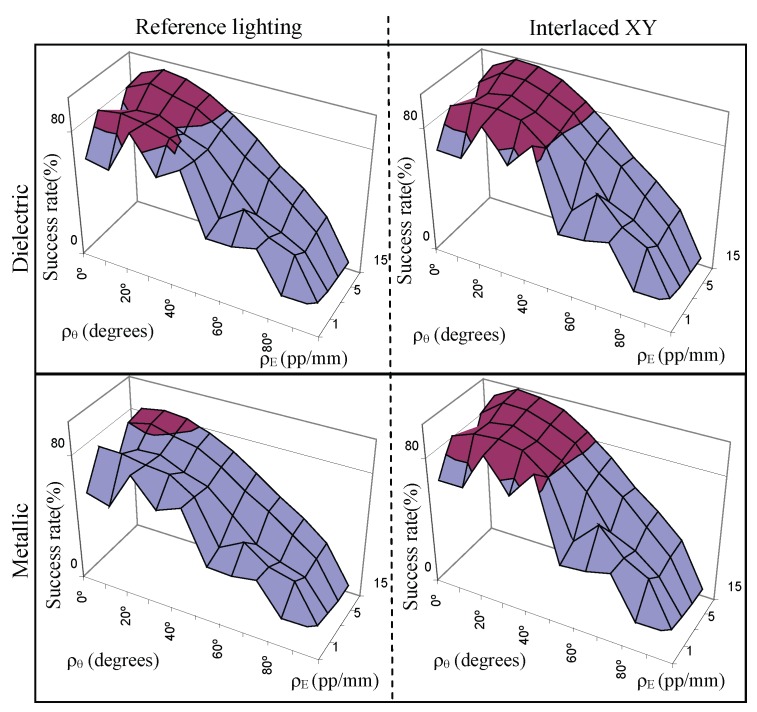
The use of visual information is a very well known input from different kinds of sensors. However, most of the perception problems are individually modeled and tackled. It is necessary to provide a general imaging model that allows us to parametrize different input systems as well as their problems and possible solutions. In this paper, we present an active vision model considering the imaging system as a whole (including camera, lighting system, object to be perceived) in order to propose solutions to automated visual systems that present problems that we perceive. As a concrete case study, we instantiate the model in a real application and still challenging problem: automated visual inspection. It is one of the most used quality control systems to detect defects on manufactured objects. However, it presents problems for specular products. We model these perception problems taking into account environmental conditions and camera parameters that allow a system to properly perceive the specific object characteristics to determine defects on surfaces. The validation of the model has been carried out using simulations providing an efficient way to perform a large set of tests (different environment conditions and camera parameters) as a previous step of experimentation in real manufacturing environments, which more complex in terms of instrumentation and more expensive. Results prove the success of the model application adjusting scale, viewpoint and lighting conditions to detect structural and color defects on specular surfaces.
视觉信息的使用是来自不同类型传感器的一种广为人知的输入方式。然而,大多数感知问题都是单独建模和处理的。有必要提供一个通用的成像模型,使我们能够对不同的输入系统及其问题和可能的解决方案进行参数化。在本文中,我们提出了一个将成像系统视为一个整体(包括相机、照明系统、待感知物体)的主动视觉模型,以便为我们所感知到的存在问题的自动化视觉系统提出解决方案。作为一个具体的案例研究,我们在一个实际应用且颇具挑战性的问题——自动化视觉检测中实例化该模型。它是检测制造物体上缺陷最常用的质量控制系统之一。然而,对于镜面产品来说它存在问题。我们在考虑环境条件和相机参数的情况下对这些感知问题进行建模,这些条件和参数能使系统正确感知特定物体特征以确定表面缺陷。该模型的验证是通过模拟进行的,这为在实际制造环境中进行实验的前一步提供了一种执行大量测试(不同环境条件和相机参数)的有效方法,实际制造环境在仪器方面更为复杂且成本更高。结果证明了该模型应用的成功,它能调整比例、视角和照明条件以检测镜面表面的结构和颜色缺陷。