Institute for Chemical Biology & Drug Discovery, Departments of Chemistry and Radiology, Stony Brook University , Stony Brook, New York 11794-3400, United States.
ACS Chem Neurosci. 2018 Jan 17;9(1):29-39. doi: 10.1021/acschemneuro.7b00185. Epub 2017 Jul 14.
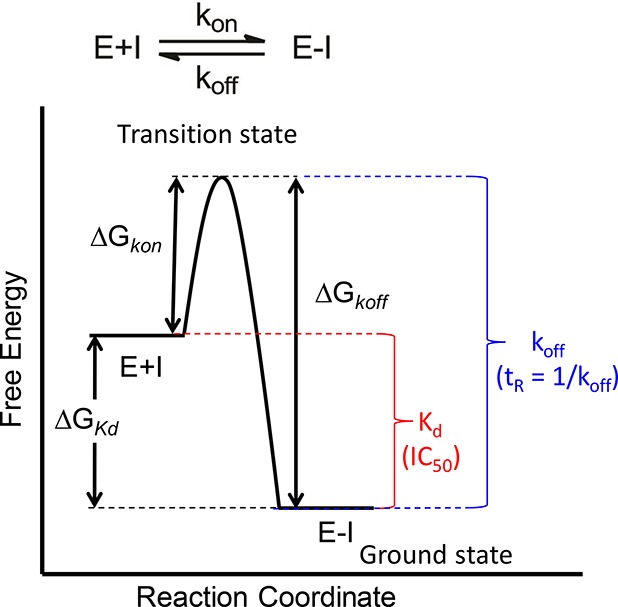
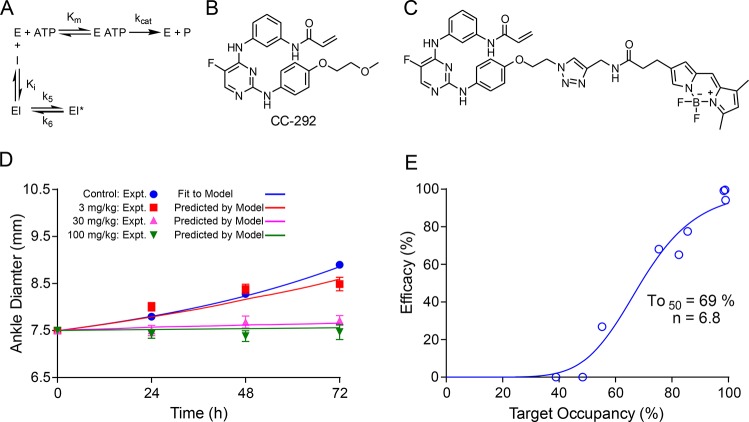
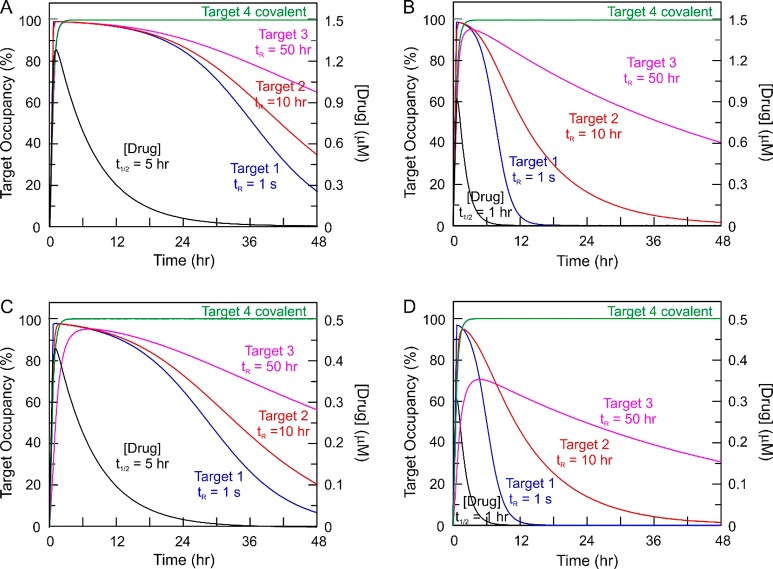
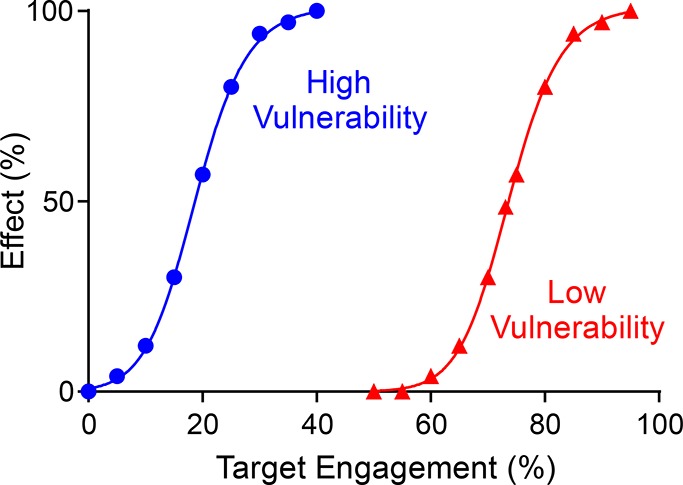
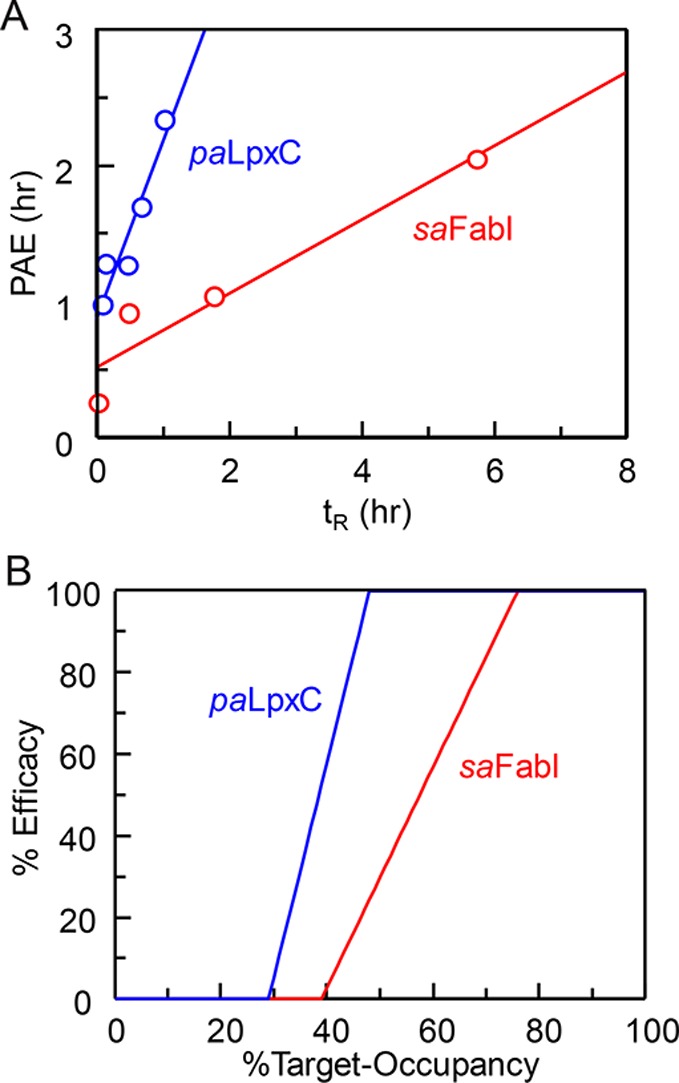
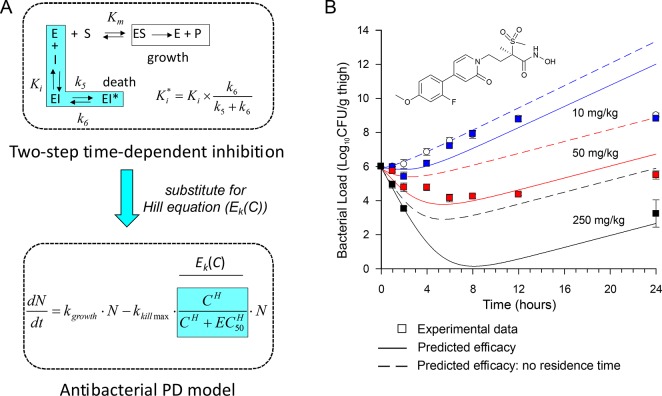
The development of therapies for the treatment of neurological cancer faces a number of major challenges including the synthesis of small molecule agents that can penetrate the blood-brain barrier (BBB). Given the likelihood that in many cases drug exposure will be lower in the CNS than in systemic circulation, it follows that strategies should be employed that can sustain target engagement at low drug concentration. Time dependent target occupancy is a function of both the drug and target concentration as well as the thermodynamic and kinetic parameters that describe the binding reaction coordinate, and sustained target occupancy can be achieved through structural modifications that increase target (re)binding and/or that decrease the rate of drug dissociation. The discovery and deployment of compounds with optimized kinetic effects requires information on the structure-kinetic relationships that modulate the kinetics of binding, and the molecular factors that control the translation of drug-target kinetics to time-dependent drug activity in the disease state. This Review first introduces the potential benefits of drug-target kinetics, such as the ability to delineate both thermodynamic and kinetic selectivity, and then describes factors, such as target vulnerability, that impact the utility of kinetic selectivity. The Review concludes with a description of a mechanistic PK/PD model that integrates drug-target kinetics into predictions of drug activity.
神经癌治疗方法的发展面临着许多重大挑战,包括合成能够穿透血脑屏障(BBB)的小分子药物。鉴于在许多情况下,药物在中枢神经系统(CNS)中的暴露水平低于全身循环,因此应该采用能够在低药物浓度下维持靶标结合的策略。时变靶标占有率是药物和靶标浓度以及描述结合反应坐标的热力学和动力学参数的函数,通过增加靶标(再)结合和/或降低药物解离速率的结构修饰可以实现持续的靶标占有率。具有优化动力学效应的化合物的发现和应用需要关于调节结合动力学的结构-动力学关系的信息,以及控制药物-靶标动力学向疾病状态下时间依赖性药物活性转化的分子因素。这篇综述首先介绍了药物-靶标动力学的潜在益处,例如区分热力学和动力学选择性的能力,然后描述了影响动力学选择性实用性的因素,例如靶标脆弱性。综述最后描述了一种将药物-靶标动力学整合到药物活性预测中的机制 PK/PD 模型。