Schwaiberger David, Pickerodt Philipp A, Pomprapa Anake, Tjarks Onno, Kork Felix, Boemke Willehad, Francis Roland C E, Leonhardt Steffen, Lachmann Burkhard
Department of Anesthesiology and Intensive Care Medicine, Campus Charité Mitte and Campus Virchow-Klinikum, Charité -Universitätsmedizin, corporate member of Freie Universität Berlin, Humboldt Universität zu Berlin, and Berlin Institute of Health, Augustenburger Platz 1, Berlin, 13353, Germany.
Philips Chair for Medical Information Technology, Helmholtz-Institute for Biomedical Engineering, RWTH Aachen University, Pauwelsstrasse 20, Aachen, 52074, Germany.
J Clin Monit Comput. 2018 Jun;32(3):493-502. doi: 10.1007/s10877-017-0040-0. Epub 2017 Jun 26.
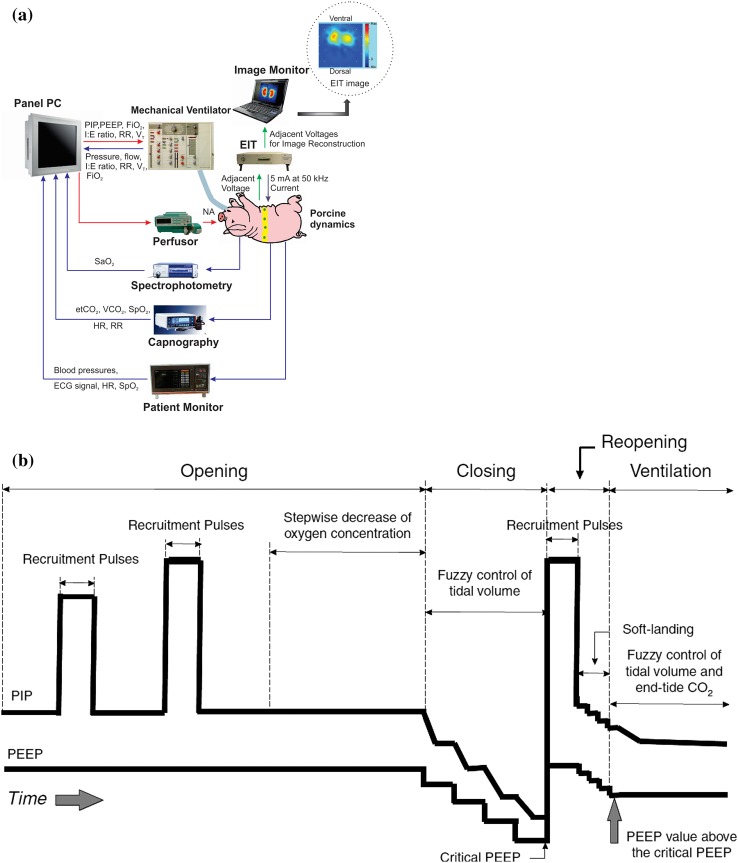
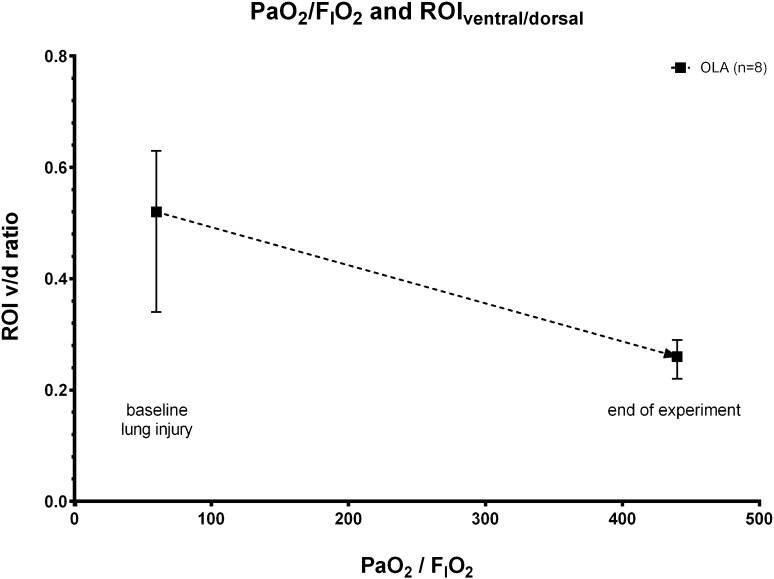
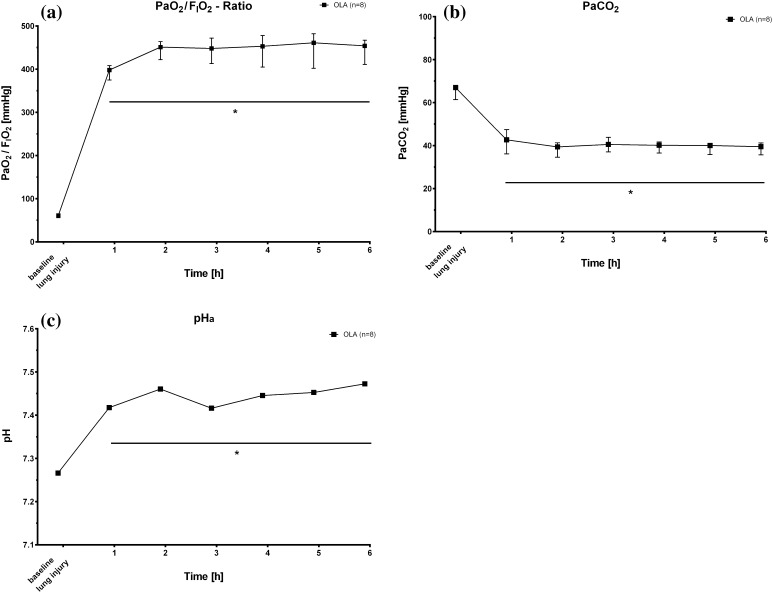
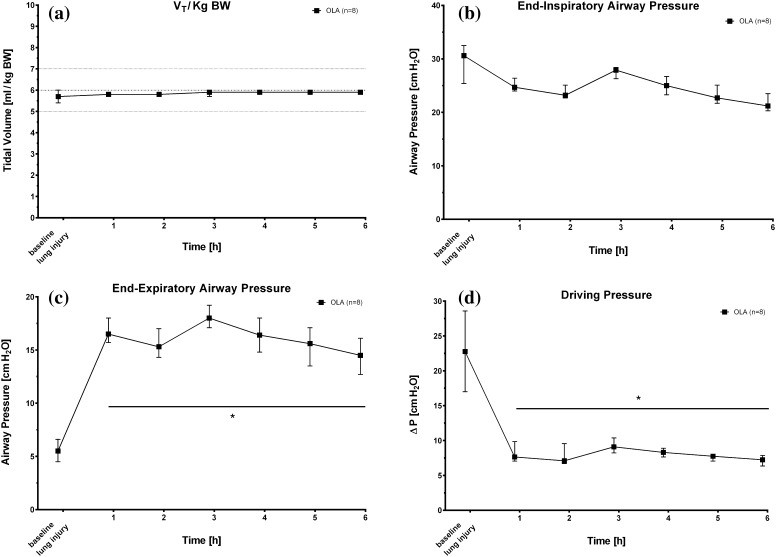
Adherence to low tidal volume (V) ventilation and selected positive end-expiratory pressures are low during mechanical ventilation for treatment of the acute respiratory distress syndrome. Using a pig model of severe lung injury, we tested the feasibility and physiological responses to a novel fully closed-loop mechanical ventilation algorithm based on the "open lung" concept. Lung injury was induced by surfactant washout in pigs (n = 8). Animals were ventilated following the principles of the "open lung approach" (OLA) using a fully closed-loop physiological feedback algorithm for mechanical ventilation. Standard gas exchange, respiratory- and hemodynamic parameters were measured. Electrical impedance tomography was used to quantify regional ventilation distribution during mechanical ventilation. Automatized mechanical ventilation provided strict adherence to low V-ventilation for 6 h in severely lung injured pigs. Using the "open lung" approach, tidal volume delivery required low lung distending pressures, increased recruitment and ventilation of dorsal lung regions and improved arterial blood oxygenation. Physiological feedback closed-loop mechanical ventilation according to the principles of the open lung concept is feasible and provides low tidal volume ventilation without human intervention. Of importance, the "open lung approach"-ventilation improved gas exchange and reduced lung driving pressures by opening atelectasis and shifting of ventilation to dorsal lung regions.
在机械通气治疗急性呼吸窘迫综合征期间,对低潮气量(V)通气的依从性以及选定的呼气末正压较低。我们使用严重肺损伤的猪模型,测试了基于“开放肺”概念的新型全闭环机械通气算法的可行性和生理反应。通过冲洗猪(n = 8)的表面活性剂诱导肺损伤。使用用于机械通气的全闭环生理反馈算法,按照“开放肺方法”(OLA)的原则对动物进行通气。测量标准气体交换、呼吸和血流动力学参数。使用电阻抗断层扫描来量化机械通气期间的区域通气分布。自动机械通气在严重肺损伤的猪中严格坚持低潮气量通气6小时。采用“开放肺”方法时,潮气量输送需要较低的肺扩张压力,增加了背侧肺区域的复张和通气,并改善了动脉血氧合。根据开放肺概念的原则进行生理反馈闭环机械通气是可行的,并且无需人工干预即可提供低潮气量通气。重要的是,“开放肺方法”通气通过打开肺不张并将通气转移到背侧肺区域,改善了气体交换并降低了肺驱动压力。