Platen Philip von, Pomprapa Anake, Lachmann Burkhard, Leonhardt Steffen
Medical Information Technology, Helmholtz-Institute for Biomedical Engineering, RWTH Aachen University, Pauwelsstr. 20, Aachen, 52074, Germany.
Department of Anesthesiology and Operative Intensive Care Medicine (CCM, CVK), Charité - Universitätsmedizin Berlin, corporate member of Freie Universität Berlin, Humboldt-Universität zu Berlin, and Berlin Institute of Health, Augustenburger Platz 1, Berlin, 13353, Germany.
Crit Care. 2020 Mar 29;24(1):121. doi: 10.1186/s13054-020-2810-1.
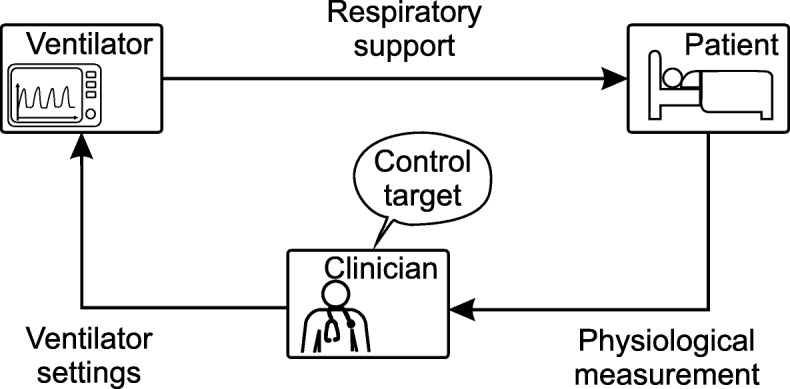
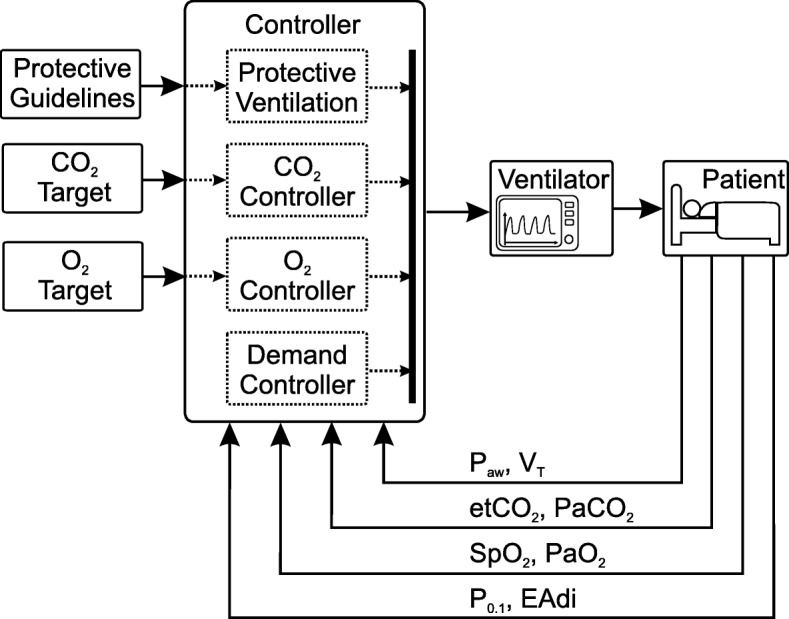
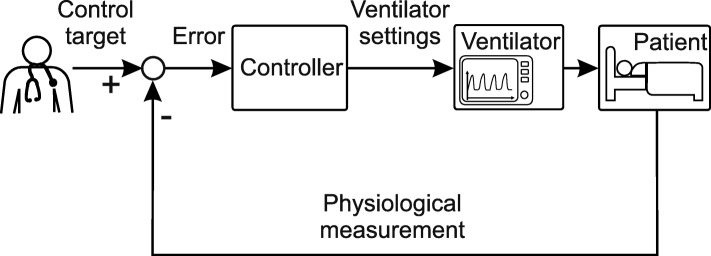
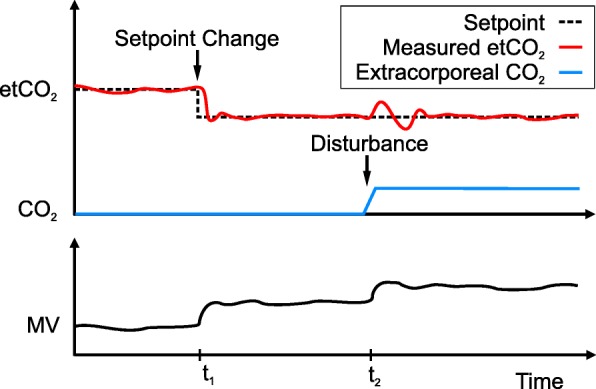
The level of automation in mechanical ventilation has been steadily increasing over the last few decades. There has recently been renewed interest in physiological closed-loop control of ventilation. The development of these systems has followed a similar path to that of manual clinical ventilation, starting with ensuring optimal gas exchange and shifting to the prevention of ventilator-induced lung injury. Systems currently aim to encompass both aspects, and early commercial systems are appearing. These developments remain unknown to many clinicians and, hence, limit their adoption into the clinical environment. This review shows the evolution of the physiological closed-loop control of mechanical ventilation.
在过去几十年中,机械通气的自动化程度一直在稳步提高。最近,人们对通气的生理闭环控制重新产生了兴趣。这些系统的发展历程与手动临床通气相似,从确保最佳气体交换开始,转向预防呼吸机相关性肺损伤。目前的系统旨在兼顾这两个方面,早期的商业系统也已出现。许多临床医生对这些进展尚不了解,因此限制了它们在临床环境中的应用。本综述展示了机械通气生理闭环控制的发展历程。