Scerbo Pierluigi, Marchal Leslie, Kodjabachian Laurent
Institut de Biologie du Développement de Marseille, Aix Marseille Univ, CNRS, Marseille, France.
Elife. 2017 Jun 27;6:e21526. doi: 10.7554/eLife.21526.
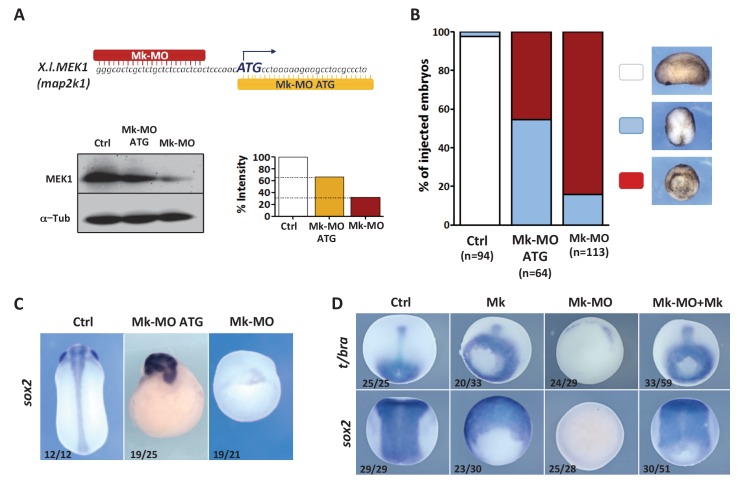
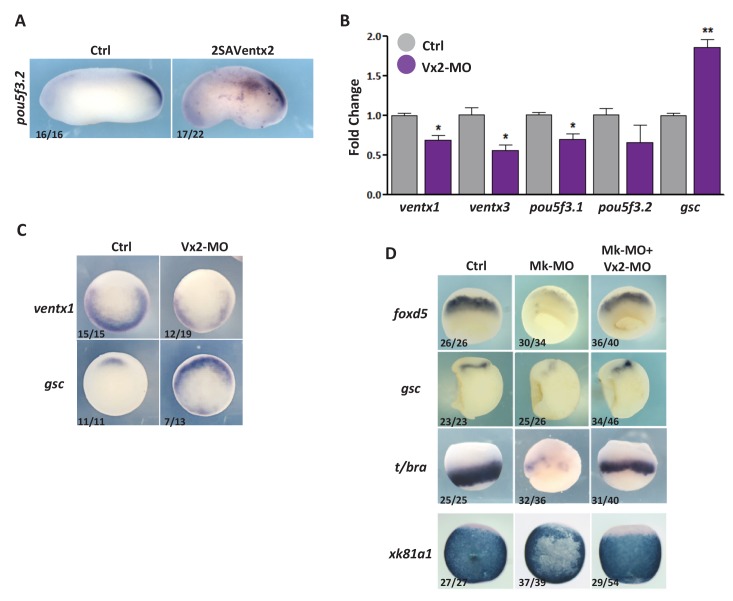
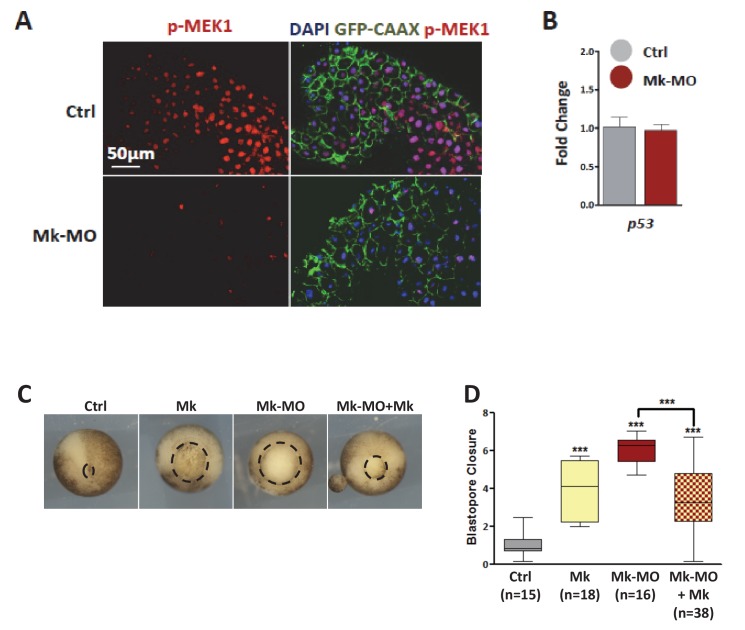
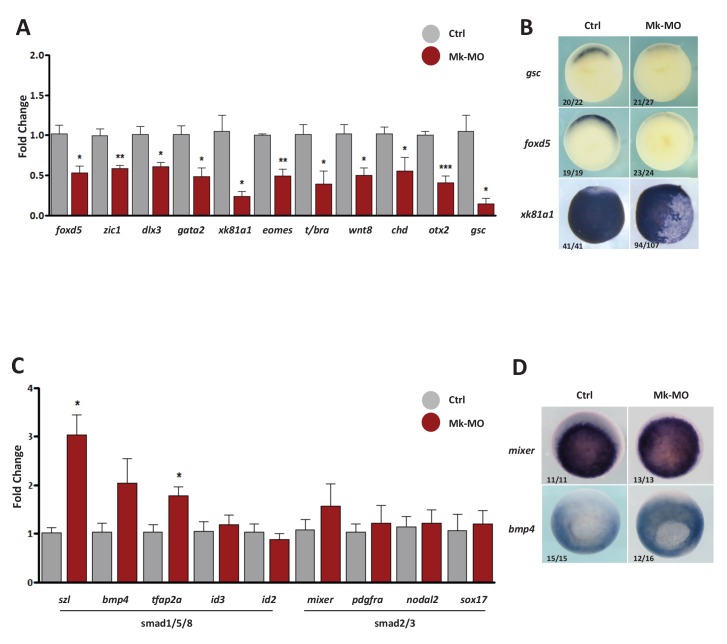
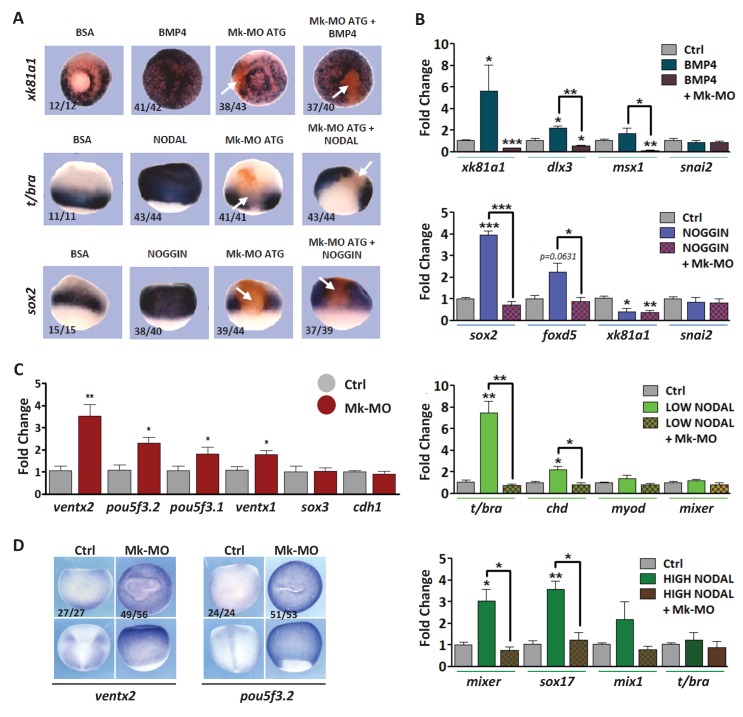
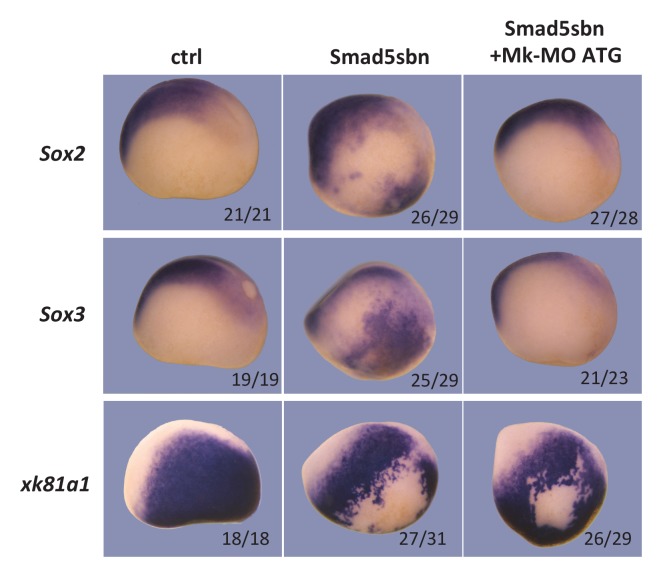
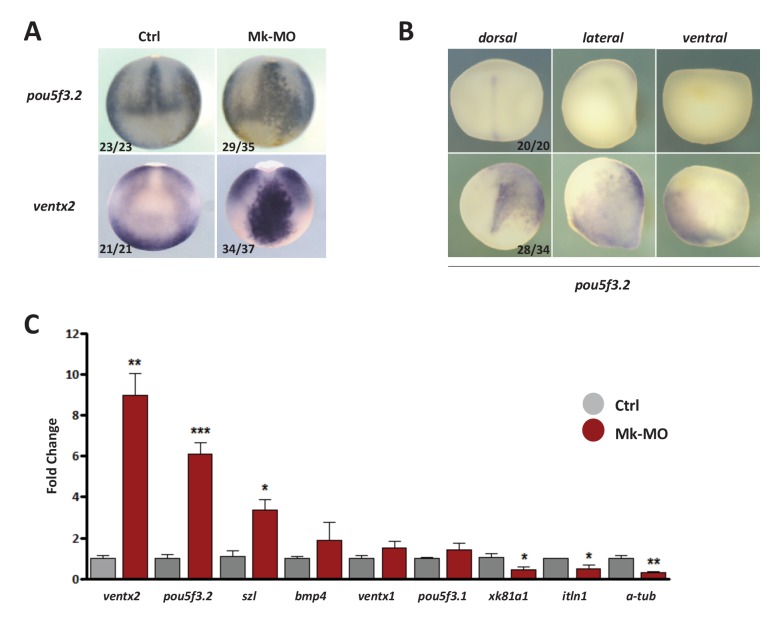
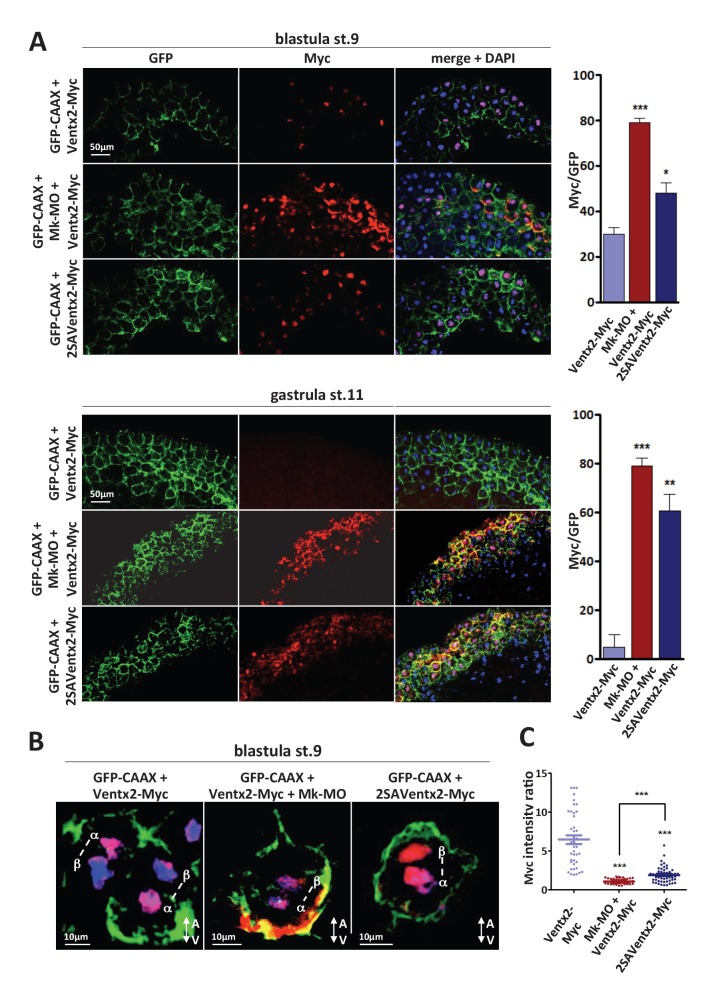
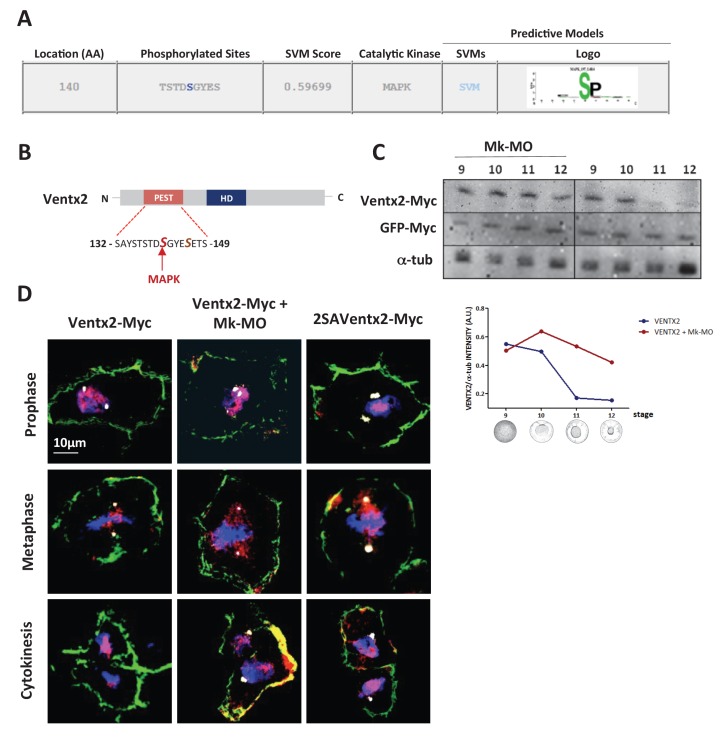
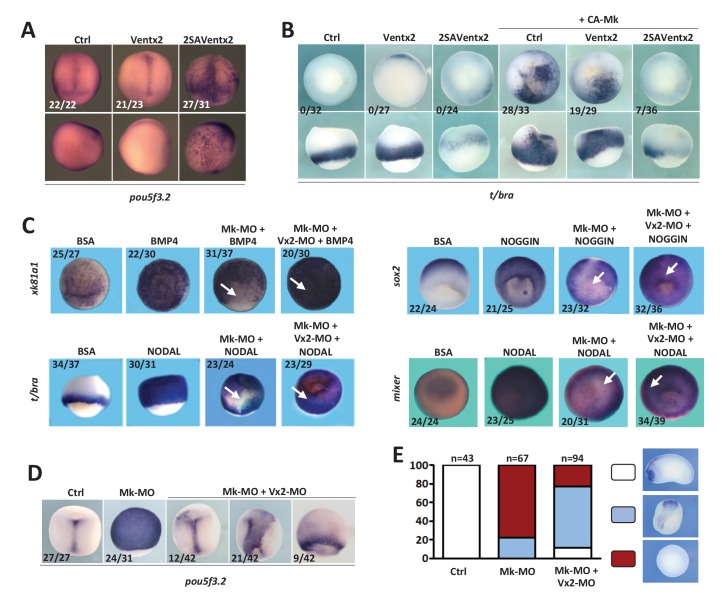
During early embryogenesis, cells must exit pluripotency and commit to multiple lineages in all germ-layers. How this transition is operated in vivo is poorly understood. Here, we report that MEK1 and the Nanog-related transcription factor Ventx2 coordinate this transition. MEK1 was required to make pluripotent cells competent to respond to all cell fate inducers tested. Importantly, MEK1 activity was necessary to clear the pluripotency protein Ventx2 at the onset of gastrulation. Thus, concomitant MEK1 and Ventx2 knockdown restored the competence of embryonic cells to differentiate. Strikingly, MEK1 appeared to control the asymmetric inheritance of Ventx2 protein following cell division. Consistently, when Ventx2 lacked a functional PEST-destruction motif, it was stabilized, displayed symmetric distribution during cell division and could efficiently maintain pluripotency gene expression over time. We suggest that asymmetric clearance of pluripotency regulators may represent an important mechanism to ensure the progressive assembly of primitive embryonic tissues.
在胚胎发育早期,细胞必须退出多能性并分化为所有胚层中的多种细胞谱系。目前人们对这一转变在体内是如何发生的了解甚少。在此,我们报告称,MEK1和与Nanog相关的转录因子Ventx2共同协调了这一转变。MEK1是使多能细胞能够对所有测试的细胞命运诱导因子作出反应所必需的。重要的是,在原肠胚形成开始时,MEK1的活性对于清除多能性蛋白Ventx2是必要的。因此,同时敲低MEK1和Ventx2可恢复胚胎细胞的分化能力。令人惊讶的是,MEK1似乎控制着Ventx2蛋白在细胞分裂后的不对称遗传。同样,当Ventx2缺乏功能性的PEST降解基序时,它会被稳定下来,在细胞分裂期间呈现对称分布,并且能够随着时间的推移有效地维持多能性基因的表达。我们认为,多能性调节因子的不对称清除可能是确保原始胚胎组织逐步组装的一个重要机制。