Athanasiou Evita, Agallou Maria, Tastsoglou Spyros, Kammona Olga, Hatzigeorgiou Artemis, Kiparissides Costas, Karagouni Evdokia
Laboratory of Cellular Immunology, Department of Microbiology, Hellenic Pasteur Institute, Athens, Greece.
DIANA-Lab, Hellenic Pasteur Institute, Athens, Greece.
Front Immunol. 2017 Jun 13;8:684. doi: 10.3389/fimmu.2017.00684. eCollection 2017.
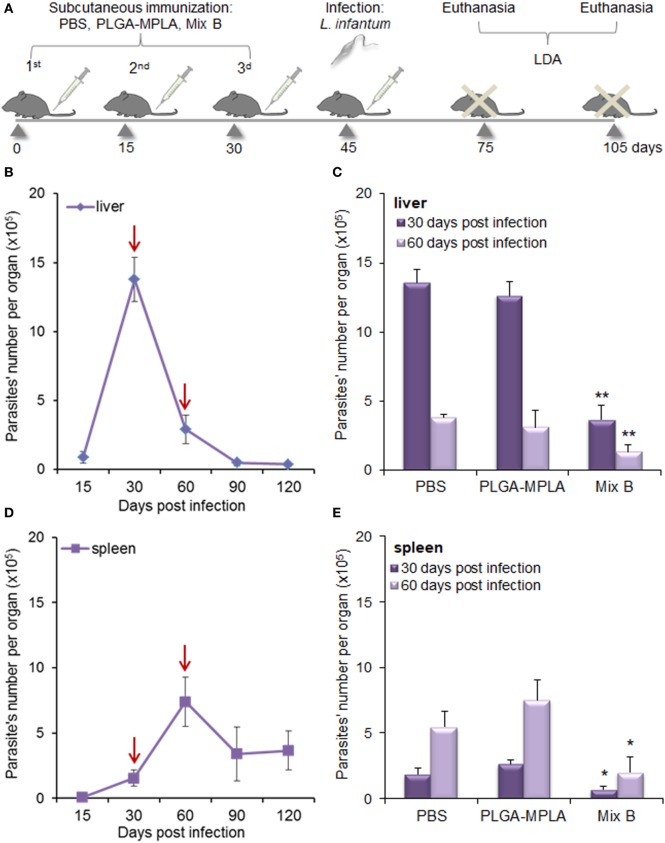
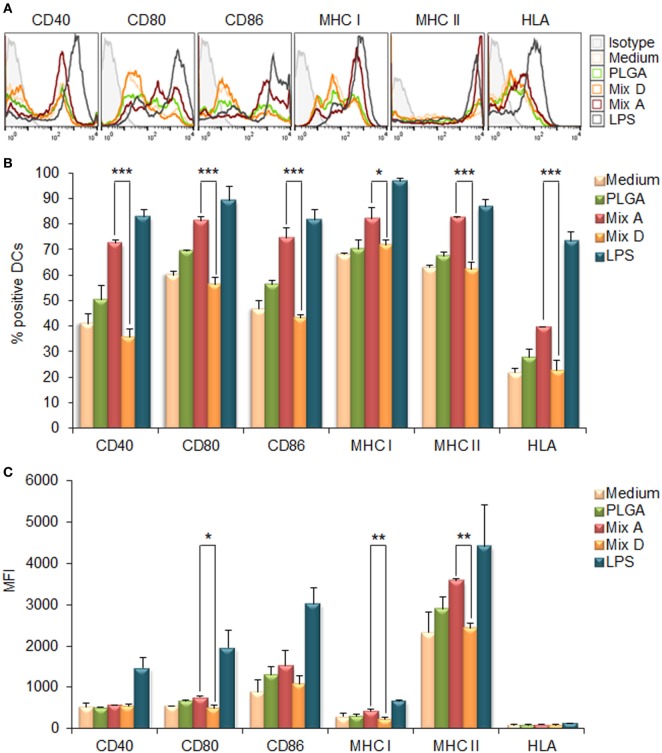
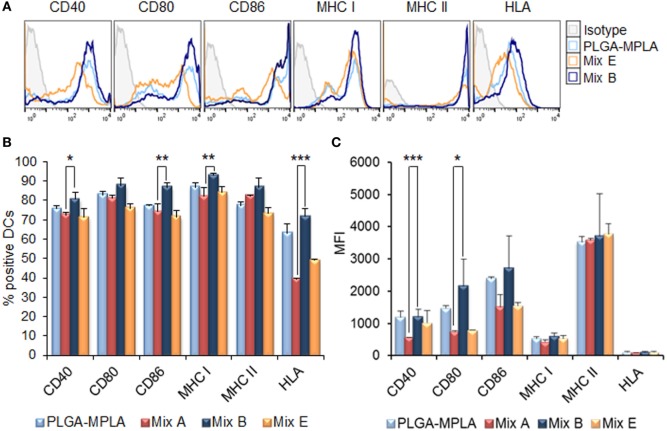
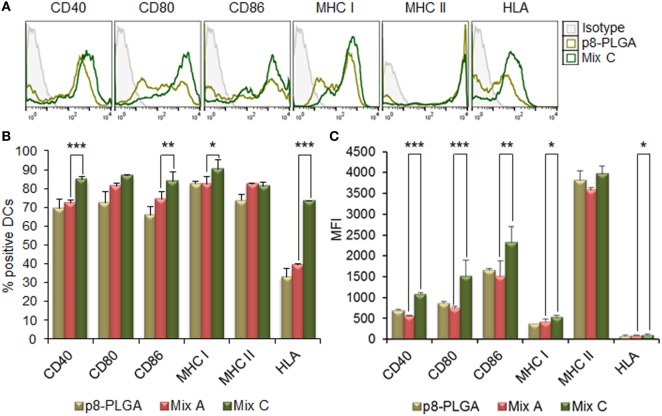
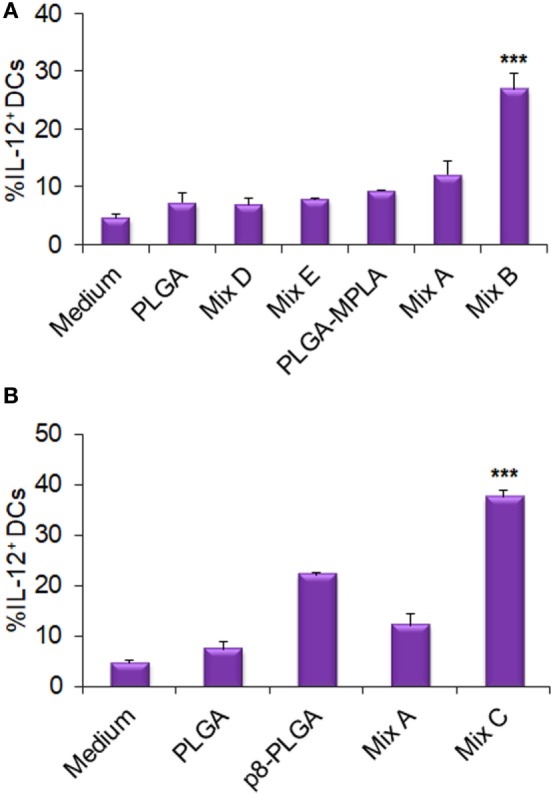
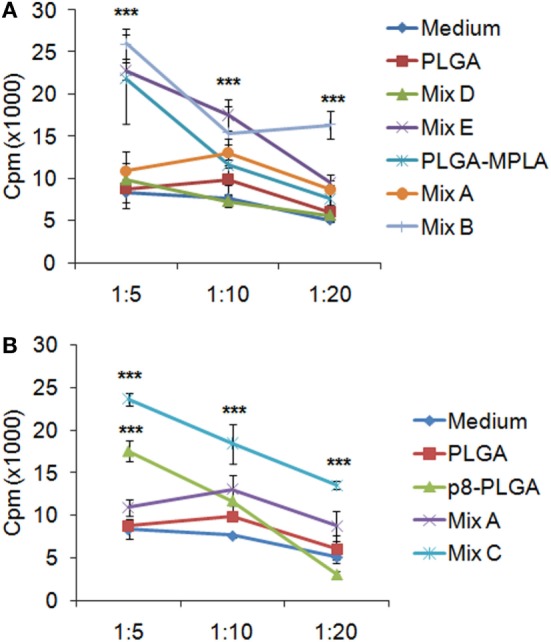
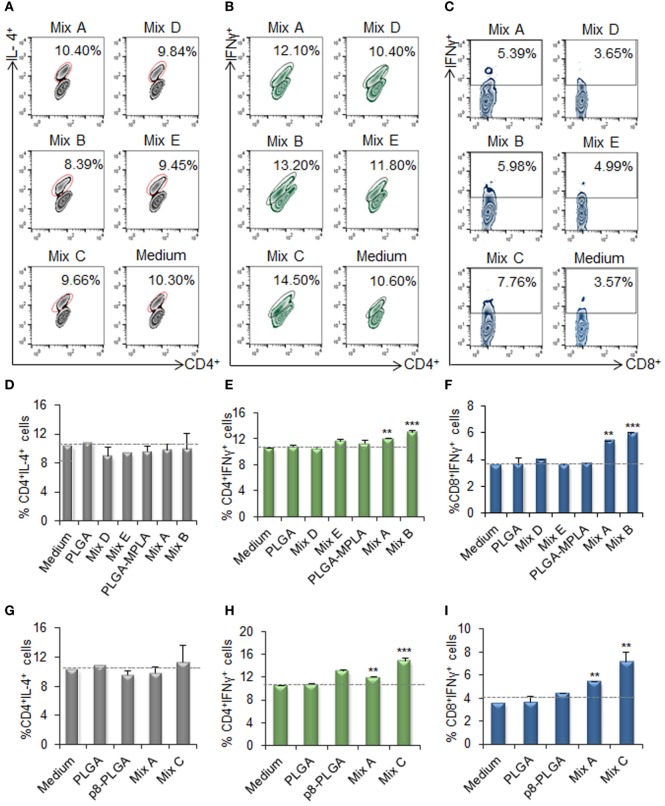
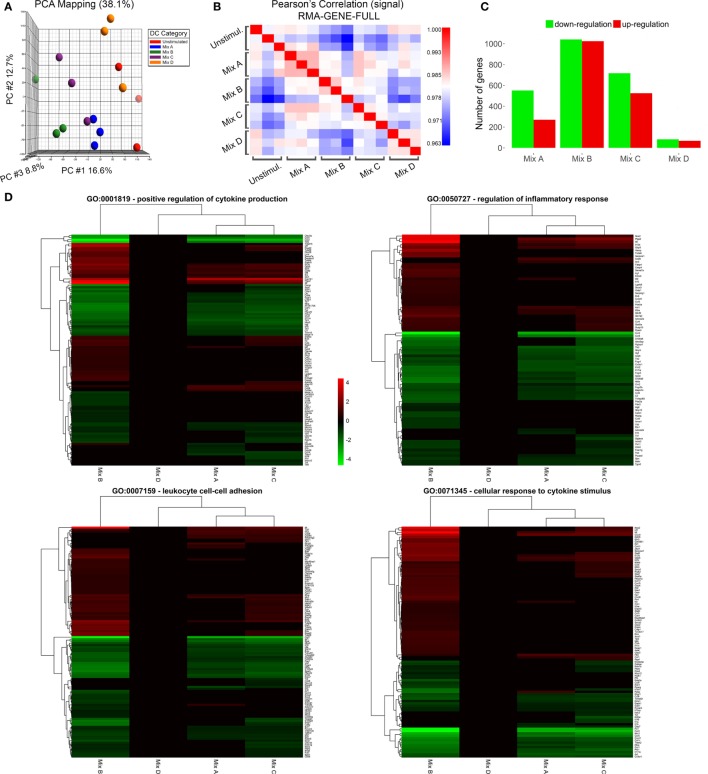
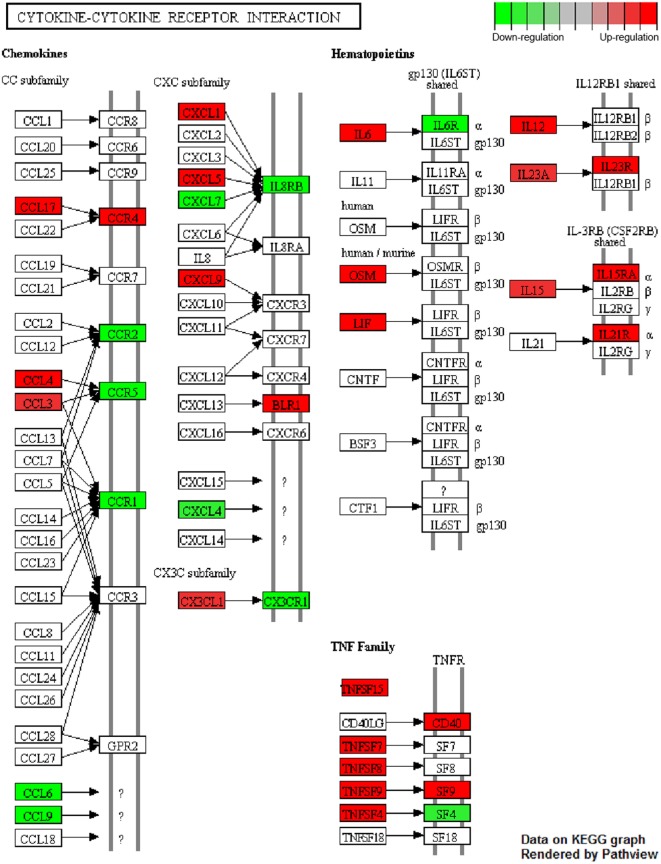
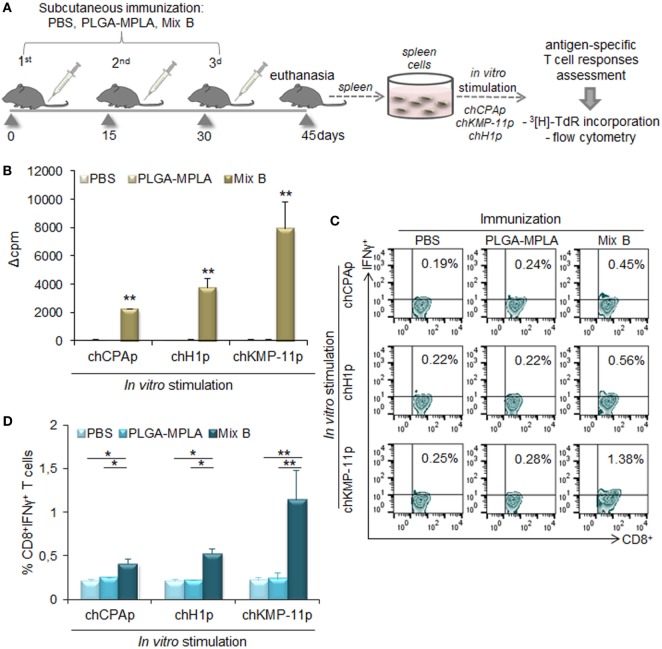
Visceral leishmaniasis, caused by (.) and protozoan parasites, can provoke overwhelming and protracted epidemics, with high case-fatality rates. An effective vaccine against the disease must rely on the generation of a strong and long-lasting T cell immunity, mediated by CD4 T and CD8 T cells. Multi-epitope peptide-based vaccine development is manifesting as the new era of vaccination strategies against infection. In this study, we designed chimeric peptides containing HLA-restricted epitopes from three immunogenic proteins (cysteine peptidase A, histone H1, and kinetoplastid membrane protein 11), in order to be encapsulated in poly(lactic--glycolic) acid nanoparticles with or without the adjuvant monophosphoryl lipid A (MPLA) or surface modification with an octapeptide targeting the tumor necrosis factor receptor II. We aimed to construct differentially functionalized peptide-based nanovaccine candidates and investigate their capacity to stimulate the immunomodulatory properties of dendritic cells (DCs), which are critical regulators of adaptive immunity generated upon vaccination. According to our results, DCs stimulation with the peptide-based nanovaccine candidates with MPLA incorporation or surface modification induced an enhanced maturation profile with prominent IL-12 production, promoting allogeneic T cell proliferation and intracellular production of IFNγ by CD4 and CD8 T cell subsets. In addition, DCs stimulated with the peptide-based nanovaccine candidate with MPLA incorporation exhibited a robust transcriptional activation, characterized by upregulated genes indicative of vaccine-driven DCs differentiation toward type 1 phenotype. Immunization of HLA A2.1 transgenic mice with this peptide-based nanovaccine candidate induced peptide-specific IFNγ-producing CD8 T cells and conferred significant protection against infection. Concluding, our findings supported that encapsulation of more than one chimeric multi-epitope peptides from different immunogenic proteins in a proper biocompatible delivery system with the right adjuvant is considered as an improved promising approach for the development of a vaccine against VL.
内脏利什曼病由(.)和原生动物寄生虫引起,可引发大规模且持久的疫情,病死率很高。一种有效的针对该疾病的疫苗必须依赖由CD4 T细胞和CD8 T细胞介导产生强大且持久的T细胞免疫。基于多表位肽的疫苗研发正成为对抗(.)感染的疫苗接种策略的新时代。在本研究中,我们设计了包含来自三种免疫原性(.)蛋白(半胱氨酸蛋白酶A、组蛋白H1和动质体膜蛋白11)的HLA限制性表位的嵌合肽,以便将其封装在聚(乳酸-乙醇酸)酸纳米颗粒中,该纳米颗粒有或没有佐剂单磷酰脂质A(MPLA),或者用靶向肿瘤坏死因子受体II的八肽进行表面修饰。我们旨在构建具有不同功能化的基于肽的纳米疫苗候选物,并研究它们刺激树突状细胞(DCs)免疫调节特性的能力,树突状细胞是接种疫苗后产生的适应性免疫的关键调节因子。根据我们的结果,用掺入MPLA或进行表面修饰的基于肽的纳米疫苗候选物刺激DCs会诱导增强的成熟谱,伴有显著的IL-12产生,促进同种异体T细胞增殖以及CD4和CD8 T细胞亚群在细胞内产生IFNγ。此外,用掺入MPLA的基于肽的纳米疫苗候选物刺激的DCs表现出强大的转录激活,其特征是指示疫苗驱动的DCs向1型表型分化的基因上调。用这种基于肽的纳米疫苗候选物免疫HLA A2.1转基因小鼠可诱导产生肽特异性产生IFNγ的CD8 T细胞,并对(.)感染提供显著保护。总之,我们的研究结果支持,将来自不同免疫原性(.)蛋白的一种以上嵌合多表位肽封装在具有合适佐剂的适当生物相容性递送系统中,被认为是开发针对内脏利什曼病疫苗的一种有前景的改进方法。