Jackowiak Paulina, Hojka-Osinska Anna, Philips Anna, Zmienko Agnieszka, Budzko Lucyna, Maillard Patrick, Budkowska Agata, Figlerowicz Marek
Institute of Bioorganic Chemistry, Polish Academy of Sciences, Noskowskiego 12/14, 61-704, Poznan, Poland.
Institute of Computing Science, Poznan University of Technology, Piotrowo 3A, 60-965, Poznan, Poland.
BMC Genomics. 2017 Jun 30;18(1):502. doi: 10.1186/s12864-017-3891-3.
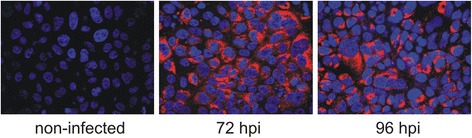
A pool of small RNA fragments (RFs) derived from diverse cellular RNAs has recently emerged as a rich source of functionally relevant molecules. Although their formation and accumulation has been connected to various stress conditions, the knowledge on RFs produced upon viral infections is very limited. Here, we applied the next generation sequencing (NGS) to characterize RFs generated in the hepatitis C virus (HCV) cell culture model (HCV-permissive Huh-7.5 cell line).
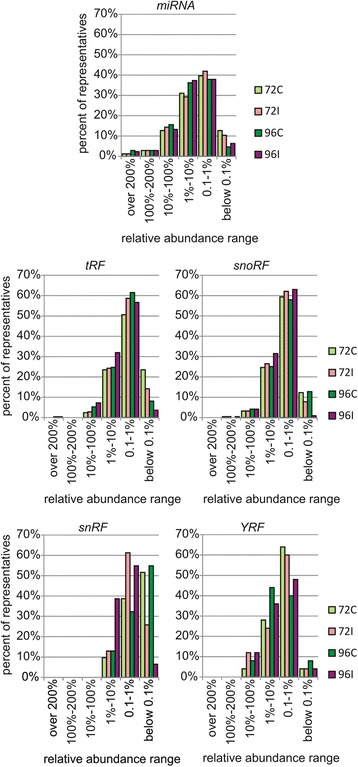
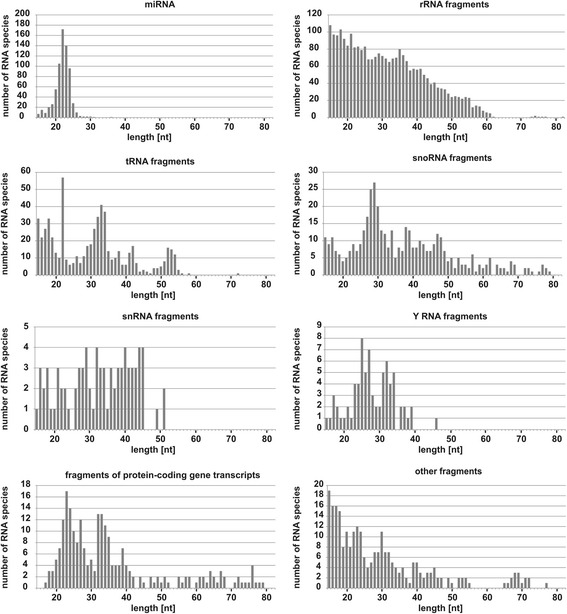
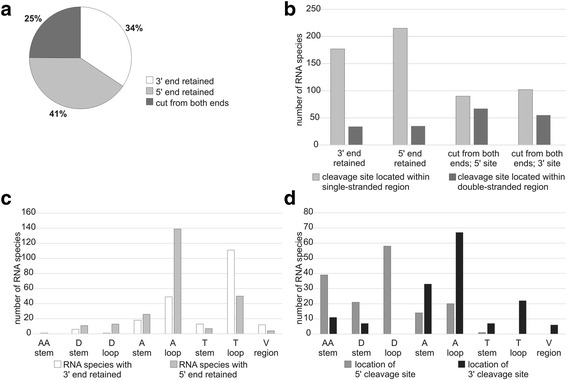
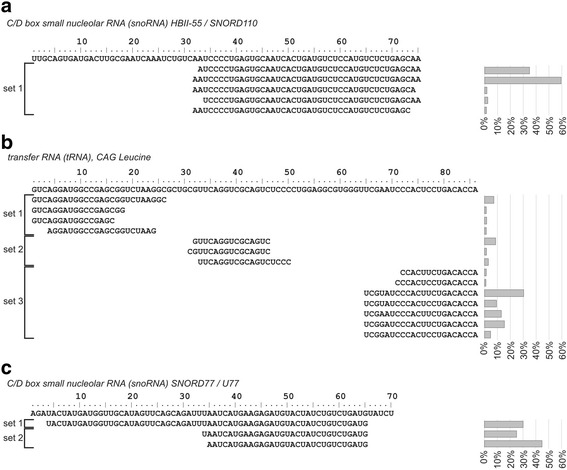
We found that both infected and non-infected cells contained a wide spectrum of RFs derived from virtually all RNA classes. A significant fraction of identified RFs accumulated to similar levels as miRNAs. Our analysis, focused on RFs originating from constitutively expressed non-coding RNAs, revealed three major patterns of parental RNA cleavage. We found that HCV infection induced significant changes in the accumulation of low copy number RFs, while subtly altered the levels of high copy number ones. Finally, the candidate RFs potentially relevant for host-virus interactions were identified.
Our results indicate that RFs should be considered an important component of the Huh-7.5 transcriptome and suggest that the main factors influencing the RF biogenesis are the RNA structure and RNA protection by interacting proteins. The data presented here significantly complement the existing transcriptomic, miRnomic, proteomic and metabolomic characteristics of the HCV cell culture model.
源自多种细胞RNA的一小部分小RNA片段(RFs)最近已成为功能相关分子的丰富来源。尽管它们的形成和积累与各种应激条件有关,但关于病毒感染时产生的RFs的知识非常有限。在这里,我们应用下一代测序(NGS)来表征丙型肝炎病毒(HCV)细胞培养模型(HCV易感的Huh-7.5细胞系)中产生的RFs。
我们发现,感染和未感染的细胞都含有源自几乎所有RNA类别的广泛的RFs。很大一部分已鉴定的RFs积累到与miRNA相似的水平。我们专注于源自组成型表达的非编码RNA的RFs的分析,揭示了亲本RNA切割的三种主要模式。我们发现HCV感染诱导低拷贝数RFs积累的显著变化,同时微妙地改变了高拷贝数RFs的水平。最后,鉴定了可能与宿主-病毒相互作用相关的候选RFs。
我们的结果表明,RFs应被视为Huh-7.5转录组的重要组成部分,并表明影响RF生物合成的主要因素是RNA结构和相互作用蛋白对RNA的保护。本文提供的数据显著补充了HCV细胞培养模型现有的转录组学、miRNA组学、蛋白质组学和代谢组学特征。