Okonkwo Uzoagu A, DiPietro Luisa A
Department of Microbiology and Immunology, University of Illinois at Chicago College of Medicine, Chicago, IL 60612, USA.
Center for Wound Healing and Tissue Regeneration, University of Illinois at Chicago College of Dentistry, Chicago, IL 60612, USA.
Int J Mol Sci. 2017 Jul 3;18(7):1419. doi: 10.3390/ijms18071419.
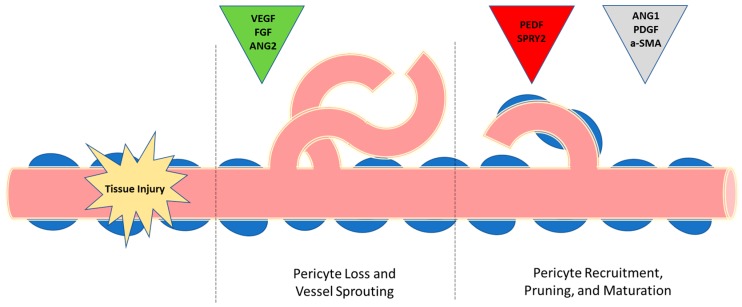
Diabetes Mellitus Type II (DM2) is a growing international health concern with no end in sight. Complications of DM2 involve a myriad of comorbidities including the serious complications of poor wound healing, chronic ulceration, and resultant limb amputation. In skin wound healing, which has definite, orderly phases, diabetes leads to improper function at all stages. While the etiology of chronic, non-healing diabetic wounds is multi-faceted, the progression to a non-healing phenotype is closely linked to poor vascular networks. This review focuses on diabetic wound healing, paying special attention to the aberrations that have been described in the proliferative, remodeling, and maturation phases of wound angiogenesis. Additionally, this review considers therapeutics that may offer promise to better wound healing outcomes.
2型糖尿病(DM2)是一个日益严重的全球性健康问题,且看不到尽头。DM2的并发症涉及众多合并症,包括伤口愈合不良、慢性溃疡以及由此导致的肢体截肢等严重并发症。在具有明确、有序阶段的皮肤伤口愈合过程中,糖尿病会导致各个阶段的功能异常。虽然慢性、不愈合糖尿病伤口的病因是多方面的,但发展为不愈合表型与不良的血管网络密切相关。本综述聚焦于糖尿病伤口愈合,特别关注伤口血管生成的增殖、重塑和成熟阶段中所描述的异常情况。此外,本综述还考虑了可能为改善伤口愈合结果带来希望的治疗方法。