Bradshaw William J, Kirby Jonathan M, Roberts April K, Shone Clifford C, Acharya K Ravi
Department of Biology and Biochemistry, University of Bath, UK.
Public Health England, Salisbury, UK.
FEBS J. 2017 Sep;284(17):2886-2898. doi: 10.1111/febs.14157. Epub 2017 Jul 23.
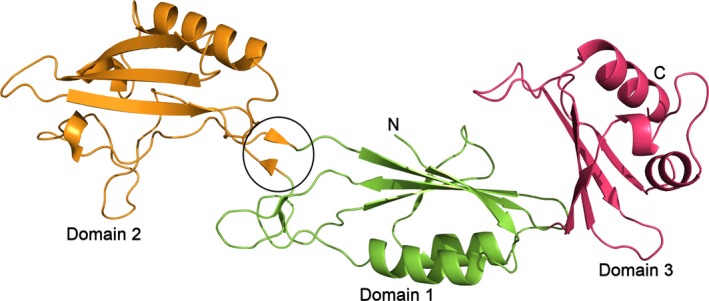
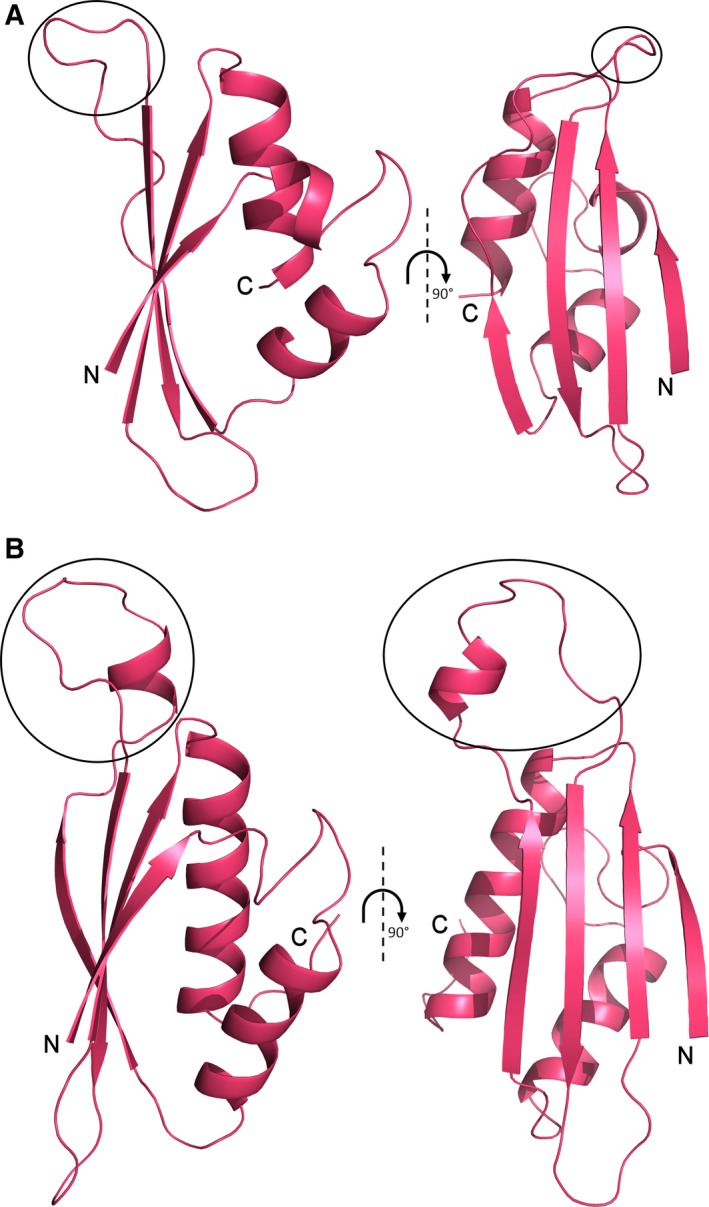
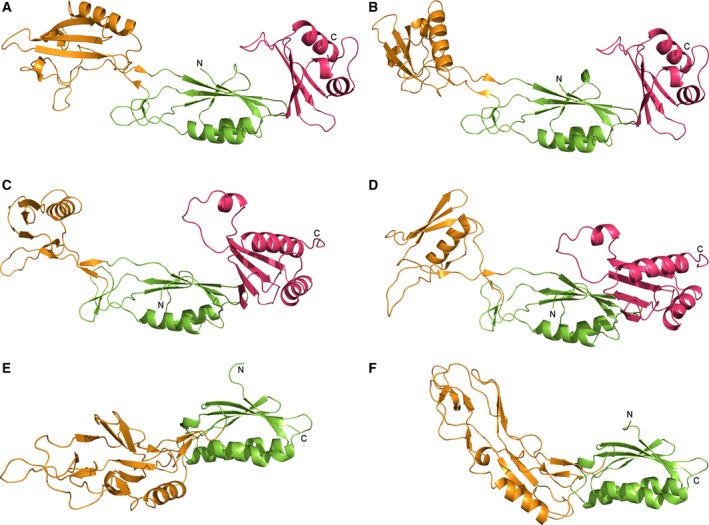
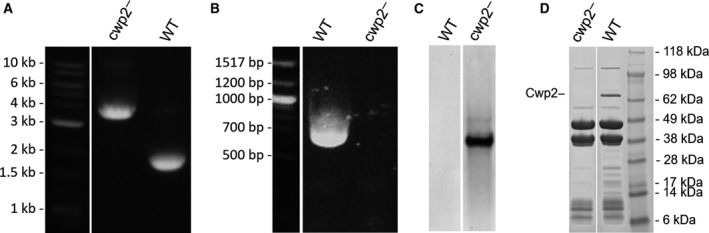
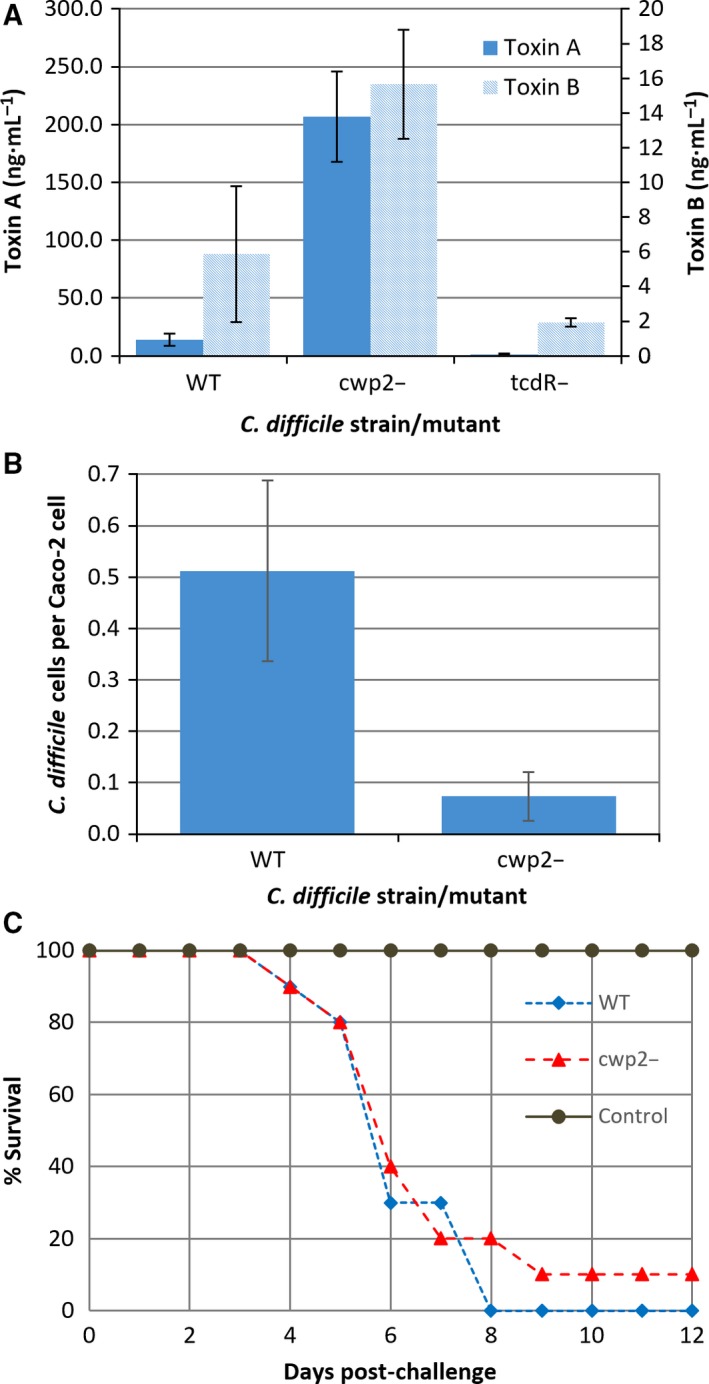
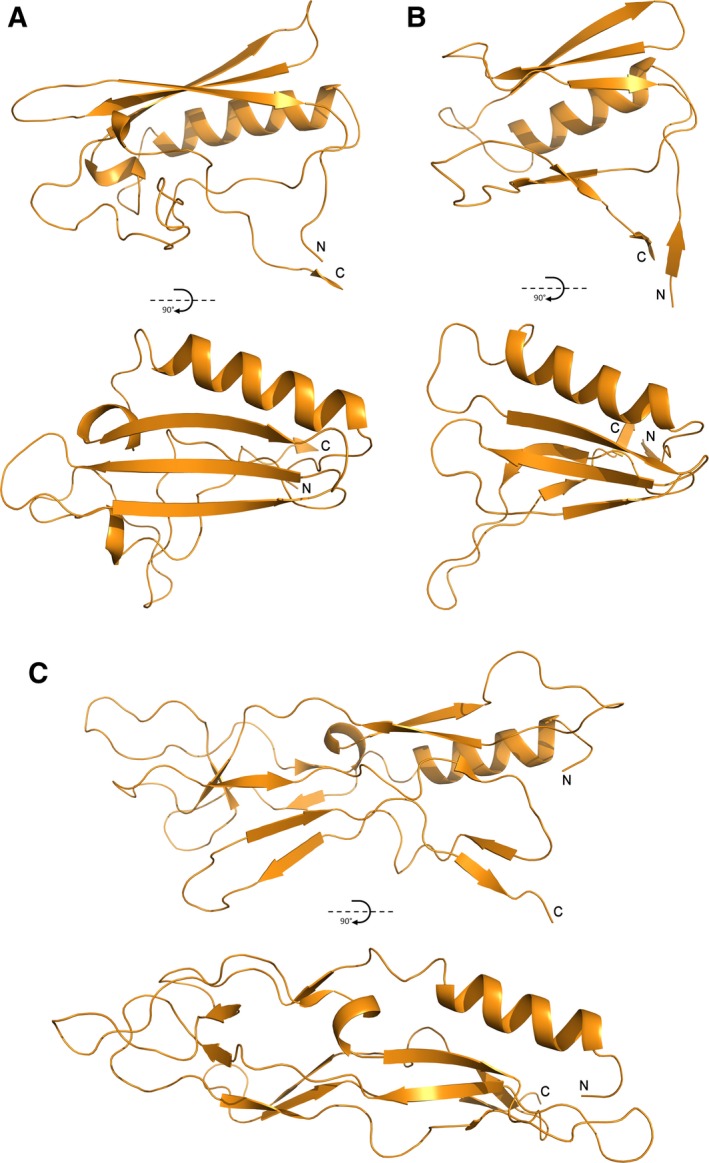
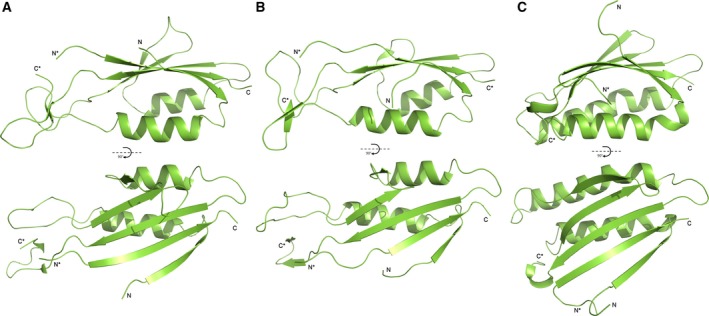
Colonization of the gut by Clostridium difficile requires the adhesion of the bacterium to host cells. A range of cell surface located factors have been linked to adhesion including the S-layer protein LMW SLP and the related protein Cwp66. As well as these proteins, the S-layer of C. difficile may contain many others. One such protein is Cwp2. Here, we demonstrate the production of a C. difficile strain 630 cwp2 knockout mutant and assess the effect on the bacterium. The mutant results in increased TcdA (toxin A) release and impaired cellular adherence in vitro. We also present the extended three domain structure of the 'functional' region of Cwp2, consisting of residues 29-318 at 1.9 Å, which is compared to that of LMW SLP and Cwp8. The adhesive properties of Cwp2 and LMW SLP, which are likely to be shared by Cwp8, are predicted to be mediated by the variable loop regions in domain 2.
Structural data are available in the PDB under the accession number 5NJL.
艰难梭菌在肠道内的定殖需要该细菌与宿主细胞黏附。一系列位于细胞表面的因子与黏附有关,包括S层蛋白LMW SLP和相关蛋白Cwp66。除了这些蛋白外,艰难梭菌的S层可能还包含许多其他蛋白。其中一种蛋白是Cwp2。在此,我们展示了艰难梭菌630株cwp2基因敲除突变体的构建,并评估其对该细菌的影响。该突变体导致体外TcdA(毒素A)释放增加且细胞黏附受损。我们还展示了Cwp2“功能”区域的扩展三结构域结构,该区域由第29至318位残基组成,分辨率为1.9 Å,并与LMW SLP和Cwp8的结构进行了比较。预计Cwp8可能与Cwp2和LMW SLP具有相同的黏附特性,其黏附特性可能由结构域2中的可变环区域介导。
结构数据可在蛋白质数据库(PDB)中获取,登录号为5NJL。