El-Bassyouni Gehan T, Eshak Mariam G, Barakat Ibrahim A H, Khalil Wagdy K B
Biomaterials Department, National Research Centre, Cairo, Egypt.
Cell Biology Department, National Research Centre, Giza, Egypt.
Cent Eur J Immunol. 2017;42(1):54-67. doi: 10.5114/ceji.2017.67318. Epub 2017 May 8.
In orthopaedics, novel bioactive composites are largely needed to improve the synthetic achievement of the implants. In this work, semiconducting metal oxides such as SiO, TiO, and ZrO particles (Ps) were used individually and in different ratios to obtain different biphasic composites. The immunotoxicity of these composites was tested to inspect the potential toxicity prior to their use in further medical applications.
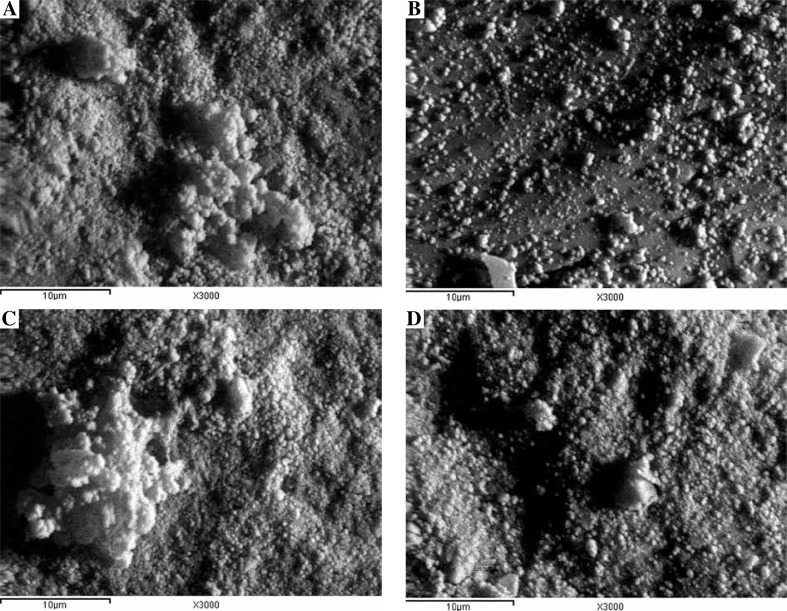
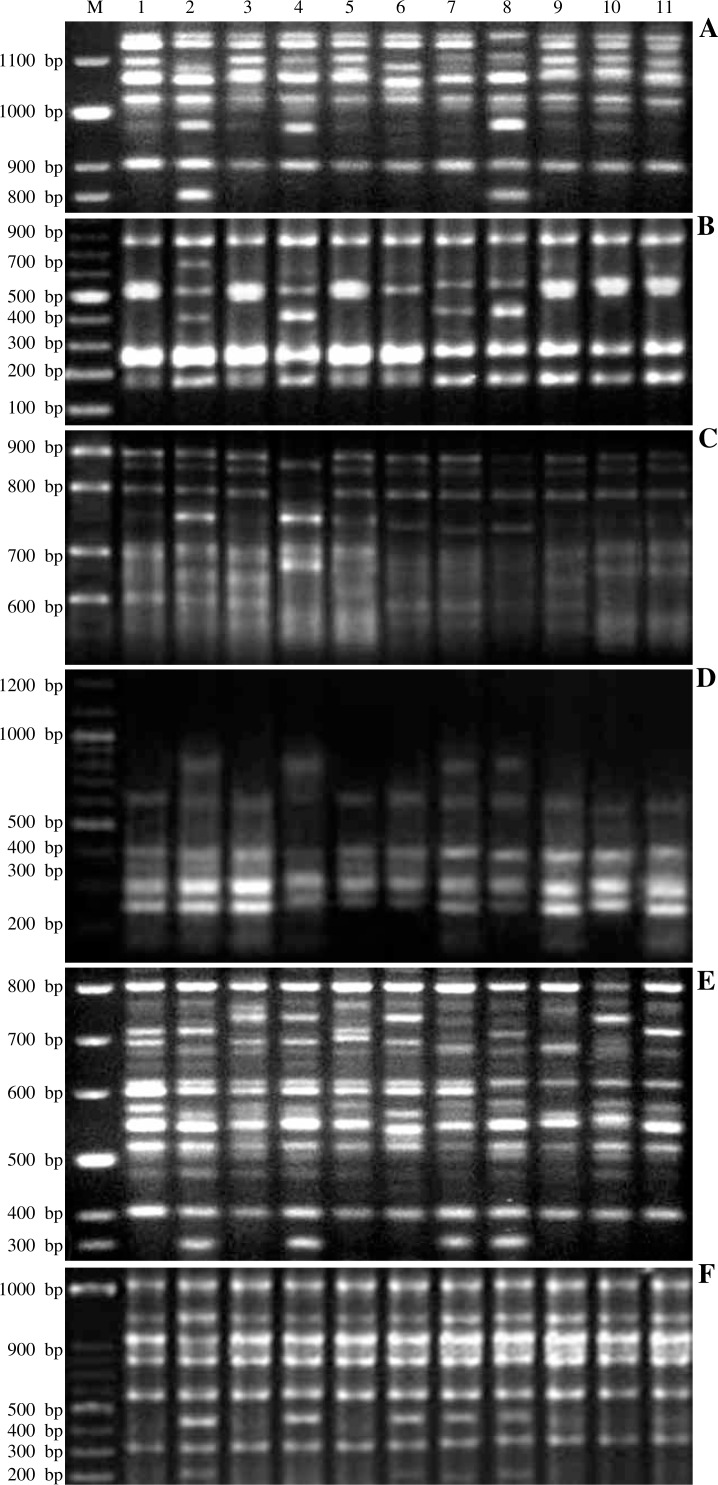
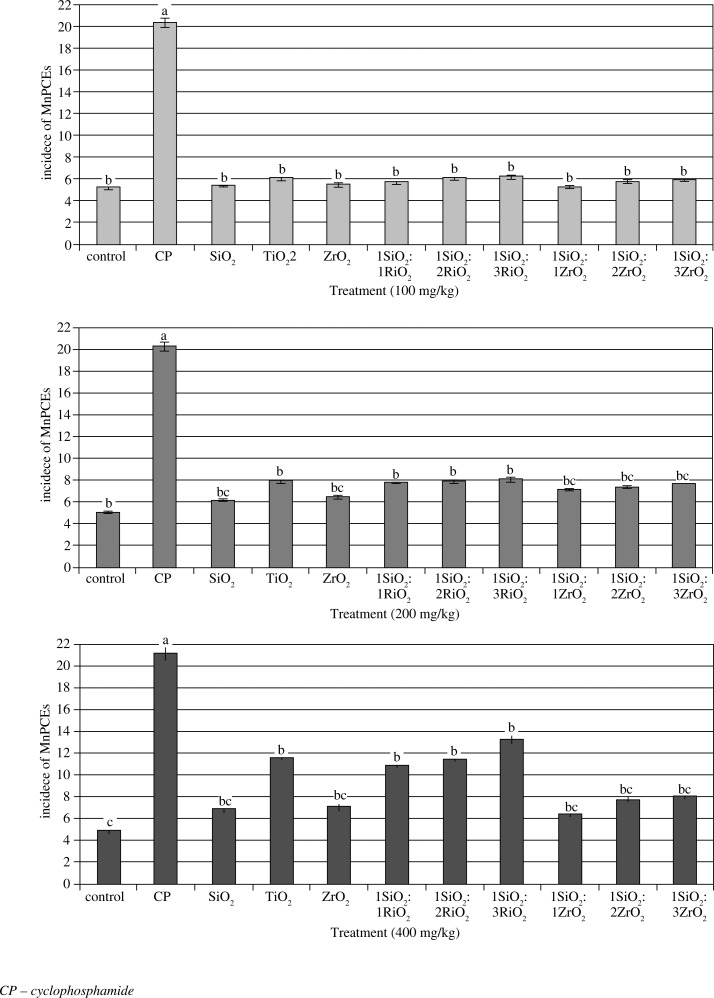
In vitro mineralisation ability was inspected by soaking the composites in simulated body fluid (SBF). Additionally, in vivo experiments were performed consuming male mice using ISSR-PCR, micronucleus (MN) test, comet assay, glutathione peroxidase activity, and determination of albumin, globulin, lymphocyte population, ALT, and AST levels. Several groups of adult male albino mice were treated with 100, 200, and 400 mg/kg body weight of SiO, TiO, and ZrO-Ps in pure or mixed forms.
Our findings revealed that treatment of mice with low and medium doses of SiO, TiO, and ZrO-Ps in pure or mixed form revealed values relatively similar to the control group. However, using 400 mg/kg especially from TiO-Ps in genuine form or mixed with SiO showed proliferation in the toxicity rates compared with the high dose of SiO and ZrO-Ps.
The results suggest that TiO composite induced in vivo toxicity, oxidative DNA damage, bargain of the antioxidant enzymes, and variations in the levels of albumin, globulin, lymphocyte population, ALT, and AST in a dose-dependent manner. However, SiO, and ZrO composites revealed a lower toxicity in mice compared with that of TiO.
在骨科领域,迫切需要新型生物活性复合材料来提高植入物的合成效果。在本研究中,单独使用以及按不同比例使用半导体金属氧化物,如二氧化硅(SiO)、二氧化钛(TiO)和氧化锆(ZrO)颗粒(Ps),以获得不同的双相复合材料。在将这些复合材料用于进一步的医学应用之前,对其免疫毒性进行了测试,以检查潜在毒性。
通过将复合材料浸泡在模拟体液(SBF)中来检测其体外矿化能力。此外,使用雄性小鼠进行体内实验,采用ISSR-PCR、微核(MN)试验、彗星试验、谷胱甘肽过氧化物酶活性测定以及白蛋白、球蛋白、淋巴细胞数量、谷丙转氨酶(ALT)和谷草转氨酶(AST)水平的测定。几组成年雄性白化小鼠分别接受100、200和400mg/kg体重的纯形式或混合形式的SiO、TiO和ZrO-Ps处理。
我们的研究结果表明,用低剂量和中等剂量的纯形式或混合形式的SiO、TiO和ZrO-Ps处理小鼠,其结果与对照组相对相似。然而,使用400mg/kg,特别是纯形式的TiO-Ps或与SiO混合使用时,与高剂量的SiO和ZrO-Ps相比,毒性率有所增加。
结果表明,TiO复合材料在体内可诱导毒性、氧化性DNA损伤、抗氧化酶的降低以及白蛋白、球蛋白、淋巴细胞数量、ALT和AST水平的剂量依赖性变化。然而,与TiO相比,SiO和ZrO复合材料在小鼠中显示出较低的毒性。