• 文献检索
  • 文档翻译
  • 深度研究
  • 学术资讯
  • Suppr Zotero 插件Zotero 插件
  • 邀请有礼
  • 套餐&价格
  • 历史记录
应用&插件
Suppr Zotero 插件Zotero 插件浏览器插件Mac 客户端Windows 客户端微信小程序
定价
高级版会员购买积分包购买API积分包
服务
文献检索文档翻译深度研究API 文档MCP 服务
关于我们
关于 Suppr公司介绍联系我们用户协议隐私条款
关注我们

Suppr 超能文献

核心技术专利:CN118964589B侵权必究
粤ICP备2023148730 号-1Suppr @ 2026

文献检索

告别复杂PubMed语法,用中文像聊天一样搜索,搜遍4000万医学文献。AI智能推荐,让科研检索更轻松。

立即免费搜索

文件翻译

保留排版,准确专业,支持PDF/Word/PPT等文件格式,支持 12+语言互译。

免费翻译文档

深度研究

AI帮你快速写综述,25分钟生成高质量综述,智能提取关键信息,辅助科研写作。

立即免费体验

世俗社会中宗教应对方法的使用:瑞典癌症患者的一项调查研究

The Use of Religious Coping Methods in a Secular Society: A Survey Study Among Cancer Patients in Sweden.

作者信息

Ahmadi Nader, Ahmadi Fereshteh

机构信息

University of Gävle, Sweden.

出版信息

Illn Crises Loss. 2017 Jul;25(3):171-199. doi: 10.1177/1054137315614513. Epub 2015 Nov 18.

DOI:10.1177/1054137315614513
PMID:28690385
原文链接:https://pmc.ncbi.nlm.nih.gov/articles/PMC5476191/
Abstract

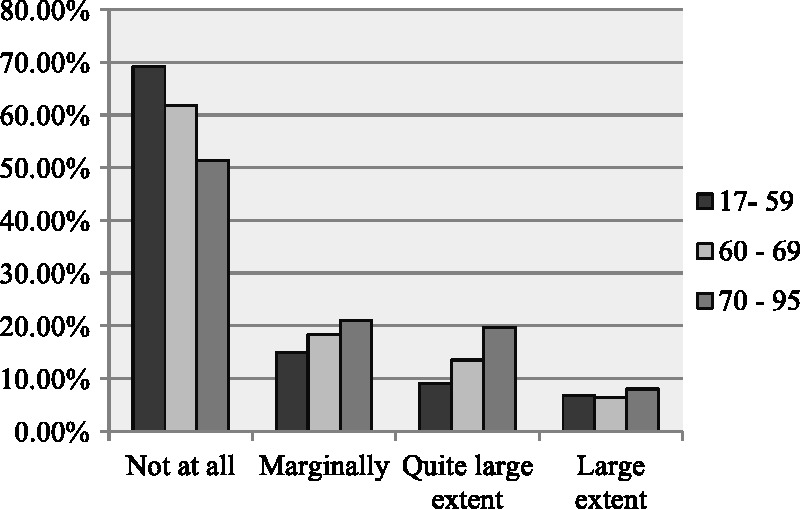
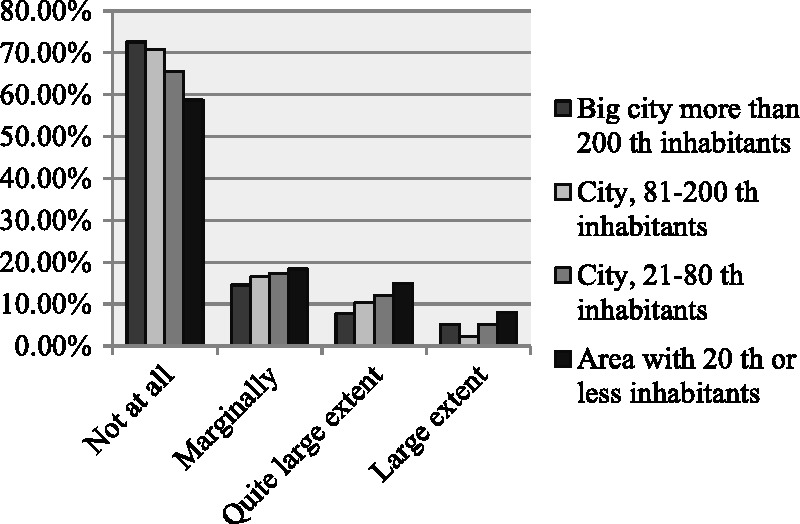
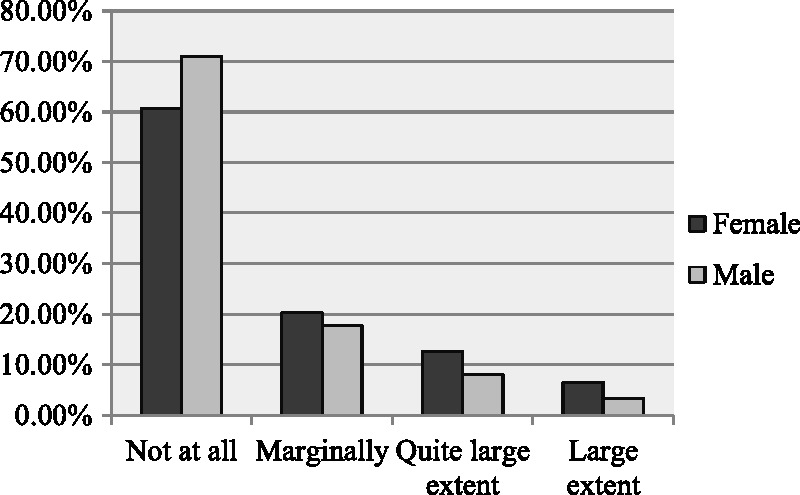
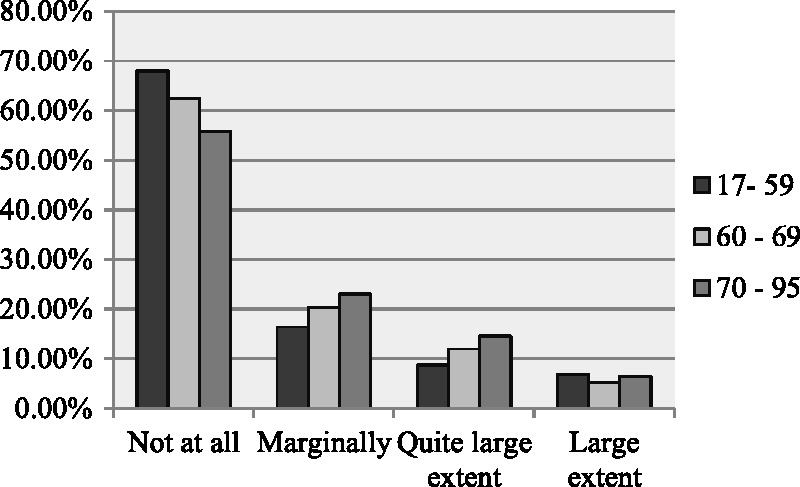
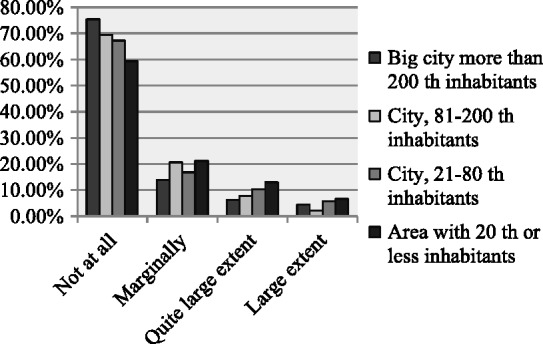
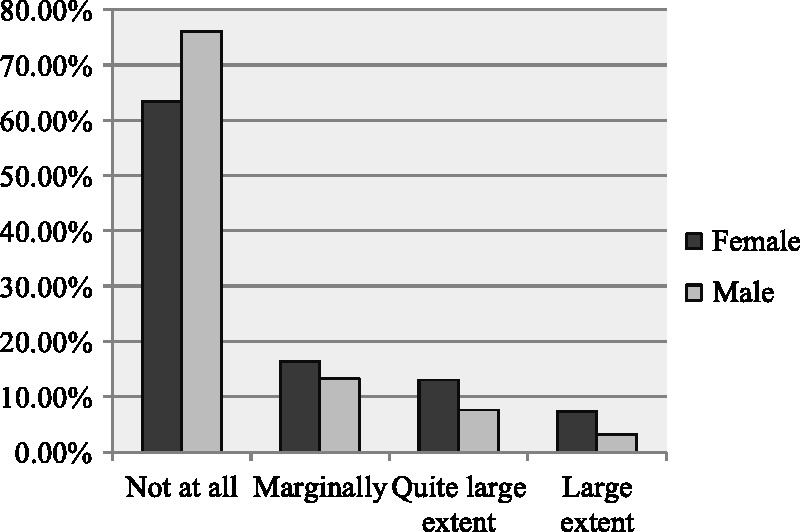
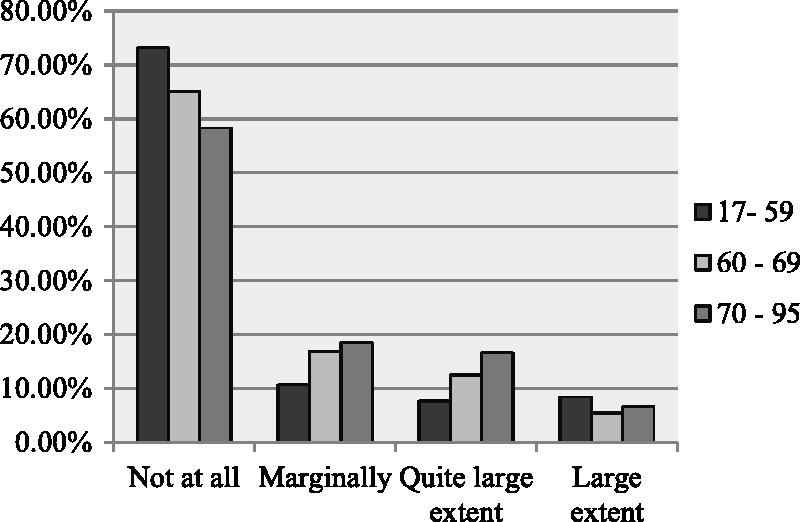
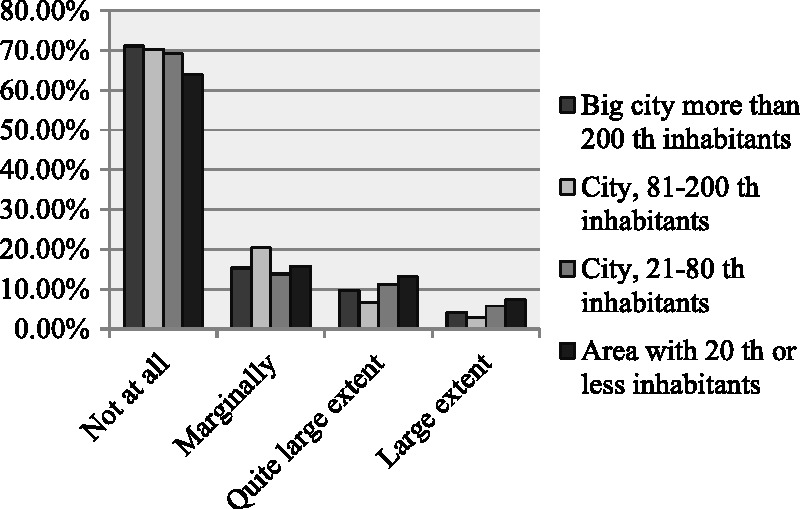
In the present article, based on results from a survey study in Sweden among 2,355 cancer patients, the role of religion in coping is discussed. The survey study, in turn, was based on earlier findings from a qualitative study of cancer patients in Sweden. The purpose of the present survey study was to determine to what extent results obtained in the qualitative study can be applied to a wider population of cancer patients in Sweden. The present study shows that use of religious coping methods is infrequent among cancer patients in Sweden. Besides the two methods that are ranked in 12th and 13th place, that is, in the middle (Listening to religious music and Praying to God to make things better), the other religious coping methods receive the lowest rankings, showing how nonsignificant such methods are in coping with cancer in Sweden. However, the question of who turns to God and who is self-reliant in a critical situation is too complicated to be resolved solely in terms of the strength of individuals' religious commitments. In addition to background and situational factors, the culture in which the individual was socialized is an important factor. Regarding the influence of background variables, the present results show that , and played an important role in almost all of the religious coping methods our respondents used. In general, people in the oldest age-group, women, and people raised in places with 20,000 or fewer residents had a higher average use of religious coping methods than did younger people, men, and those raised in larger towns.

摘要

在本文中,基于瑞典对2355名癌症患者的一项调查研究结果,探讨了宗教在应对过程中的作用。反过来,这项调查研究又是基于瑞典对癌症患者的一项定性研究的早期发现。本次调查研究的目的是确定定性研究中获得的结果在多大程度上可以应用于瑞典更广泛的癌症患者群体。本研究表明,瑞典癌症患者很少使用宗教应对方法。除了排在第12位和第13位的两种方法,即处于中间位置的(听宗教音乐和向上帝祈祷以求情况好转),其他宗教应对方法的排名最低,这表明这些方法在瑞典应对癌症方面是多么微不足道。然而,在危急情况下谁求助于上帝以及谁自力更生的问题过于复杂,无法仅根据个人宗教信仰的强度来解决。除了背景和情境因素外,个人成长所处的文化也是一个重要因素。关于背景变量的影响,目前的结果表明, ,以及 在我们的受访者使用的几乎所有宗教应对方法中都发挥了重要作用。一般来说,年龄最大的年龄组、女性以及在居民人数为2万或更少的地方长大的人,宗教应对方法的平均使用率高于年轻人、男性以及在较大城镇长大的人。
https://cdn.ncbi.nlm.nih.gov/pmc/blobs/4b97/5476191/d8fdd0d2f714/10.1177_1054137315614513-fig16.jpg
https://cdn.ncbi.nlm.nih.gov/pmc/blobs/4b97/5476191/7b2b8447fcd6/10.1177_1054137315614513-fig1.jpg
https://cdn.ncbi.nlm.nih.gov/pmc/blobs/4b97/5476191/ba29ee5523c8/10.1177_1054137315614513-fig2.jpg
https://cdn.ncbi.nlm.nih.gov/pmc/blobs/4b97/5476191/a8ae441cbe5f/10.1177_1054137315614513-fig3.jpg
https://cdn.ncbi.nlm.nih.gov/pmc/blobs/4b97/5476191/46cb83c8032a/10.1177_1054137315614513-fig4.jpg
https://cdn.ncbi.nlm.nih.gov/pmc/blobs/4b97/5476191/cd9100c4ec4b/10.1177_1054137315614513-fig5.jpg
https://cdn.ncbi.nlm.nih.gov/pmc/blobs/4b97/5476191/5914acfc72fe/10.1177_1054137315614513-fig6.jpg
https://cdn.ncbi.nlm.nih.gov/pmc/blobs/4b97/5476191/e7a52af1cb08/10.1177_1054137315614513-fig7.jpg
https://cdn.ncbi.nlm.nih.gov/pmc/blobs/4b97/5476191/79efb722fb61/10.1177_1054137315614513-fig8.jpg
https://cdn.ncbi.nlm.nih.gov/pmc/blobs/4b97/5476191/9b09652ed2e0/10.1177_1054137315614513-fig9.jpg
https://cdn.ncbi.nlm.nih.gov/pmc/blobs/4b97/5476191/8e32f065be50/10.1177_1054137315614513-fig10.jpg
https://cdn.ncbi.nlm.nih.gov/pmc/blobs/4b97/5476191/eae62978b896/10.1177_1054137315614513-fig11.jpg
https://cdn.ncbi.nlm.nih.gov/pmc/blobs/4b97/5476191/c426f81d3eeb/10.1177_1054137315614513-fig12.jpg
https://cdn.ncbi.nlm.nih.gov/pmc/blobs/4b97/5476191/b2c4afe77001/10.1177_1054137315614513-fig13.jpg
https://cdn.ncbi.nlm.nih.gov/pmc/blobs/4b97/5476191/10d6ecea3500/10.1177_1054137315614513-fig14.jpg
https://cdn.ncbi.nlm.nih.gov/pmc/blobs/4b97/5476191/4c9e47ecf325/10.1177_1054137315614513-fig15.jpg
https://cdn.ncbi.nlm.nih.gov/pmc/blobs/4b97/5476191/d8fdd0d2f714/10.1177_1054137315614513-fig16.jpg
https://cdn.ncbi.nlm.nih.gov/pmc/blobs/4b97/5476191/7b2b8447fcd6/10.1177_1054137315614513-fig1.jpg
https://cdn.ncbi.nlm.nih.gov/pmc/blobs/4b97/5476191/ba29ee5523c8/10.1177_1054137315614513-fig2.jpg
https://cdn.ncbi.nlm.nih.gov/pmc/blobs/4b97/5476191/a8ae441cbe5f/10.1177_1054137315614513-fig3.jpg
https://cdn.ncbi.nlm.nih.gov/pmc/blobs/4b97/5476191/46cb83c8032a/10.1177_1054137315614513-fig4.jpg
https://cdn.ncbi.nlm.nih.gov/pmc/blobs/4b97/5476191/cd9100c4ec4b/10.1177_1054137315614513-fig5.jpg
https://cdn.ncbi.nlm.nih.gov/pmc/blobs/4b97/5476191/5914acfc72fe/10.1177_1054137315614513-fig6.jpg
https://cdn.ncbi.nlm.nih.gov/pmc/blobs/4b97/5476191/e7a52af1cb08/10.1177_1054137315614513-fig7.jpg
https://cdn.ncbi.nlm.nih.gov/pmc/blobs/4b97/5476191/79efb722fb61/10.1177_1054137315614513-fig8.jpg
https://cdn.ncbi.nlm.nih.gov/pmc/blobs/4b97/5476191/9b09652ed2e0/10.1177_1054137315614513-fig9.jpg
https://cdn.ncbi.nlm.nih.gov/pmc/blobs/4b97/5476191/8e32f065be50/10.1177_1054137315614513-fig10.jpg
https://cdn.ncbi.nlm.nih.gov/pmc/blobs/4b97/5476191/eae62978b896/10.1177_1054137315614513-fig11.jpg
https://cdn.ncbi.nlm.nih.gov/pmc/blobs/4b97/5476191/c426f81d3eeb/10.1177_1054137315614513-fig12.jpg
https://cdn.ncbi.nlm.nih.gov/pmc/blobs/4b97/5476191/b2c4afe77001/10.1177_1054137315614513-fig13.jpg
https://cdn.ncbi.nlm.nih.gov/pmc/blobs/4b97/5476191/10d6ecea3500/10.1177_1054137315614513-fig14.jpg
https://cdn.ncbi.nlm.nih.gov/pmc/blobs/4b97/5476191/4c9e47ecf325/10.1177_1054137315614513-fig15.jpg
https://cdn.ncbi.nlm.nih.gov/pmc/blobs/4b97/5476191/d8fdd0d2f714/10.1177_1054137315614513-fig16.jpg

相似文献

1
The Use of Religious Coping Methods in a Secular Society: A Survey Study Among Cancer Patients in Sweden.世俗社会中宗教应对方法的使用:瑞典癌症患者的一项调查研究
Illn Crises Loss. 2017 Jul;25(3):171-199. doi: 10.1177/1054137315614513. Epub 2015 Nov 18.
2
How has the University Community Been Coping During the COVID-19 Pandemic? An Iranian Survey.在新冠疫情期间大学社区是如何应对的?一项伊朗的调查。
Front Sociol. 2022 Jan 18;6:645670. doi: 10.3389/fsoc.2021.645670. eCollection 2021.
3
Religiousness and religious coping in a secular society: the gender perspective.宗教信仰和宗教应对在世俗社会中的性别视角。
J Relig Health. 2014 Oct;53(5):1329-41. doi: 10.1007/s10943-013-9724-z.
4
Music as a method of coping with cancer: A qualitative study among cancer patients in Sweden.音乐作为应对癌症的一种方式:瑞典癌症患者的定性研究
Arts Health. 2013 Jun;5(2):152-165. doi: 10.1080/17533015.2013.780087. Epub 2013 Mar 26.
5
Nature as the Most Important Coping Strategy Among Cancer Patients: A Swedish Survey.自然作为癌症患者最重要的应对策略:一项瑞典调查。
J Relig Health. 2015 Aug;54(4):1177-90. doi: 10.1007/s10943-013-9810-2.
6
Religious/spiritual coping resources and their relationship with adjustment in patients newly diagnosed with breast cancer in the UK.宗教/精神应对资源及其与英国新诊断乳腺癌患者适应的关系。
Psychooncology. 2013 Mar;22(3):646-58. doi: 10.1002/pon.3048. Epub 2012 Feb 14.
7
Correlation between religious coping and depression in cancer patients.癌症患者宗教应对与抑郁的相关性。
Psychiatr Danub. 2013 Sep;25(3):236-40.
8
Living with rheumatoid arthritis: the role of daily spirituality and daily religious and spiritual coping.与类风湿性关节炎共处:日常灵性以及日常宗教和灵性应对的作用。
J Pain. 2001 Apr;2(2):101-10. doi: 10.1054/jpai.2001.19296.
9
Listening to Religious Music and Mental Health in Later Life.晚年聆听宗教音乐与心理健康
Gerontologist. 2015 Dec;55(6):961-71. doi: 10.1093/geront/gnu020. Epub 2014 Apr 15.
10
The use of religious/spiritual coping among patients with cancer undergoing chemotherapy treatment.宗教/精神应对方式在接受化疗的癌症患者中的应用。
Rev Lat Am Enfermagem. 2013 Mar-Apr;21(2):539-45. doi: 10.1590/s0104-11692013000200010.

引用本文的文献

1
The Role of Spirituality and Religion in Improving Quality of Life and Coping Mechanisms in Cancer Patients.灵性与宗教在改善癌症患者生活质量及应对机制中的作用
Healthcare (Basel). 2024 Nov 24;12(23):2349. doi: 10.3390/healthcare12232349.
2
Coping Orientation of Academic Community in the Time of COVID-19 Pandemic: A Pilot Multi-Country Survey Study.新冠疫情期间学术社区的应对取向:一项多国试点调查研究
Illn Crises Loss. 2023 Jul;31(3):504-524. doi: 10.1177/10541373221088391. Epub 2022 Apr 13.
3
Meaning-Making Coping Methods among Bereaved Parents: A Pilot Survey Study in Sweden.

本文引用的文献

1
Religiousness and religious coping in a secular society: the gender perspective.宗教信仰和宗教应对在世俗社会中的性别视角。
J Relig Health. 2014 Oct;53(5):1329-41. doi: 10.1007/s10943-013-9724-z.
2
Religion and disparities: considering the influences of Islam on the health of American Muslims.宗教与差异:探讨伊斯兰教对美国穆斯林健康的影响。
J Relig Health. 2013 Dec;52(4):1333-45. doi: 10.1007/s10943-012-9620-y.
3
Research on meaning-making and health in secular society: secular, spiritual and religious existential orientations.
丧亲父母的意义建构应对方法:瑞典的一项试点调查研究
Behav Sci (Basel). 2021 Sep 24;11(10):131. doi: 10.3390/bs11100131.
4
'Maybe we are losing sight of the human dimension' - physicians' approaches to existential, spiritual, and religious needs among patients with chronic pain or multiple sclerosis. A qualitative interview-study.“或许我们正在忽视人性层面”——医生对慢性疼痛或多发性硬化症患者存在、精神及宗教需求的处理方式。一项质性访谈研究。
Health Psychol Behav Med. 2020 Jul 23;8(1):248-269. doi: 10.1080/21642850.2020.1792308.
5
Religion, Culture and Meaning-Making Coping: A Study Among Cancer Patients in Malaysia.宗教、文化与意义构建应对:马来西亚癌症患者研究。
J Relig Health. 2019 Dec;58(6):1909-1924. doi: 10.1007/s10943-018-0636-9.
世俗社会中的意义建构与健康研究:世俗、精神和宗教存在取向。
Soc Sci Med. 2010 Oct;71(7):1292-1299. doi: 10.1016/j.socscimed.2010.06.024. Epub 2010 Jul 13.
4
Religious coping and use of intensive life-prolonging care near death in patients with advanced cancer.晚期癌症患者的宗教应对方式与临终时使用强化生命延长护理的情况。
JAMA. 2009 Mar 18;301(11):1140-7. doi: 10.1001/jama.2009.341.
5
Religious coping is associated with the quality of life of patients with advanced cancer.宗教应对方式与晚期癌症患者的生活质量相关。
J Palliat Med. 2006 Jun;9(3):646-57. doi: 10.1089/jpm.2006.9.646.
6
Religion and spirituality. Linkages to physical health.宗教与精神信仰。与身体健康的联系。
Am Psychol. 2003 Jan;58(1):36-52. doi: 10.1037/0003-066x.58.1.36.
7
Problems in dealing with missing data and informative censoring in clinical trials.临床试验中处理缺失数据和信息性删失的问题。
Curr Control Trials Cardiovasc Med. 2002 Jan 8;3(1):4. doi: 10.1186/1468-6708-3-4.
8
Should physicians prescribe religious activities?医生应该开宗教活动的处方吗?
N Engl J Med. 2000 Jun 22;342(25):1913-6. doi: 10.1056/NEJM200006223422513.
9
[Cancer and religiosity--a follow up of patients with Hodgkin's disease].[癌症与宗教信仰——霍奇金病患者的随访]
Tidsskr Nor Laegeforen. 2000 Jan 30;120(3):346-8.
10
The many methods of religious coping: development and initial validation of the RCOPE.宗教应对的多种方式:宗教应对量表(RCOPE)的编制与初步验证
J Clin Psychol. 2000 Apr;56(4):519-43. doi: 10.1002/(sici)1097-4679(200004)56:4<519::aid-jclp6>3.0.co;2-1.