Alshawaf Abdullah J, Antonic Ana, Skafidas Efstratios, Ng Dominic Chi-Hung, Dottori Mirella
Centre for Neural Engineering, The University of Melbourne, Carlton, VIC 3010, Australia.
Department of Psychiatry, The University of Melbourne, Carlton, VIC 3010, Australia.
Stem Cells Int. 2017;2017:7848932. doi: 10.1155/2017/7848932. Epub 2017 Jun 13.
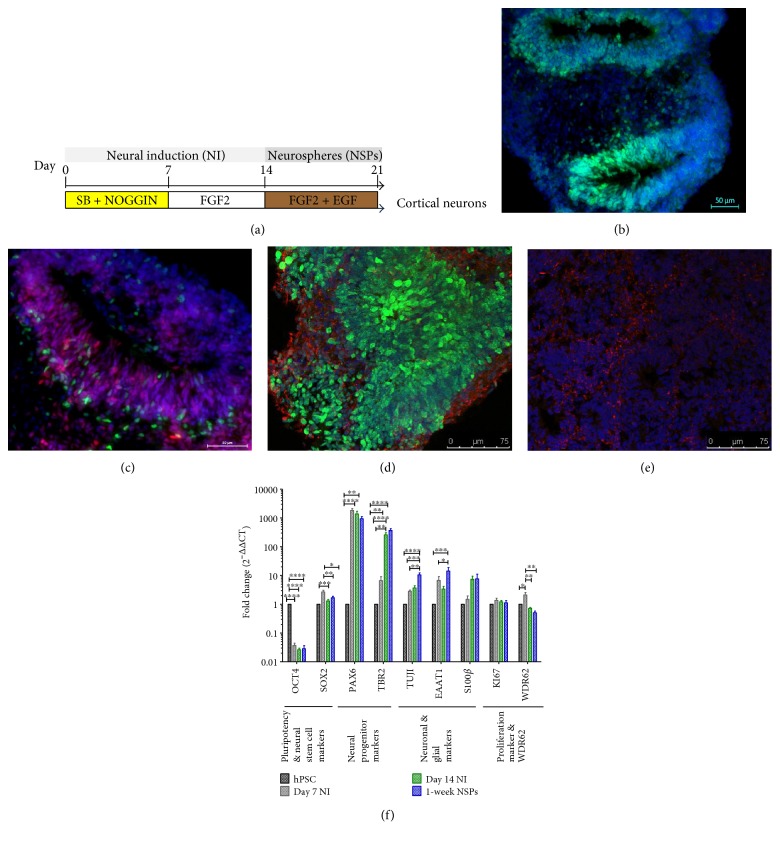
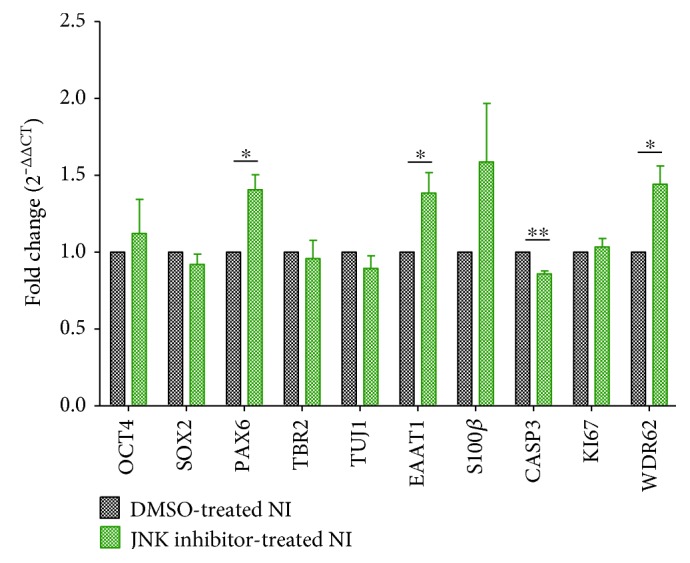
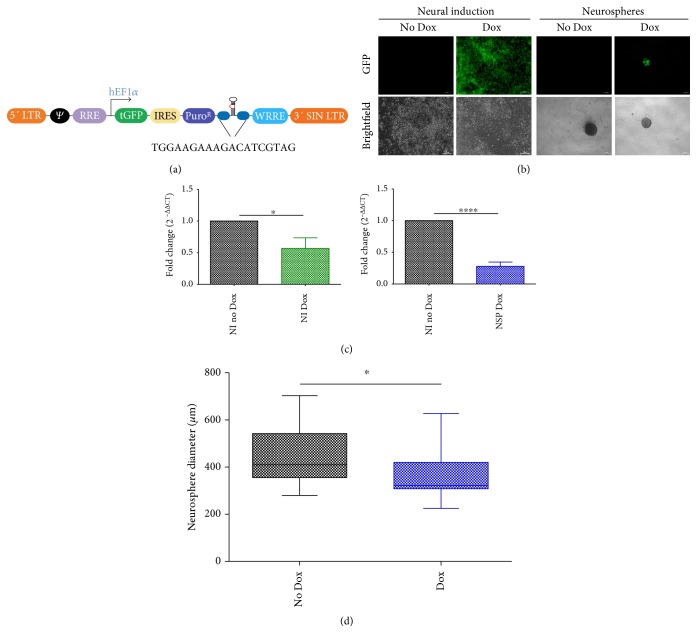
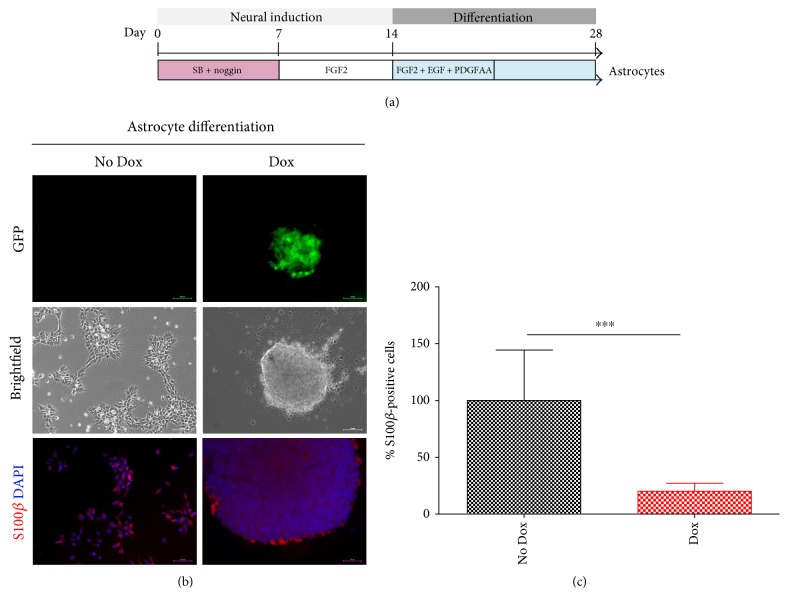
Mutations in WD40-repeat protein 62 () are commonly associated with primary microcephaly and other developmental cortical malformations. We used human pluripotent stem cells (hPSC) to examine WDR62 function during human neural differentiation and model early stages of human corticogenesis. Neurospheres lacking WDR62 expression showed decreased expression of intermediate progenitor marker, TBR2, and also glial marker, S100. In contrast, inhibition of c-Jun N-terminal kinase (JNK) signalling during hPSC neural differentiation induced upregulation of WDR62 with a corresponding increase in neural and glial progenitor markers, PAX6 and EAAT1, respectively. These findings may signify a role of WDR62 in specifying intermediate neural and glial progenitors during human pluripotent stem cell differentiation.
WD40重复蛋白62(WDR62)的突变通常与原发性小头畸形和其他发育性皮质畸形有关。我们使用人类多能干细胞(hPSC)来研究WDR62在人类神经分化过程中的功能,并模拟人类皮质发生的早期阶段。缺乏WDR62表达的神经球显示中间祖细胞标志物TBR2以及神经胶质标志物S100的表达降低。相反,在hPSC神经分化过程中抑制c-Jun氨基末端激酶(JNK)信号传导可诱导WDR62上调,同时神经和神经胶质祖细胞标志物PAX6和EAAT1分别相应增加。这些发现可能表明WDR62在人类多能干细胞分化过程中确定中间神经和神经胶质祖细胞方面发挥作用。