Department of Earth Sciences and Laboratory for Space Research, University of Hong Kong, Pokfulam Road, Hong Kong, China.
Planetary Science Institute, 1700 E. fort Lowell, Tucson, Arizona 85719, USA.
Nat Commun. 2017 Jul 10;8:15978. doi: 10.1038/ncomms15978.
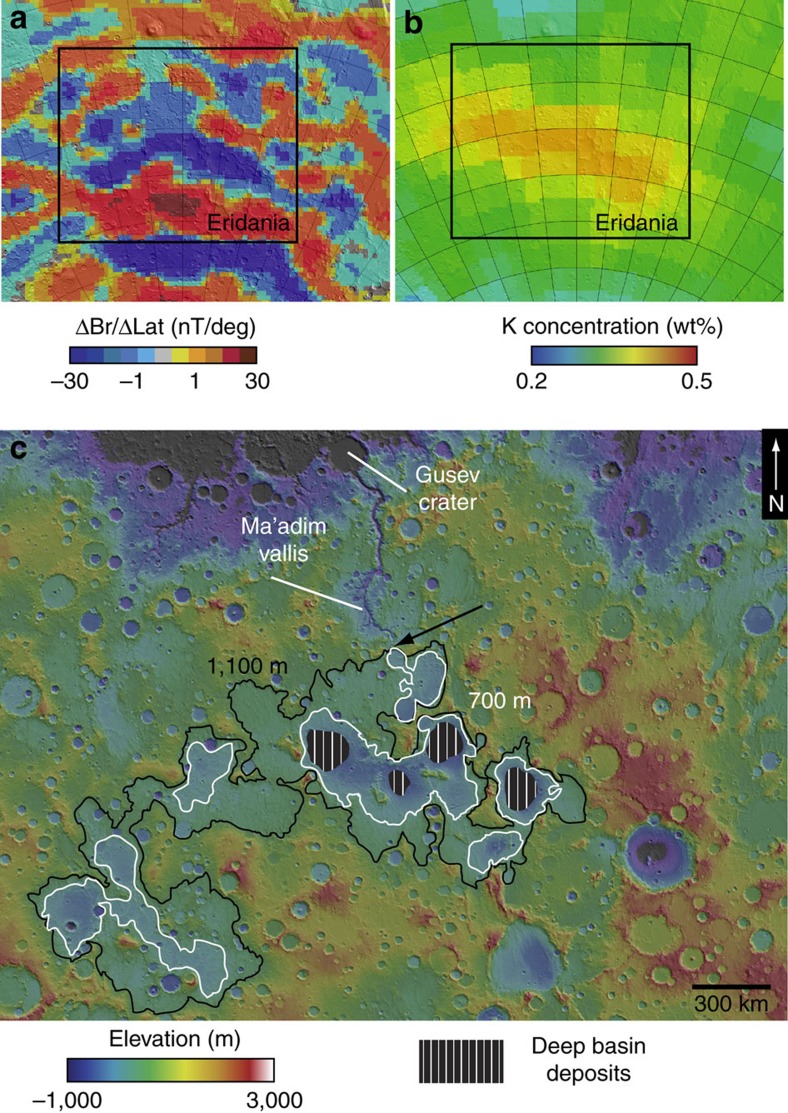
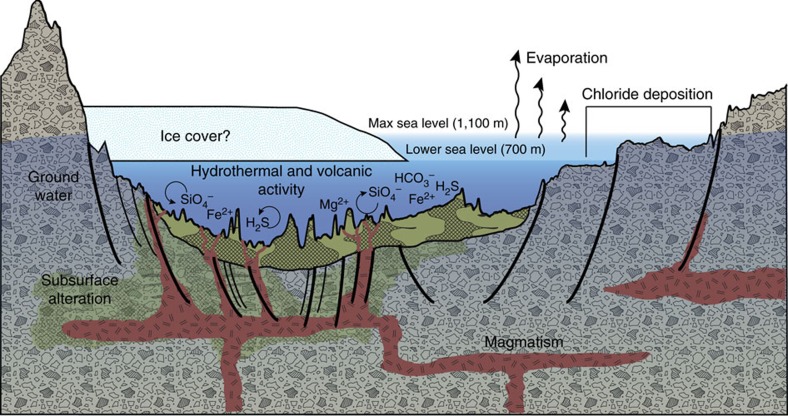
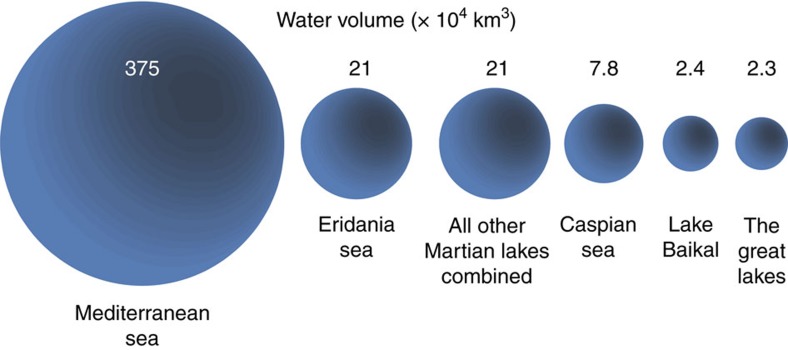
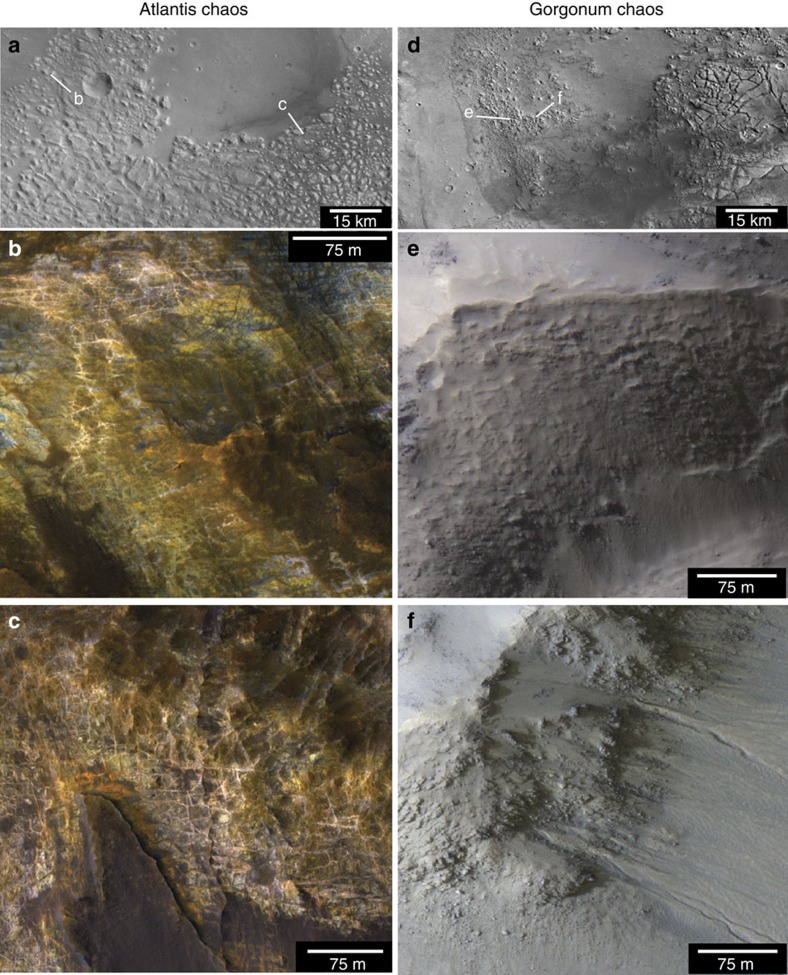
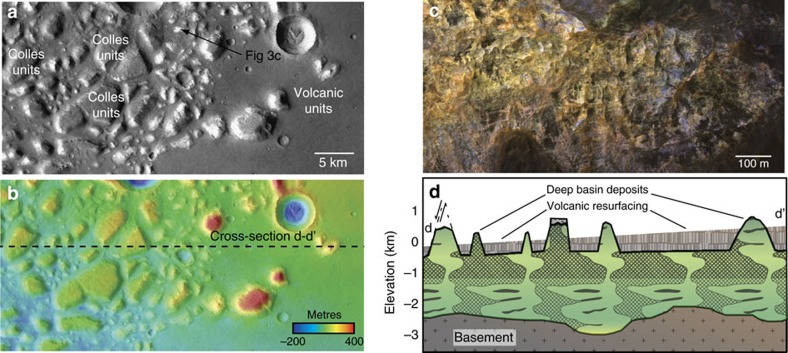
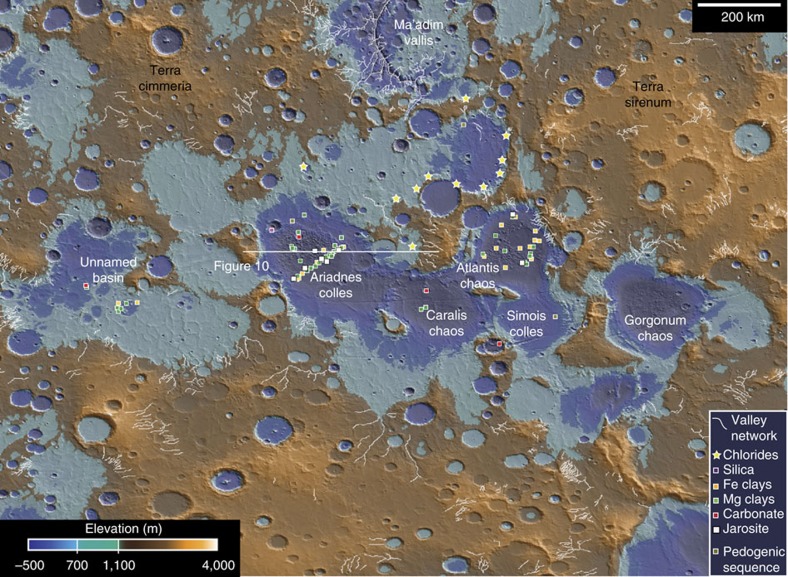
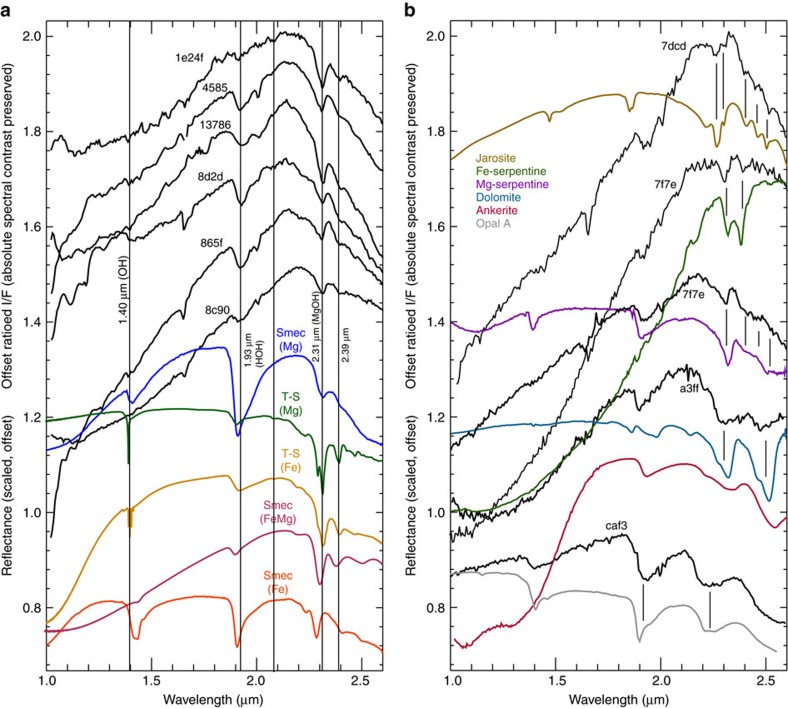
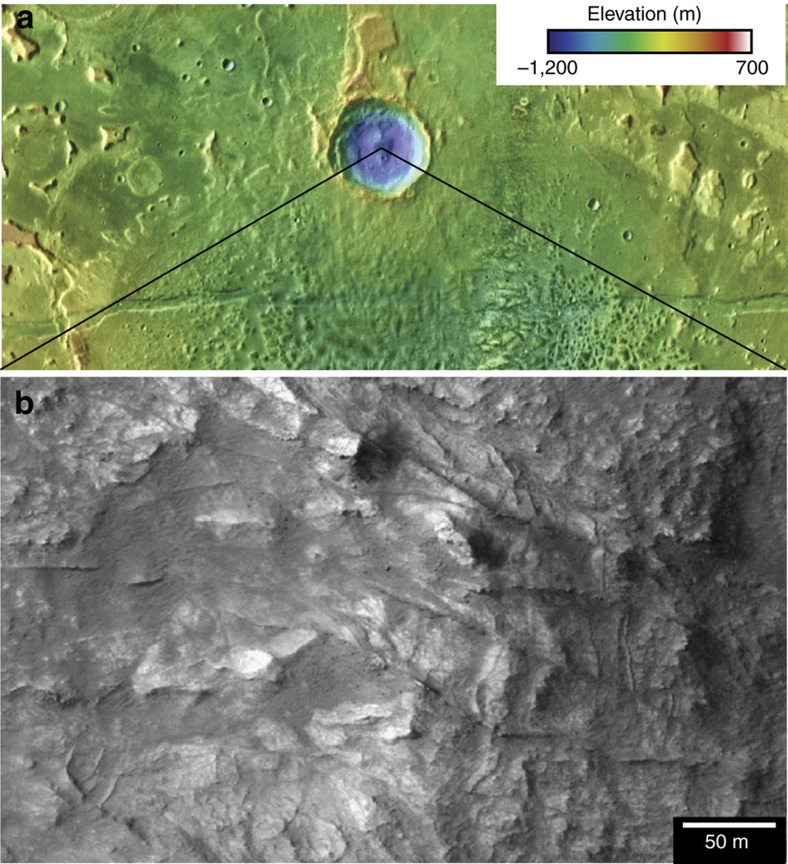
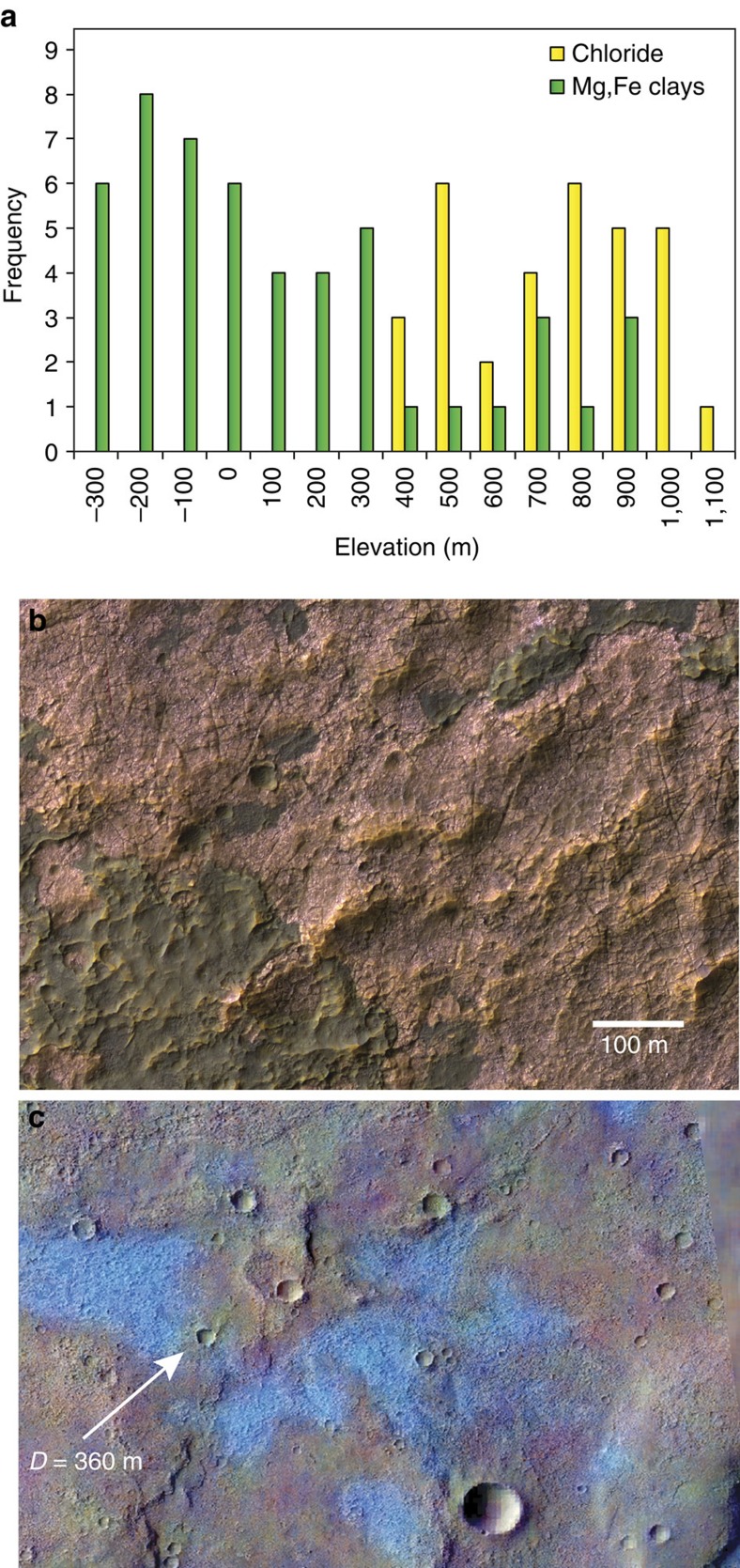
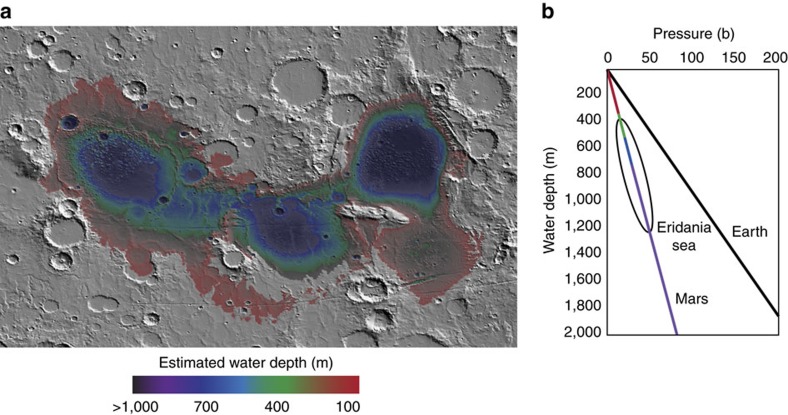
The Eridania region in the southern highlands of Mars once contained a vast inland sea with a volume of water greater than that of all other Martian lakes combined. Here we show that the most ancient materials within Eridania are thick (>400 m), massive (not bedded), mottled deposits containing saponite, talc-saponite, Fe-rich mica (for example, glauconite-nontronite), Fe- and Mg-serpentine, Mg-Fe-Ca-carbonate and probable Fe-sulphide that likely formed in a deep water (500-1,500 m) hydrothermal setting. The Eridania basin occurs within some of the most ancient terrain on Mars where striking evidence for remnant magnetism might suggest an early phase of crustal spreading. The relatively well-preserved seafloor hydrothermal deposits in Eridania are contemporaneous with the earliest evidence for life on Earth in potentially similar environments 3.8 billion years ago, and might provide an invaluable window into the environmental conditions of early Earth.
火星南部高地的埃里达尼亚地区曾经拥有一个巨大的内陆海,其水量超过所有其他火星湖泊的总和。在这里,我们表明,埃里达尼亚最古老的物质是厚 (>400 m)、块状 (>400 m)、斑驳的沉积物,含有皂石、滑石皂石、富铁云母(例如,海绿石-非绿脱石)、铁和镁蛇纹石、镁铁钙碳酸盐和可能的铁硫化物,这些物质可能是在深水区(500-1500 m)热液环境中形成的。埃里达尼亚盆地位于火星上最古老的地形之一,这里有明显的残余磁性证据,可能表明早期地壳扩张阶段。埃里达尼亚相对保存完好的海底热液沉积物与 38 亿年前地球上生命存在的最早证据同时出现,可能为早期地球的环境条件提供了一个宝贵的窗口。