Uchendu Obioma, Oladoyin Victoria, Idowu Michael, Adeyera Oluwapelumi, Olabisi Oluwatosin, Oluwatosin Oluwafisayomi, Leigh Gbemisola
Department of Community Medicine, College of Medicine, University of Ibadan, Ibadan, Nigeria.
Department of Community Medicine, University College Hospital, Ibadan, Nigeria.
BMC Infect Dis. 2017 Jul 11;17(1):487. doi: 10.1186/s12879-017-2591-6.
Schistosomiasis is a disease of public health importance with long term complications mostly common among children, rural dwellers, poor and migrant workers. Studies have not documented the burden among migrant workers and their families. The study aimed to describe the burden of schistosomiasis and demographic characteristics among children of migrant workers residing in a rehabilitation home in Ibadan, Nigeria.
A cross-sectional study using sixty six children, who were tested following complaints of haematuria by six of them. An interviewer-administered questionnaire was used to collect information on demographic and environmental characteristics of the children and urine microscopy, was conducted. Data was analysed using descriptive statistics and correlation. Statistical significance was set at 5%.
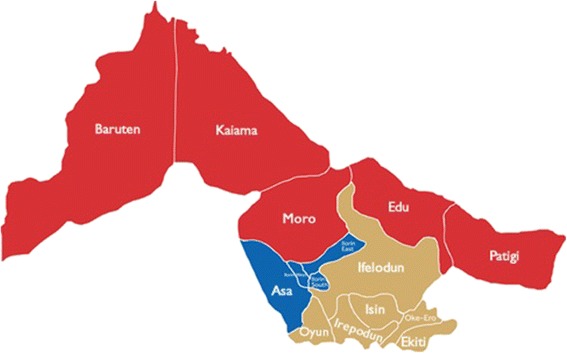
Mean age of respondents was 11.8 ± 4.0 years and 57.6% were males. The prevalence of schistosomiasis was 19.7% with preponderance among males (64.3%) and children aged 12 years and above (71.4%); 85.7% of infected children were from Kwara State; 78.6% waded in water body and 92.9% had red blood cells and pus cells on urine microscopy.
The burden of schistosomiasis is high among children of migrant workers and they serve as reservoirs for transmission of the disease. Government needs to work synergistically with NGOs, FBOs and other partners to achieve schistosomiasis prevention and control among this particular group.
血吸虫病是一种具有公共卫生重要性的疾病,其长期并发症在儿童、农村居民、贫困人群和农民工中最为常见。此前的研究尚未记录农民工及其家庭中的疾病负担情况。本研究旨在描述居住在尼日利亚伊巴丹一家康复中心的农民工子女的血吸虫病负担及人口统计学特征。
采用横断面研究方法,对66名儿童进行研究,其中6名儿童因血尿症状接受了检测。通过访谈式问卷收集儿童的人口统计学和环境特征信息,并进行尿液显微镜检查。数据采用描述性统计和相关性分析。设定统计学显著性水平为5%。
受访者的平均年龄为11.8 ± 4.0岁,男性占57.6%。血吸虫病患病率为19.7%,男性(64.3%)和12岁及以上儿童(71.4%)中患病率较高;85.7%的感染儿童来自夸拉州;78.6%的儿童涉足水体,92.9%的儿童尿液显微镜检查显示有红细胞和脓细胞。
农民工子女中的血吸虫病负担较重,他们是该疾病传播的传染源。政府需要与非政府组织、宗教组织和其他合作伙伴协同合作,以实现对这一特定群体的血吸虫病预防和控制。